
Hear from Our Customers
You can’t see mold spores. You can’t measure moisture levels with your eyes. And that musty smell? It doesn’t tell you if there’s 5,000 spores per cubic meter or 50,000.
That’s where professional air quality testing comes in. We take samples from your home, send them to a certified lab, and give you actual data. Not guesses. Not assumptions. Numbers that show what’s floating around and whether it’s something to worry about.
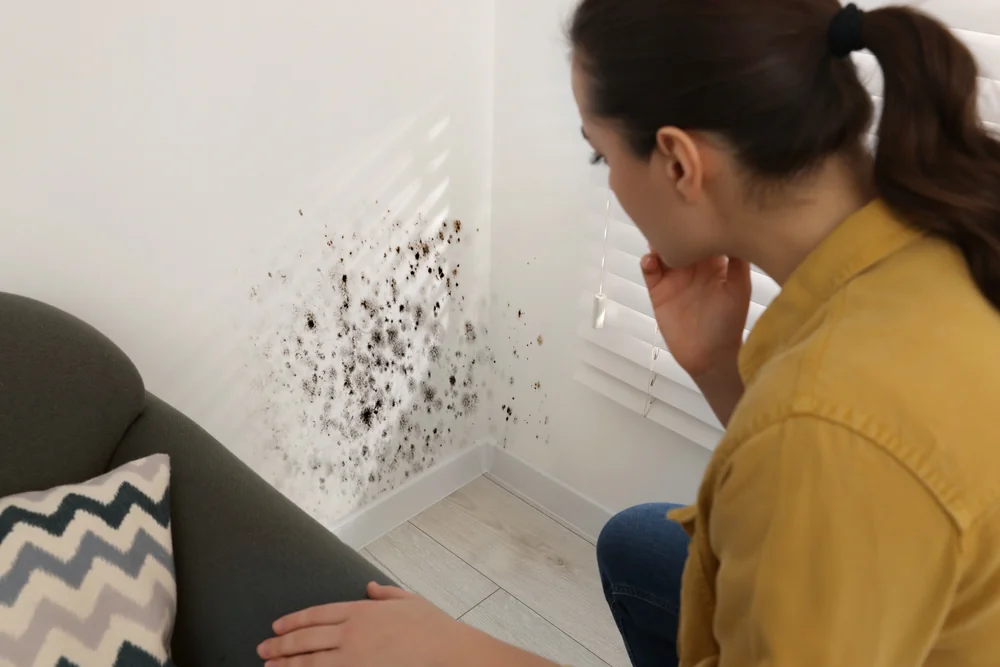
Most people call us after they’ve noticed something off—a smell that won’t go away, allergy symptoms that flare up indoors, or visible mold in one spot that makes them wonder what’s hiding elsewhere. A home air quality test answers those questions. It also gives you a baseline if you’re buying a house, dealing with water damage, or just want to know your air is safe for your kids.
Early detection saves money. If there’s a problem, catching it now means smaller repairs and less damage. If the air tests clean, you get peace of mind without tearing into walls for no reason.
We’ve been serving Winder Village, PA and the surrounding Bucks County area for years. We’re not a national franchise reading from a script. We know the homes here—the older construction, the basements that flood, the HVAC systems that struggle with humidity.
We use certified lab partners, calibrated equipment, and straightforward pricing. No upselling. No scare tactics. Just honest testing and clear results you can actually use.
If there’s a problem, we’ll tell you what it is and what it takes to fix it. If your air tests fine, we’ll tell you that too. Our reputation in this area is built on telling people the truth, not inflating problems to pad invoices.

First, we walk through your home and look for visible signs—water stains, discoloration, condensation, or anything that suggests moisture problems. We’re also checking airflow, ventilation, and areas where mold typically hides.
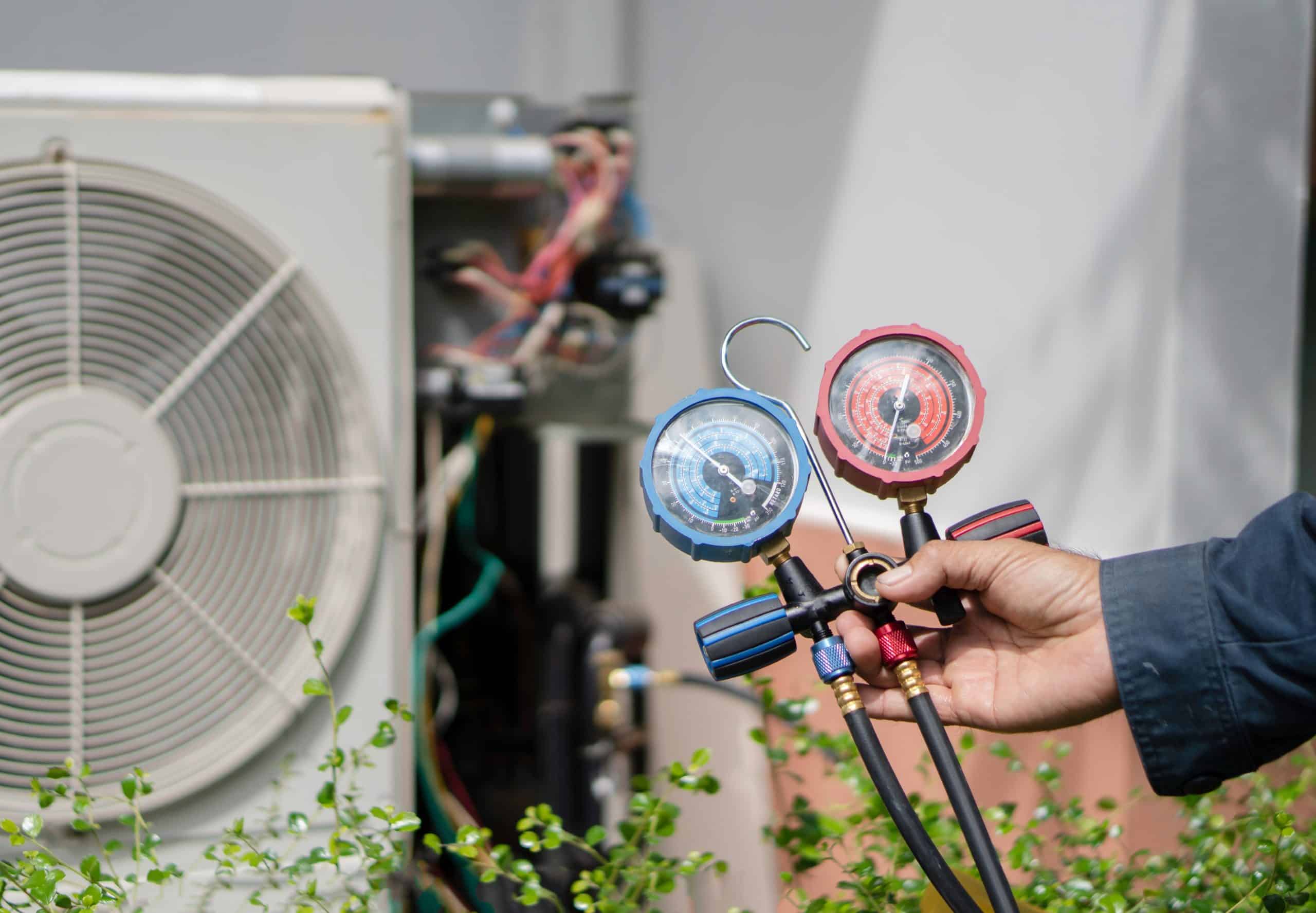
Next, we take air samples using calibrated equipment. We compare indoor air to outdoor air because mold spores exist everywhere—it’s the concentration that matters. We also use moisture meters and thermal imaging to find elevated humidity or temperature differences that point to hidden issues behind walls or ceilings.
The samples go to a certified laboratory for analysis. They identify the types of mold present and measure spore counts per cubic meter. This tells us if levels are normal, elevated, or concerning. You get a full report with lab results, photos, moisture readings, and our recommendations.
If the results show a problem, we explain what it means and what needs to happen next. If remediation is needed, we handle that too. If it’s something simple like improving ventilation or fixing a leak, we’ll tell you that instead of overselling services you don’t need.
The whole process is designed to give you clarity. No jargon. No runaround. Just real information about your indoor air quality.

Ready to get started?
Every residential air quality testing appointment includes a visual inspection, air sampling, moisture detection, and laboratory analysis. We’re looking for mold spores, but we’re also checking for conditions that allow mold to grow—high humidity, poor ventilation, water intrusion.
In Winder Village, older homes are common. About 30% of the housing stock here was built before the 1940s, and another chunk went up in the decades that followed. Older construction often means less insulation, outdated HVAC systems, and building materials that hold moisture. That’s not a flaw—it’s just how homes were built back then. But it does mean air quality testing is especially useful here.
We also see a lot of basements with humidity issues and attics with ventilation problems. Both are prime spots for mold growth, and both are easy to miss until the problem spreads. A mold air test catches those issues early, often before you see visible growth.
You’ll receive a detailed report that breaks down spore counts, identifies specific mold types, and explains what the numbers mean for your health and your home. We also provide clear next steps—whether that’s remediation, moisture control, or just monitoring the situation.

You should consider testing if you’re dealing with unexplained allergy symptoms that get worse indoors, a musty smell that won’t go away, visible mold in one area that makes you wonder about hidden growth, or recent water damage from a leak or flood. Testing is also smart if you’re buying a home, especially an older one, or if someone in your household has asthma or respiratory issues.
A lot of people wait until they see mold to call. But air sampling can detect elevated spore levels even when there’s no visible growth. That’s useful because mold often starts behind drywall, under flooring, or inside ductwork—places you can’t see without tearing things apart.
If you’ve had water damage and dried everything within 48 hours, you might be fine. But if materials stayed wet longer than that, or if you’re not sure everything dried completely, testing gives you confirmation. It’s a small cost compared to what you’d spend on remediation if a hidden problem gets worse.
A mold inspection is a visual assessment. We look for signs of mold, moisture problems, water damage, and conditions that support mold growth. It’s thorough, but it’s limited to what we can see and access.
Air quality testing goes further. We collect air samples and send them to a lab for analysis. The lab identifies mold species and measures spore concentrations. This catches mold that’s hidden or not visible yet. It also gives you hard data—actual spore counts—so you know if levels are normal or elevated.
Most of the time, we do both. The inspection shows us where to look, and the air testing confirms whether there’s a problem and how serious it is. If you only do an inspection, you might miss hidden mold. If you only do air testing without an inspection, you won’t know where the mold is coming from. Together, they give you the full picture.
Basic air quality testing typically starts around $350. That includes the inspection, air sampling, lab analysis, and a detailed report. If your home is larger, or if you need multiple sample locations, the cost goes up—but we’ll give you an upfront price before we start.
Some companies charge separately for the inspection and the lab work, or they add fees for things like moisture readings or thermal imaging. We include that in the base price because it’s all part of doing the job right.
If testing reveals a mold problem and you need remediation, that’s a separate cost. Remediation pricing depends on the size of the affected area, the type of mold, and how much material needs to be removed or treated. We’ll walk you through those numbers if it comes to that. But the testing itself is straightforward and affordable—especially compared to what you’d spend fixing a problem that went undetected for months.
Lab results usually come back within 3 to 5 business days. The samples have to be analyzed by certified technicians who identify mold species and count spores under a microscope. That takes time, but it’s also what makes the results accurate.
Once we get the lab report, we review it and put together your full assessment. That includes the lab data, photos from the inspection, moisture readings, and our recommendations. We’ll walk you through everything so you understand what the numbers mean and what, if anything, needs to happen next.
If you’re dealing with an urgent situation—like a major water event or someone in the home with severe respiratory symptoms—let us know. We can sometimes request expedited lab processing, though that may come with an additional fee. For most situations, the standard turnaround is fine and gives you reliable, thorough results.
Yes. That’s one of the main reasons to do air sampling. Mold releases spores into the air even when the colony itself is hidden. If there’s mold growing inside a wall cavity, behind drywall, or under flooring, those spores circulate through your home. Air testing picks them up.
We compare indoor air samples to outdoor air samples because mold spores are everywhere—it’s the concentration that matters. If indoor levels are significantly higher than outdoor levels, that’s a red flag. It tells us there’s likely an indoor source, even if we can’t see it.
We also use moisture meters and thermal imaging during the inspection. These tools help us pinpoint areas with elevated moisture or temperature differences that suggest hidden problems. If the air test shows high spore counts and our equipment detects moisture in a specific wall or ceiling, we know where to look. That saves you from guessing or cutting into walls randomly.
If lab results show elevated mold spore counts, we’ll explain what that means for your health and your home. Not all mold is dangerous, but high concentrations—especially of certain species—can trigger asthma, allergies, and respiratory issues. We’ll tell you which types were found and whether they’re a concern.
Next, we identify the source. Mold needs moisture to grow, so we look for leaks, condensation, humidity problems, or past water damage. Fixing the moisture issue is just as important as removing the mold. If you don’t address the source, mold will come back.
We’ll give you a clear remediation plan. That might involve removing contaminated materials, treating affected areas, improving ventilation, or installing dehumidifiers. We handle the work ourselves, and we follow industry protocols to make sure it’s done safely and completely. After remediation, we can retest the air to confirm spore levels are back to normal. You’re not stuck guessing whether the problem is actually fixed.
Other Services we provide in Winder Village