
Hear from Our Customers
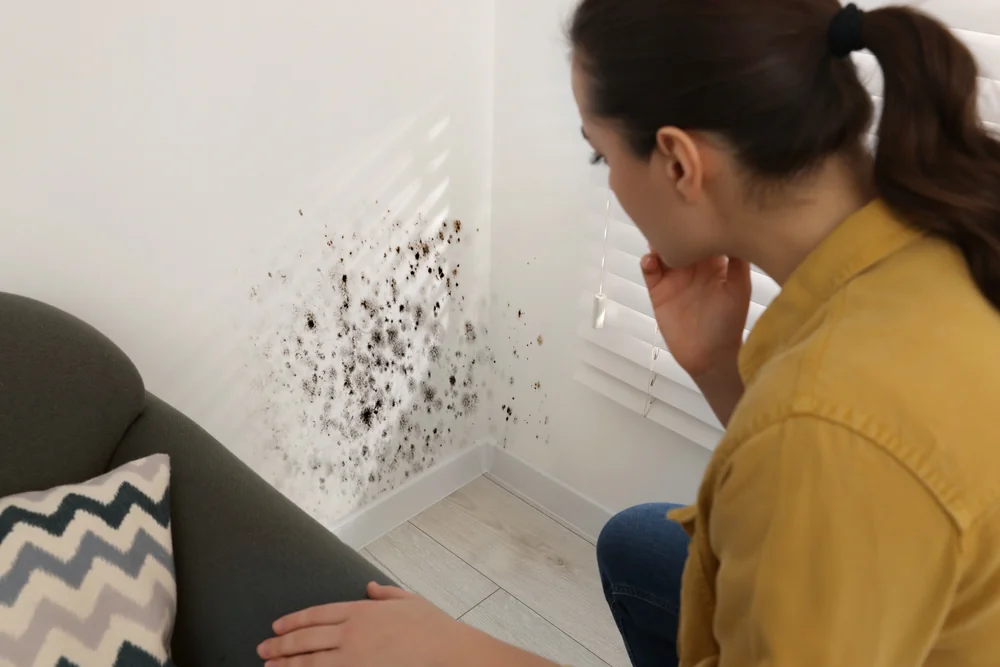
You can’t see mold spores. You can’t smell radon. And you won’t know if your indoor air is contaminated until someone in your house starts coughing, sneezing, or feeling off for no clear reason.
That’s the problem with indoor air quality. The air inside your home can be up to five times more polluted than outside air, especially in well-sealed homes without proper ventilation. Nearly half of all homes in Pennsylvania show visible mold or detectable odor, and 40% have radon levels above safe thresholds.
A home air quality test gives you actual numbers. Species identification. Concentration levels. Comparison to outdoor baselines. You’ll know if there’s a problem, how serious it is, and what needs to happen next. No guessing. No waiting until symptoms get worse. Just clear information so you can make the right call for your family.
We work with certified labs and calibrated equipment to test air quality in Will O Wood homes. We’re not here to sell you a fix you don’t need. We’re here to tell you what’s actually happening inside your walls, under your floors, and in the air your kids are breathing.
Will O Wood has the same challenges most Pennsylvania communities face: aging housing stock, humid conditions, and one of the worst radon problems in the country. We understand what to look for in homes here. Our inspectors use thermal imaging and moisture meters to find hidden issues that DIY kits and visual inspections miss entirely.
You get lab results in three to five business days, plus a full written report with photos, moisture readings, and a clear explanation of what we found.
We start with a free inspection at your home. No pressure. No sales pitch. We walk through your property and look for visible signs of moisture intrusion, poor ventilation, or mold growth. We also use thermal imaging to detect temperature differences behind walls and moisture meters to measure humidity levels in materials like drywall and wood.
If we identify areas of concern, we take air samples and surface samples. Those samples go to an independent, nationally recognized lab that specializes in mold analysis. The lab identifies species, measures concentration, and compares your indoor levels to outdoor levels. That comparison matters because it tells us whether you have an actual contamination problem or just normal environmental exposure.
Results come back in three to five business days. We review them with you in plain language. If there’s a problem, we explain what it is, why it’s happening, and what your options are. If testing shows your air quality is fine, we tell you that too. You’ll have documentation either way, which is critical if you’re buying, selling, filing an insurance claim, or just trying to figure out why someone in your house doesn’t feel right.

Ready to get started?
Your residential air quality testing includes a full visual inspection, thermal imaging scan, and moisture mapping of your home. We test for mold spores, identify species, and measure concentration levels in both air and surface samples. If radon is a concern, we can screen for that too—especially important in Pennsylvania, where 40% of homes exceed safe radon thresholds.
You’ll receive laboratory analysis results, detailed photographs of problem areas, moisture readings from affected materials, and a written report that explains our findings in language you can actually understand. If you’re dealing with an insurance claim, we provide documentation that adjusters and underwriters accept. If you’re in the middle of a real estate transaction, you’ll have the proof buyers and lenders require.
Will O Wood homes face the same risks as the rest of Bucks County: older construction, inconsistent ventilation, and a climate that’s humid enough to support mold growth when moisture gets trapped. Pennsylvania doesn’t regulate indoor mold at the state level, which means there’s no legal requirement for testing or remediation. That puts the responsibility on you. A professional indoor air quality test gives you the information you need to protect your property and your family’s health before a small issue turns into a bigger one.

DIY kits can’t find hidden mold, and they don’t give you species identification or concentration levels. If mold is behind a wall or under flooring, a test kit sitting on your counter won’t detect it. Those kits also can’t tell you whether the mold you’re finding is dangerous or just normal environmental exposure.
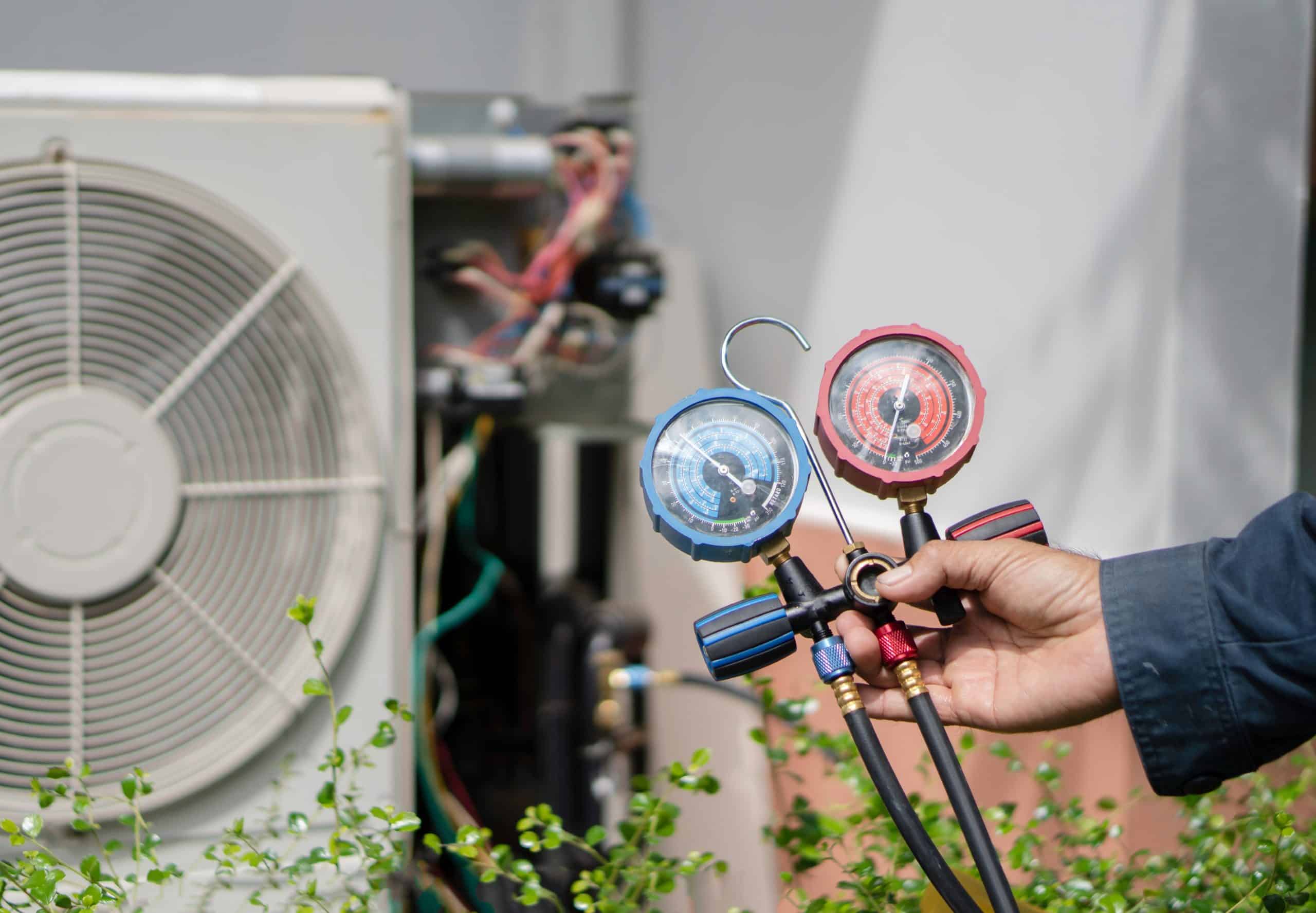
Professional air quality testing uses calibrated equipment and lab analysis. We take air samples and surface samples from multiple locations, then send them to a nationally recognized lab that specializes in mold analysis. The lab identifies the exact species, measures how much is present, and compares your indoor levels to outdoor levels. That comparison is critical because it tells you whether you have an actual contamination problem or just typical spore counts.
We also use thermal imaging and moisture meters to locate problem areas that aren’t visible. Mold grows where there’s moisture, and moisture often hides in places you can’t see without the right tools. A mold air test combined with thermal scanning gives you a complete picture of what’s happening in your home, not just a snapshot of one room.
Sneezing, watery eyes, coughing, shortness of breath, headaches, dizziness, and fatigue are all common symptoms of poor indoor air quality. If someone in your house feels like they’re constantly catching a cold or dealing with allergies that don’t go away, contaminated air could be the cause.
The problem is that these symptoms are vague. They could be allergies. They could be a virus. Or they could be mold exposure, radon, or other indoor pollutants. Testing is the only way to know for sure. If symptoms improve when you leave the house and come back when you’re home, that’s a strong indicator that something in your indoor environment is the issue.
Children, elderly family members, and anyone with asthma or a compromised immune system are especially vulnerable. Prolonged exposure to high mold spore counts can trigger asthma attacks or make respiratory conditions worse. Some mold species produce mycotoxins that cause more serious health problems over time. If you’re noticing unexplained symptoms that won’t go away, a home air quality test gives you the data you need to figure out what’s going on.
Lab results typically come back in three to five business days. That timeline depends on the lab’s current workload, but most analyses are completed within that window. You’ll receive a full report that includes species identification, concentration levels, comparison to outdoor samples, and photographs of any problem areas we found during the inspection.
We don’t just hand you a lab report and walk away. We review the results with you and explain what they mean in plain language. If the test shows elevated mold spore counts or identifies a dangerous species, we’ll tell you what your options are and what needs to happen next. If testing shows your air quality is fine, we’ll tell you that too.
Fast turnaround matters when you’re dealing with health symptoms, a real estate transaction, or an insurance claim. We work with labs that specialize in mold analysis and prioritize accuracy without unnecessary delays. You’ll have documentation you can use for whatever comes next, whether that’s remediation, a claim, or peace of mind.
It depends on what caused the mold. If mold growth resulted from a covered event like a burst pipe, roof leak, or appliance failure, most policies will cover testing and remediation. If mold developed because of long-term neglect, poor maintenance, or chronic humidity issues, insurance typically won’t pay.
The key is documentation. Insurance companies want proof that the mold was caused by a sudden, accidental event and that you took reasonable steps to address it. A professional mold air test provides that proof. We work directly with insurance adjusters and provide detailed reports that include lab results, photographs, moisture readings, and a timeline of when the problem likely started.
If you’re filing a claim, get testing done as soon as possible. Delays can hurt your case because insurers may argue that you allowed the problem to worsen. We’ve helped plenty of Will O Wood homeowners navigate the claims process, and we know what documentation adjusters need to approve coverage. Even if your claim gets denied, you’ll have a clear understanding of what’s in your home and what it’ll cost to fix it.
Yes. Radon testing is separate from mold testing, but we can screen for both during the same visit. Radon is a serious concern in Pennsylvania. Forty percent of homes in the state have radon levels above the EPA’s recommended threshold, and radon exposure is the second leading cause of lung cancer in the United States.
Radon is invisible and odorless, so you can’t detect it without testing. It seeps into homes through cracks in foundations, gaps around pipes, and other openings in contact with soil. Older homes in Will O Wood are especially vulnerable because construction methods used decades ago didn’t account for radon infiltration.
A radon test measures the concentration of radon gas in your home’s air, usually over a 48-hour period. If levels are elevated, mitigation systems can reduce radon to safe levels. The process is straightforward, and it’s worth doing if you’ve never tested before. Radon doesn’t go away on its own, and long-term exposure adds up. Testing gives you the information you need to protect your family from a risk you can’t see or smell.
If testing confirms mold contamination, you’ll get a report that identifies the species, measures the concentration, and pinpoints where it’s growing. Not all mold is dangerous, but some species produce mycotoxins or trigger severe allergic reactions. The lab results tell us what we’re dealing with so we can recommend the right next steps.
Remediation depends on the extent of the problem. Small areas of surface mold can sometimes be cleaned and treated without major construction. Hidden mold behind walls or under flooring usually requires removal of affected materials, treatment of the area, and repairs to fix whatever moisture issue caused the growth in the first place.
We don’t push remediation services if you don’t need them. If testing shows low spore counts or identifies a species that’s not hazardous, we’ll tell you that. If you do need remediation, we’ll explain what’s involved, how long it takes, and what it costs. You’ll also get recommendations for preventing future mold growth, because fixing the symptom without addressing the cause just means the problem comes back. Our goal is to give you accurate information so you can make the right decision for your home and your family.
Other Services we provide in Will O Wood