
Hear from Our Customers

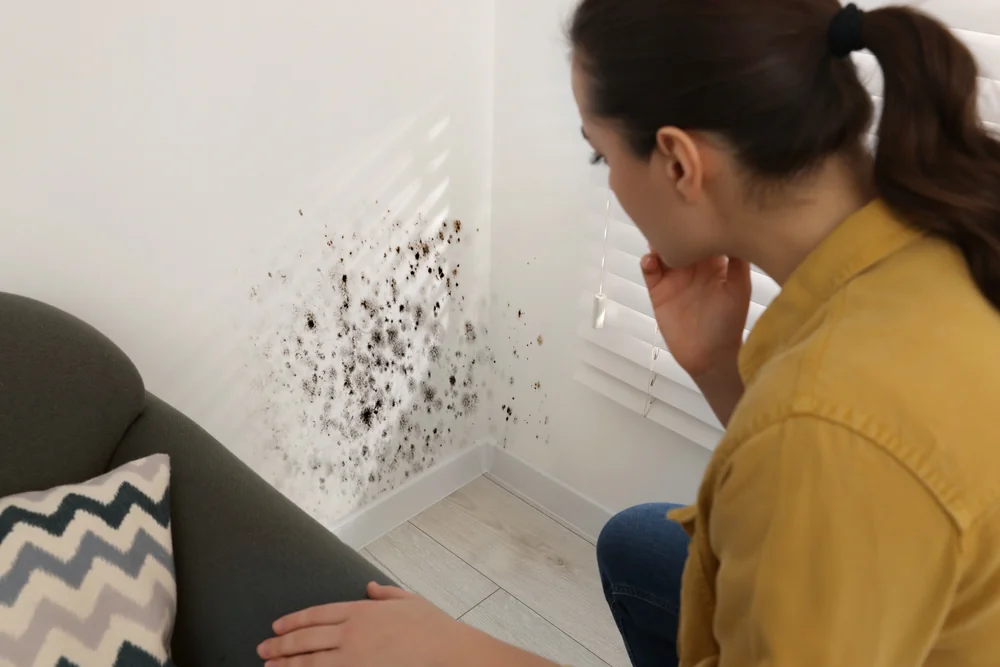
You can’t see mold spores. You can’t see most allergens. But you can feel them—in the scratchy throat, the persistent cough, the allergy symptoms that won’t quit even when pollen season ends.
A home air quality test gives you actual data. Not guesses. Not assumptions based on a visual inspection. Lab results that tell you exactly what’s floating around in the air your family breathes every day.
Most homeowners in Wheat Sheaf, PA don’t realize they have an air quality problem until someone gets sick or they spot visible mold growth. By then, you’re dealing with remediation instead of prevention. Testing catches issues early, when they’re cheaper and easier to fix.
The humid summers here create perfect conditions for mold growth in basements, crawl spaces, and poorly ventilated bathrooms. Add in Bucks County’s older housing stock, and you’ve got homes that weren’t built with modern moisture control in mind. That’s why residential air quality testing isn’t just smart—it’s necessary.
We don’t do water damage restoration, fire cleanup, or emergency board-ups. We focus exclusively on mold detection, air quality testing, and mold remediation in Bucks County.
That specialization matters. We’re Certified Mold Inspectors who know exactly what to look for in homes throughout Wheat Sheaf, PA and the surrounding area. We understand how moisture moves through older homes, where mold hides in finished basements, and which HVAC systems tend to circulate contaminated air.
When we test your air, samples go to an independent third-party lab that’s nationally recognized for accuracy. We don’t analyze our own samples because we want results you can trust completely. Every test follows EPA-approved methods, and we explain findings in plain language—no jargon, no upselling, just clear information about what’s happening in your home.

First, we walk through your home and talk about what you’ve noticed. Musty smells, health symptoms, visible moisture problems, or just general concern—it all matters. This conversation helps us know where to focus.
Next comes the actual testing. We use professional-grade equipment to collect air samples from multiple areas in your home. We’re looking for mold spores, but we’re also checking for other airborne contaminants and allergens that affect indoor air quality. If we spot potential moisture issues or hidden mold growth areas, we document those too.
Air samples get sealed and sent to the independent lab. Results typically come back within a few days. When they do, we sit down with you and explain exactly what was found, what the spore counts mean, and whether you need remediation.
If testing reveals a problem, we give you a detailed estimate for fixing it. If your air quality is fine, we tell you that too. The goal is information, not a sales pitch.

Ready to get started?
A complete indoor air quality test from us covers your whole home. We don’t just test one room and call it done.
You get multiple air samples from different areas—typically the main living spaces, bedrooms, basement, and any problem areas you’ve identified. We also take an outdoor control sample because comparing indoor and outdoor spore levels tells us whether you actually have an indoor mold problem or just normal environmental exposure.
Every test includes a visual inspection. We check common problem areas like bathrooms, basements, crawl spaces, and around HVAC systems. We’re looking for moisture intrusion, condensation issues, poor ventilation, and any visible mold growth that needs attention.
The lab analysis identifies specific mold types and spore concentrations. Some molds are more problematic than others, and spore counts matter. Low levels might just need better ventilation. High concentrations mean you need professional mold remediation.
After testing, you receive a full report with lab results, photos from the inspection, and our recommendations. If remediation is needed, we provide a clear scope of work and upfront pricing. If you just need to improve ventilation or fix a minor moisture issue, we’ll tell you that instead.
Consider testing if anyone in your household has unexplained respiratory symptoms, allergies that won’t improve, or frequent headaches at home that go away when you leave. These are often the first signs of poor indoor air quality.
Musty odors are another red flag. If your basement, bathroom, or any room smells damp or earthy, that’s typically mold growth somewhere. You might not see it—mold hides behind walls, under carpets, in HVAC ducts, and in crawl spaces—but the smell tells you it’s there.
Recent water damage, roof leaks, plumbing problems, or flooding are all reasons to test. Even if the area dried out and looks fine, mold can start growing within 24-48 hours of water exposure. Testing confirms whether you dodged the problem or need remediation.
Homes in Wheat Sheaf, PA with finished basements, poor ventilation, or older HVAC systems should consider periodic testing as preventative maintenance. Bucks County’s humid climate creates conditions where mold thrives, especially in homes that trap moisture.
A mold inspection is visual. We walk through your home looking for visible mold growth, moisture problems, water damage, and conditions that promote mold. It’s helpful, but it only catches what we can see.
Air quality testing analyzes what’s actually floating in your air. We collect samples and send them to a lab that identifies mold species and measures spore concentrations. This catches hidden mold that’s releasing spores into your air even though you can’t see the source.
The most thorough approach combines both. The visual inspection finds obvious problems and moisture sources. The air testing reveals hidden contamination and confirms whether visible mold is actively releasing spores or just surface growth.
For most homeowners dealing with health symptoms or musty odors without visible mold, air testing provides the answers you need. It’s the only way to know for certain whether you have a mold problem and how severe it is. Some situations look bad but test fine. Others look fine but have serious hidden contamination. Testing removes the guesswork.
The actual testing appointment usually takes 1-2 hours depending on your home’s size and how many areas we’re sampling. We’re not rushing through—we’re being thorough.
During that visit, we collect air samples, conduct the visual inspection, document any problem areas with photos, and answer your questions about what we’re finding. The samples get sealed and shipped to the lab the same day.
Lab results typically come back within 3-5 business days. Some labs offer rush processing if you need faster answers, though that costs extra. Once we receive results, we contact you right away to schedule a time to review findings.
The results meeting takes about 30-45 minutes. We walk through the lab report, explain what each mold type means, show you where problems are based on our inspection, and discuss next steps. If you need remediation, we provide a detailed estimate right then. If your air quality is acceptable, we’ll explain why and whether you should retest in the future.
It depends on what caused the mold growth. Most homeowners insurance policies cover mold remediation if it resulted from a covered peril—like a burst pipe, roof leak from storm damage, or appliance malfunction.
Insurance typically won’t cover mold from long-term maintenance issues, humidity, condensation, or flooding. If you’ve had a slow leak that went unnoticed for months, that’s usually considered a maintenance problem. Flood damage requires separate flood insurance.
The best approach is to get testing done first, then contact your insurance company with documentation. The lab results and inspection report provide the evidence your insurer needs to make a coverage decision.
We work with insurance companies regularly and can provide detailed documentation throughout the process. That includes photos, moisture readings, scope of work, and itemized estimates. Some adjusters want to see the mold problem before remediation starts, so we coordinate timing to make the claims process smoother.
Even if insurance doesn’t cover the work, knowing exactly what you’re dealing with helps you make informed decisions about remediation. Some mold problems are minor and inexpensive to fix. Others require significant work. Testing tells you which situation you’re facing before you spend money on solutions.
Home test kits exist, but they have serious limitations. Most use petri dishes that collect whatever lands on them over 24-48 hours. The problem is that mold spores are everywhere—inside and outside—so these tests almost always come back positive for mold.
What matters isn’t whether mold is present, but what types and at what concentrations. Some mold species are more problematic than others. Spore counts tell you whether you have normal background levels or an actual contamination problem. Home kits don’t provide that level of detail.
Professional air quality testing uses calibrated pumps that pull a specific volume of air through collection media. Samples go to accredited labs with trained mycologists who identify species and quantify concentrations. The results are accurate, legally defensible, and actually useful for making decisions.
The other issue with DIY testing is interpretation. Even if a home kit gives you results, most homeowners don’t know what those results mean or what to do next. Professional testing includes expert analysis and recommendations based on years of experience with mold problems in Bucks County homes.
If cost is a concern, consider that professional testing prevents expensive mistakes. Finding out exactly what you’re dealing with before you start tearing out drywall or hiring a remediation company saves money in the long run.
First, don’t panic. High mold levels are fixable, and knowing about the problem is better than breathing contaminated air without realizing it.
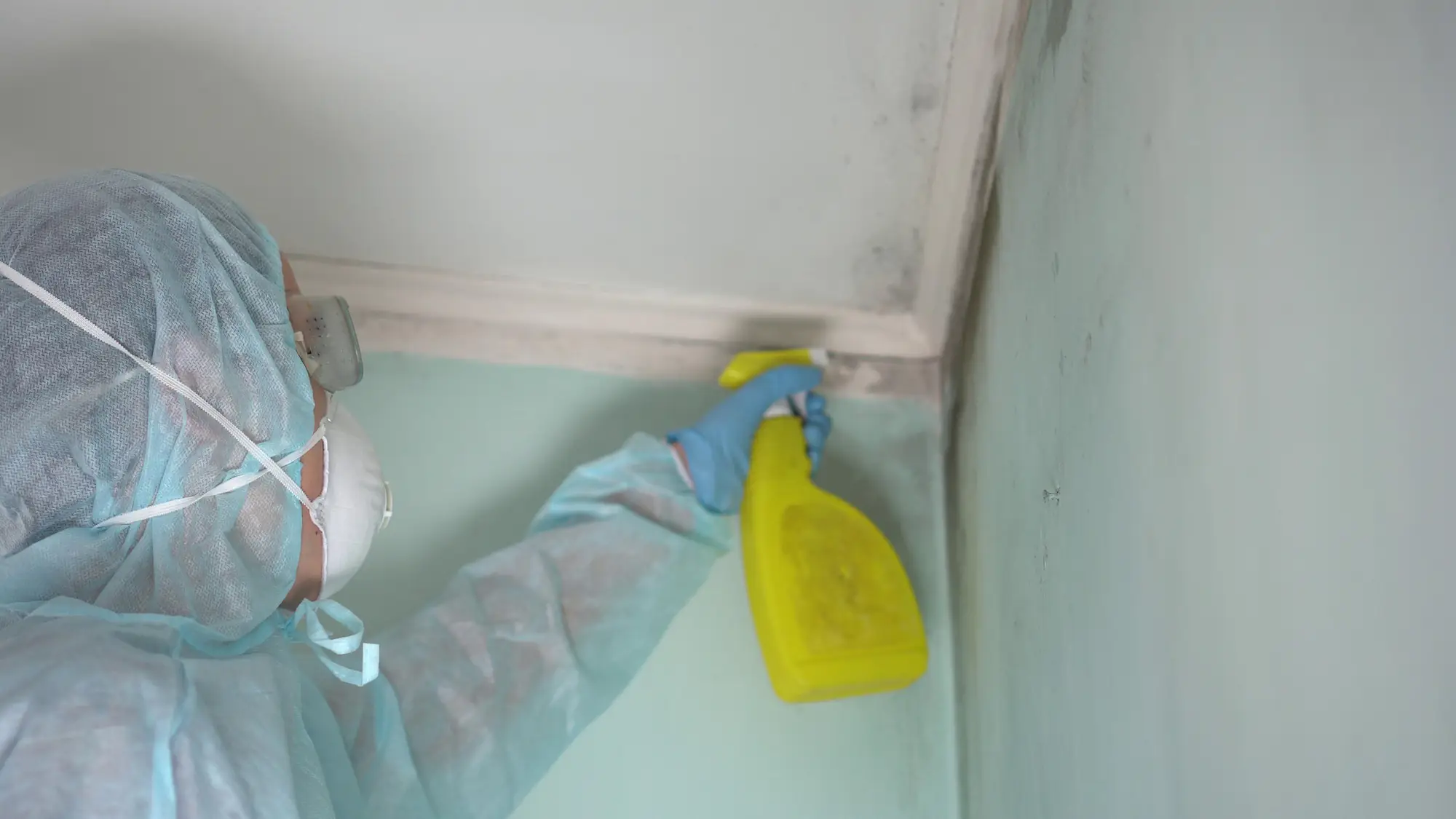
We start by identifying the moisture source. Mold needs water to grow, so remediation without fixing the underlying moisture problem is pointless. The mold just comes back. We find the leak, condensation issue, ventilation problem, or whatever is creating conditions for mold growth.
Next comes containment and removal. Depending on the extent of contamination, this might mean removing affected drywall, insulation, or other materials. We seal off the work area to prevent spores from spreading to clean parts of your home during the process.
All remediation follows EPA guidelines and Pennsylvania regulations. We use HEPA filtration, proper disposal methods, and antimicrobial treatments where appropriate. The goal is complete removal of contaminated materials and thorough cleaning of affected areas.
After remediation is complete, we recommend post-remediation testing. This verifies that spore levels have returned to normal and the problem is actually solved. It’s your proof that the work was done correctly and your home is safe again.
The entire process—from finding the moisture source to final clearance testing—typically takes a few days to a couple weeks depending on how extensive the contamination is. We keep you informed throughout and work as efficiently as possible to get your home back to normal.
Other Services we provide in Wheat Sheaf