

Hear from Our Customers
You stop wondering if that musty smell is dangerous. You breathe easier—literally. Your kids aren’t coughing at night, and you’re not second-guessing every stain on the wall.
Mold doesn’t just look bad. It breaks down drywall, weakens wood, and sends spores into the air you’re breathing every day. Left alone, it spreads. It gets into HVAC systems, behind baseboards, under flooring—places you can’t see until the damage is done.
Professional mold removal means the problem gets traced to the source, not just wiped off the surface. It means containment so spores don’t spread during cleanup. It means air quality testing, proper removal, and prevention steps that actually stick. You’re not patching over a problem—you’re solving it.
We’ve been helping homeowners across Bucks County deal with mold the right way—no shortcuts, no scare tactics. We’ve seen what happens when humidity sits in a basement too long, when a slow leak goes unnoticed, or when a flood leaves more behind than water.
Wheat Sheaf homes deal with the same climate challenges as the rest of Bucks County: humid summers, older construction, and basements that weren’t built with modern moisture barriers. We’ve worked in enough local homes to know where mold hides and how to get rid of it without tearing your house apart.
You’re not getting a national franchise with a script. You’re getting a local team that picks up the phone, shows up on time, and treats your home like it matters.

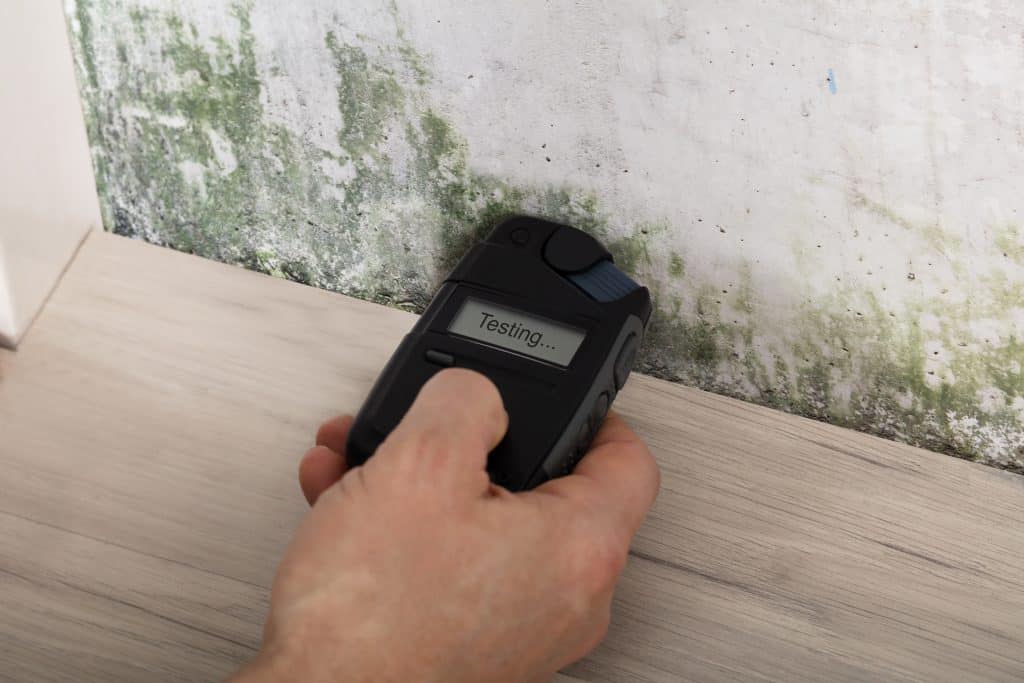
First, we inspect your property—not just the visible mold, but the areas where it’s likely hiding. Attics, crawl spaces, behind walls, under sinks. We use moisture meters and air quality testing to find out what’s growing and where.
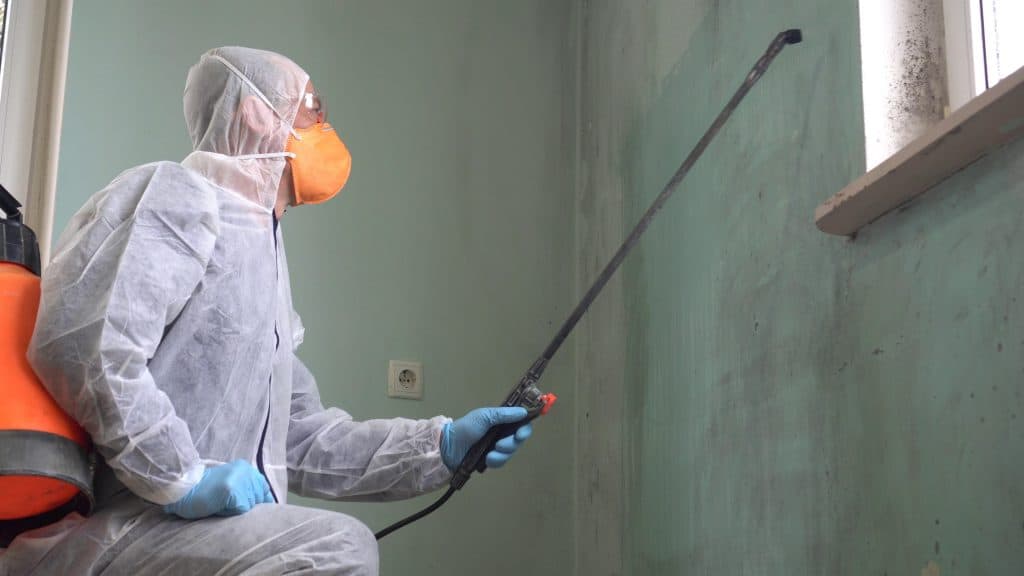
Next, we contain the area. That means sealing off the workspace so mold spores don’t spread to clean parts of your home during removal. We’re not just scrubbing and hoping—we’re controlling the environment.
Then comes removal. Depending on what we find, that could mean cleaning affected surfaces, removing contaminated materials like drywall or insulation, and treating the area with antimicrobial solutions. We don’t leave spores behind to regrow in a month.
Finally, we address the source. If it’s a leak, poor ventilation, or a drainage issue, we’ll tell you what needs fixing so this doesn’t happen again. Mold removal only works long-term if the moisture problem gets handled too.
Ready to get started?
A real mold removal job isn’t just someone in a mask with a spray bottle. It’s a full assessment, containment, safe removal, air filtration, and follow-up testing to confirm the job’s done right.
In Wheat Sheaf and across Bucks County, we see a lot of basement mold from groundwater issues, attic mold from roof leaks or poor ventilation, and bathroom mold from exhaust fans that don’t actually vent outside. Each situation is different, but the process stays thorough.
We also handle black mold removal—the kind that gets people worried. Stachybotrys is the technical name, and yes, it can cause health problems. But it’s not a death sentence, and it doesn’t require you to burn your house down. It requires proper containment, removal, and cleaning by someone who knows what they’re doing.
You’ll get a clear explanation of what we found, what we’re removing, and what you need to do next. No jargon. No upselling. Just the work that needs to happen.
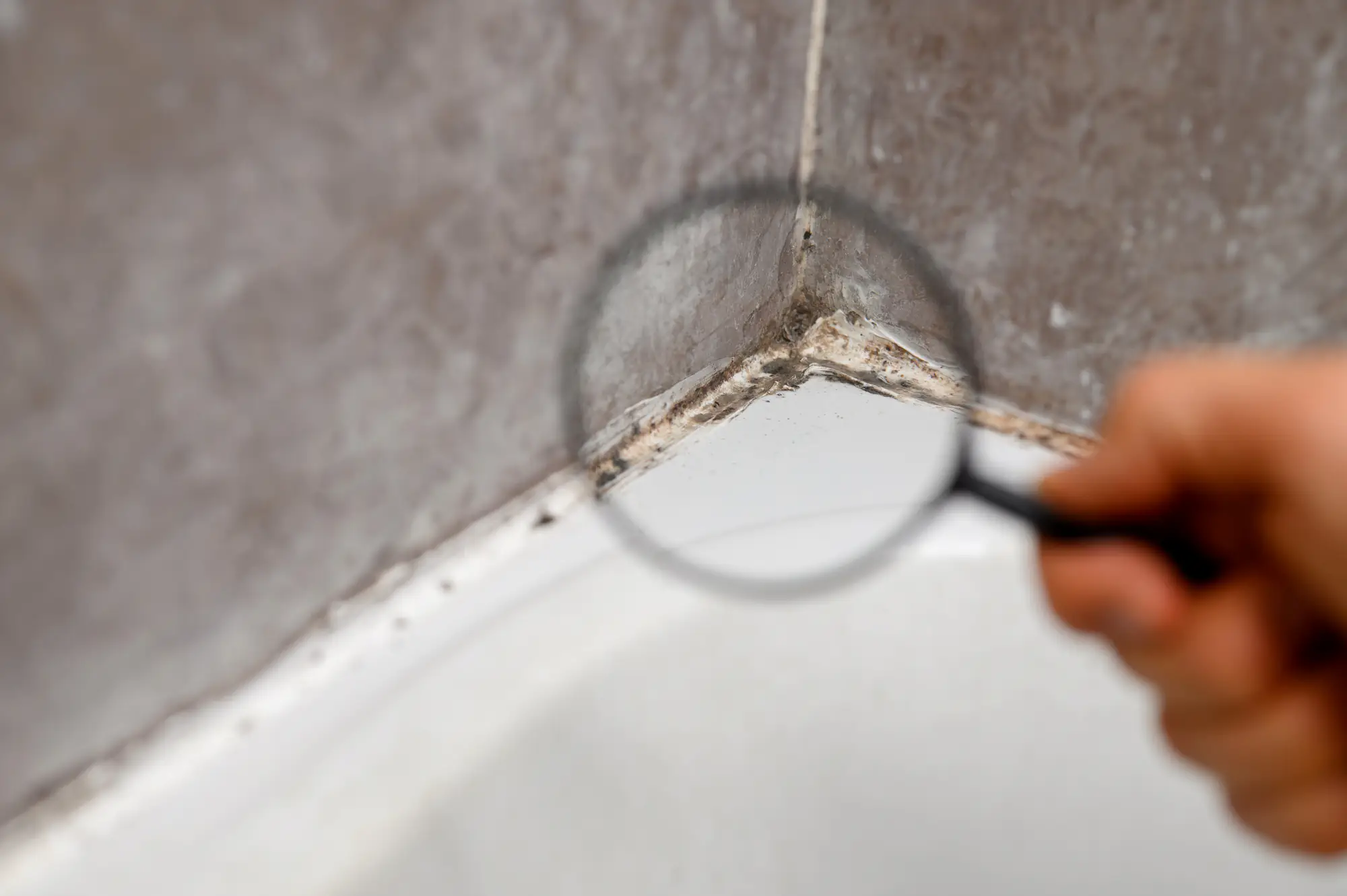
Mold has a texture and smell that dirt doesn’t. It’s usually fuzzy, slimy, or powdery, and it comes in colors like black, green, white, or orange. If you see discoloration that’s spreading, especially in damp areas like basements, bathrooms, or around windows, that’s a red flag.
The smell is another giveaway. Mold smells musty, earthy, or like wet socks. If you notice that odor but don’t see visible growth, there’s a good chance mold is hiding somewhere—behind drywall, under carpet, or in your HVAC system.
If you’re not sure, don’t guess. We offer free inspections in Wheat Sheaf and can tell you in one visit whether you’re dealing with mold, mildew, or just a stain that needs cleaning.
Bleach kills surface mold on non-porous materials like tile or glass, but it doesn’t penetrate porous surfaces like drywall or wood. That means the roots stay behind and the mold grows back. Bleach also releases fumes that aren’t great to breathe in enclosed spaces.
Vinegar works a little better on porous surfaces, but it still doesn’t solve the bigger issue: why the mold is there in the first place. If you’re wiping down a small patch on a shower tile, fine. If it’s spreading across a wall or ceiling, you’re dealing with a moisture problem that cleaning won’t fix.
DIY mold removal also risks spreading spores. Scrubbing or disturbing mold without containment sends spores into the air, where they land in other parts of your home and start new colonies. A mold specialist uses containment barriers, air scrubbers, and proper removal techniques to prevent that.
It depends on the size of the affected area, the type of mold, and how much material needs to be removed. A small bathroom mold issue might run a few hundred dollars. A full basement remediation with structural damage could be several thousand.
Most mold removal companies charge based on square footage, the extent of contamination, and labor. If drywall or insulation has to come out, that adds to the cost. If air quality testing or post-remediation verification is needed, that’s usually separate.
We give you a clear estimate after the inspection—no surprises, no hidden fees. And if your mold problem is related to a covered event like a burst pipe, your homeowner’s insurance might cover part or all of the remediation. We can work with your insurance company to help with the claim process.
A small, contained mold issue can be handled in a day or two. Larger jobs—especially ones involving structural damage, multiple rooms, or extensive contamination—can take a week or more.
The timeline depends on the scope of work. Inspection and testing happen first, usually within a day. Containment and removal come next, and that’s where the bulk of the time goes. If materials like drywall need to be removed and replaced, you’re adding reconstruction time on top of remediation.
We don’t rush the job just to get it done faster. Mold removal has to be thorough, or you’ll be dealing with the same problem in six months. We’d rather take the time to do it right than leave you with a half-finished job and a recurring issue.
Humidity and water intrusion are the main culprits. Bucks County gets humid summers, and a lot of Wheat Sheaf homes have basements that weren’t built with modern waterproofing. Add in older windows, poor ventilation, and the occasional heavy rain, and you’ve got the perfect recipe for mold.
Basements are the most common problem areas—especially if there’s a sump pump that’s not working, cracks in the foundation, or grading issues that push water toward the house. Attics are another hotspot, usually from roof leaks or bathroom exhaust fans that vent into the attic instead of outside.
Even something as simple as a slow drip under a sink or a leaky toilet seal can cause mold if it goes unnoticed long enough. The key is controlling moisture. No moisture, no mold.
Not if the moisture source is fixed. Mold needs water to grow. Remove the water, and mold can’t survive. That’s why professional mold removal includes identifying and addressing the root cause—not just cleaning up what’s visible.
If you remove mold but don’t fix the leaky pipe, improve ventilation, or address the drainage issue, yeah, it’s coming back. That’s not a failure of the removal process—it’s a failure to solve the underlying problem.
We’ll tell you exactly what’s causing the moisture and what needs to happen to prevent future growth. Sometimes it’s a simple fix like running a dehumidifier or resealing a window. Other times it’s a bigger project like regrading your yard or upgrading your sump pump. Either way, you’ll know what you’re dealing with before we leave.
Other Services we provide in Wheat Sheaf