
Hear from Our Customers
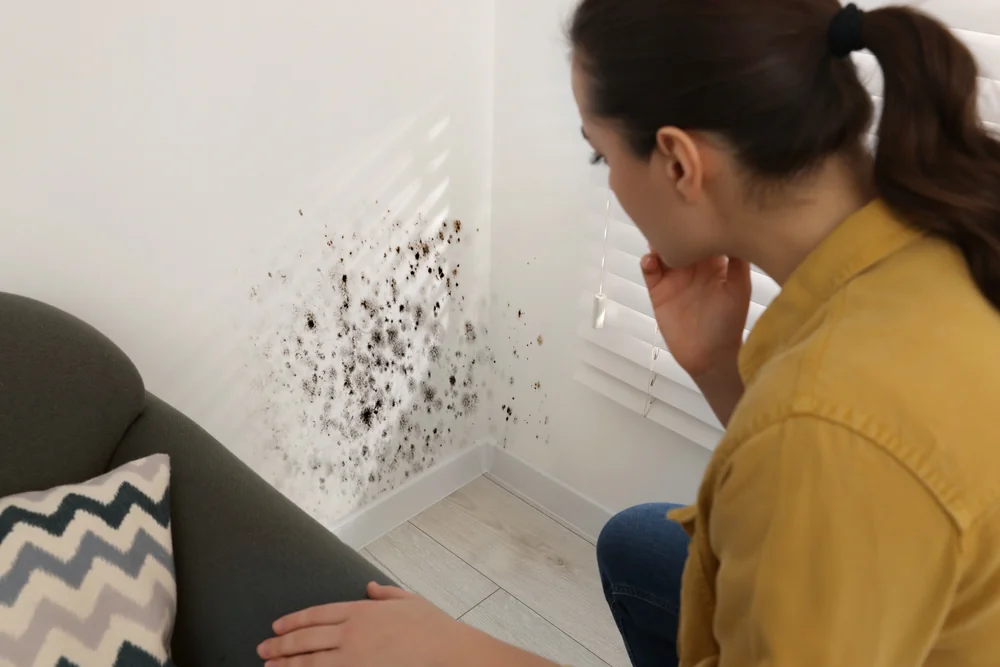
You’ve noticed the symptoms. Maybe it’s a persistent cough that won’t quit, headaches that seem worse at home, or allergies that flare up the moment you walk through your front door. You’ve tried opening windows, changing filters, even buying an air purifier. Nothing’s really working.
Here’s what changes after a proper indoor air quality test. You’ll know exactly what’s in your air and where it’s coming from. No more wondering if that musty smell in the basement is actually dangerous or if your kids’ constant sniffling is just seasonal allergies.
The testing process identifies mold spores, allergens, and other pollutants you can’t see. You get a detailed report that shows contamination levels and pinpoints problem areas. More importantly, you get a clear plan for fixing it—not just masking symptoms with another store-bought solution that doesn’t address the real issue.
When your air is actually clean, you’ll notice. Fewer sick days. Better sleep. Less money spent on allergy medication. Your home stops feeling like the place that makes you feel worse.
We’ve been testing air quality in West Rockhill and throughout Bucks County for years. We understand the specific challenges your home faces—the humidity that rolls in from nearby waterways, the temperature swings that create condensation in older homes, the unique construction of historic properties in this area.
Our certified technicians use EPA-compliant methods and advanced equipment like moisture meters and infrared cameras. We’re not a national franchise following a script. We’re local professionals who’ve seen what happens in basements during Bucks County summers and what grows behind the walls of century-old homes near Sellersville.
You’re not getting a salesperson. You’re getting someone who actually knows how to find hidden mold and measure air quality accurately—and who’ll explain what the results mean in plain language.

First, we walk through your home with you. You point out areas of concern—that bedroom where someone always wakes up congested, the bathroom that never quite dries out, the basement corner that smells off. We listen because you know your home better than anyone.
Then we start testing. We collect air samples from multiple rooms using specialized equipment that captures what’s actually floating around. We check surfaces in areas where mold typically hides—under sinks, behind appliances, in HVAC systems. We use moisture meters to find dampness you can’t see and infrared cameras to spot temperature differences that indicate hidden water problems.
The samples go to a certified lab for analysis. Within a few days, you get a detailed report showing exactly what types of mold or pollutants are present and at what levels. We sit down with you and explain what it all means—no confusing jargon, just straight talk about what’s safe, what’s concerning, and what needs to happen next.
If remediation is needed, we map out a plan. If your air quality is fine, we tell you that too. Either way, you’ll know for certain instead of lying awake wondering if your home is making your family sick.
Ready to get started?
A home air quality test from us includes comprehensive air sampling from multiple locations in your house. We’re not just checking one room and calling it done. We test the areas where you spend the most time and the spaces most likely to harbor problems.
You also get surface testing in suspected problem areas. That means we’re swabbing and analyzing surfaces where mold might be growing—even if you can’t see it yet. In West Rockhill’s older homes, this often reveals issues behind walls or under flooring that wouldn’t show up in air samples alone.
The moisture inspection is critical. We use professional-grade meters to measure humidity levels and find hidden water intrusion. Many Bucks County homes deal with foundation seepage or roof leaks that create perfect conditions for mold growth. Finding the moisture source is just as important as finding the mold itself.
Your detailed lab report breaks down exactly what species of mold are present and whether levels are elevated compared to outdoor air. We include a consultation to review findings and recommend next steps. If your home needs remediation, you’ll know exactly what’s involved and why. If it just needs better ventilation or a dehumidifier, we’ll tell you that instead of trying to sell you services you don’t need.
You need testing if you’re experiencing unexplained health symptoms that improve when you leave your house. That includes persistent coughing, wheezing, headaches, fatigue, or allergy symptoms that won’t quit. If multiple people in your home are dealing with respiratory issues or if someone with asthma is having more frequent attacks, your indoor air quality deserves a closer look.
You also need testing if you can see or smell mold, even if it seems minor. Visible mold is often just the tip of the problem—there’s usually more growing where you can’t see it. The same goes for musty odors that don’t go away after cleaning.
Water damage is another red flag. If you’ve had any flooding, leaks, or moisture problems—even if they were fixed—mold can develop within 24 to 48 hours and continue growing behind walls or under floors. Testing confirms whether remediation is needed or if you caught it in time.
DIY mold test kits from hardware stores can tell you if mold is present, but they can’t tell you what type, how much, or whether it’s actually dangerous. They also can’t identify the source of contamination or measure air quality comprehensively. You’re basically getting a yes/no answer without any context about what to do next.
Professional air quality testing uses calibrated equipment and certified lab analysis. We collect samples using methods that meet EPA standards, which means the results are accurate and legally defensible if you need them for insurance claims or real estate transactions. The lab identifies specific mold species—some are relatively harmless, others can cause serious health problems.
More importantly, professional testing includes a thorough inspection to find the moisture source feeding mold growth. Without fixing the underlying cause, you’re just treating symptoms. We also test multiple locations and use tools like infrared cameras to find hidden problems a DIY kit would completely miss. You’re paying for expertise and equipment that actually solves the problem instead of just confirming you have one.
The onsite testing usually takes one to three hours depending on your home’s size and how many areas we’re sampling. We’re thorough but efficient—we’re not going to disrupt your entire day. You can be present during testing or leave us to work. Most homeowners prefer to stick around so they can point out specific concerns and ask questions.
Lab analysis typically takes three to five business days. We use certified labs that specialize in mold and air quality testing, and they need time to properly culture samples and identify species. Rushing this process leads to inaccurate results, which defeats the purpose of testing in the first place.
Once results are back, we schedule a consultation to review findings with you. This usually happens within a week of your initial testing appointment. We’ll walk through the report, explain what everything means, and discuss your options. If immediate action is needed due to dangerous mold levels, we’ll let you know right away—we’re not going to make you wait a week if your family’s health is at risk.
Standard air quality testing is completely non-invasive. We collect air samples using equipment that doesn’t require cutting into walls or removing materials. Surface testing involves swabbing areas with suspected mold growth, which also doesn’t cause any damage. You won’t have holes to patch or repairs to make after we leave.
In some cases, we might recommend invasive testing if we suspect hidden mold behind walls or under flooring. This would involve creating small access points to sample areas we can’t otherwise reach. We always discuss this with you first and get your approval before doing anything that affects your property. Often, infrared cameras and moisture meters can detect problems without invasive testing.
If we do need to create access points, they’re small and strategically placed—usually in areas that are easy to repair like closets or utility spaces. We’re not tearing apart your home. The goal is to get accurate information with minimal disruption. Any invasive testing is only done when absolutely necessary to identify the full extent of contamination or find a hidden moisture source.
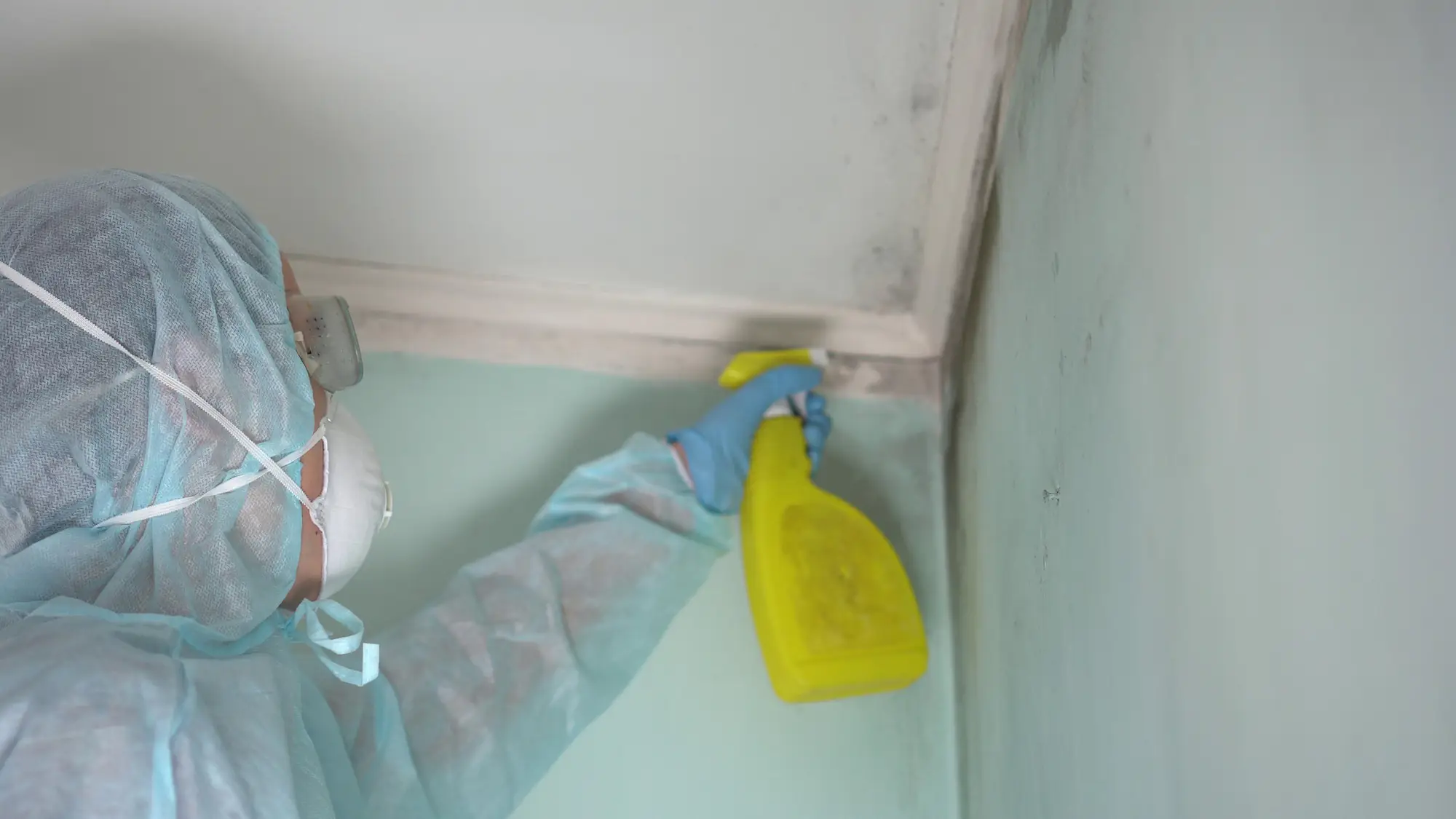
First, we determine what type of mold is present and how extensive the contamination is. Not all mold requires professional remediation. Small surface areas (less than 10 square feet) of common mold types can sometimes be cleaned by homeowners following proper procedures. We’ll give you honest guidance about what you can handle yourself versus what needs professional treatment.
If professional remediation is necessary, we provide a detailed plan that outlines the scope of work, timeline, and cost. This includes containment procedures to prevent mold from spreading during removal, safe removal of contaminated materials, treatment of affected areas, and verification testing after remediation is complete. Everything follows EPA guidelines for safe mold removal.
We also identify and address the moisture source causing mold growth. This might mean fixing leaks, improving ventilation, or addressing drainage issues around your foundation. Removing mold without fixing the underlying moisture problem means it’ll just come back. You get a complete solution, not a temporary fix. Once remediation is done, we conduct post-remediation testing to confirm your air quality is back to safe levels.
Testing costs vary based on your home’s size and how many samples are needed for accurate results. A basic residential air quality test for an average-sized home typically ranges from a few hundred dollars to around $800. Larger homes or properties with multiple suspected problem areas cost more because they require additional samples and more extensive inspection time.
The investment makes sense when you consider what you’re getting. Professional testing prevents you from spending money on remediation you don’t need or missing contamination that continues making your family sick. It also provides documentation for insurance claims if water damage or mold is covered under your policy. Many homeowners find that testing actually saves money by identifying specific problems instead of guessing and treating the wrong areas.
We offer free consultations to assess your situation and provide accurate pricing before any work begins. We’ll never pressure you into testing you don’t need. If your concerns can be addressed with simple fixes like better ventilation or a dehumidifier, we’ll tell you that upfront. When you do need testing, you’ll know exactly what it costs and what you’re getting for that investment.
Other Services we provide in West Rockhill