
Hear from Our Customers
You can’t see most air quality problems until someone gets sick. Persistent allergies, unexplained respiratory issues, musty odors that won’t go away—these aren’t things you should have to live with in your own home.
A home air quality test identifies what’s actually in your air. Mold spores, volatile organic compounds, particulate matter, allergens—the stuff that makes people sick over time. The EPA found that indoor air can be up to five times more polluted than outdoor air, and Bucks County already struggles with poor outdoor air quality ratings.
Testing gives you data. You’ll know if there’s a mold problem growing behind walls, if your HVAC system is circulating contaminants, or if moisture issues are creating conditions for biological growth. Once you know what you’re dealing with, you can fix it before it affects your family’s health or your property value.
We’ve been serving Bucks County homeowners for years with professional air quality testing and mold remediation. Our team holds IICRC certifications and uses the same advanced detection equipment—moisture meters, thermal imaging cameras, air sampling tools—that larger restoration companies use.
We’re local to Weisel, PA, which means we understand the specific air quality challenges in this area. Bucks County’s humidity levels, older housing stock, and regional pollution issues create conditions where mold and indoor air quality problems develop faster than in drier climates.
You’ll get detailed reports, clear explanations of what we found, and honest recommendations about what needs to happen next. No upselling. No scare tactics. Just straightforward information so you can make informed decisions about your home.
We start with a visual inspection of your property. We’re looking for visible mold growth, water damage, condensation issues, and areas where moisture could be trapped. Basements, crawl spaces, attics, bathrooms—anywhere that stays damp.
Then we use moisture meters and thermal imaging to find hidden problems. Mold grows where you can’t see it: inside walls, under flooring, above ceiling tiles. Thermal imaging shows us temperature differences that indicate moisture intrusion or poor ventilation.
Air sampling comes next. We collect samples from multiple areas of your home and send them to a certified lab for analysis. The lab identifies what types of mold spores are present, their concentration levels, and whether you’re dealing with toxic varieties like black mold.
You’ll receive a detailed report within a few days. It breaks down exactly what we found, where the problems are, and what levels of contamination exist. If remediation is needed, we’ll explain the scope of work and give you a clear estimate. If your air quality is fine, we’ll tell you that too.
Ready to get started?
A professional air quality test from us includes comprehensive air sampling, surface testing where needed, moisture mapping, and thermal imaging inspection. You’re not just getting a basic mold test—you’re getting a full assessment of your indoor environment.
We test for mold spores, but we’re also looking at the conditions that allow mold to grow. High humidity, poor ventilation, water intrusion, condensation problems. Fixing mold without addressing the moisture source means it’ll come back.
In Weisel, PA and surrounding Bucks County areas, we see patterns. Older homes with stone foundations, properties near the Delaware River, houses with finished basements that weren’t properly waterproofed. These homes face higher risks for moisture and mold issues, especially during humid summer months or after heavy rain.
Your report includes lab results, photos of problem areas, moisture readings, and specific recommendations. If you need remediation, we handle that too—but you’re never obligated to use our services. The testing stands on its own. You’ll have the information you need whether you hire us for remediation or handle it yourself.
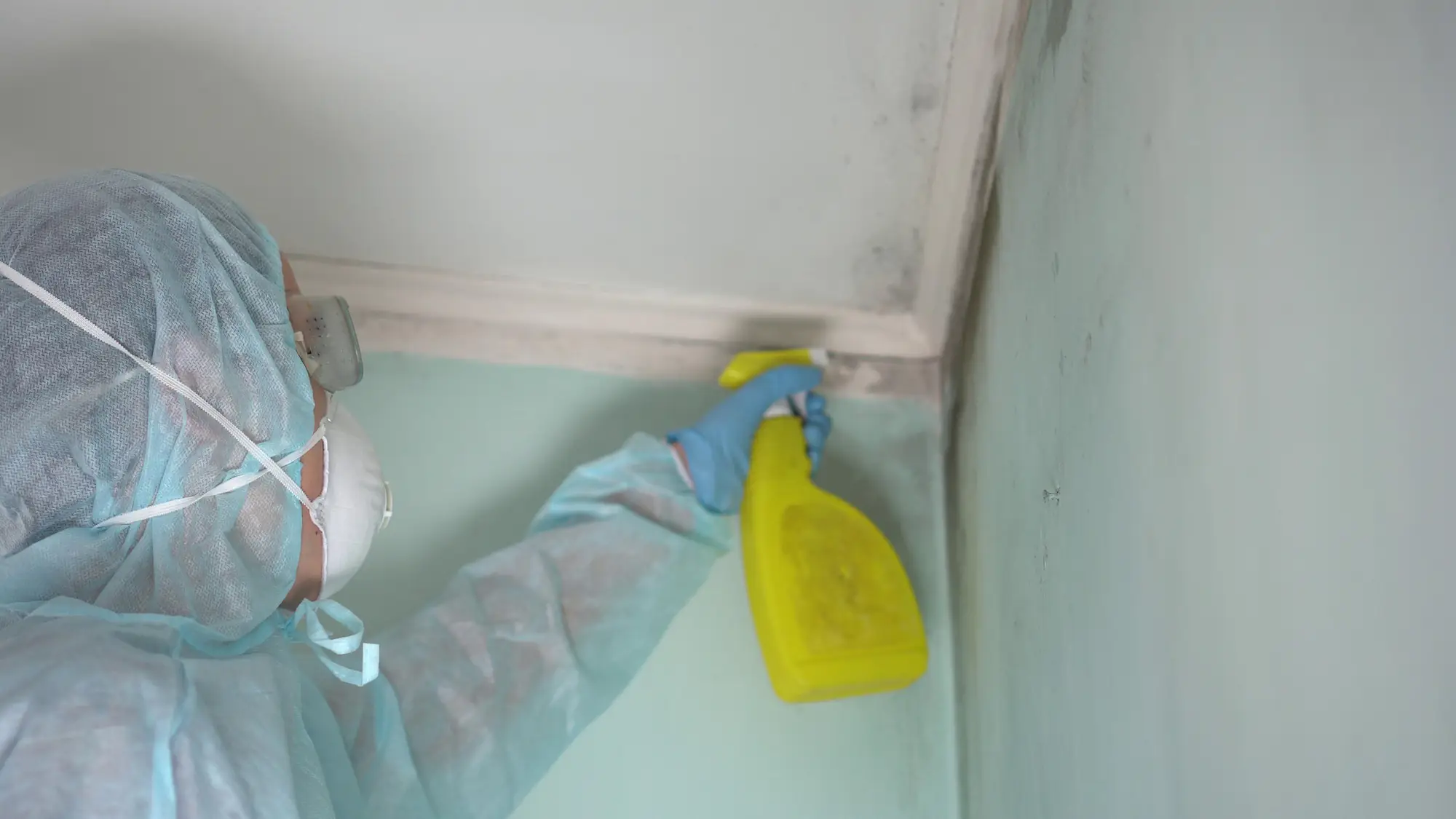
You need testing if anyone in your home has unexplained respiratory symptoms, allergies that won’t go away, or frequent sinus infections. These are often the first signs of poor indoor air quality or mold exposure.
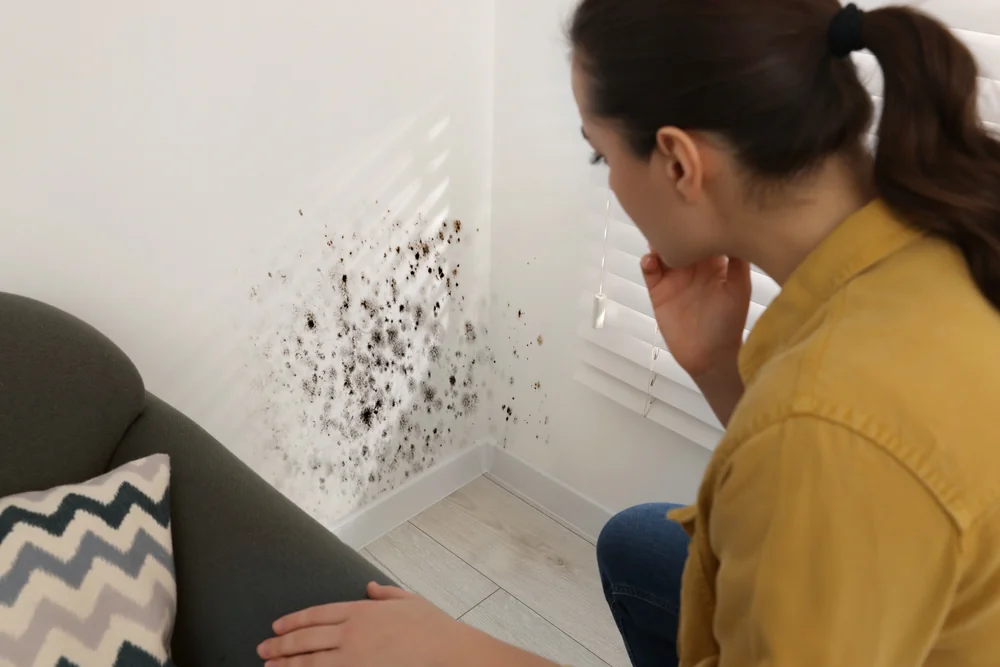
Visible signs matter too. Musty odors, water stains, condensation on windows, peeling paint, or discoloration on walls and ceilings all indicate moisture problems. Mold doesn’t always show itself, but these conditions create the environment where it thrives.
Recent water damage is another clear trigger. Even if you cleaned up after a leak or flood, moisture can remain trapped in building materials. The EPA notes that mold can start growing within 24 to 48 hours of water exposure. If you’ve had any water intrusion in the past few months, testing confirms whether mold developed as a result.
A mold inspection is visual. We examine your property for signs of mold growth, water damage, and moisture issues. It’s useful for identifying obvious problems and determining where to focus testing efforts.
Air quality testing involves collecting actual samples. We take air samples from different rooms and sometimes surface samples from suspected mold growth. These samples go to a certified laboratory that identifies the types and concentrations of mold spores present.
Most comprehensive assessments include both. The inspection tells us where to look, and the testing tells us exactly what’s there. You get lab-verified data instead of just visual observations. That data is critical if you’re dealing with insurance claims, real estate transactions, or health concerns that require documentation.
The on-site testing usually takes one to two hours depending on your home’s size and the number of areas we’re sampling. We’re thorough but efficient—we’re not going to disrupt your entire day.
Lab results typically come back within three to five business days. Certified labs need time to properly culture and analyze samples to identify mold species and concentration levels accurately.
You’ll receive a detailed written report that breaks down what was found in each area tested. We’ll walk you through the results, explain what the numbers mean, and answer any questions. If remediation is recommended, we’ll discuss the scope and timeline. If your air quality is acceptable, we’ll tell you that and explain what monitoring or prevention steps make sense going forward.
Yes. Lab analysis identifies specific mold species, including Stachybotrys chartarum—the technical name for what people call black mold. The lab report will show exactly which types of mold are present and at what concentration levels.
Black mold gets attention because it produces mycotoxins that can cause serious health problems. But other mold types can be just as problematic depending on concentration and individual sensitivity. Aspergillus, Penicillium, Cladosporium—these are all common indoor molds that affect respiratory health.
What matters most isn’t just the type of mold, but the levels present and where it’s growing. A small amount of mold spores is normal in any indoor environment. High concentrations or active growth inside your living spaces—that’s when you have a problem that needs professional remediation.
Professional air quality testing typically ranges from a few hundred dollars for basic sampling to more for comprehensive assessments with multiple sample locations. The exact cost depends on your home’s size, how many areas need testing, and what types of analysis the lab performs.
We offer free initial inspections. We’ll assess your situation, explain what testing makes sense for your specific concerns, and provide clear pricing before any work begins. You’ll know the cost upfront—no surprises.
Testing is an investment in information. If you’re buying or selling a home in Weisel, PA, air quality testing protects that investment. If your family is experiencing health symptoms, testing identifies the cause so you can fix it. If you’ve had water damage, testing confirms whether mold developed. The cost of testing is minimal compared to the cost of ignoring a mold problem until it requires major remediation or affects your family’s health.
Store-bought test kits exist, but they’re not reliable for making important decisions about your home. Most DIY kits only tell you that mold spores are present—which is true in virtually every indoor environment. They don’t tell you what types of mold, at what concentrations, or whether levels are abnormal.
Professional testing uses calibrated equipment and certified laboratories. We collect samples using proper techniques that prevent contamination, and labs analyze them using standardized methods. You get accurate species identification and concentration data that actually means something.
If you’re dealing with health symptoms, planning remediation work, filing an insurance claim, or buying a home, you need professional testing. The data has to be defensible and accurate. DIY kits might save you money upfront, but they won’t give you the information you need to make informed decisions about your property and your family’s health.
Other Services we provide in Weisel