
Hear from Our Customers
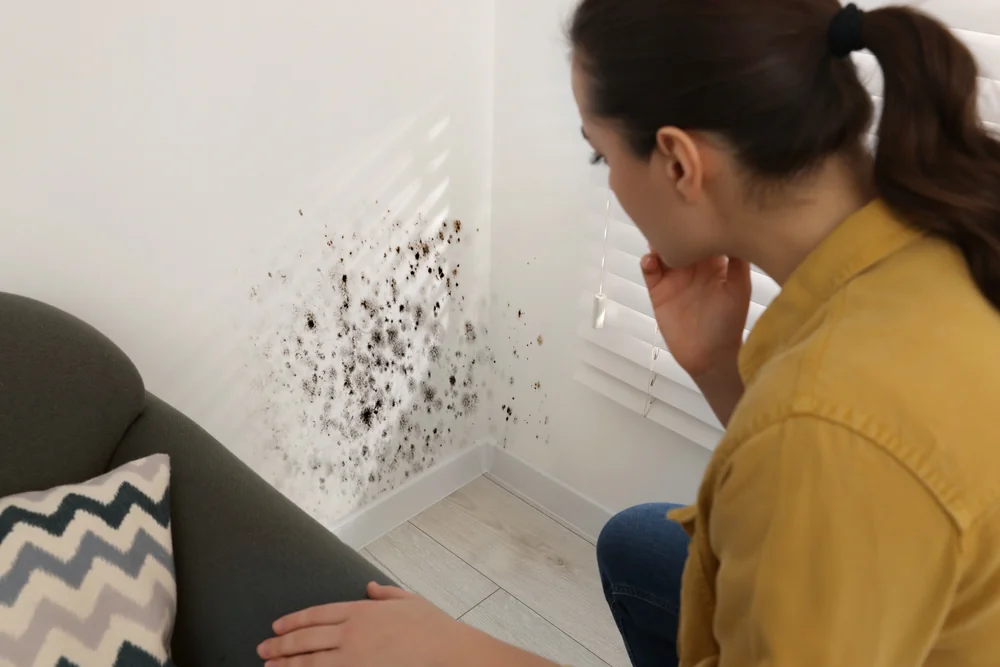
You can’t see mold spores. You can’t see dust mite waste or pet dander floating through your vents. But you can feel the effects—the scratchy throat, the headaches that won’t quit, the asthma that’s gotten worse since you moved in.
A home air quality test gives you the full picture. We’re not guessing based on a visual walk-through. We’re testing the air itself, checking moisture levels behind walls, and identifying exactly which contaminants are present and where they’re coming from.
That means you know whether you’re dealing with a mold problem, an allergen issue, or something else entirely. And more importantly, you know what to do about it. No more wondering if that musty smell is dangerous. No more treating symptoms without understanding the cause.
This is especially important in Vermilion Hill, where most homes were built in the 1950s using construction methods that weren’t designed with modern ventilation in mind. Older homes trap moisture differently. They settle and crack in ways that create hidden pathways for water and mold. A professional air quality test catches these issues before they turn into expensive problems.
We specialize in residential air quality testing throughout Bucks County. We understand the specific challenges that come with Vermilion Hill’s housing stock—those classic Levitt-built homes with brick basements, shared walls, and aging ventilation systems that weren’t built for today’s air quality standards.
We’re not a national franchise reading from a script. We’re local professionals who’ve seen what happens when moisture gets trapped in a 70-year-old foundation, or when a slow roof leak goes unnoticed for months. We know what to look for because we’ve been doing this work in your neighborhood for years.
Our testing process follows EPA-approved methods. Our technicians are certified. And our equipment is the same technology used by industrial hygienists—moisture meters, infrared cameras, and air sampling tools that give you lab-verified results, not rough estimates.

We start with a visual inspection of your entire property. That includes the obvious spots—bathrooms, basements, attics—but also the hidden areas where problems actually start. We’re checking wall cavities, crawl spaces, behind appliances, and anywhere moisture could be accumulating without you knowing.
Next, we use moisture meters and infrared cameras to identify areas with elevated humidity or temperature differences that signal hidden water intrusion. This is critical in older homes where leaks can go undetected for months.
Then we collect air samples from multiple locations throughout your home. These samples get sent to a certified lab that identifies the specific types and concentrations of mold spores, allergens, and other airborne contaminants. You’re not getting a yes-or-no answer. You’re getting data that shows exactly what’s in your air and whether it’s at levels that pose a health risk.
Once we have your lab results—usually within a few days—we walk you through what we found. If there’s a problem, we explain what’s causing it, how serious it is, and what your options are for fixing it. If your air quality is fine, you get peace of mind and documentation you can keep for your records.

Ready to get started?
Our residential air quality testing includes a full property assessment, not just a quick air sample. We’re looking at ventilation, moisture sources, visible mold growth, and any conditions that could be affecting your indoor air quality.
You’ll receive a detailed report that breaks down what we found in plain language. That includes lab results showing specific mold types and spore counts, moisture readings from key areas of your home, and our professional assessment of what’s causing any issues we identified.
This matters in Vermilion Hill because your home’s age and construction style create specific vulnerabilities. Brick basements are common here, and they’re notorious for moisture problems. Many homes still have original windows and limited insulation, which means condensation builds up in places you’d never think to check. Our testing accounts for these local factors.
If we find elevated mold levels or other contaminants, we’ll explain your next steps. Sometimes that means a full remediation. Other times it’s a simple fix like improving ventilation or addressing a minor leak. Either way, you’re making decisions based on real data, not fear or sales pressure.
We also help with insurance documentation if you need it. Many homeowners don’t realize their policy covers mold testing and remediation under certain conditions. We’ll provide the paperwork your insurance company needs to process a claim.
Most residential air quality testing in Vermilion Hill runs between $300 and $600, depending on the size of your home and how many air samples you need. A basic test for a smaller home with one or two sample locations will be on the lower end. Larger homes or properties where we’re testing multiple rooms and hidden areas will cost more.
We offer free initial inspections, which means we’ll come out, assess your situation, and give you an upfront price before any testing happens. No surprises, no pressure. Some companies charge separately for the inspection, the testing, and the lab analysis. We bundle it all together so you know exactly what you’re paying.
If your insurance covers mold testing—and many policies do if you’ve had water damage or documented health symptoms—we’ll help you file the claim. That can significantly reduce or eliminate your out-of-pocket cost.
A mold air test specifically measures mold spore types and concentrations in your indoor air. It’s focused on identifying whether you have a mold problem and, if so, what kind of mold and how severe it is.
A full indoor air quality test is more comprehensive. It looks at mold, but also tests for other common contaminants like dust mites, pet dander, pollen, volatile organic compounds (VOCs), and other allergens or pollutants that could be affecting your health. It gives you a complete picture of what you’re breathing.
If you’re dealing with unexplained respiratory symptoms, allergies, or a musty odor, a full air quality test is usually the better choice. It costs a bit more, but you’re not leaving anything to guesswork. If you already know you have visible mold or recent water damage, a targeted mold air test might be all you need. We’ll recommend the right option based on what’s actually happening in your home.
The actual testing appointment usually takes one to two hours, depending on the size of your home and how many areas we’re sampling. We’re not rushing through it. We’re doing a thorough inspection, taking moisture readings, collecting air samples, and documenting everything we find.
Once we collect the samples, they go to a certified lab for analysis. Lab results typically come back within three to five business days. Some labs offer expedited testing for an additional fee if you need answers faster.
After we receive your results, we’ll schedule a follow-up call or meeting to walk you through what the lab found. We’ll explain what the numbers mean, whether any contaminant levels are concerning, and what your options are if action is needed. You’ll also get a written report you can keep for your records or share with your doctor, insurance company, or a future home buyer if you’re selling.
Air sampling can detect mold spores that are circulating through your home, even if the source is hidden behind walls, under flooring, or in other concealed areas. If mold is actively releasing spores into the air, our test will pick it up.
However, not all mold releases spores constantly. Sometimes mold is growing in a wall cavity but isn’t affecting your air quality yet—maybe because it’s contained, or because the conditions aren’t right for spore release. That’s why we also use moisture meters and infrared cameras during our inspection. These tools help us identify areas with elevated moisture or temperature differences that suggest hidden water damage or mold growth, even if it’s not showing up in the air samples.
If we find high moisture levels or thermal patterns that indicate a problem, we’ll recommend further investigation. That might mean cutting a small inspection hole to visually confirm what’s happening behind the wall. It’s a more invasive step, but it’s the only way to know for sure. We’ll always explain your options and let you decide how to proceed.
No, you don’t need to leave during the testing process. Air quality testing is non-invasive and doesn’t involve any chemicals, heavy equipment, or disruptive work. We’re collecting air samples, taking moisture readings, and inspecting your property—nothing that would require you to vacate.
That said, we do ask that you keep windows and doors closed for at least a few hours before we arrive. This gives us the most accurate reading of your typical indoor air quality without outside air diluting the sample. If you have HVAC systems running, that’s fine—we want to test the air as it normally circulates through your home.
If you have pets, just let us know. We’ll work around them, and it’s helpful for us to know if pet dander might be a contributing factor to any air quality issues. Same goes for recent cleaning, painting, or other activities that could temporarily affect air quality. The more context we have, the more accurate our assessment will be.
First, don’t panic. High mold spore counts are common in older homes, especially in humid areas like Bucks County. Finding elevated levels doesn’t automatically mean you need to gut your house. It means you need to address the source of moisture that’s allowing mold to grow.
We’ll walk you through exactly what the lab results mean—which types of mold were found, whether they’re considered hazardous, and how the levels in your home compare to outdoor air and industry standards. Some mold is everywhere, indoors and out. The question is whether your indoor levels are significantly higher than they should be.
If remediation is needed, we’ll explain what that involves. Sometimes it’s straightforward—fixing a leak, improving ventilation, and cleaning affected areas. Other times it requires more extensive work, like removing contaminated drywall or addressing a foundation moisture problem. We’ll give you a clear scope of work and upfront pricing so you can make an informed decision.
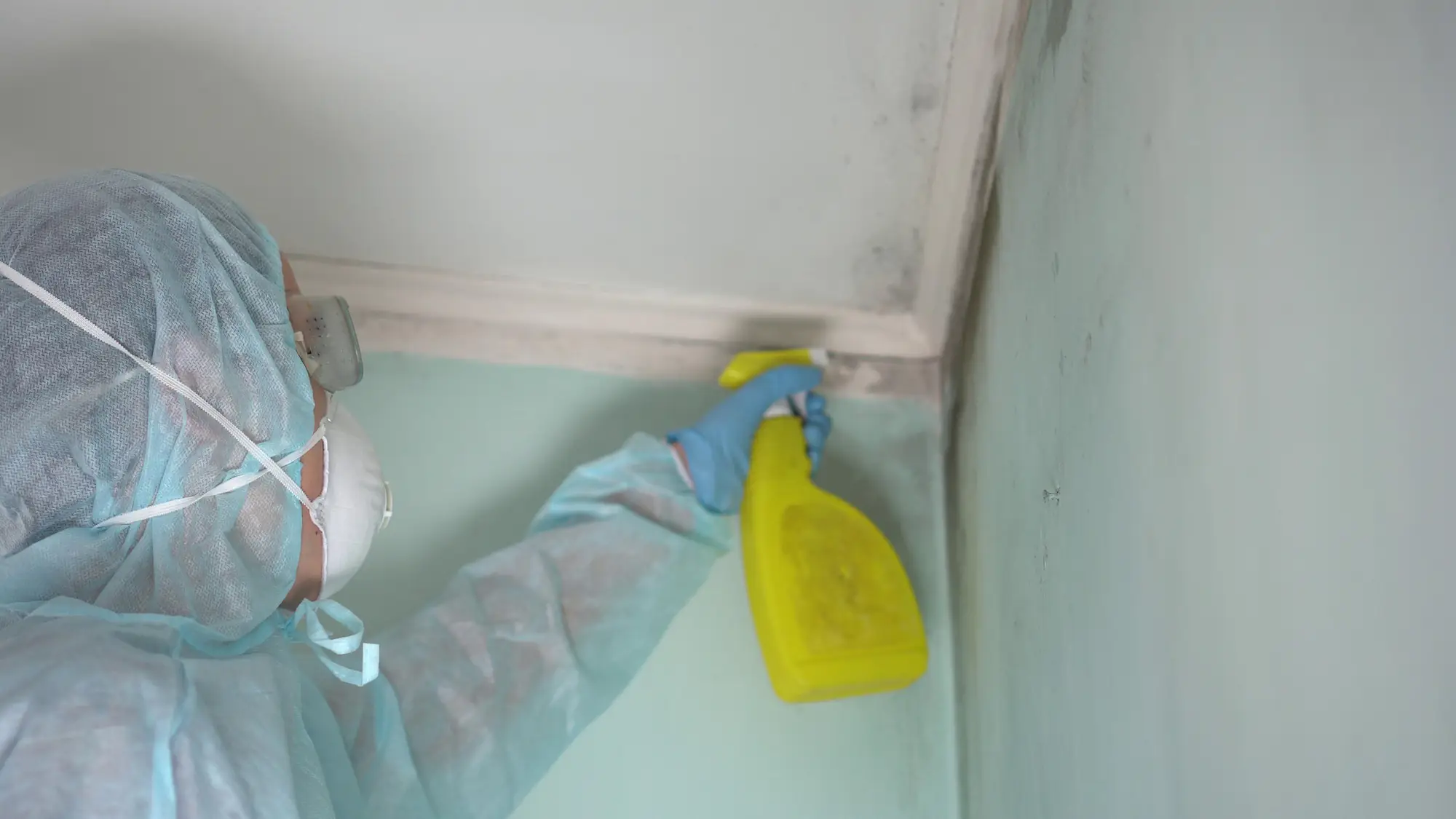
We handle the remediation ourselves using EPA-approved methods, which means you’re not coordinating between a testing company and a separate remediation company. We find the problem, we fix it, and we verify the air quality afterward to make sure it’s actually resolved.
Other Services we provide in Vermilion Hill