
Hear from Our Customers
You spend roughly 90% of your time indoors. If something’s off with your home’s air, you’re breathing it constantly.
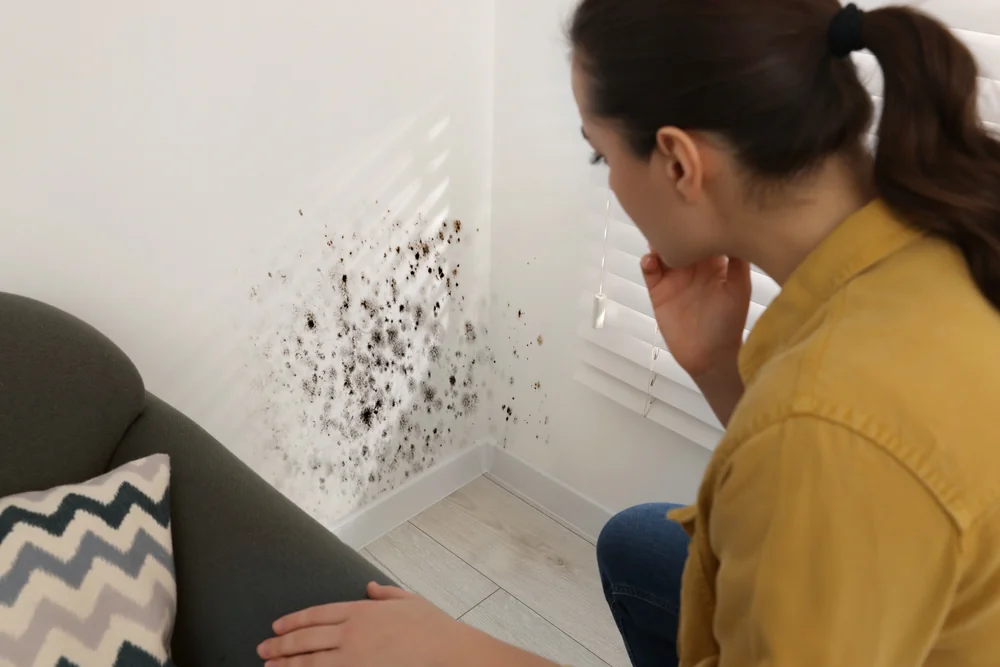
That musty smell in the basement. The allergies that won’t quit even when pollen counts are low. The headaches that seem to disappear when you leave the house. These aren’t random—they’re signals that your indoor air quality needs attention.
A home air quality test gives you actual data. Not guesses. We use moisture meters, infrared cameras, and air sampling equipment to detect what’s hiding in your walls, crawl spaces, and ductwork. Mold spores, dust mites, volatile organic compounds—the stuff you can’t see but definitely feel.
Once you know what’s there, you can fix it. You’re not wondering anymore if that cough is serious or if you’re imagining the problem. You have a report that explains what we found, where it’s coming from, and what it means for your family’s health. Then you can make informed decisions about remediation, ventilation improvements, or moisture control.
The outcome isn’t just cleaner air. It’s confidence that your home isn’t making you sick.
We’ve been serving Tullytown and Bucks County for over 25 years. We’re local, certified, and we’ve seen what Pennsylvania’s humid summers and old housing stock do to indoor air quality.
Tullytown sits near the Delaware River with plenty of older homes built before modern moisture control standards existed. That means basements that sweat, crawl spaces that trap humidity, and attics that don’t breathe right. We know these houses because we work in them every week.
Our team uses professional-grade equipment—not hardware store moisture meters. We’re talking thermal imaging cameras that spot hidden water damage, air scrubbers that pull samples for lab analysis, and surface testing that confirms whether that dark spot is actually mold. We explain everything in plain language, give you a detailed report, and help you understand what needs to happen next.

First, we walk through your home and ask questions. When did you first notice the smell? Any recent water damage? Problems with humidity or condensation? This helps us know where to focus.
Then we start testing. We use infrared cameras to find temperature differences that indicate moisture problems behind walls or ceilings. Moisture meters give us exact readings on wood, drywall, and concrete. If we suspect mold, we take air samples and surface samples that go to a lab for analysis.
Air sampling captures what’s floating around in your home—mold spores, allergens, particulates. Surface sampling tests specific areas where we see discoloration or suspect growth. Both methods give us hard data about what’s present and at what concentration.
After testing, you get a detailed report within a few days. It breaks down what we found, where the problems are, and what’s causing them. We explain the health implications and recommend specific solutions—whether that’s mold remediation, better ventilation, dehumidification, or waterproofing.
If remediation is needed, we handle that too. Then we come back 24-48 hours after cleanup for clearance testing to confirm the air quality is back to safe levels.
Ready to get started?
Your residential air quality testing includes a complete home assessment. We check ventilation systems, look for moisture intrusion points, inspect basements and attics, and identify areas where mold or pollutants are likely hiding.
We use thermal imaging to spot hidden water damage and moisture meters to measure exact humidity levels in building materials. Air sampling collects particles from multiple rooms to get a full picture of what you’re breathing. If we find visible mold or suspect growth, we take surface samples for lab confirmation.
In Tullytown, we pay special attention to older homes near Wickus Sippus Creek and properties with basements prone to groundwater seepage. Bucks County’s climate—especially those muggy summer months when the heat index climbs above 108°F—creates perfect conditions for mold growth. We know where to look because we’ve been doing this here for decades.
You’ll receive a written report that details our findings, lab results if applicable, photos of problem areas, and clear recommendations. We also work directly with insurance companies if your testing is related to a claim, and we provide the documentation they need.
The goal is simple: give you accurate information so you can make the right call for your home and your family’s health.
If you’re dealing with unexplained health symptoms that improve when you leave the house, that’s a red flag. Persistent coughing, headaches, fatigue, or allergy symptoms that don’t match outdoor pollen counts often point to indoor air quality problems.
Musty odors are another clear indicator, especially in basements, bathrooms, or areas that stay damp. Even if you don’t see visible mold, that smell means something’s growing somewhere. Mold doesn’t always produce noticeable odors though, so absence of smell doesn’t mean absence of mold.
Recent water damage—from flooding, pipe leaks, or roof leaks—is a major reason to test. Even if you dried everything out, mold can start growing within 24-48 hours in hidden spaces like wall cavities or under flooring. If you’ve had any moisture intrusion in the past year, testing gives you peace of mind or catches problems before they get worse.
Buying or selling a home is another common reason. Buyers want to know what they’re getting into, and sellers want to address issues before they tank a deal. Studies show mold problems can drop home values by 20-37%, so it’s worth knowing where you stand.
A mold air test specifically looks for mold spores in your indoor air. We take samples from different rooms and send them to a lab that identifies the types of mold present and their concentration levels. This tells you if you have a mold problem and how severe it is.
A full indoor air quality test is broader. It checks for mold, but also tests for other pollutants—volatile organic compounds (VOCs) from cleaning products or building materials, particulate matter, allergens like dust mites and pet dander, and sometimes radon or carbon monoxide depending on your concerns.
Most homeowners in Tullytown start with mold testing because that’s the most common issue in our climate. If you’re dealing with musty smells, visible moisture problems, or health symptoms that suggest mold exposure, a mold air test is the right starting point.
If your symptoms don’t match typical mold exposure or you’re concerned about other contaminants—maybe you just renovated and are worried about VOCs, or you have unexplained respiratory issues—then a comprehensive air quality test makes more sense. We’ll talk through your specific situation during the initial inspection and recommend the testing approach that actually answers your questions.
The on-site inspection and testing usually takes two to three hours depending on your home’s size and the scope of testing. We’re not rushing through it—we need time to check all the areas where problems typically hide and collect proper samples.
During that visit, we’ll walk through your home, use thermal imaging and moisture meters to identify problem areas, take air samples from multiple locations, and collect surface samples if we spot potential mold growth. We’ll also document everything with photos and notes.
Lab results typically come back within three to five business days. The lab analyzes the samples to identify specific mold species, concentration levels, and whether what you’re dealing with is normal background levels or an actual contamination problem.
You’ll get a detailed written report that breaks down what we found in each area tested, explains what the lab results mean in plain language, identifies the likely sources of any problems, and outlines recommended next steps. We’ll also schedule a follow-up call to walk through the report and answer your questions.
If you need results faster—maybe you’re in the middle of a real estate transaction or dealing with a health emergency—we can request expedited lab processing for an additional fee. That can cut the turnaround time to 24-48 hours.
Most air quality testing is completely non-invasive. Air sampling just means we set up equipment that pulls air through a collection device—no cutting, no drilling, nothing that damages your home.
Surface sampling involves taking small swabs or tape lifts from areas where we see potential mold growth. Think of it like a cotton swab across a suspicious spot on your wall or ceiling. It doesn’t leave marks or cause damage.
Moisture testing with our meters requires touching the device to walls, floors, or ceilings to get readings, but it doesn’t penetrate or damage surfaces. Thermal imaging is completely contactless—we’re just using a special camera to see temperature variations that indicate moisture problems.
The only time we might need to do invasive testing is if we strongly suspect hidden mold inside a wall cavity or under flooring, and we need confirmation before recommending expensive remediation. In those cases, we’d discuss it with you first and get your approval before cutting a small inspection hole.
Even then, we’re talking about a small access point that can be easily patched and painted afterward. We’re not tearing apart your home. The goal is to get accurate information with minimal disruption to your property.
We offer free initial inspections where we assess your situation and recommend the appropriate testing approach. That visit doesn’t cost you anything, and it gives us both a chance to determine what’s actually needed.
If testing is recommended, costs vary based on the scope. A basic mold air test for a typical home—sampling two or three areas—usually runs a few hundred dollars including lab analysis. More comprehensive testing that covers multiple rooms, includes surface sampling, and tests for additional pollutants beyond mold will cost more.
Larger homes or properties with multiple problem areas require more samples and more lab work, which increases the cost. But we’ll give you a clear quote before we do any paid testing so there are no surprises.
Many homeowners find that testing is covered by insurance, especially if you’re dealing with water damage or filing a claim related to mold. We work directly with insurance companies and can help you navigate that process. We’ll provide all the documentation your carrier needs.
The real question isn’t what testing costs—it’s what not testing costs. If you have a mold problem that’s affecting your family’s health or quietly damaging your home’s structure, waiting makes it worse and more expensive to fix. Testing gives you the information you need to address problems before they escalate. And if testing shows your air quality is fine, that peace of mind is worth something too.
First, don’t panic. Finding mold is actually the good outcome—it means you’re not dealing with mystery symptoms anymore, and you can fix a known problem.
Once we confirm mold through testing, we’ll identify the source. Mold needs moisture to grow, so there’s always an underlying cause—a leak, condensation problem, poor ventilation, or water intrusion from outside. Fixing mold without fixing the moisture source is pointless because it’ll just come back.
We’ll give you a detailed remediation plan that addresses both the mold and the moisture problem. That might include removing contaminated materials, treating affected areas with EPA-approved antimicrobials, improving ventilation, installing dehumidifiers, or waterproofing your basement. The scope depends on how extensive the contamination is.
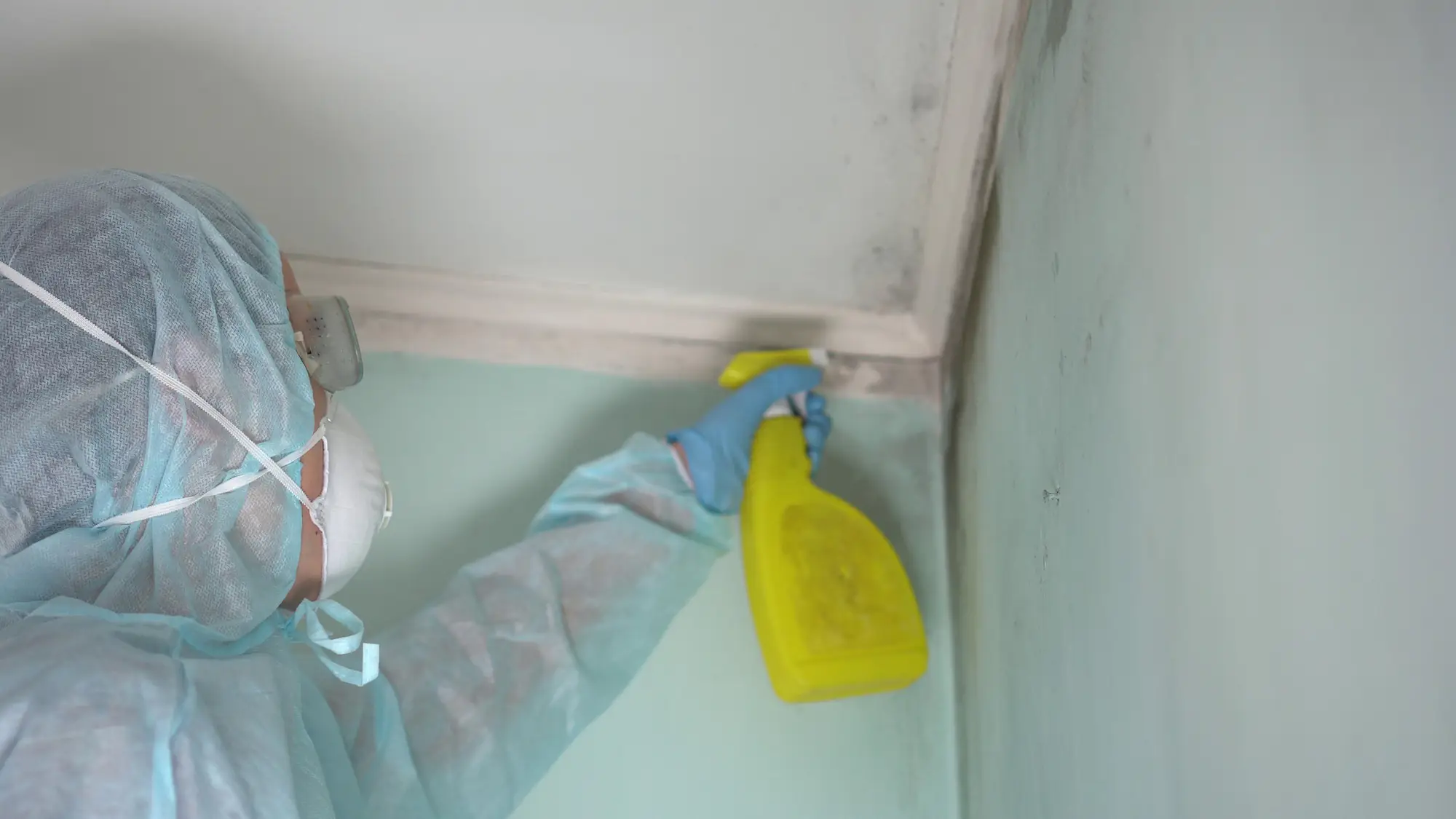
Our team handles the full remediation process using proper containment methods to prevent spores from spreading to clean areas of your home. We use air scrubbers with HEPA filters to clean the air during the work, and we follow EPA and industry protocols for safe mold removal.
After remediation is complete, we wait 24-48 hours and then conduct clearance testing. This confirms that mold levels are back to normal and the air quality is safe. You get documentation showing the job was done right, which satisfies insurance requirements and gives you proof if you’re selling your home.
The whole process—from initial testing through remediation to final clearance—is designed to get your home back to a healthy state and keep it that way.
Other Services we provide in Tullytown