
Hear from Our Customers
You spend most of your time inside your home. If something’s off with your air, you feel it—headaches that won’t quit, allergies that seem worse indoors, or that musty smell you can’t track down.
A home air quality test gives you actual data instead of guessing. You’ll know if mold spores are present, if humidity levels are creating problems, or if other contaminants are affecting your family’s health. That information matters when you’re trying to figure out why your kids’ asthma is acting up or why you feel fine at work but lousy at home.
Testing catches problems early, before they turn into expensive remediation projects. It also gives you peace of mind if everything checks out clean. Either way, you’re making decisions based on facts, not worry.
We serve homeowners throughout Bucks County, and we’ve been testing air quality in Taylorsville homes for years. We know the local conditions—the humidity patterns, the common basement issues, the way older homes in the area tend to trap moisture.
Our technicians are certified in mold remediation and indoor air quality assessment. We use EPA-approved testing methods and equipment that actually works. When we test your home, we’re looking at the full picture: visible signs, hidden problem areas, moisture levels, and air samples that get analyzed in a lab.
You get a thorough report that explains what we found in plain language. No jargon, no upselling, just clear information about your home’s air quality and what it means for your family.
We start with a free inspection of your property. A certified technician walks through your home, looking at areas where air quality issues typically show up—basements, crawl spaces, bathrooms, areas with past water damage, and anywhere you’ve noticed problems.
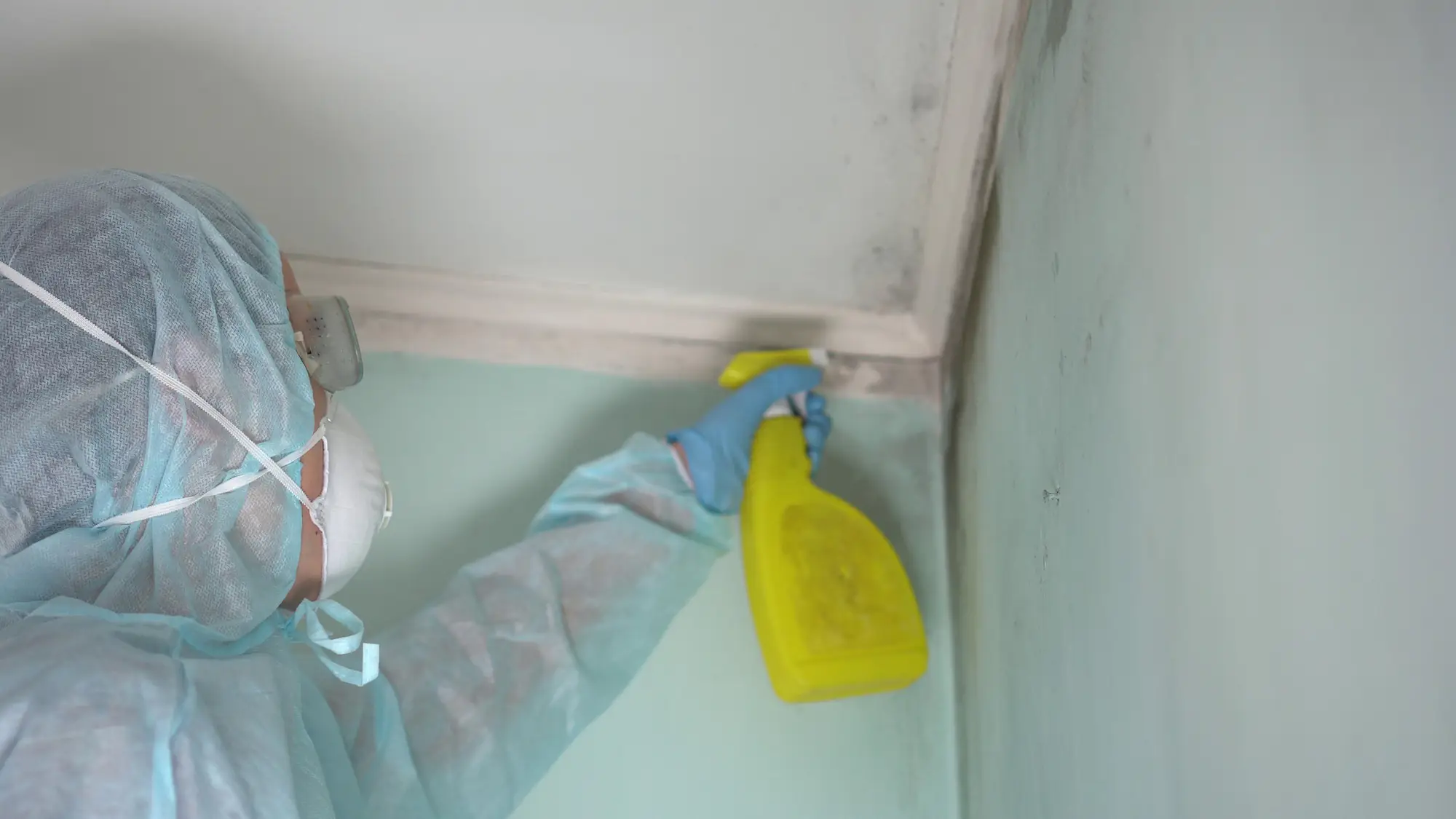
During the visual inspection, we’re checking for visible mold growth, water stains, condensation patterns, and ventilation issues. We also use moisture meters to find hidden dampness inside walls or under floors. If we spot potential mold or air quality concerns, we collect air samples from affected areas and send them to an independent lab for analysis.
The lab results tell us exactly what’s in your air—mold species, spore counts, and other contaminants. We review those results with you and explain what they mean in practical terms. If there’s a problem, we walk you through your options for fixing it. If your air quality is fine, you’ll have documentation proving it.
The whole process typically takes a few hours for the on-site work, and you get lab results back within a few days.
Ready to get started?
Your indoor air quality test covers the areas that matter most for your family’s health. We inspect all living spaces, including bedrooms where your kids sleep, bathrooms that generate moisture, kitchens with ventilation concerns, and basements that tend to trap humidity.
Pennsylvania homes face specific air quality challenges. Bucks County’s climate means we get humid summers and cold winters—conditions that create condensation and mold growth if your home isn’t properly ventilated. Older homes in Taylorsville often have basement moisture issues or outdated HVAC systems that circulate contaminated air. Newer homes can be too tightly sealed, trapping pollutants inside.
We test for mold spores, measure humidity levels, and identify conditions that lead to poor air quality. You receive a detailed report with lab-verified results, photos of problem areas, and specific recommendations. If remediation is needed, we provide a clear estimate with no hidden costs. If your air quality is good, you get documentation you can use for home sales or insurance purposes.
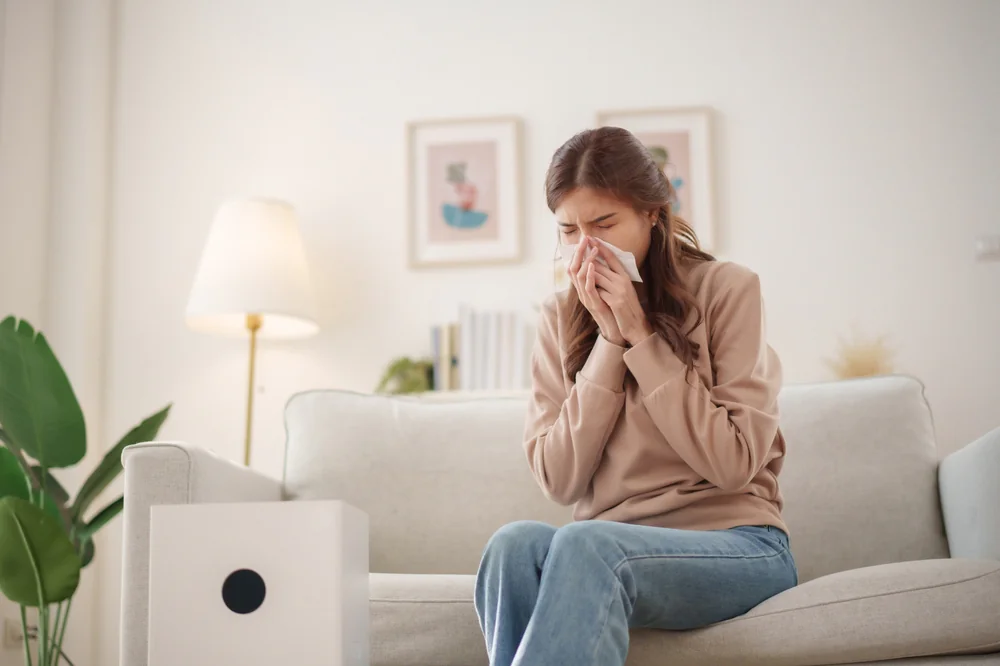
The testing also helps if you’re dealing with unexplained health symptoms. About 10% of people are severely allergic to mold, and symptoms like headaches, respiratory issues, and fatigue often improve once air quality problems are addressed.
Most residential air quality testing in the area runs between $300 and $600, depending on your home’s size and how many areas need testing. We start with a free inspection, so you’re not paying anything until you know what’s involved.
The cost covers the on-site inspection, professional air sampling, lab analysis, and a detailed report of findings. If you need testing in multiple rooms or areas, that affects the price because we’re collecting and analyzing more samples. Larger homes naturally take more time and resources to test thoroughly.
We give you an upfront estimate after the free inspection. No surprise charges, no pressure to buy services you don’t need. If the test reveals problems that need remediation, that’s a separate quote—but you’ll have all the information you need to make a smart decision about next steps.
Get testing done if you’re experiencing unexplained health symptoms that improve when you leave the house. That’s the biggest red flag that something in your indoor air is affecting you or your family.
You should also test after any water damage—even if it was cleaned up quickly. Water creates conditions for mold growth within 24 to 48 hours, and you can’t always see it developing inside walls or under floors. Testing after renovations makes sense too, especially if old materials were disturbed or new moisture barriers were installed.
Annual testing is smart if you have young children, elderly family members, or anyone with respiratory conditions living in your home. It’s also worth doing before you sell a property, so you can address any issues before they become deal-breakers during inspection. And if you’re moving into a new home in Taylorsville, testing gives you a baseline and catches any problems the previous owner didn’t disclose.
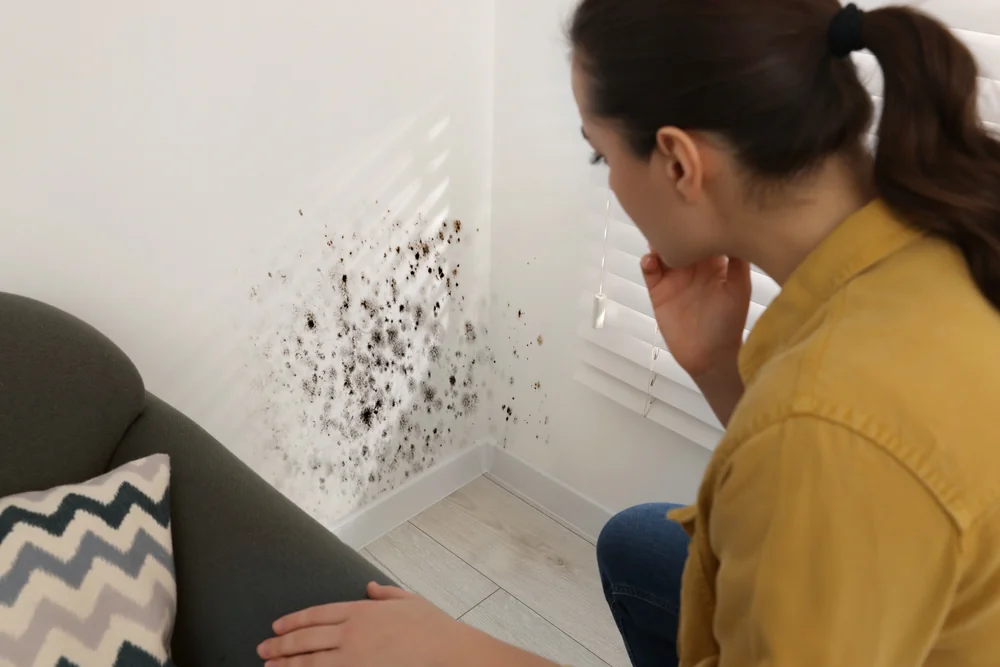
A mold air test captures airborne spores and sends them to a lab for identification and counting. The lab tells us exactly which mold species are present in your home and at what concentration levels.
That matters because not all mold is equally problematic. Some species are relatively harmless at low levels, while others—like black mold (Stachybotrys)—can cause serious health issues even in small amounts. The lab results show spore counts per cubic meter of air, which we compare against normal outdoor levels and safe indoor thresholds.
The test also reveals whether mold is actively growing in your home or if you’re just dealing with normal background levels that exist in every building. If counts are elevated, we know there’s a moisture problem somewhere that’s feeding mold growth. The air test doesn’t tell us exactly where the mold is growing—that’s what the visual inspection and moisture testing determine—but it confirms whether your air quality is compromised and how severely.
The on-site inspection and testing usually takes two to four hours, depending on your home’s size and how many areas we’re examining. We’re not rushing through it—we’re checking every space where air quality issues typically develop.
During that time, we’re doing visual inspections, taking moisture readings, collecting air samples, and documenting problem areas with photos. If your home is larger or has multiple levels, crawl spaces, or a finished basement, it takes longer to cover everything thoroughly.
After we collect the samples, they go to an independent lab for analysis. You typically get results back within three to five business days. Once we have the lab report, we schedule a follow-up call or meeting to review the findings with you and discuss any necessary next steps. The whole process from initial inspection to final report usually wraps up within a week.
You can buy DIY air quality test kits, but they have serious limitations. Most consumer kits only test for a narrow range of issues, and the results aren’t always reliable or detailed enough to make informed decisions.
Professional testing uses calibrated equipment and certified lab analysis. We’re collecting samples under controlled conditions and sending them to labs that specialize in identifying specific mold species and measuring spore concentrations accurately. That level of precision matters when you’re trying to determine if your home has a real problem or just normal background levels.
The bigger issue with DIY testing is interpretation. Even if you get results back, you might not know what they mean or what to do about them. Professional testing includes expert analysis—we explain what the numbers mean for your specific situation and give you clear recommendations. We also catch things during the visual inspection that a test kit can’t detect, like hidden moisture problems or ventilation issues that are causing the air quality problems in the first place.
No. Air quality testing is non-invasive and doesn’t require cutting into walls or tearing up floors. We’re collecting air samples, taking moisture readings, and doing visual inspections—nothing that damages your property.
The equipment we use includes air sampling pumps, moisture meters, and thermal imaging cameras. None of that requires drilling holes or removing materials. If we need to check inside a wall cavity or under flooring because we’ve identified a specific problem area, we’ll discuss that with you first and get your approval before doing anything invasive.
The whole process is clean and contained. We’re not creating dust, spreading contaminants, or leaving your home in disarray. Most homeowners are surprised by how straightforward the testing is. You can stay in your home during the process, and once we’re done collecting samples, there’s no mess to clean up.
Other Services we provide in Taylorsville