
Hear from Our Customers

You spend over 90% of your time indoors. And the air inside your Sundale home can be two to five times more polluted than the air outside. That’s not a scare tactic—it’s EPA data.
The problem is you can’t see most of what’s floating around. Mold spores, VOCs, allergens, dust mites—they’re all invisible until they start causing headaches, coughing, or worse. A home air quality test gives you actual numbers and identifies exactly what’s in your air.
Once you know what you’re dealing with, you can make real decisions. Not based on symptoms or guesses, but on lab results. That’s when you stop reacting to problems and start preventing them.
We’ve been serving Sundale and the surrounding Bucks County area for years. We understand the local climate—humid summers, older homes with basements that leak, and the kind of moisture problems that show up after a few rainy weeks.
Our team uses professional-grade equipment, not the cheap monitors you’d buy online. We’re talking thermal imaging cameras, moisture meters, and lab-certified air sampling. We don’t just look for mold—we test for it, measure it, and tell you exactly where it’s coming from.
You’re not hiring a national franchise. You’re working with people who live here and have seen what happens when homeowners ignore air quality issues too long.

We start with a free inspection. You walk us through your home, show us any problem areas, and tell us what symptoms you’ve been noticing. We’re looking for visible mold, water damage, condensation, and humidity levels that are too high.
Next, we take air samples from multiple rooms. These samples get sent to a certified lab that identifies mold types, spore counts, and other airborne contaminants. We also do surface testing if we see suspicious growth or discoloration. The goal is to figure out what’s in your air and where it’s coming from.
Once the lab results come back, we sit down with you and explain what we found. No jargon, no upselling. Just clear information about what’s happening in your home and what your options are. If you need remediation, we handle that too. If you just need better ventilation or a dehumidifier, we’ll tell you that instead.
Ready to get started?
Every residential air quality testing appointment includes a visual inspection of your entire home. We check basements, crawl spaces, attics, bathrooms—anywhere moisture or mold tends to hide. We use thermal imaging to spot temperature differences that indicate water intrusion or poor insulation.
Air sampling is the core of the service. We collect samples from indoor air and compare them to outdoor air to see if your indoor levels are elevated. The lab analysis identifies specific mold species, measures spore concentration, and flags any dangerous types like black mold. You get a detailed report that breaks down everything in plain language.
In Bucks County, we see a lot of basement moisture issues and HVAC systems that circulate mold spores instead of filtering them out. Humidity here sits high during summer months, and older homes weren’t built with the kind of vapor barriers or ventilation we use today. That’s why testing matters—you’re not just checking for mold, you’re checking whether your home’s systems are working the way they should.
We also provide recommendations. If your air quality is fine, we tell you. If it’s not, we explain what needs to happen next and give you options that fit your budget.
You need testing if you’re experiencing unexplained health symptoms like frequent headaches, coughing, throat irritation, or allergy flare-ups that won’t go away. These are often the first signs that something in your air is off.
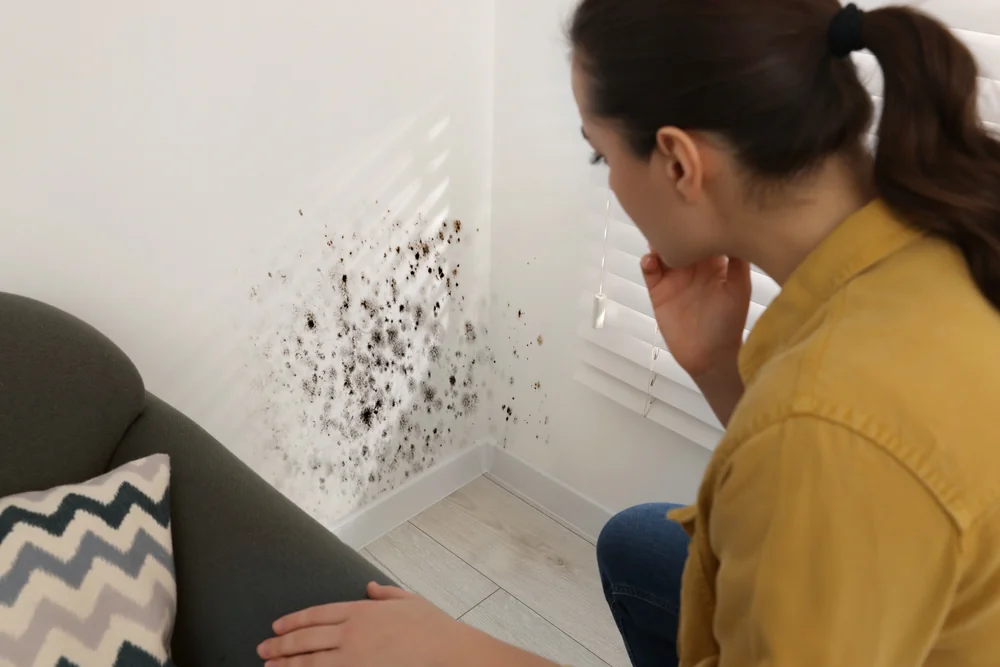
You should also test if you’ve had water damage, flooding, or leaks—even if they were fixed months ago. Mold can grow behind walls or under floors where you can’t see it. A musty smell is another red flag, especially in basements or bathrooms.
If you’re buying or selling a home in Sundale, testing gives you documentation. Buyers want to know the air is safe, and sellers want to avoid surprises during inspections. Testing before problems get worse saves you money and stress down the road.
A professional indoor air quality test measures mold spore counts, identifies specific mold species, and compares your indoor air to outdoor air. If your indoor levels are significantly higher, that tells us you have a mold source inside your home.
We also check for humidity levels, which should stay between 30-50%. Anything higher creates conditions for mold growth. Our equipment detects moisture in walls, ceilings, and floors that you wouldn’t notice just by looking.
Depending on your situation, we can test for VOCs (volatile organic compounds), allergens, and other airborne particles. The lab report shows you exactly what’s in your air, how much of it there is, and whether it’s at levels that could affect your health. You’re not getting vague results—you’re getting data you can act on.
The on-site inspection and air sampling usually take one to two hours, depending on the size of your home and how many rooms we’re testing. We’re thorough, but we’re not going to waste your time.
Air samples go to a certified lab for analysis. You’ll typically get results back within three to five business days. The lab report includes detailed findings about mold types, spore counts, and any other contaminants we tested for.
Once we have the results, we schedule a follow-up to walk you through everything. We explain what the numbers mean, show you where problems are coming from, and discuss your next steps. If remediation is needed, we can start right away. If your air quality is fine, you’ll have documentation and peace of mind.
Consumer-grade monitors can track basic things like humidity and temperature, but they don’t identify mold species or measure spore counts. They can’t tell you if you have toxic black mold or just surface mildew. That’s a big difference when it comes to health risks and remediation costs.
Professional air quality testing uses lab-certified equipment and analysis. We’re collecting samples that get examined under a microscope by trained technicians. The results are specific, accurate, and actionable. You’re not guessing based on a color-coded app—you’re getting real data.
If you’re dealing with health symptoms, water damage, or visible mold, a $50 monitor isn’t going to give you the answers you need. Professional testing costs more upfront, but it saves you from making expensive mistakes or ignoring a problem that’s only going to get worse.
If we find elevated mold levels, we’ll show you exactly where it’s coming from and explain what type of mold it is. Some mold is relatively harmless. Other types, like Stachybotrys (black mold), require immediate attention and professional remediation.
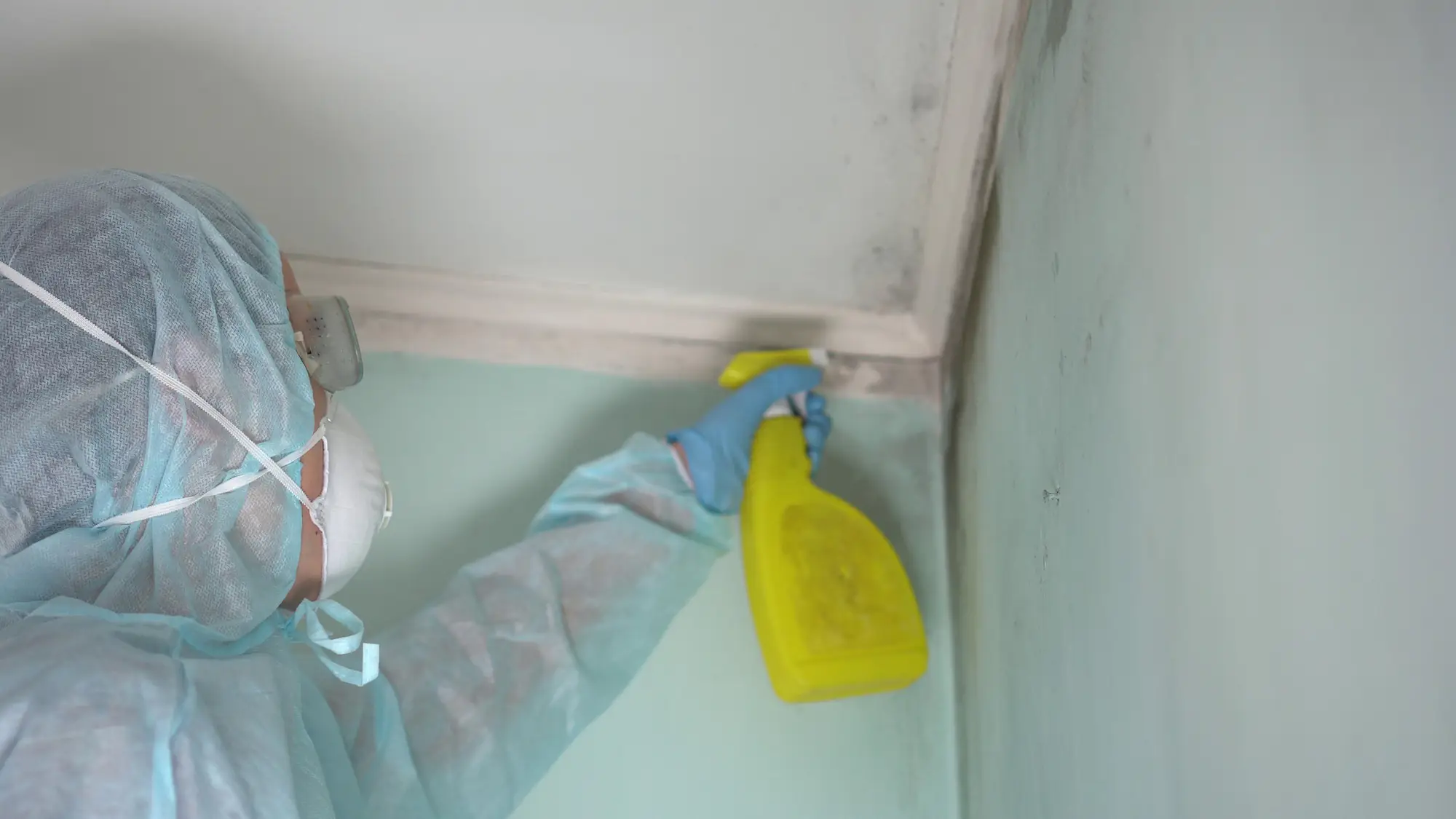
We’ll give you a clear plan for fixing the problem. That might mean removing contaminated materials, treating affected areas, fixing the moisture source, and improving ventilation. We handle the entire remediation process using EPA-approved methods, and we follow up with post-remediation testing to confirm the mold is gone.
You’ll also get recommendations for preventing mold from coming back. That could be as simple as running a dehumidifier or as involved as fixing a drainage issue around your foundation. Either way, you’ll know what needs to happen and why. We’re not here to scare you—we’re here to fix the problem so you can move on.
It depends on your policy and what caused the mold. If mold resulted from a sudden, covered event like a burst pipe or storm damage, your insurance will likely cover testing and remediation. If it’s from long-term neglect or maintenance issues like a slow leak you ignored, they probably won’t.
We recommend calling your insurance company before scheduling testing. Ask them specifically what’s covered and whether they require documentation or pre-approval. Some policies have mold coverage caps, so it’s worth knowing your limits upfront.
We work with insurance companies regularly and can provide the documentation they need for claims. If your claim gets approved, we’ll work directly with your adjuster to make the process easier. If it doesn’t, we’ll give you upfront pricing and flexible payment options so you can still get the problem fixed.
Other Services we provide in Sundale