
Hear from Our Customers
You can’t see radon. You can’t smell carbon monoxide. Mold spores are invisible until they’re everywhere.
That’s the problem with indoor air quality—the stuff that hurts you doesn’t announce itself. You might notice allergies that won’t quit, headaches that come and go, or a musty smell you can’t track down. Or you might not notice anything at all until someone gets sick.
A home air quality test gives you the full picture. We measure particulate matter, VOCs, humidity levels, mold spores, and gases like radon and carbon monoxide. You get a report that shows what’s actually floating around your house and whether it’s within safe limits. No more wondering if that cough is seasonal or structural.
Pennsylvania homes deal with serious air quality risks. About 40% of homes tested here have radon levels above the EPA’s action threshold. Older construction, tight insulation, and our climate create perfect conditions for mold and moisture problems. If you’re in Steinsburg, PA, you’re living in an area where indoor air contamination isn’t rare—it’s common.
We’ve been testing and fixing air quality problems in Steinsburg, PA and Bucks County for years. We’re not a national franchise with a call center. We’re local, and we know what homes around here deal with.
Pennsylvania ranks third in the country for radon levels. We see basements with humidity problems, crawl spaces with mold, and HVAC systems pushing contaminated air through every room. We’ve tested hundreds of homes, and we’ve seen what happens when people ignore the signs.
We use calibrated equipment to test for the contaminants that matter most in this area. Then we explain what we found in plain language and tell you what to do about it. You’re not getting a sales pitch. You’re getting data and a plan.
First, we walk through your home and identify areas where air quality issues are most likely. Basements, bathrooms, kitchens, and anywhere with poor ventilation get extra attention. We’re looking for visible signs of mold, moisture damage, or ventilation problems.
Then we set up our testing equipment. Depending on what you’re concerned about, we’ll test for mold spores, radon gas, VOCs, carbon monoxide, humidity levels, and airborne particulates. Some tests give immediate readings. Others require lab analysis, which takes a few days.
Once the results come back, we go over everything with you. We’ll show you what’s elevated, what’s normal, and what needs immediate attention. If something’s wrong, we’ll explain why it’s happening and what it takes to fix it. If your air is clean, we’ll tell you that too.
You’ll get a written report with all the findings. That’s useful if you’re buying or selling a home, filing an insurance claim, or just want documentation for your records.
Ready to get started?
Radon is the big one in Pennsylvania. It’s a radioactive gas that seeps up through foundation cracks and gets trapped inside. You can’t detect it without testing, and long-term exposure is the second leading cause of lung cancer in the U.S. The average indoor radon level in PA is 7-8 pCi/L—almost six times the national average.
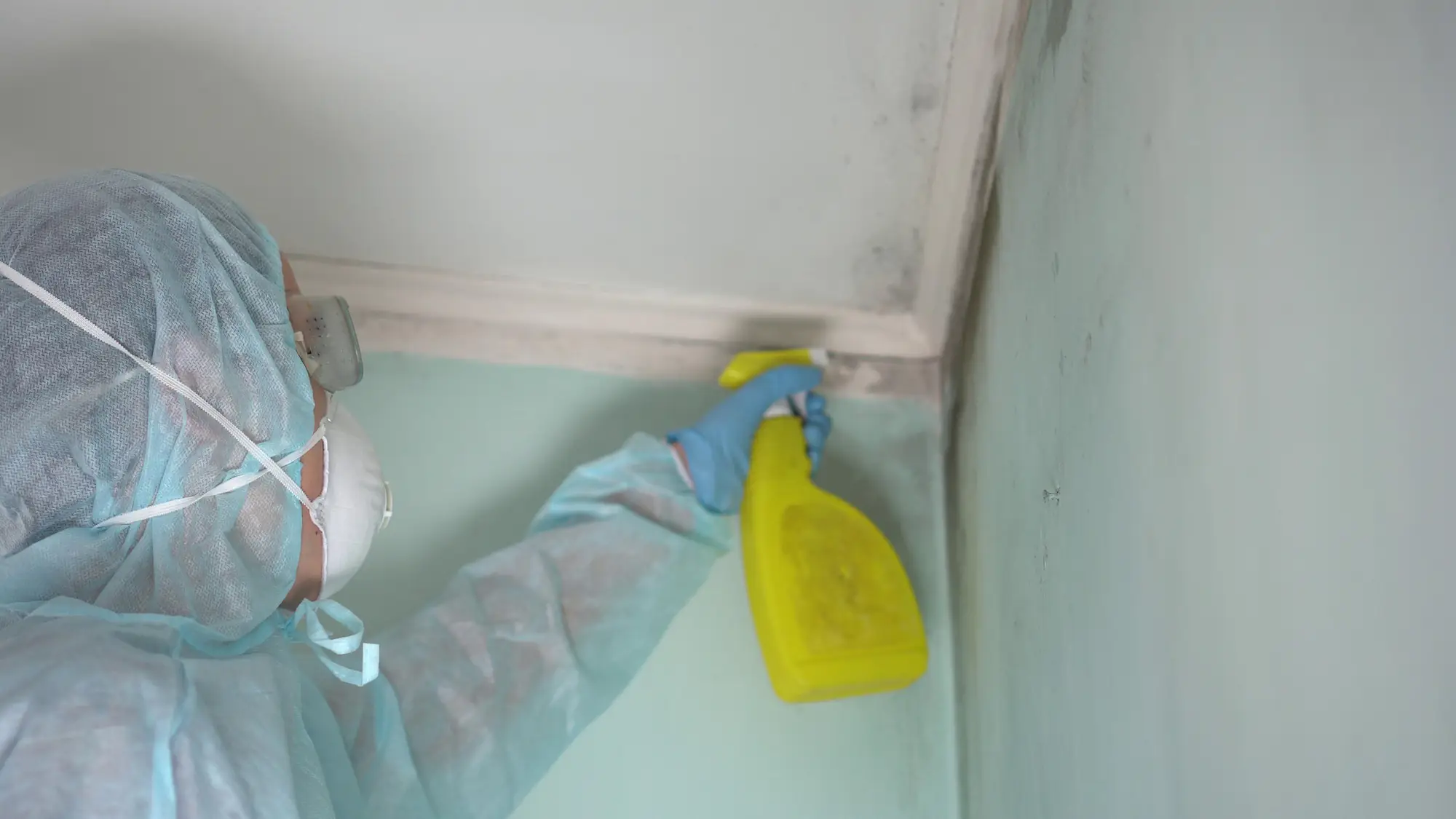
Mold spores are another major concern, especially in Bucks County where older homes and humid summers create ideal conditions. Mold doesn’t just damage your property. It triggers asthma, allergies, and respiratory infections. A mold air test shows whether spore counts are elevated and where the contamination is coming from.
We also test for VOCs—volatile organic compounds that come from paint, cleaning products, furniture, and building materials. High VOC levels cause headaches, dizziness, and long-term health problems. Carbon monoxide testing is critical if you have gas appliances or an attached garage. It’s odorless and deadly.
Particulate matter and humidity levels round out the testing. High humidity fuels mold growth. Particulates irritate lungs and worsen allergies. Steinsburg, PA homes, especially older ones, weren’t built with modern ventilation standards. That means contaminated air stays trapped inside.
Cost depends on what you’re testing for and how big your home is. A basic mold air test or radon test usually runs a few hundred dollars. Comprehensive testing that covers VOCs, particulates, carbon monoxide, and multiple rooms costs more.
Most companies charge per test type, not per room. So if you want radon and mold testing, expect to pay for both. Some offer package deals that bundle common tests together at a lower rate.
We offer a free inspection to assess your situation before recommending specific tests. That way you’re not paying for tests you don’t need. If you’re buying a home, radon and mold testing are the two most important. If you’re dealing with unexplained health symptoms, a full indoor air quality test makes sense.
It depends on the test. Radon testing takes 48 to 72 hours because radon levels fluctuate. We place a monitor in your home, usually in the basement, and let it collect data. You’ll need to keep windows and doors closed during that time to get accurate results.
Mold air testing is faster. We collect air samples from different areas of your home, which takes about an hour. Then the samples go to a lab for analysis. Results come back in three to five business days.
VOC testing, carbon monoxide checks, and humidity readings can be done on the spot with handheld meters. We’ll have those results before we leave. If you need multiple tests, plan on us being there for a couple of hours to set everything up properly.
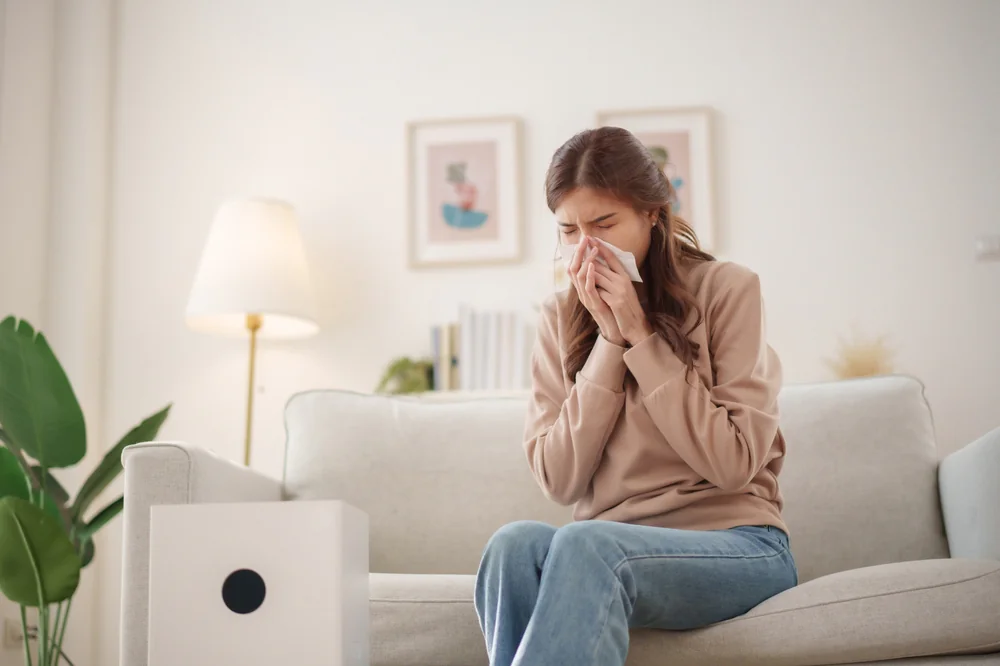
Persistent allergies or respiratory issues that get better when you leave the house are a red flag. If you’re dealing with chronic coughing, sneezing, headaches, or fatigue and doctors can’t find a cause, your home’s air might be the problem.
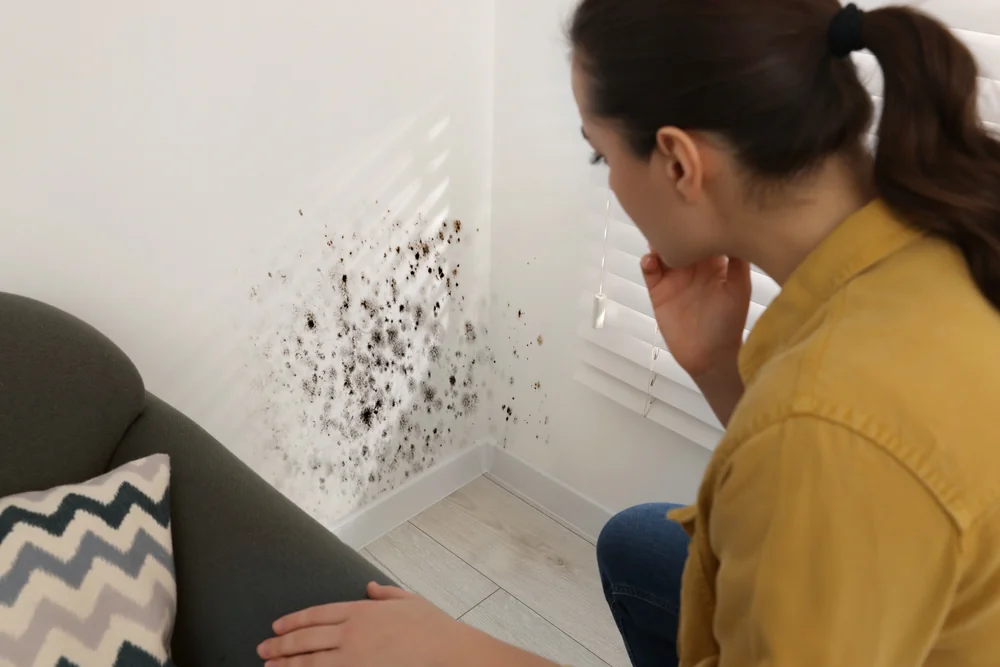
Visible mold, water damage, or a musty smell are obvious signs. But plenty of air quality problems don’t have visible symptoms. Radon is completely undetectable without testing. Carbon monoxide has no odor. High VOC levels don’t leave a trace you can see.
If you’re buying an older home in Steinsburg, PA or anywhere in Bucks County, testing is smart even if nothing seems wrong. Pennsylvania’s radon problem alone makes it worth checking. If you’ve recently renovated, new paint and materials can off-gas VOCs for months. And if your home feels stuffy or humid, that’s a sign your ventilation isn’t doing its job.
You can buy DIY test kits for radon and mold, but they’re not as reliable as professional testing. Radon test kits from hardware stores work if you follow the instructions exactly, but placement and timing matter. If you don’t seal your home properly or place the monitor in the wrong spot, your results will be off.
Mold test kits are even less useful. They’ll tell you if mold spores are present, but mold spores are always present. What matters is the concentration and the type of mold. Lab analysis from a professional test identifies specific species and compares your levels to safe baselines.
VOC meters and air quality monitors you can buy online give you general readings, but they don’t tell you what specific contaminants are elevated or where they’re coming from. Professional air quality testing uses calibrated equipment and lab analysis. You get a detailed report that breaks down exactly what’s in your air and whether it’s a health risk. If you’re making decisions about remediation or trying to document a problem for insurance or real estate purposes, professional testing is the only way to get data that holds up.
First, don’t panic. High levels of radon, mold, or VOCs are fixable. The report will show what’s elevated and by how much. We’ll walk you through what each result means and what the health risks are if you don’t address it.
For radon, mitigation usually involves installing a ventilation system that pulls the gas out from under your foundation and vents it outside. It’s effective and permanent. For mold, you need to find the moisture source, fix it, and remove contaminated materials. Surface cleaning doesn’t work if the mold is inside walls or under flooring.
VOCs decrease over time as materials off-gas, but you can speed it up with better ventilation. Carbon monoxide problems usually come from faulty appliances or blocked vents, which need immediate repair. We’ll give you a clear action plan based on your specific results. Some fixes are simple. Others require remediation or contractor work. Either way, you’ll know exactly what needs to happen and why.
It’s not legally required, but it’s a smart move. Pennsylvania has some of the highest radon levels in the country, and 40% of homes tested exceed EPA action levels. Most buyers include radon testing as a contingency in their offer. If levels are high, you can negotiate for the seller to install a mitigation system or reduce the price.
Mold testing isn’t standard, but it should be if you see water stains, smell mustiness, or notice poor ventilation. Older homes in Steinsburg, PA and Bucks County often have basement moisture issues that lead to mold growth. Finding it before you close gives you leverage.
Lenders don’t require air quality testing, but some insurance companies do if the home has a history of water damage or mold claims. Even if it’s not required, testing protects your investment. Fixing radon or mold after you move in costs the same as before—but before, someone else might pay for it.
Other Services we provide in Steinsburg