

Hear from Our Customers
You stop worrying every time someone in your house coughs. The musty smell is gone. You’re not second-guessing whether that dark spot in the corner is spreading.
Professional mold removal means the problem actually gets solved. Not covered up with bleach and hope, but eliminated at the source. That means finding where the moisture is coming from, containing the affected area so spores don’t spread during cleanup, and removing contaminated materials the right way.
You get documentation showing the air quality is back to normal. If you’re selling, that means buyers don’t walk away during inspection. If you’re staying, it means your biggest investment isn’t quietly deteriorating behind your walls. In Steinsburg’s humid climate—especially during those damp spring months and muggy summers—mold doesn’t just go away on its own. It needs intervention, and it needs someone who knows what they’re doing.
We work exclusively in Bucks County, which means we’ve seen what happens to basements here after a wet winter. We know how quickly attic mold develops when ventilation isn’t right. We understand the specific challenges older homes in Steinsburg face with moisture intrusion.
Our team includes certified mold remediation specialists who use the same equipment and protocols whether it’s a small bathroom issue or a whole-basement problem. We’re not a national franchise reading from a script. We’re local, we respond fast, and we’ve built our reputation on actually fixing things instead of just treating symptoms.
You’ll get straight answers during the free inspection. No scare tactics, no inflated estimates, just an honest assessment of what needs to happen and what it’ll cost.

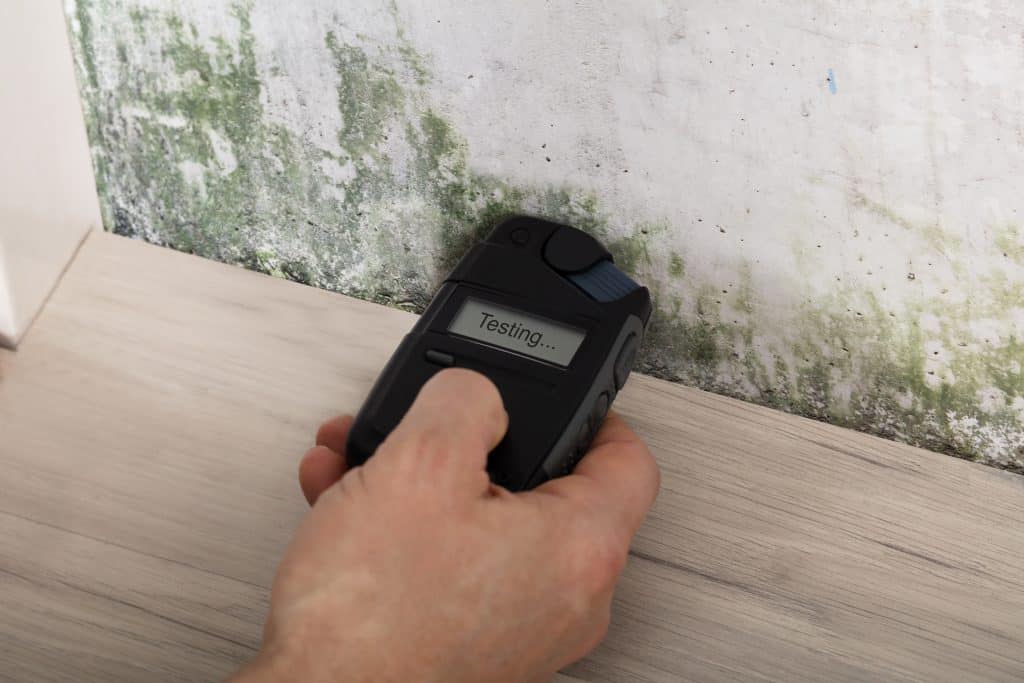
First, we inspect the affected areas and test to identify the type of mold and extent of growth. This includes checking places you probably haven’t looked—behind baseboards, inside wall cavities, under flooring. Mold hides, and surface cleaning won’t touch it.
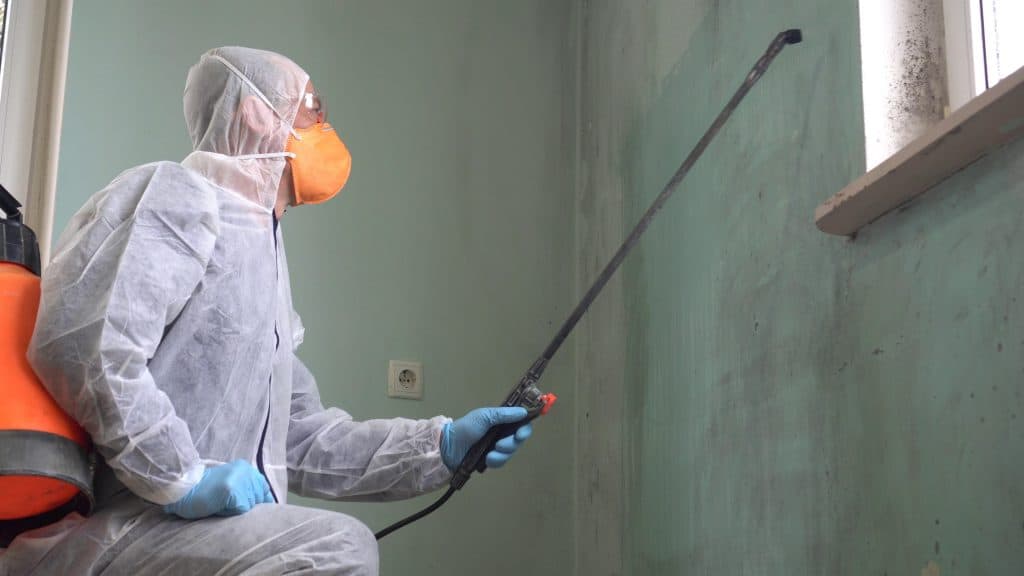
Next, we contain the work area with physical barriers and negative air pressure to prevent spores from spreading to clean areas of your home. Then we remove contaminated materials—drywall, insulation, whatever can’t be salvaged. What can be cleaned gets treated with antimicrobial solutions, not just household cleaners that leave the roots behind.
The critical part most people skip: we identify and fix the moisture source. Leaking pipe, poor ventilation, groundwater seepage, whatever it is. Without that step, you’re just waiting for mold to come back. Finally, we test the air quality to confirm spore counts are back to normal levels before we’re done. You get a report documenting everything, which matters if you’re dealing with insurance or selling the property.
Ready to get started?
You get a certified mold specialist who shows up when scheduled, not a rotating cast of subcontractors. The inspection is free, and it’s thorough—we’re checking moisture levels, looking for hidden growth, and identifying the source of the problem.
Containment setup prevents cross-contamination to other areas of your home. HEPA filtration and negative air machines capture airborne spores during removal. We handle the disposal of contaminated materials according to Pennsylvania regulations, which matters more than most people realize.
Steinsburg homes—especially older ones near the creek areas—deal with specific moisture challenges. Basement humidity spikes after heavy rain. Crawl spaces stay damp year-round. Bathrooms without proper exhaust fans create perfect conditions for mold growth. We address these local issues because we’ve seen them dozens of times. The antimicrobial treatment we use is safe for homes with kids and pets, but strong enough to prevent regrowth. And you get documentation of the whole process, including before and after air quality results. That’s not just for your peace of mind—it’s what buyers, insurance companies, and real estate agents need to see.
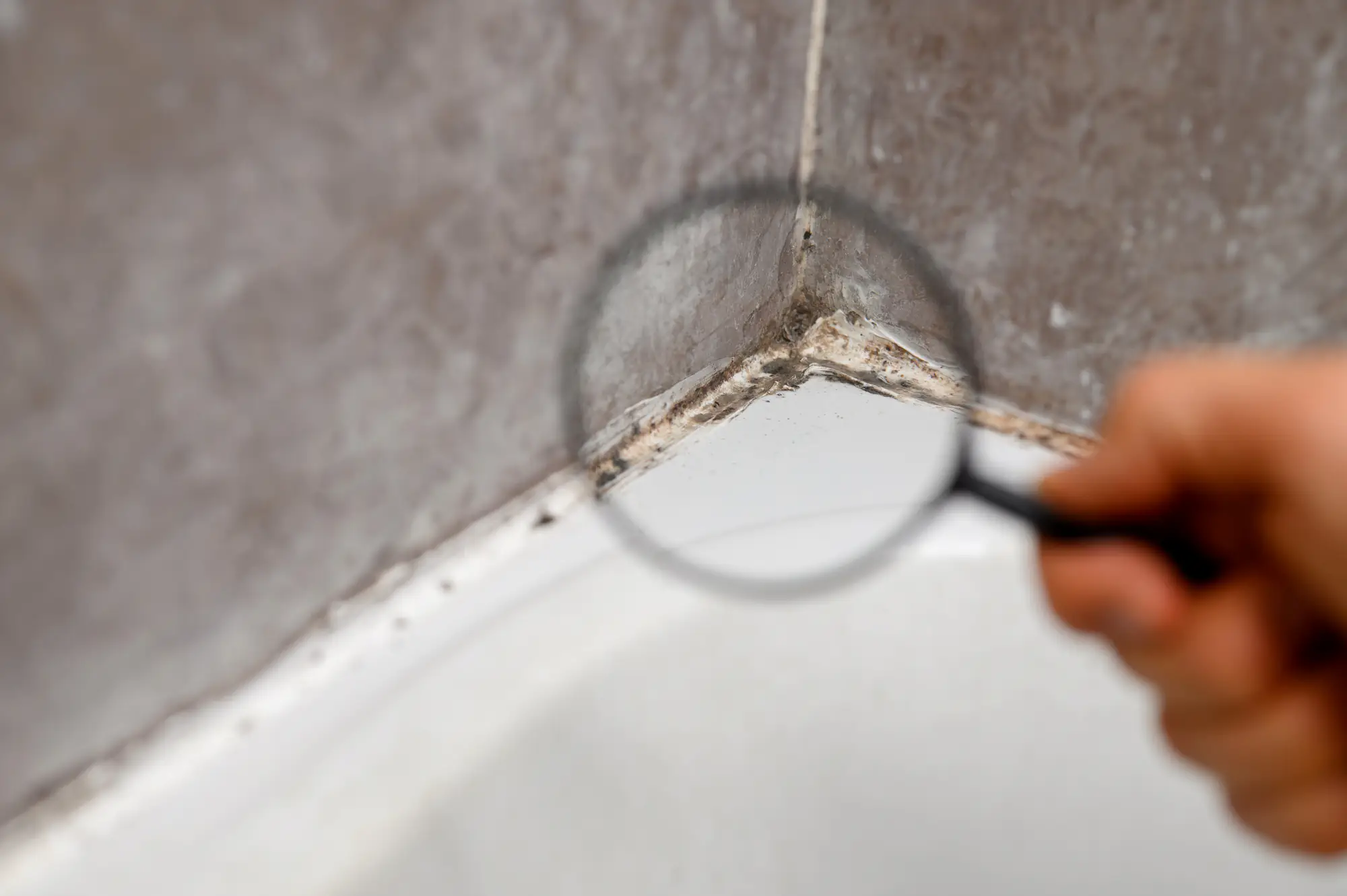
If the affected area is larger than about 10 square feet, you need professional help. That’s roughly a 3×3 section. Anything bigger means the contamination has spread enough that DIY methods won’t reach all of it.
You also need a professional if mold keeps coming back after you’ve cleaned it. That’s a clear sign there’s a moisture problem you’re not addressing. Black mold, or any mold growing on porous materials like drywall or insulation, should be handled by someone with proper equipment. You can’t effectively clean porous materials—they need to be removed.
Health symptoms are another indicator. If people in your home are experiencing increased allergy symptoms, respiratory issues, or persistent coughing that improves when they leave the house, you likely have a mold problem that’s affecting your air quality. A professional can test your air and identify contamination you can’t see. Finally, if you’re dealing with mold from a sewage backup or contaminated water source, that’s a biohazard situation that requires certified remediation, not just cleaning.
A small, contained area like a bathroom might take one to two days. A larger project—like a finished basement with mold behind walls—usually takes three to five days. Extensive contamination affecting multiple rooms or floors can take a week or more.
The timeline depends on how much material needs to be removed, how accessible the mold is, and how long it takes for cleaned areas to dry completely. We can’t rush the drying process. Sealing up a space that’s still damp just invites mold to come back.
You’ll typically be able to stay in your home during remediation as long as we’re working in a contained area. We seal off the work zone with plastic barriers and use negative air pressure to prevent spores from reaching the rest of your house. For extensive projects affecting main living areas, you might want to stay elsewhere for a few days, but that’s the exception. Most jobs don’t require you to leave. We’ll give you a realistic timeline during the inspection based on what we find.
It depends on what caused the mold. If it resulted from a sudden, accidental event—like a burst pipe or storm damage—most policies will cover remediation. If it developed slowly due to long-term moisture problems or lack of maintenance, probably not.
Insurance companies in Pennsylvania typically won’t cover mold that resulted from neglect, humidity, or condensation issues you should have addressed. They also won’t cover flooding unless you have separate flood insurance. Standard homeowners policies specifically exclude flood-related mold.
The key is documentation. If you had a covered water damage event, you need to report it quickly and document the timeline. Waiting too long can give the insurance company reason to deny the claim. We can work directly with your insurance adjuster, provide the documentation they need, and help you understand what’s covered. Some policies have mold coverage caps—often around $10,000—so even if it’s covered, you might hit that limit on larger projects. Read your policy or call your agent before assuming anything. And if you’re buying a home in Steinsburg, know that sellers are required to disclose known mold issues, but they’re not required to test for it.
Mold removal sounds like you’re getting rid of every single spore, which isn’t realistic. Mold spores exist everywhere, indoors and out. You can’t eliminate them completely, and you don’t need to.
Mold remediation means bringing spore levels back to normal, safe concentrations and eliminating active growth. That’s the honest goal. We remove contaminated materials, clean affected surfaces, treat the area to prevent regrowth, and fix the moisture problem that caused it. Then we test to confirm spore counts are back to baseline levels.
Companies that promise “complete mold removal” are overselling. What matters is remediation—getting your home back to a healthy state where mold isn’t actively growing and spore levels aren’t elevated. That’s achievable and that’s what actually protects your health and your property. The terminology matters less than the process. You want someone who’s going to find the source, remove the contamination, fix the cause, and verify the results. That’s remediation, and that’s what we do.
Bleach kills surface mold on non-porous materials like tile or glass. It doesn’t penetrate porous materials like drywall, wood, or insulation, which means it’s not reaching the roots. The mold looks gone, but it grows back.
Bleach also doesn’t address the moisture problem causing the mold, so you’re just buying time. And it’s harsh—using it in enclosed spaces without proper ventilation can cause respiratory irritation, especially if you’re already dealing with mold exposure.
For small surface mold on hard surfaces, bleach can work as a temporary measure. But if you’re seeing mold on walls, ceilings, or anywhere porous, bleach won’t fix it. You need to remove the affected material and address the moisture source. We use antimicrobial solutions designed specifically for mold, along with HEPA vacuums to capture spores and equipment to dry out the space completely. DIY bleach treatments miss all of that. If the mold is bigger than a small patch, or if it keeps coming back, you’re wasting time and potentially making yourself sick by stirring up spores without proper containment.
Mold needs moisture, and Bucks County’s climate provides plenty of it. Humid summers, damp springs, temperature swings that cause condensation—your home is dealing with conditions that encourage mold growth most of the year.
Common culprits in Steinsburg homes include poor attic ventilation, basement moisture from groundwater or poor grading, bathroom exhaust fans that vent into the attic instead of outside, and crawl spaces without vapor barriers. Older homes often have settling issues that create cracks where water seeps in. Even newer homes can have problems if the builder didn’t address drainage properly.
If mold keeps returning in the same spot, there’s a moisture source you haven’t identified. It might be a slow leak inside a wall, condensation from an uninsulated pipe, or humidity levels that stay too high. We use moisture meters and thermal imaging to find these hidden problems. Fixing mold without fixing moisture is pointless. You’ll be cleaning the same spot every few months, and the problem will keep spreading. A proper remediation identifies why moisture is accumulating and solves that issue permanently.
Other Services we provide in Steinsburg