
Hear from Our Customers
You’ve noticed the symptoms. Persistent coughing that won’t quit. Headaches that seem worse at home than anywhere else. Maybe your kids’ asthma has gotten harder to control, or that musty smell in the basement just won’t go away no matter how much you clean.
Indoor air can be more polluted than outdoor air. That’s not a scare tactic—it’s reality, especially in older Spring Valley homes where humidity, poor ventilation, and aging materials create perfect conditions for mold growth and air quality problems.
A home air quality test gives you actual data. Not guesses. Not assumptions. You’ll know exactly what’s in your air—mold spores, allergens, volatile organic compounds—and more importantly, where it’s coming from. That’s when you can actually fix the problem instead of just treating symptoms or masking odors.
Most homeowners wait until someone gets sick or they’re forced to test for a real estate transaction. By then, the problem has usually spread. Testing early means you catch issues while they’re still manageable and less expensive to address.
We’ve been serving Spring Valley and Bucks County homeowners for years. We’re not a national franchise following a corporate playbook. We’re local, and we understand exactly what Pennsylvania’s humid summers and aging housing stock do to indoor air quality.
Your home wasn’t built with today’s ventilation standards. Most Spring Valley properties were constructed decades ago, before anyone thought much about air exchange rates or moisture control. Add in our proximity to waterways, heavy spring rains, and humid summers, and you’ve got chronic moisture problems that lead to mold growth and poor air quality.
We’ve tested hundreds of local homes. We know which basements flood, which neighborhoods have foundation issues, and what time of year mold problems peak. That local knowledge matters when you’re trying to figure out why your home’s air quality is making your family sick.

First, we walk through your home and talk. You’ll tell us what you’ve noticed—symptoms, odors, visible issues, problem areas. We’re listening for clues about where to focus our testing and what might be causing your air quality concerns.
Then we conduct a visual inspection of your entire property. We’re looking at basements, crawl spaces, attics, HVAC systems, bathrooms, and anywhere moisture tends to accumulate. We check for visible mold, water damage, condensation, ventilation problems, and conditions that support mold growth.
Next comes the actual air quality testing. We use professional-grade equipment to collect air samples from multiple locations in your home. These samples get sent to an accredited laboratory that analyzes them for mold spores, allergens, and other airborne contaminants. We also use moisture meters and thermal imaging to identify hidden water problems that might be feeding mold growth.
You’ll get a detailed report that breaks down exactly what’s in your air, where the problems are concentrated, and what’s causing them. More importantly, you’ll get clear recommendations for fixing the issues—not just removing mold, but addressing the moisture sources and ventilation problems that allowed it to grow in the first place.
Ready to get started?
Your residential air quality testing includes comprehensive mold inspection using state-of-the-art detection equipment. We’re not just swabbing visible mold and calling it done. We’re using moisture meters, thermal imaging cameras, and air sampling equipment to find problems you can’t see.
Spring Valley homes face specific challenges. Bucks County’s humid climate means mold can start growing within 24 to 48 hours after a water event. During peak mold season—early spring through mid-fall—the combination of higher temperatures and increased moisture creates ideal conditions for rapid mold spread. Your older home’s basement, with its aging foundation and limited ventilation, is especially vulnerable.
The testing covers all major air quality concerns: mold spores, dust mites, pet dander, pollen, and volatile organic compounds. We test multiple rooms because air quality varies throughout your home. Your basement might have serious mold contamination while your upstairs bedrooms test clean—or vice versa.
You’ll also get documentation that’s useful if you need to file an insurance claim or if you’re dealing with a real estate transaction. Our reports are thorough, professional, and backed by accredited laboratory analysis. We work with your insurance company to simplify the claims process if your air quality problems resulted from covered water damage.
Most professional air quality testing in Spring Valley runs between $300 and $600, depending on your home’s size and how many areas need testing. That includes the inspection, air sampling, laboratory analysis, and a detailed report with recommendations.
Some companies offer free initial inspections. We do. That lets us assess your situation, give you an honest opinion about whether testing is necessary, and provide an accurate quote before you spend anything.
Here’s what affects the cost: square footage, number of rooms tested, type of testing required, and whether you need additional services like moisture mapping or thermal imaging. A small ranch with one problem area costs less to test than a large two-story home where you want comprehensive testing of every level.
Testing is cheaper than guessing. If you’re experiencing health symptoms or you’ve had water damage, spending a few hundred dollars on accurate testing can save you thousands in unnecessary remediation or missed problems that get worse over time.
Laboratory analysis typically takes three to five business days after we collect your air samples. You’re not waiting weeks. Most homeowners have their full report within a week of the initial inspection.
The timeline breaks down like this: We complete your inspection and air sampling in one visit, usually taking two to three hours depending on your home’s size. Samples go to the lab the same day or next morning. The lab analyzes them for mold species, spore counts, and other contaminants, which takes a few days. Then we compile everything into a detailed report with photos, lab results, and specific recommendations.
If you’re dealing with an urgent situation—severe health symptoms, active water damage, or a time-sensitive real estate transaction—let us know upfront. We can sometimes expedite lab processing for an additional fee, getting you results in 24 to 48 hours.
Once results are back, we’ll walk you through the report. Not just email it and disappear. We explain what the numbers mean, which problems need immediate attention, and what your options are for remediation.
Persistent health symptoms that improve when you leave your home are the biggest red flag. If you’re dealing with chronic respiratory issues, unexplained allergies, frequent headaches, or asthma that’s harder to control at home, your indoor air quality might be the culprit.
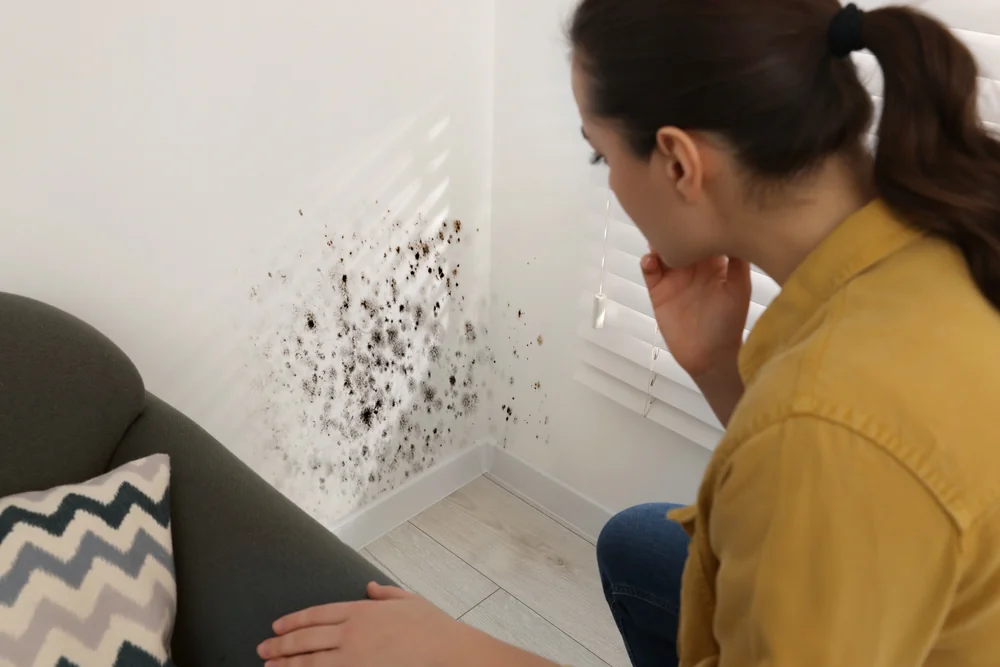
Visible mold or musty odors are obvious signs, but they’re not the only ones. You might have hidden mold growing inside walls, under flooring, or in your HVAC system. Water damage—even old water damage you thought was resolved—often leads to mold growth you can’t see. Condensation on windows, damp basements, or rooms that always feel humid create conditions where mold thrives.
Recent flooding, plumbing leaks, or roof leaks are automatic reasons to test. Mold can start growing within 24 to 48 hours after water exposure. Even if you dried everything out, mold might have already established itself in porous materials like drywall or insulation.
You should also test if you’re buying or selling a home in Spring Valley, especially older properties. Many Bucks County homes have hidden mold issues that don’t show up during standard home inspections. Testing before you buy protects your investment. Testing before you sell prevents deal-killing surprises during the buyer’s inspection period.
DIY air quality test kits exist, and they’re cheap—usually $10 to $50. But they’re not accurate enough to make important decisions about your family’s health or expensive remediation work. The sampling methods are inconsistent, the lab analysis is limited, and you don’t get the visual inspection that identifies the source of your air quality problems.
Professional air quality testing uses calibrated equipment, follows strict protocols, and includes comprehensive visual inspection by trained technicians. We’re not just collecting an air sample. We’re using moisture meters to find hidden water problems, thermal imaging to spot temperature differentials that indicate moisture or poor insulation, and years of experience to recognize conditions that support mold growth.
The laboratory analysis matters too. Professional testing uses accredited labs that identify specific mold species and provide accurate spore counts. That tells you whether you’re dealing with harmless environmental mold or toxic species that require immediate remediation. DIY kits can’t give you that level of detail.
Most importantly, professional testing comes with interpretation and recommendations. Raw data doesn’t help you if you don’t know what it means or what to do about it. We explain your results in plain language and give you a clear action plan for improving your air quality.
Professional mold air testing identifies all common indoor mold species, including the ones that cause health problems. The lab analysis breaks down exactly which species are present and at what concentration levels.
You’ll find out if you have Stachybotrys (black mold), which produces mycotoxins and causes serious respiratory issues. Aspergillus, which is extremely common and can trigger allergic reactions and asthma attacks. Penicillium, which grows on water-damaged materials and produces that musty odor. Cladosporium, which enters through windows and doors and thrives in damp areas. And Alternaria, an outdoor mold that gets inside and causes allergic reactions.
The testing also measures total spore counts. Every home has some mold spores—they’re everywhere in the environment. What matters is the concentration. High spore counts indicate active mold growth somewhere in your home. The lab compares your indoor levels to outdoor baseline levels to determine if you have a problem.
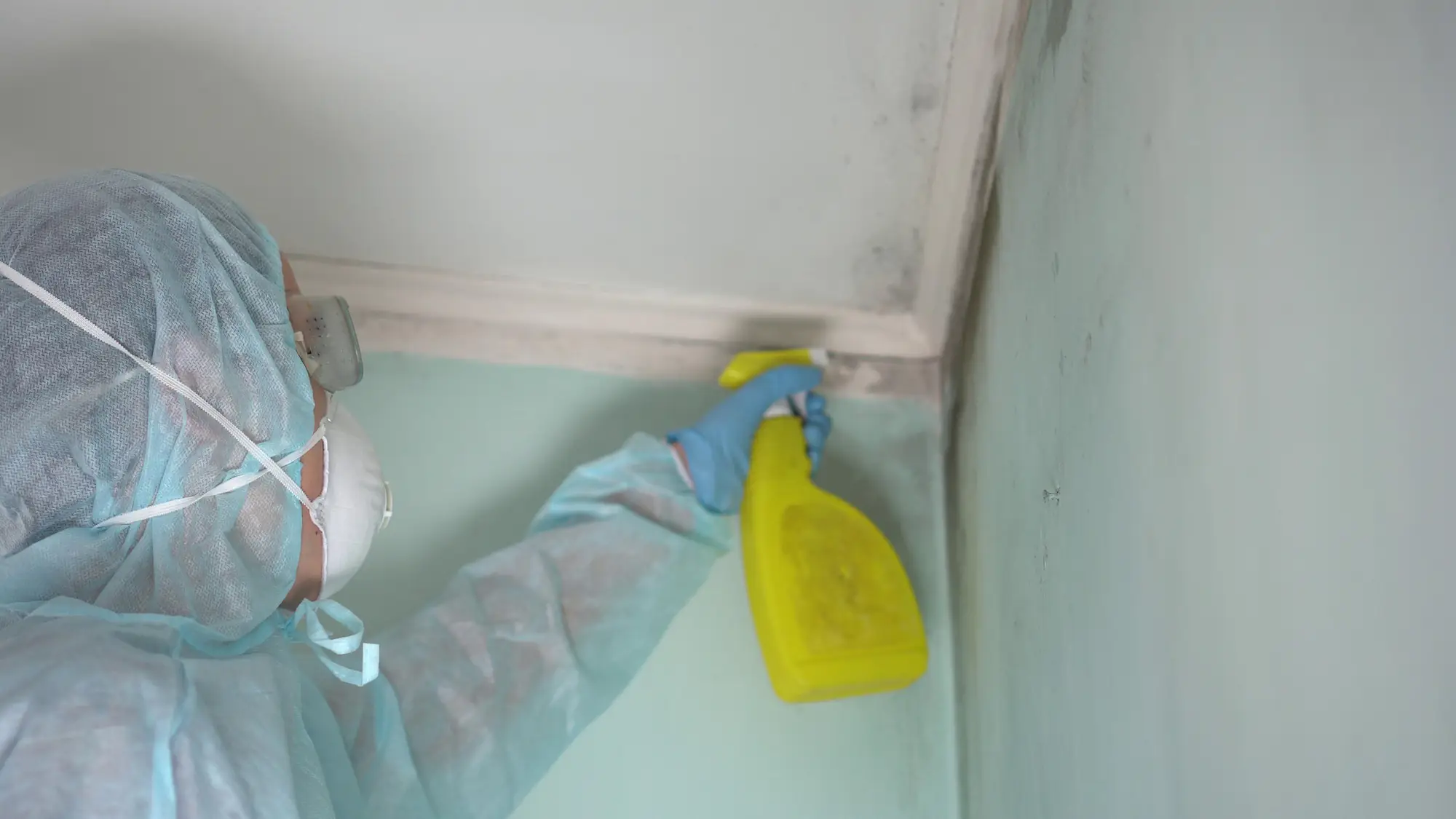
Different mold species require different remediation approaches. Some can be cleaned with standard methods. Others need containment and specialized removal. The testing tells us exactly what we’re dealing with so we can address it properly the first time.
Most Spring Valley homeowners don’t need regular air quality testing unless they have chronic moisture problems or ongoing health concerns. You’re not getting your air tested every year like you change your HVAC filter.
Test when something changes. After any water damage—flooding, plumbing leaks, roof leaks, or sewage backups. After remediation work to confirm the mold is actually gone. When you’re experiencing unexplained health symptoms. Before buying a home or listing yours for sale. If you notice new musty odors or visible mold growth.
Homes with recurring moisture issues might benefit from periodic testing. If your basement floods regularly, if you have chronic condensation problems, or if you’ve had mold remediation done but the conditions that caused it haven’t been fixed, testing every few years makes sense. You’re monitoring whether the problem is coming back.
Bucks County’s humid climate means mold season peaks from early spring through mid-fall. If you’re going to test proactively, late summer is ideal—that’s when any moisture problems have had months to develop into detectable mold growth. But honestly, most people test when they notice a problem, not on a schedule. That’s fine. Just don’t ignore the warning signs when they appear.
Other Services we provide in Spring Valley