
Hear from Our Customers

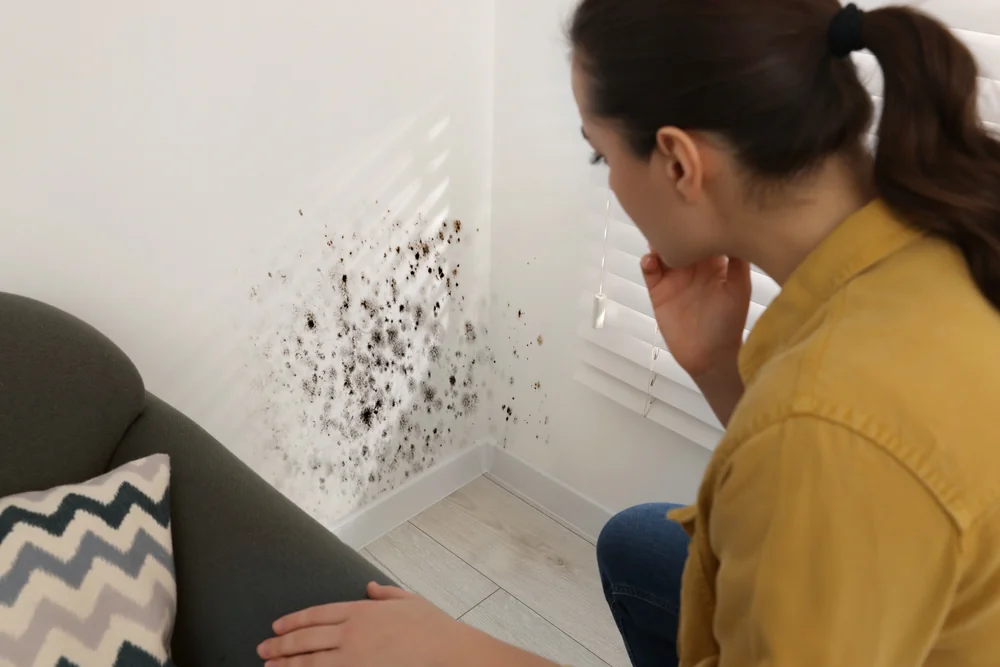
You’ve noticed the musty smell in the basement. Your allergies flare up every time you’re home for a few hours. The kids are coughing more than usual, but it stops when they leave the house.
Those aren’t coincidences. They’re signals that something’s growing where you can’t see it.
A home air quality test finds what’s actually in your air. Not surface-level stuff you can wipe away, but the spores floating around from mold colonies hiding behind walls, under floors, or in your HVAC system. In Spinnerstown’s humid climate—especially during those damp spring months and muggy summers—basements and crawl spaces become breeding grounds. Older homes in Bucks County are particularly vulnerable because of how they were built and ventilated.
Here’s what changes after testing. You know whether that smell is just old wood or active contamination. You know if your symptoms are related to your house. You know whether you need remediation or just better airflow. And if there is mold, you know exactly which species and how much—so you’re not paying for work you don’t need or ignoring work you do.
We’ve been testing and treating homes across Bucks County for years. We know what grows here because we’ve seen it in hundreds of basements, attics, and crawl spaces just like yours.
Spinnerstown homes—especially the older ones near Mill Road and around the rural properties—deal with high humidity, poor ventilation, and legacy moisture issues. We use infrared cameras and moisture meters to find problems you can’t see, then send air samples to independent labs for analysis. No upselling. No scare tactics. Just data.
If your home has an issue, we’ll tell you what it is and what it’ll take to fix it. If it doesn’t, we’ll tell you that too.

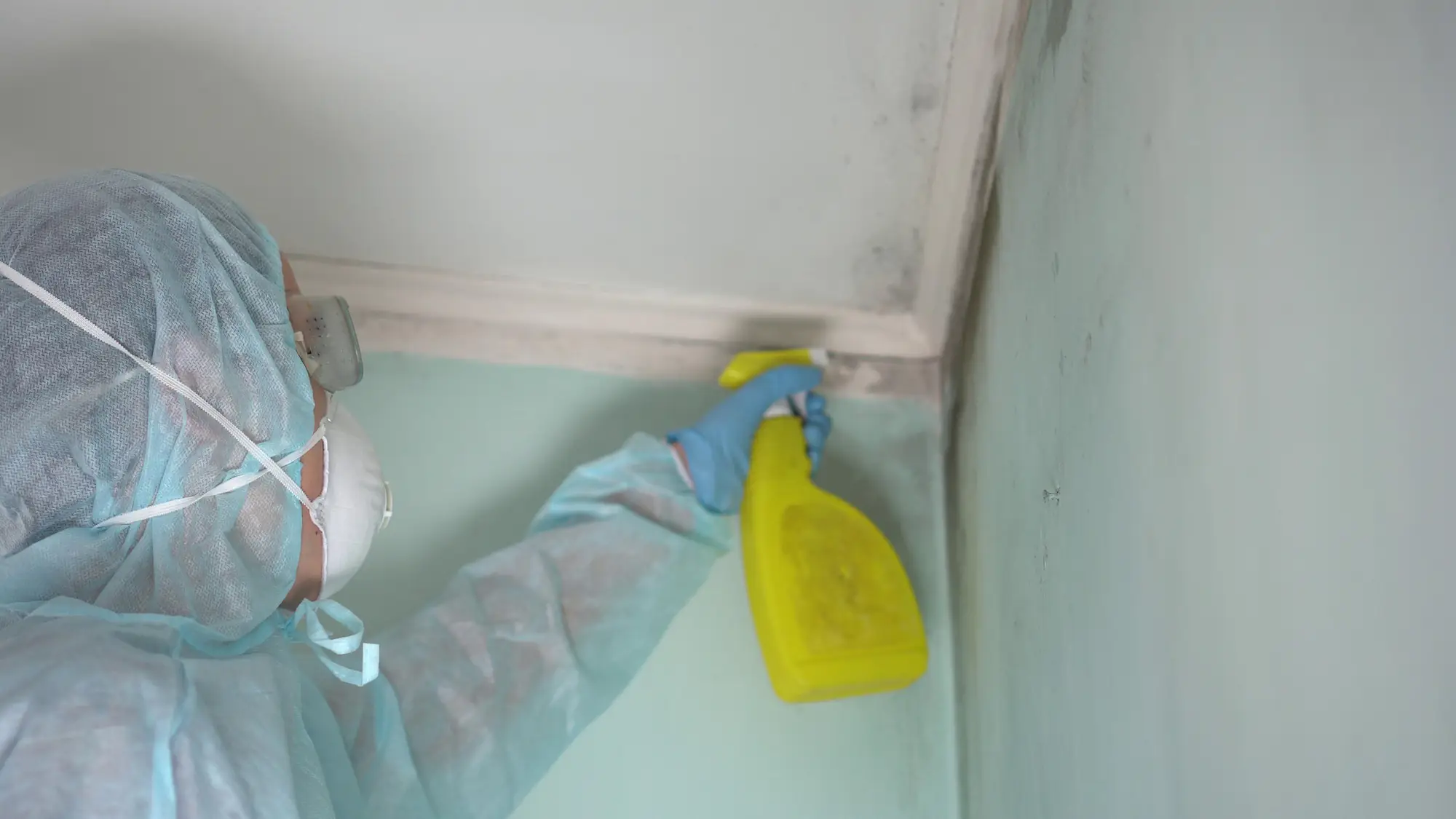
First, we walk through your home and look at the areas most likely to have issues—basements, bathrooms, kitchens, attics, and anywhere you’ve had water damage or noticed symptoms. We use moisture meters to check walls, ceilings, and floors for hidden dampness. We use infrared cameras to spot temperature differences that indicate water intrusion or poor insulation.
Then we collect air samples from multiple rooms, including at least one outdoor sample for comparison. The equipment pulls air through a collection device that captures mold spores, allergens, and particulates. We also take surface samples if we see visible growth or staining.
Those samples go to a certified lab. They analyze what species of mold are present, at what concentration, and whether those levels are abnormal compared to outdoor air. Results typically come back in three to seven business days.
Once we have the lab report, we walk you through what it means. If remediation is needed, we explain what that involves and give you transparent pricing. If the levels are normal or the issue is minor, we’ll tell you that and suggest preventive steps instead.

Ready to get started?
Every residential air quality testing appointment includes a full visual inspection of your property. We check moisture levels throughout the home using calibrated meters. We collect air samples from multiple locations—usually two to four depending on your home’s size and layout—and compare indoor air to outdoor baseline levels.
All samples are analyzed by an independent, certified laboratory. You get a detailed report that identifies specific mold species, their concentrations, and whether those levels are considered elevated for your area. The report also notes any other particulates or allergens detected during analysis.
In Spinnerstown, we pay extra attention to basements and crawl spaces because of how common moisture issues are in this area. Homes built before 1980 often lack proper vapor barriers, and properties near wooded areas or with poor grading tend to have recurring dampness. If your home has had past water damage—even if it was years ago—we focus on those areas because mold can remain dormant and reactivate when conditions are right.
You also get a consultation after results come back. We explain what the numbers mean, answer your questions, and recommend next steps if needed. No pressure. No upselling. Just clear information so you can make the right call for your home.
A basic indoor air quality test starts at $350 and includes a complete visual inspection, moisture detection throughout your home, and two air samples with full lab analysis. If your home is larger or you want additional sample locations, the cost goes up slightly—usually around $75 to $100 per extra sample.
That price covers the inspection appointment, sample collection, lab fees, and a follow-up consultation once results are back. We give you upfront pricing before we start, so there are no surprises on the invoice.
Some companies charge less but use cheaper labs or skip the moisture detection step. Others charge more and include services you might not need. We price based on what actually gets you useful information—accurate lab results and a thorough inspection of the areas most likely to have problems in Bucks County homes.
Lab results typically take three to seven business days from the time we collect your samples. The exact timeline depends on the lab’s current workload and the types of tests being performed, but most residential mold air tests fall within that range.
We work with certified laboratories that prioritize residential testing, so turnaround is usually on the faster end. If there’s any delay, we’ll let you know as soon as we hear from the lab.
Once results come in, we’ll contact you to schedule a time to review the report together. That conversation usually takes 20 to 30 minutes, and we’ll walk you through what each section means, answer your questions, and discuss next steps if remediation or further testing is recommended. If the results show an immediate health concern, we’ll reach out right away instead of waiting for a scheduled call.
Yes. Air sampling is particularly effective at finding hidden mold because it captures spores that have become airborne from concealed colonies. Even if mold is growing behind drywall, under flooring, or inside your HVAC system, spores typically enter the air where our equipment can detect them during lab analysis.
That said, air testing works best when combined with a visual inspection and moisture detection. If we see signs of water damage, staining, or elevated moisture levels in a wall or ceiling, we know to look closer—and the air samples help confirm whether there’s active growth.
In some cases, if air samples show elevated mold levels but we can’t pinpoint the source visually, we may recommend additional testing like a thermal imaging scan or an invasive inspection where we check inside walls or under flooring. But most of the time, the combination of air sampling and moisture readings gives us enough information to identify the problem and recommend a solution. Spinnerstown homes with finished basements or older additions are especially prone to hidden mold because of how those spaces were insulated and sealed decades ago.
The most common species we find in Spinnerstown are Cladosporium, Penicillium, Aspergillus, and Stachybotrys (black mold). Cladosporium and Penicillium thrive in damp, humid environments and are frequently found in basements, bathrooms, and around windows. Aspergillus tends to show up in areas with water damage or poor ventilation, like attics and crawl spaces.
Stachybotrys—the one most people worry about—grows on materials that stay wet for extended periods, like drywall or wood framing after a leak or flood. It’s less common than the others, but we do see it in homes that have had unresolved moisture problems.
Each species has different health implications and requires different approaches to remediation. That’s why lab analysis matters—it tells us exactly what’s growing and at what concentration, so we’re not guessing about the severity or the right treatment method. In Bucks County’s climate, mold growth is almost inevitable in homes with poor ventilation or past water issues, but not all mold is dangerous, and not all of it requires expensive remediation. Testing gives you the facts so you can respond appropriately.
If you’re experiencing symptoms—persistent allergies, sinus issues, fatigue, or respiratory irritation that improves when you leave the house—then yes, testing makes sense even if you don’t see visible growth. Mold often grows in hidden areas like behind walls, under flooring, or inside HVAC ducts, and the only way to know for sure is to test the air.
You should also consider testing if your home has had water damage in the past, even if it was treated. Mold can remain dormant and reactivate when humidity rises or if there’s another moisture event. Homes in Spinnerstown with basements, crawl spaces, or older construction are particularly vulnerable because of how moisture moves through those spaces.
If you’re buying or selling a home, air quality testing can protect your investment. Mold is one of the most common deal-breakers in Bucks County real estate, but it doesn’t have to be if you catch it early and address it properly. Testing gives you documentation of your home’s condition, which is valuable whether you’re negotiating a sale or just want peace of mind. If you’re not experiencing symptoms and your home has no history of water issues, testing may not be necessary—but it’s worth a conversation if you’re unsure.
First, don’t panic. High mold levels are fixable, and knowing you have a problem is better than living with one you don’t know about. Once we review your lab results and identify the source, we’ll recommend a remediation plan based on the species, concentration, and location of the growth.
For minor issues—like surface mold in a bathroom or small area of a basement—remediation might be straightforward and inexpensive. For larger problems, like mold inside walls or throughout an HVAC system, the process is more involved and requires containment, removal of affected materials, and treatment to prevent regrowth.
We’ll give you transparent pricing and a clear timeline before any work starts. If you want a second opinion or prefer to hire a different company for remediation, that’s fine—you’ll have the lab report and our findings to share with whoever you choose. Our goal is to give you accurate information and a realistic plan, not to pressure you into services you don’t need. Most homeowners in Spinnerstown who catch mold early through testing end up spending far less on remediation than those who wait until the problem becomes obvious—or until it shows up during a home inspection.
Other Services we provide in Spinnerstown