

Hear from Our Customers
You stop worrying about what’s growing behind your walls. The musty smell disappears. Your family stops dealing with constant sinus issues, headaches, and that nagging cough that won’t go away.
Real mold removal means you can breathe easier—literally. Your home’s air quality improves within days once the contaminated materials are removed and the space is properly treated. You’re not masking the problem with paint or hoping it doesn’t spread.
Your property value stays protected. Unaddressed mold can knock 20-37% off your home’s worth, and it shows up during inspections. Getting it handled now means you’re not scrambling before a sale or dealing with a buyer walking away.
You get your space back. That basement you’ve been avoiding becomes usable again. The bedroom closet stops being off-limits. You’re not constantly checking corners or sniffing around doorways wondering if it’s getting worse.
We work throughout Spinnerstown and Bucks County, handling everything from basement moisture issues to attic ventilation problems. We understand the local climate—humid summers, older housing stock, and the water intrusion patterns that come with this area.
We’re not a national franchise using the same approach everywhere. We know which Spinnerstown homes have crawl space issues, which neighborhoods deal with groundwater problems, and how the local building styles create specific mold risks.
You get a local team that shows up when we say we will, uses advanced detection equipment to find hidden growth, and explains what’s happening in plain terms. No upselling. No scare tactics. Just honest assessment and complete remediation.

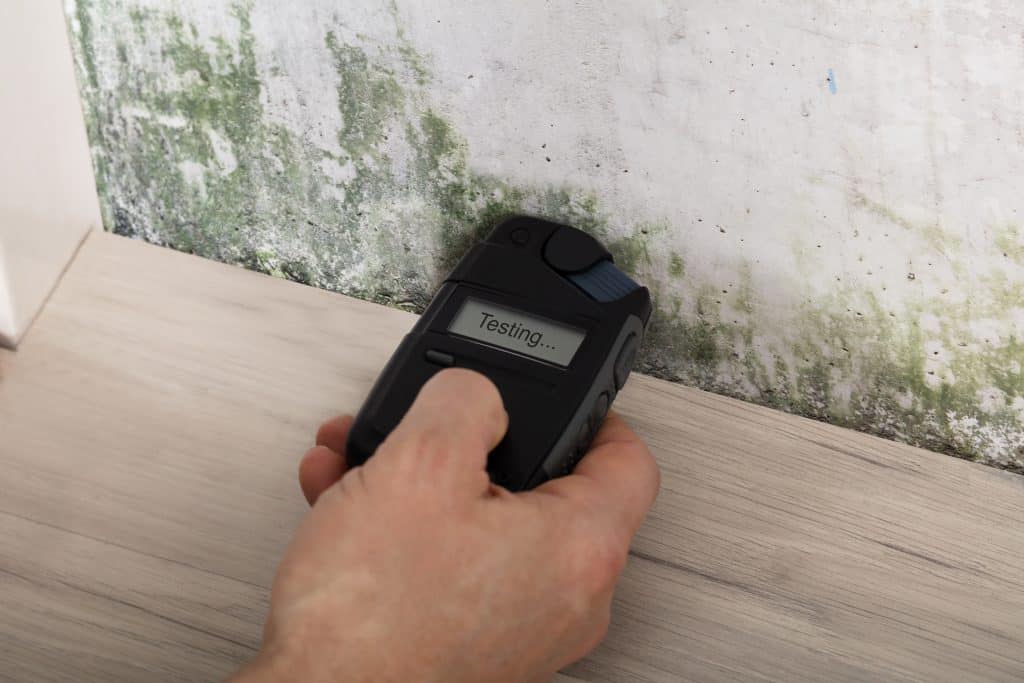
First, we do a free inspection of your property. We’re looking for visible mold, but also using moisture meters and thermal imaging to find what you can’t see. Most mold problems start with a water source—a slow leak, poor ventilation, humidity buildup—and we need to identify that before anything else.
Once we know what we’re dealing with, you get a detailed estimate. No surprises. We explain what needs to be removed, what can be cleaned, and how we’ll contain the area to prevent spores from spreading during the work.
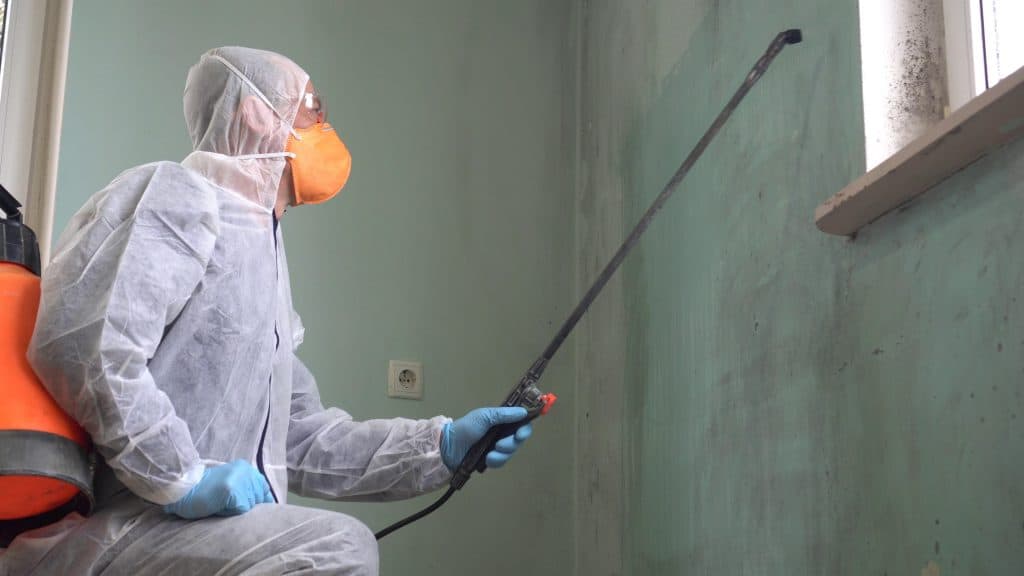
The actual remediation involves setting up containment barriers and negative air pressure to keep contaminated air from reaching other parts of your home. We remove affected materials—drywall, insulation, flooring, whatever’s compromised. Then we treat surfaces with antimicrobial solutions and use HEPA filtration to clean the air.
The last step is fixing the moisture problem. If we don’t address why the mold grew in the first place, you’ll be dealing with it again in six months. That might mean improving ventilation, repairing a leak, or recommending drainage solutions. We make sure the environment won’t support mold growth going forward.
Ready to get started?
You get a thorough property assessment using professional-grade detection equipment. We’re checking moisture levels in walls, floors, and ceilings. We’re looking at your HVAC system, basement, attic, bathrooms—anywhere water and humidity create problems.
Containment and safety protocols are standard. We seal off the work area, set up air scrubbers with HEPA filters, and use protective equipment. You’re not breathing in mold spores while we work, and the contamination doesn’t spread to clean areas of your home.
All compromised materials get removed and properly disposed of. If it’s porous and contaminated—drywall, carpet, insulation—it goes. We don’t try to save materials that will just harbor mold again. Hard surfaces get treated with antimicrobial solutions that kill remaining spores.
Spinnerstown’s climate means summer humidity creates perfect conditions for mold in basements and poorly ventilated spaces. We see it constantly in older homes where modern moisture barriers weren’t part of the original construction. That’s why our service includes identifying the moisture source and giving you a clear plan to prevent recurrence. You’re not just getting mold cleaning services—you’re getting a solution that actually lasts.
Most residential mold removal projects in Spinnerstown run between $1,500 and $4,000, but the actual cost depends entirely on how much mold you have and where it’s located. A small bathroom issue might cost $1,500. A finished basement with mold behind walls and in the HVAC system could run $6,000 or more.
The size of the affected area is the biggest factor. We charge based on square footage of contaminated space, the type of materials that need removal, and how difficult the access is. Mold in an open basement costs less to remediate than mold inside wall cavities that require demolition.
Your insurance might cover it if the mold resulted from a covered event like a burst pipe or storm damage. We work directly with insurance companies and can help you understand your coverage. For out-of-pocket costs, we offer financing options so you’re not choosing between your family’s health and your budget.
You can’t tell just by looking at it. Black mold (Stachybotrys chartarum) is dark and slimy, but so are other types of mold that aren’t as concerning. Color alone doesn’t tell you what species you’re dealing with or how dangerous it is.
What matters more than the type is the amount and your exposure. Any mold growth in your home needs to be addressed because it indicates a moisture problem and affects your indoor air quality. Black mold gets attention because it can produce mycotoxins, but plenty of other mold species cause respiratory issues, allergic reactions, and health problems.
If you want to know exactly what type of mold you have, we can take samples and send them to a certified lab for analysis. That said, the remediation process is the same regardless of species—we remove contaminated materials, treat surfaces, fix the moisture source, and restore air quality. The approach doesn’t change based on whether it’s black mold or another variety.
Small surface mold on non-porous materials—like a little growth on bathroom tile—you can handle yourself with proper cleaning products and ventilation. Anything larger than about 10 square feet, or any mold inside walls, under flooring, or in your HVAC system, needs professional remediation.
The problem with DIY mold removal is containment. When you disturb mold, you release thousands of spores into the air. Without proper containment barriers, negative air pressure, and HEPA filtration, you’re spreading contamination throughout your home. You might clean the visible mold but end up with a bigger problem than you started with.
You also need to find and fix the moisture source, or the mold comes right back. We see this constantly—homeowners scrub away surface mold, repaint, and six months later it’s back because the underlying leak or humidity issue was never addressed. Professional mold removal means identifying why it grew, removing all contaminated materials (including hidden growth), and creating conditions where it won’t return.
Most residential mold remediation projects take between two and five days from start to finish. A single-room issue might be done in two days. Whole-house contamination or extensive basement mold could take a week or more.
Day one is usually assessment, containment setup, and beginning the removal of contaminated materials. Days two and three involve finishing demolition, treating all surfaces, and running air scrubbers to filter out spores. The final days are for post-remediation cleaning, clearance testing if needed, and making sure the space is safe to rebuild.
You can typically stay in your home during the work as long as we’re able to properly contain the affected area. If the contamination is extensive or involves your HVAC system, we might recommend staying elsewhere for a few days. We’ll be upfront about that during the inspection so you can plan accordingly.
Not if we fix the moisture problem that caused it. Mold needs water to grow. Remove the water source, and mold can’t establish itself again. That’s why our process includes identifying and addressing the underlying issue—whether it’s a plumbing leak, poor ventilation, humidity buildup, or drainage problems.
If you just remove the mold but leave a leaking pipe or don’t improve basement ventilation, you’ll have mold again within months. We see this all the time with homeowners who tried DIY solutions or hired companies that only treat the surface problem. Real remediation means making your home inhospitable to mold growth.
We also provide recommendations for preventing future issues. That might mean using dehumidifiers in your basement, improving attic ventilation, fixing grading around your foundation, or upgrading bathroom exhaust fans. Spinnerstown’s humid summers create conditions where basements and poorly ventilated spaces are constantly at risk. Following our prevention guidance keeps you from dealing with this again.
It depends on what caused the mold. If mold resulted from a sudden, accidental event that your policy covers—like a burst pipe, roof leak during a storm, or appliance malfunction—insurance typically covers the remediation. If mold developed because of long-term neglect, poor maintenance, or gradual issues like humidity buildup, insurance usually won’t pay.
Pennsylvania doesn’t require insurance companies to cover mold damage, so coverage varies by policy. Some policies have mold coverage caps, often around $10,000. Others exclude mold entirely unless you purchase additional coverage. You need to check your specific policy or call your insurance company to understand what’s covered.
We work with insurance companies regularly and can help you navigate the claims process. We document everything with photos, moisture readings, and detailed reports that insurance adjusters need. If your claim gets approved, we bill the insurance company directly. If it doesn’t, we offer financing options so you can still get the remediation done without delay.
Other Services we provide in Spinnerstown