
Hear from Our Customers
You spend 90% of your time indoors. If your family’s dealing with constant headaches, allergies that won’t quit, or respiratory issues that seem worse at home, your air quality might be the problem.
A home air quality test tells you what’s actually floating around in your house. Mold spores, allergens, volatile organic compounds, particulate matter—things you can’t see but definitely feel. Once you know what’s there, you can fix it.
Testing isn’t about creating panic. It’s about getting answers. Especially in Bucks County, where ozone levels consistently earn failing grades from the American Lung Association, your indoor environment matters even more. You’ll know if mold is growing somewhere hidden, if your HVAC system is circulating contaminants, or if something else is making your home feel unhealthy.
After testing, you get a clear report. No jargon. Just facts about what we found and what it means for your family. Then you can decide what to do next with actual information, not guesswork.
We’ve been helping Smithtown families figure out what’s wrong with their indoor air for years. We’re IICRC certified, which means we follow actual standards, not shortcuts.
Our team uses professional-grade equipment to test for mold, allergens, and other airborne contaminants. We’re not here to sell you services you don’t need. We test, we report, we explain what we found in plain language.
Smithtown homeowners call us because we’re local, we’re thorough, and we don’t waste time. You get a free initial inspection, a detailed assessment, and honest recommendations. That’s it. No pressure, no runaround.
First, we come to your home in Smithtown and do a walkthrough. We’re looking for visible signs of problems—water damage, musty smells, areas with poor ventilation. We also ask about your symptoms and concerns.
Then we collect air samples from different rooms using calibrated equipment. We test both the air and surfaces if needed, especially if mold is a concern. The samples go to an independent lab for analysis. This isn’t a guess—it’s actual data.
You get a detailed report within a few days. It shows exactly what contaminants are present and at what levels. We walk you through the results and explain what they mean for your health and your home.
If we find issues, we’ll recommend next steps. Sometimes it’s simple—better ventilation, fixing a leak, cleaning your ducts. Other times it’s mold remediation or more involved work. Either way, you’ll know what you’re dealing with and what it’ll take to fix it.
Ready to get started?
Your residential air quality testing covers the contaminants that actually affect your health. We test for mold spores, which are common in Pennsylvania’s humid climate. We check for allergens like dust mites, pollen, and pet dander. We measure particulate matter and volatile organic compounds that come from building materials, cleaning products, and everyday items.
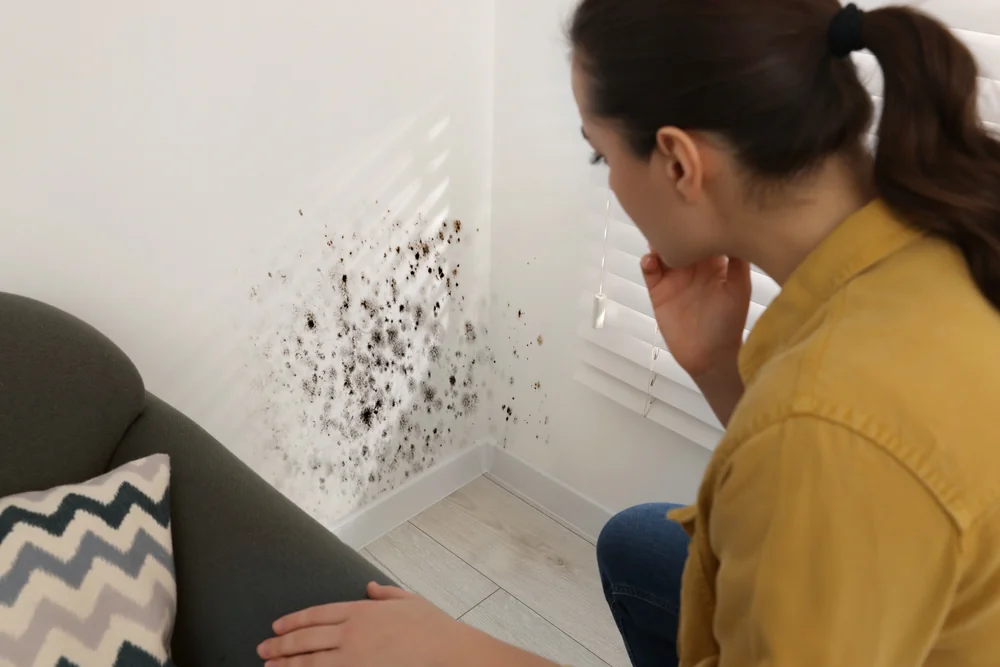
The mold air test is particularly important in Bucks County. Homes here deal with humidity, older construction, and weather that creates perfect conditions for mold growth. You might not see it, but if it’s there, the test will find it.
We also assess your home’s ventilation and identify areas where air quality problems start. Basements, bathrooms, attics—anywhere moisture builds up or air doesn’t circulate well. You get a complete picture of your indoor environment, not just a single reading.
Every test includes a written report with lab results, our findings, and clear recommendations. If your insurance company needs documentation, we provide that too. The goal is giving you everything you need to make your home healthier.
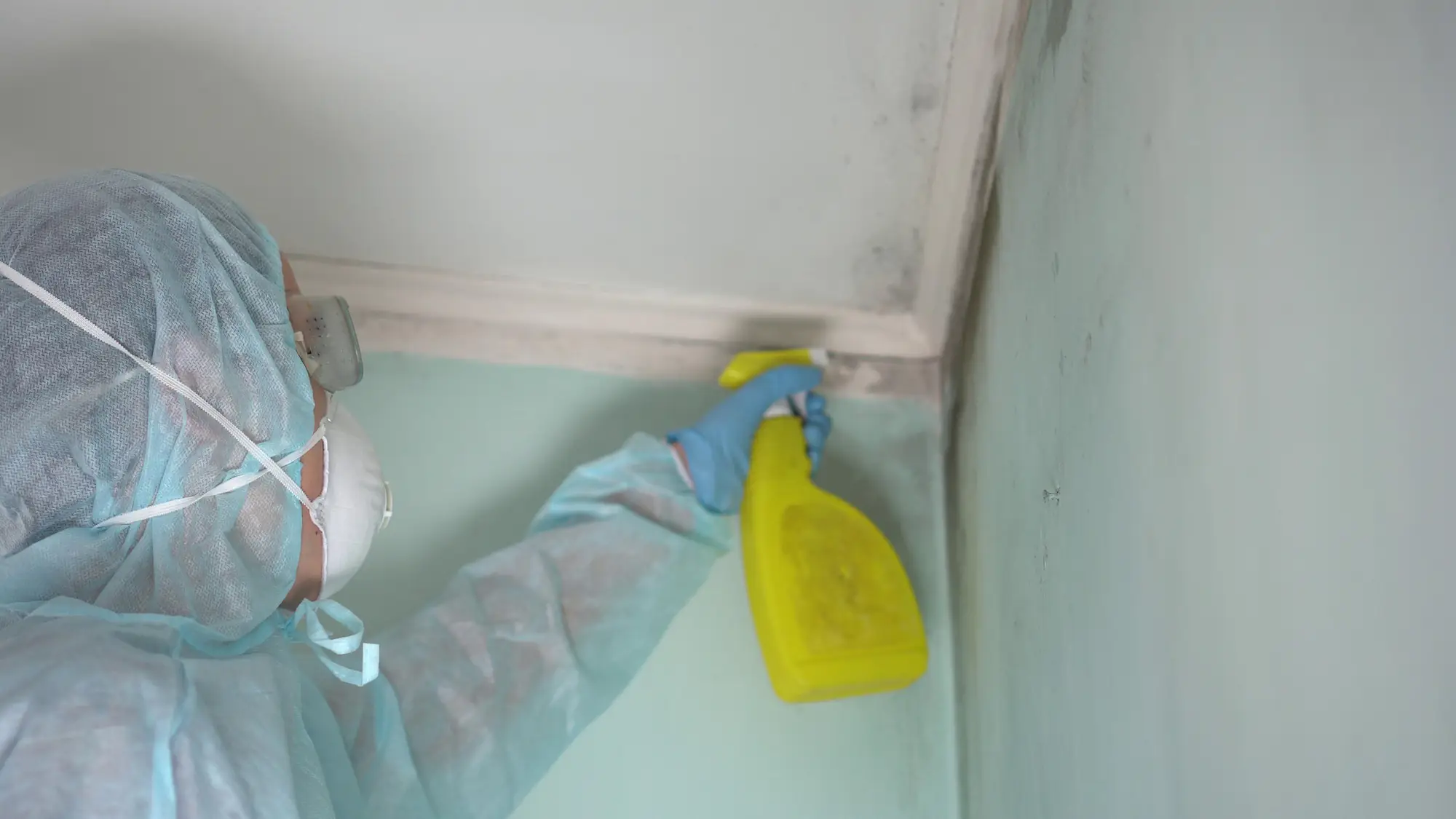
Most homeowners in Smithtown pay between $300 and $600 for a comprehensive indoor air quality test, depending on your home’s size and what you’re testing for. A basic mold air test runs on the lower end. If you need multiple rooms tested or want a full assessment including VOCs and allergens, expect the higher range.
We offer free initial inspections, so you’re not paying anything to have us come out and assess your situation. If testing makes sense, we’ll give you an exact price before we start. No surprises.
Some insurance policies cover air quality testing, especially if you’ve had water damage or suspect mold. We can work with your insurance company and provide the documentation they need. It’s worth checking your policy before assuming you’re paying out of pocket.
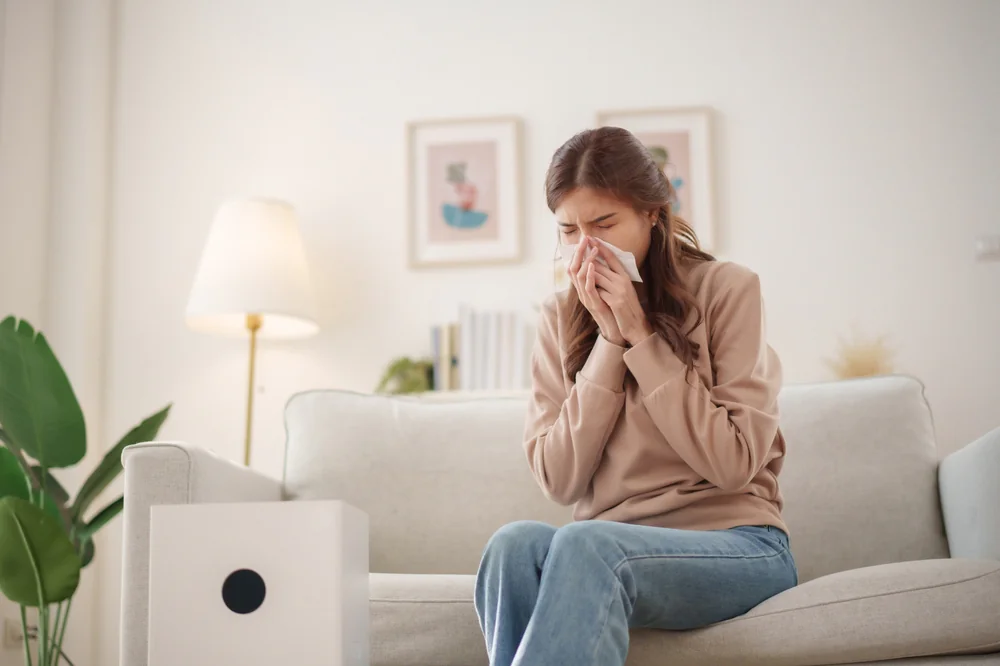
Constant headaches, fatigue, or dizziness that improve when you leave the house are red flags. Respiratory issues like coughing, wheezing, or shortness of breath that seem worse at home point to air quality problems. Allergy symptoms that never go away, even with medication, often mean something in your indoor air is triggering them.
Eye, nose, and throat irritation are common when you’re breathing contaminated air. If your kids are getting sick more often or your family’s asthma is harder to control, that’s worth investigating. Unexplained skin rashes can also be related to mold or other airborne irritants.
Musty odors are an obvious sign, but you don’t always smell mold before it affects your health. If you’ve had water damage, flooding, or leaks—even if they were fixed—testing is smart. Mold can grow behind walls or under floors where you can’t see it.
The bottom line: if your health improves when you’re away from home, your indoor air quality probably needs attention.
The actual testing appointment takes one to three hours, depending on your home’s size and how many areas we’re sampling. We’re not rushing through it. We need time to do a thorough inspection, collect samples properly, and make sure we’re testing the right spots.
After we collect samples, the lab analysis takes three to five business days. You’re not waiting weeks for results. Once we get the lab report, we schedule a time to go over everything with you. That conversation usually takes 30 to 45 minutes.
If you need results faster—maybe you’re buying a home or dealing with an urgent health situation—we can sometimes expedite lab processing. That costs a bit more, but it’s an option.
From your first call to getting your full report and recommendations, the whole process typically wraps up within a week. You’ll have answers quickly enough to take action while the issue is still fresh.
You can buy DIY air quality test kits online for $50 to $150. They’ll give you a general idea if something’s off. But here’s the problem: they’re not always accurate, they often test for limited contaminants, and you’re responsible for collecting samples correctly. If you mess up the process, your results are worthless.
Professional air quality testing uses calibrated equipment and follows strict protocols. We know where to sample, how to avoid contamination, and what conditions affect results. The samples go to certified labs, not some questionable analysis service. You get reliable data you can actually use.
If you’re just curious about your air quality and don’t have specific concerns, a DIY kit might be fine. But if you’re dealing with health symptoms, buying or selling a home, or suspect mold, professional testing is worth it. You need accuracy, not ballpark estimates.
Think of it this way: you wouldn’t diagnose your own medical condition with a home test and skip the doctor. Same principle applies here. Get real answers from people who do this for a living.
First, don’t panic. Finding contaminants means you can fix the problem. Not knowing is worse. We’ll walk you through the results and explain what levels are concerning versus what’s normal. Not every mold spore or allergen requires major remediation.
If we find mold, we’ll identify the type and concentration. Some molds are more problematic than others. We’ll also find the moisture source—because mold doesn’t grow without water. Fixing the moisture problem is just as important as removing the mold.
For remediation, we handle everything. Containment, removal, cleaning, and prevention. We follow IICRC standards and make sure the mold doesn’t spread during cleanup. After remediation, we can do post-testing to confirm the air is clean.
If the issue is something else—poor ventilation, allergens, VOCs—we’ll recommend solutions. Sometimes it’s improving airflow, upgrading filters, or removing specific materials. We’re not here to sell you unnecessary services. You get honest recommendations based on what the test actually shows.
No, you don’t need to leave during testing. The process is non-invasive and doesn’t involve chemicals or anything that would make your home unsafe. We’re just collecting air and surface samples.
Actually, it’s helpful if you’re home. You can show us areas you’re concerned about, point out where symptoms seem worse, and ask questions while we work. We’ll explain what we’re doing and why we’re testing certain spots.
If we find contamination and move forward with remediation, that’s different. Mold removal requires containment and sometimes you’ll need to stay elsewhere temporarily. But for testing itself, you’re fine to be home.
Some people prefer to be out during the appointment anyway—running errands, at work, whatever. That’s fine too. We just need access to your home and about two to three hours to do our job. You don’t need to babysit us.
Other Services we provide in Smithtown