
Hear from Our Customers
You can’t see what’s in your air, but you feel it. The headaches that won’t quit. The allergies that flare up indoors more than outside. Kids coughing at night for no clear reason.
A home air quality test gives you actual answers. You’ll know if mold spores are circulating through your HVAC system. You’ll see if humidity levels are creating the perfect breeding ground for allergens. You’ll understand what’s triggering symptoms—and what needs to be fixed.
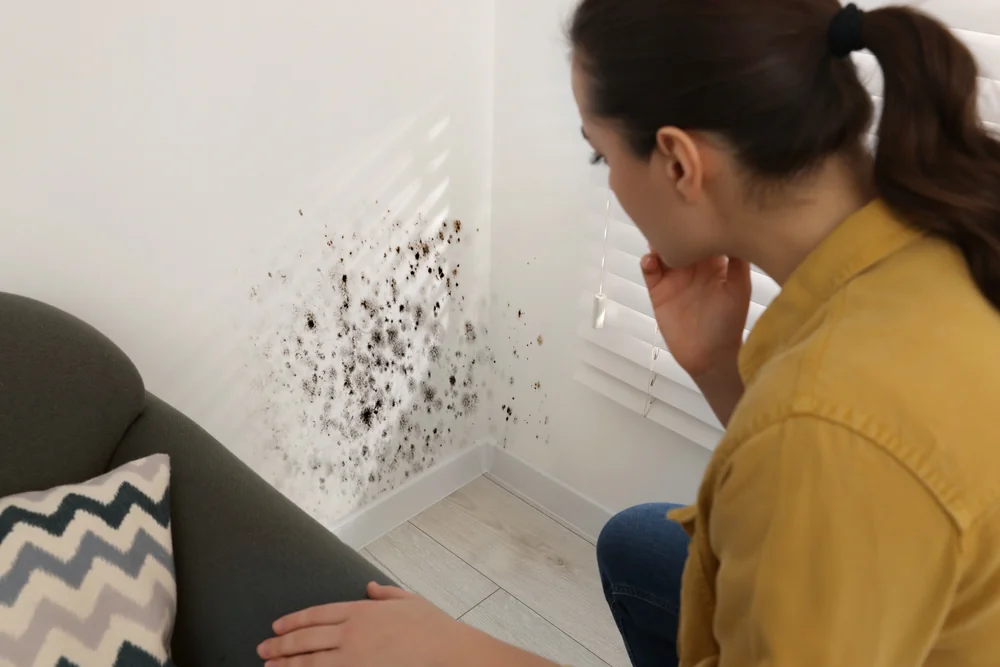
Most families wait until they see visible mold or smell something musty. By then, the problem’s been growing for months. Indoor air quality testing catches issues early, when they’re still manageable and affordable to address. You’re not guessing anymore—you’re working with data.
We’ve been testing and treating homes across Bucks County for years. We know Silverdale’s climate—the humid summers, the damp basements, the way moisture creeps into crawl spaces after a heavy rain in July.
We’re not a national franchise reading from a script. We live here. We’ve seen what happens when homeowners ignore that musty smell or assume their allergies are seasonal. We’ve also seen how much better families feel after identifying and fixing indoor air problems.
Our team uses the same advanced equipment—moisture meters, infrared cameras, air sampling tools—whether we’re testing a 1,200-square-foot ranch or a 4,000-square-foot colonial. You get a thorough inspection, clear results, and straight answers about what comes next.

We start with a free inspection. You show us the areas that concern you—the basement that always feels damp, the bedroom where your daughter’s allergies get worse, the bathroom where you’ve spotted discoloration on the ceiling. We also check places you might not think to look.
Next, we use moisture meters to measure humidity levels in walls, floors, and ceilings. High moisture doesn’t always mean visible water damage, but it does mean conditions are right for mold growth. Our infrared cameras detect temperature differences that indicate hidden moisture or poor ventilation.
Then comes air sampling. We collect samples from multiple rooms and send them to a certified lab. The lab identifies exactly what’s in your air—mold spores, allergens, volatile organic compounds, other pollutants. You get a detailed report that breaks down contamination levels and compares them to outdoor air quality.
Finally, we walk you through the results. No jargon, no upselling. Just clear explanations of what we found and what your options are. If you need remediation, we handle it. If you just need better ventilation or a dehumidifier, we’ll tell you that too.
Ready to get started?
Every residential air quality testing appointment includes a visual inspection of your entire home. We’re looking for visible mold, water stains, condensation, poor ventilation, and other red flags that affect indoor air quality.
You get moisture mapping with professional-grade meters. We test walls, ceilings, floors, and crawl spaces to find hidden dampness. Silverdale’s humid continental climate means basements and attics are especially vulnerable during summer months when heat and humidity spike.
Air sampling is standard, not an add-on. We collect samples from problem areas and compare them to outdoor air. The lab analysis identifies specific mold species, spore counts, and other airborne contaminants. This isn’t a pass/fail test—it’s a detailed breakdown of what’s actually in your air.
Surface testing is available if we find visible growth or discoloration. We take samples directly from suspicious areas to confirm whether it’s mold and what type. Some molds are more hazardous than others, and knowing exactly what you’re dealing with matters when planning remediation.
You also get a written report with photos, lab results, and our recommendations. We explain what the numbers mean, what poses a health risk, and what steps make sense for your situation and budget.
If anyone in your home is experiencing unexplained respiratory symptoms, worsening allergies, persistent headaches, or fatigue that improves when they leave the house, that’s a strong indicator. You’re not imagining it—indoor air pollutants and mold spores trigger real physical reactions.
Visible signs matter too. Musty odors, water stains, condensation on windows, discoloration on walls or ceilings, or any history of water damage all warrant testing. Even if you’ve cleaned up a leak or flood, mold can grow inside walls or under flooring where you can’t see it.
Silverdale’s climate creates ideal conditions for mold growth, especially during humid summer months. If your basement feels damp, your HVAC system hasn’t been cleaned in years, or you’ve noticed increased humidity indoors, a professional air quality test gives you baseline data. You’ll know whether you have a problem or just need better ventilation.
DIY kits test one small area and often produce false positives. They’ll detect mold spores—but mold spores exist in every home. What matters is the type of mold, the concentration, and whether levels are higher indoors than outdoors. DIY kits don’t give you that context.
Professional air quality testing uses calibrated equipment and certified lab analysis. We collect samples from multiple rooms, compare indoor air to outdoor air, and identify specific mold species and contamination levels. You get quantifiable data, not just a yes/no result that doesn’t tell you what to do next.
We also use moisture meters and infrared cameras to find hidden problems. A DIY kit won’t detect mold growing inside your walls or under your flooring. It won’t measure humidity levels or identify the source of moisture that’s feeding mold growth. Professional testing gives you the full picture—and a clear plan for fixing it.
The on-site inspection and sampling usually takes one to two hours, depending on your home’s size and the number of areas we’re testing. We’re thorough, but we’re not wasting your time. We focus on problem areas and high-risk zones like basements, bathrooms, attics, and crawl spaces.
Lab results typically come back within three to five business days. Some labs offer rush processing if you’re dealing with an urgent situation—like a family member with severe respiratory symptoms or a real estate transaction with a tight deadline.
Once we have the results, we schedule a follow-up call or meeting to review findings and discuss next steps. That conversation usually takes 30 to 45 minutes. We walk through the report, answer your questions, and outline your options. If remediation is needed, we provide a detailed estimate before any work begins.
No. Air quality testing is non-invasive. We collect air samples using specialized pumps—there’s no drilling, cutting, or damage to your home. Moisture meters and infrared cameras don’t require us to open walls or remove materials.
Surface testing involves swabbing or tape-lifting a small sample from visible growth or discoloration. It’s similar to wiping down a countertop. We’re not removing drywall or flooring unless we’ve discussed it with you first and you’ve agreed to exploratory work.
If our infrared cameras detect hidden moisture or temperature anomalies that suggest mold growth inside walls, we’ll recommend further investigation. But that’s a separate conversation. You’ll know exactly what we’re proposing, why it’s necessary, and what it costs before we proceed. Testing itself leaves your home exactly as we found it.
First, don’t panic. Finding mold doesn’t mean your home is uninhabitable or worthless. It means you have information and can take action before the problem gets worse. Most mold issues are fixable, especially when caught early through testing.
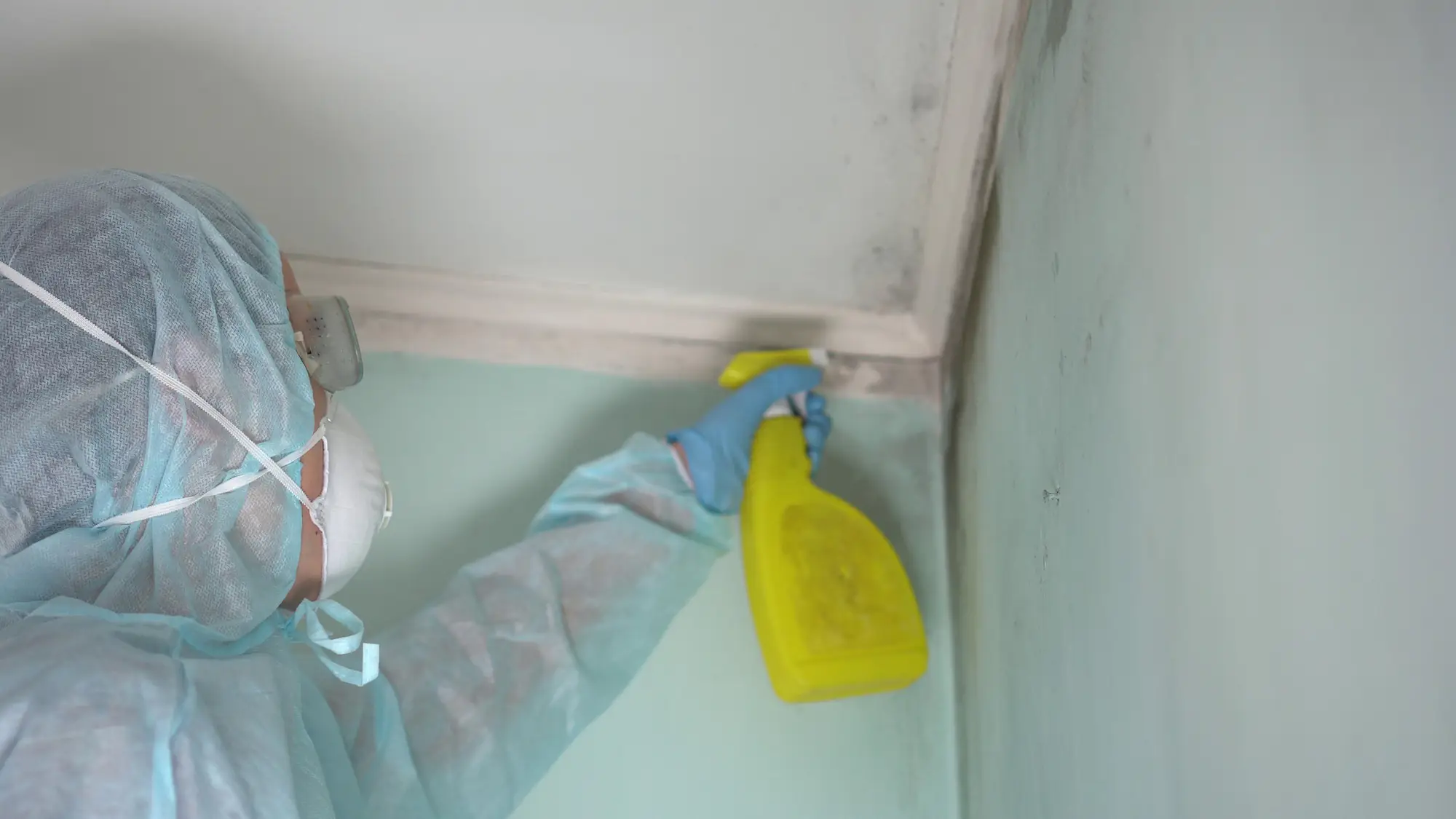
We’ll walk you through the lab results and explain what they mean in plain language. You’ll know what type of mold was found, where concentrations are highest, and whether levels exceed safe thresholds. We’ll also identify the moisture source feeding mold growth—because removing mold without fixing the moisture problem means it’ll just come back.
From there, you decide how to proceed. If remediation is necessary, we provide a detailed estimate and timeline. We handle mold removal, containment, air filtration, and restoration work. We also work with insurance companies if your policy covers mold damage. If the issue is minor—maybe you just need a dehumidifier or better bathroom ventilation—we’ll tell you that too. You’re not locked into anything. You’re just informed.
Cost depends on your home’s size, the number of samples collected, and whether you need additional testing like surface analysis or moisture mapping. A standard residential air quality test for a typical single-family home usually ranges from a few hundred dollars to around $600 or $700. You’re paying for professional equipment, certified lab analysis, and expert interpretation of results.
We offer free inspections, so you’re not paying anything upfront just to have us assess your situation. If testing makes sense based on what we find during the inspection, we’ll give you a clear quote before proceeding. No surprises, no hidden fees.
Here’s the reality: air quality testing costs a fraction of what you’ll spend on mold remediation if you wait until the problem is severe. It costs less than months of doctor visits, medications, and missed work because your family’s dealing with unexplained respiratory issues. Early detection saves money. You’re investing in answers and prevention, not just reacting to a crisis after it’s already affecting your health and your home’s structure.
Other Services we provide in Silverdale