
Hear from Our Customers
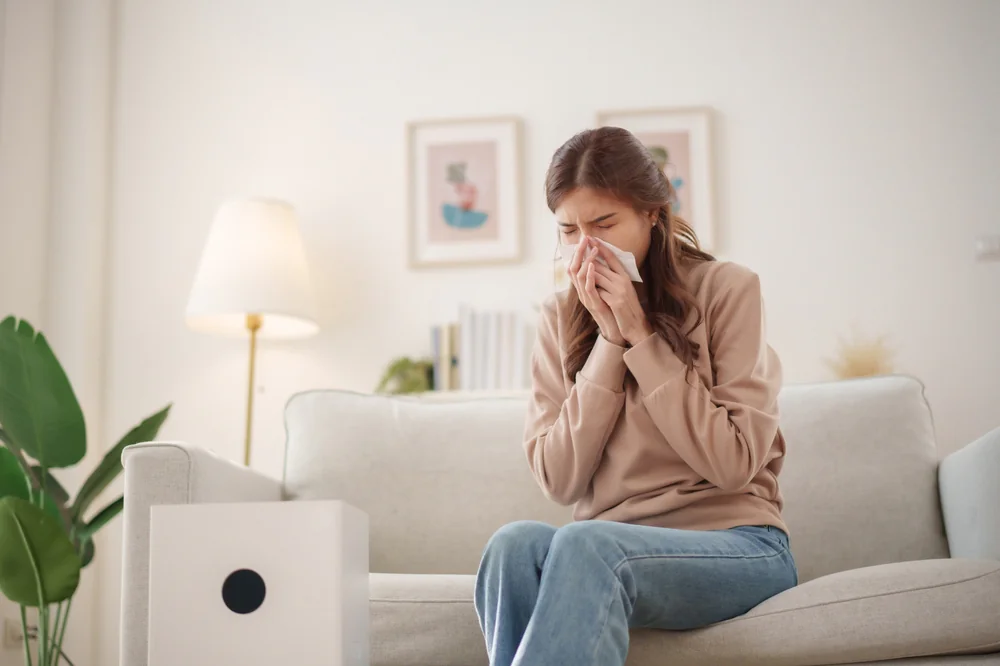
You’ve noticed the symptoms. Headaches that clear up when you leave the house. Kids with allergies that won’t quit. A musty smell you can’t track down. Maybe you’re selling a property and the buyer’s inspector flagged something during the walkthrough.
Most people wait too long to test their air. They assume it’s seasonal allergies or bad luck. But Bucks County has some of the worst ozone levels in Pennsylvania, and about 40% of homes in this state test above the EPA’s radon action level. That’s not a coincidence.
A home air quality test gives you actual data. Spore counts. Radon levels. VOC concentrations. Particulate measurements. You’ll know what’s in the air, how much of it there is, and whether it’s something that needs fixing. No more wondering if that cough is just a cold or if something in your walls is making it worse.
We’ve been serving Saint Leonard and the surrounding Bucks County area for over ten years. We’re not a franchise or a national chain that parachutes in with a checklist. We know the homes here, the basements that flood, the older construction that traps moisture, and the geological realities that make radon a legitimate concern in this part of Pennsylvania.
Our team uses EPA-certified methods and lab analysis to give you results that actually mean something. We’re not here to upsell you on services you don’t need. If your air tests clean, we’ll tell you. If there’s a problem, we’ll explain what it is, why it matters, and what your options are.
First, we schedule a time that works for you. No need to prep the house or move furniture around. When we arrive, we’ll do a visual inspection to identify any obvious issues like water damage, visible mold, or ventilation problems. That gives us context for what we’re testing.
Next, we collect air samples using calibrated equipment. We’re testing for mold spores, radon gas, volatile organic compounds, carbon monoxide, carbon dioxide, and particulates like dust and dander. Depending on what you’re concerned about, we might also do surface testing or moisture readings. The whole process usually takes an hour or two.
Samples go to an independent lab for analysis. You’re not waiting weeks for results. Most tests come back within 72 hours. We’ll walk you through the report, explain what the numbers mean, and answer any questions. If remediation is needed, we’ll lay out a plan. If your air is fine, you’ll have documentation proving it.
Ready to get started?
Mold spores are the big one. High counts can trigger asthma, make allergies unbearable, and cause respiratory issues that feel like a cold that never ends. We identify species and concentration levels so you know if you’re dealing with something toxic or just a nuisance.
Radon is the second leading cause of lung cancer in the U.S. It’s colorless, odorless, and you can’t detect it without testing. Pennsylvania has one of the worst radon problems in the country, and Bucks County is no exception. Testing is the only way to know if your home is above the EPA’s 4.0 pCi/L action level.
VOCs come from cleaning products, paint, furniture, and building materials. Carbon monoxide can leak from furnaces or water heaters. Particulates include dust, pollen, and pet dander. All of these affect how you feel indoors, especially if someone in your household has asthma or allergies. We measure all of it and give you a full picture of what’s circulating through your home in Saint Leonard, PA.
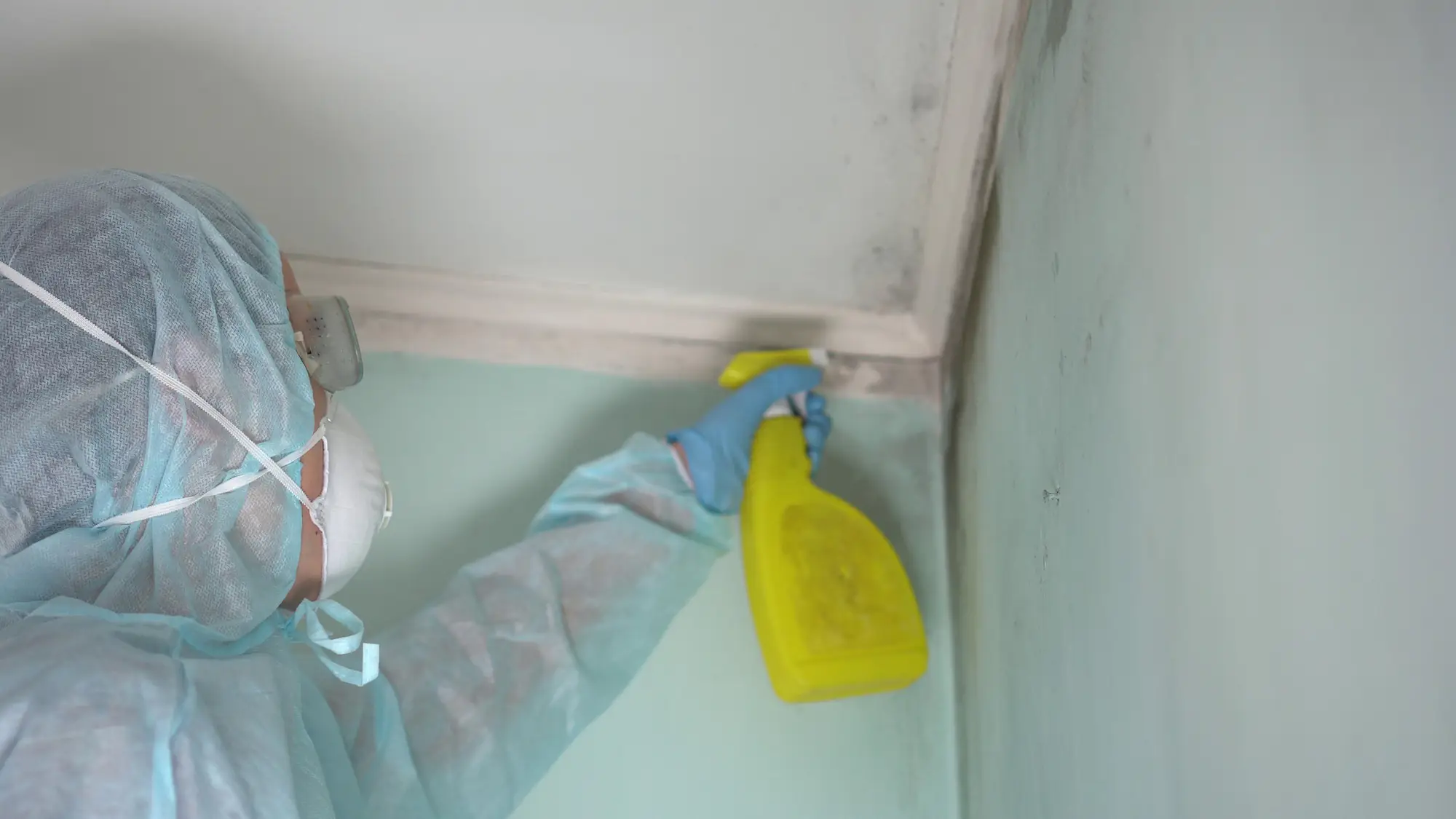
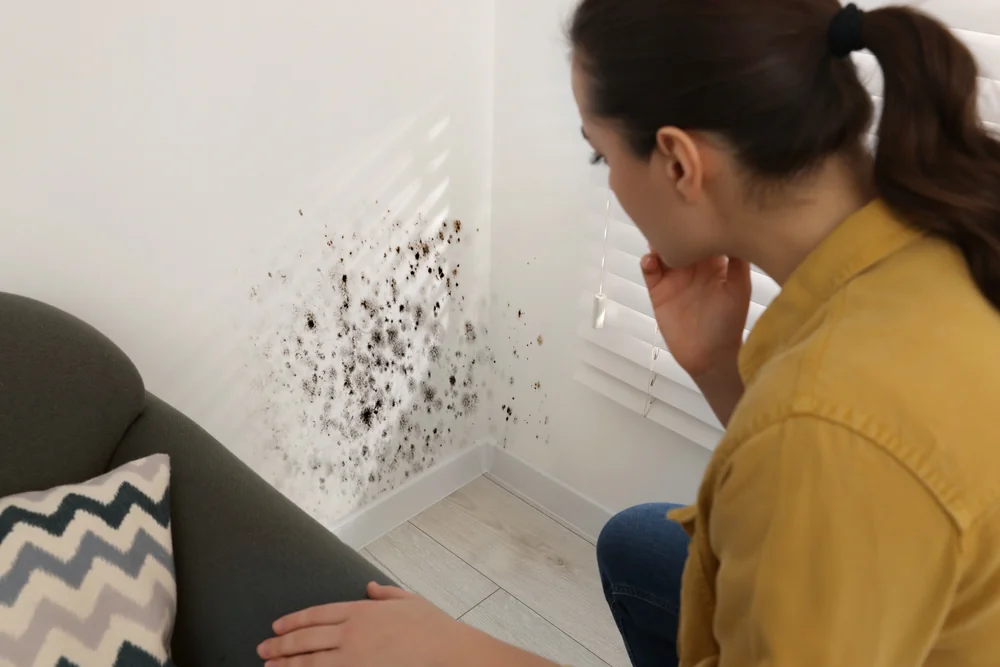
If you’re dealing with unexplained health symptoms that improve when you leave the house, that’s a sign. Persistent coughing, sinus issues, headaches, or worsening asthma can all be linked to mold exposure. You might also notice a musty odor, visible water damage, or discoloration on walls and ceilings.
Real estate transactions are another common reason. If you’re buying or selling a home and the inspector found moisture issues or suspected mold, a mold air test gives you documentation. It’s also smart to test after any flooding, roof leaks, or plumbing problems, even if you can’t see mold growing.
DIY test kits don’t give you the detail you need. They can’t tell you what species of mold you’re dealing with or whether the concentration is dangerous. Professional air quality testing uses lab analysis to identify specific mold types and spore counts, which is what you need to make informed decisions about remediation.
A complete indoor air quality test covers multiple contaminants. We test for mold spores, radon, carbon monoxide, carbon dioxide, volatile organic compounds, and particulates. Each of these affects your health differently, and testing for all of them gives you a full picture.
We start with a visual inspection using moisture meters and infrared cameras to find hidden problems. Then we collect air samples from different areas of your home. Surface testing might be included if we find visible growth or suspect contamination in specific spots like a basement or bathroom.
All samples go to an independent lab for analysis. You’ll get a detailed report showing exactly what’s in your air, at what concentrations, and how those levels compare to EPA guidelines. We’ll explain the findings in plain language and recommend next steps if anything needs attention. The whole process typically wraps up within 72 hours from testing to results.
The onsite portion usually takes one to two hours depending on the size of your home and what we’re testing for. We’re not rushing through it. We need time to do a thorough visual inspection, take air samples from multiple rooms, and check moisture levels in areas that might be problematic.
Radon testing is different. Because radon levels fluctuate, we need to leave a monitor in your home for 48 to 72 hours to get an accurate reading. The device sits undisturbed in your lowest livable space, collecting data the entire time. We’ll coordinate pickup and explain the results once the monitoring period is complete.
Lab analysis for mold and other contaminants typically comes back within three days. You’re not waiting weeks to find out what’s going on. Once we have the results, we’ll schedule a time to review everything with you and discuss any necessary remediation if levels are elevated.
DIY kits can tell you if mold is present, but they can’t tell you what kind or how much. That matters because some mold species are toxic and require immediate remediation, while others are relatively harmless. Without lab-grade analysis, you’re guessing about whether you have a serious problem or just normal background levels.
DIY kits also don’t test for the full range of contaminants that affect indoor air quality. You might catch mold but miss elevated radon, high VOC levels, or carbon monoxide issues. Professional air quality testing covers all of these at once, giving you a complete assessment instead of a partial picture.
The equipment matters too. We use calibrated, professional-grade monitors and sampling devices that meet EPA standards. Our samples are analyzed by independent labs that specialize in air quality testing. That level of accuracy and detail isn’t something you can get from a kit you order online. If you’re making decisions about remediation or trying to document a problem for insurance or real estate purposes, you need results that hold up.
Pennsylvania’s geology makes it a high-risk state for radon. The bedrock contains uranium deposits that break down naturally and release radon gas. That gas seeps up through soil and enters homes through cracks in foundations, crawl spaces, and basements. About 40% of Pennsylvania homes test above the EPA’s action level of 4.0 pCi/L.
Radon is the second leading cause of lung cancer in the United States, responsible for an estimated 21,000 deaths every year. It’s the leading cause of lung cancer in non-smokers. The danger is that you can’t see it, smell it, or taste it. There’s no way to know your home has elevated radon without testing.
Bucks County is no exception to Pennsylvania’s radon problem. The only way to protect yourself is to test. If levels are high, mitigation systems can reduce radon by up to 99%. But you have to know there’s a problem first. Testing is inexpensive compared to the health risks, and it’s especially important if you have a basement or if your home was built before radon-resistant construction became standard.
First, we’ll walk you through the results so you understand what we found and why it matters. If mold spore counts are elevated, we’ll identify the species and explain whether it’s a health risk. If radon levels are above 4.0 pCi/L, we’ll discuss mitigation options. If VOCs or carbon monoxide are high, we’ll help you pinpoint the source.
Remediation depends on what the problem is. Mold usually requires removing contaminated materials, fixing the moisture source, and cleaning affected areas with proper containment. Radon needs a mitigation system installed to vent the gas safely outside. VOC issues might be as simple as improving ventilation or replacing products that are off-gassing chemicals.
We’ll give you a clear plan with no pressure. If you want us to handle the remediation, we can do that. If you want to hire someone else or tackle parts of it yourself, that’s fine too. The important thing is that you have accurate information and know what your options are. Most issues are fixable once you know what you’re dealing with.
Other Services we provide in Saint Leonard