
Hear from Our Customers
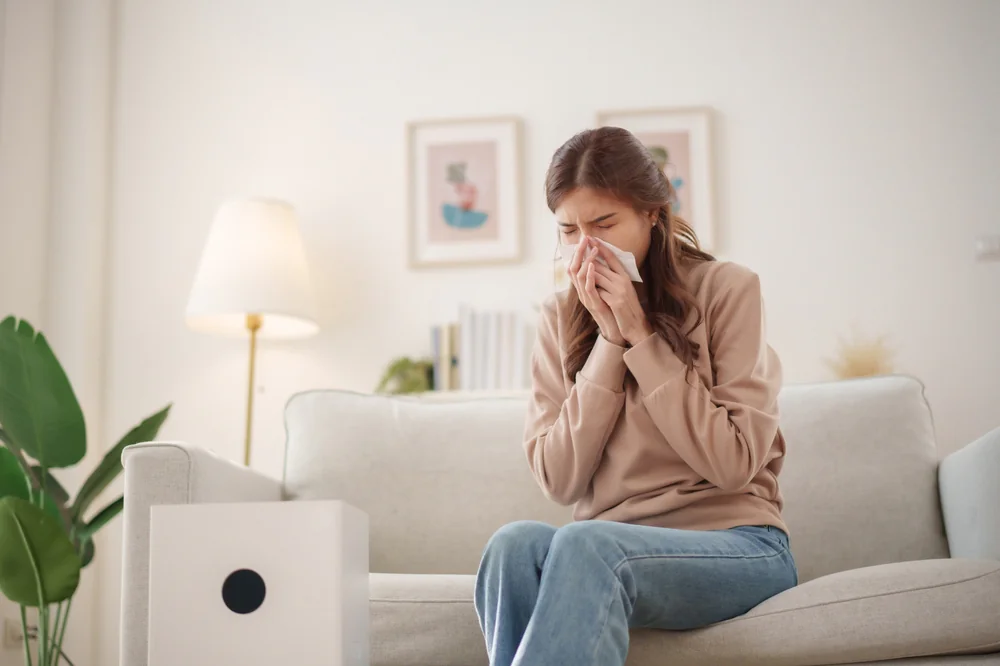
You notice the musty smell when you walk in the door. Your kids’ allergies flare up at home but settle down at school. You feel fine at work, then tired and foggy-headed by dinner.
These aren’t coincidences. They’re signs that something in your indoor air isn’t right.
A home air quality test gives you actual data instead of guesses. We use thermal imaging, moisture meters, and air sampling equipment to measure what’s circulating through your home. Mold spores, volatile organic compounds, elevated humidity, radon gas—things that don’t show up until you look for them with the right tools.
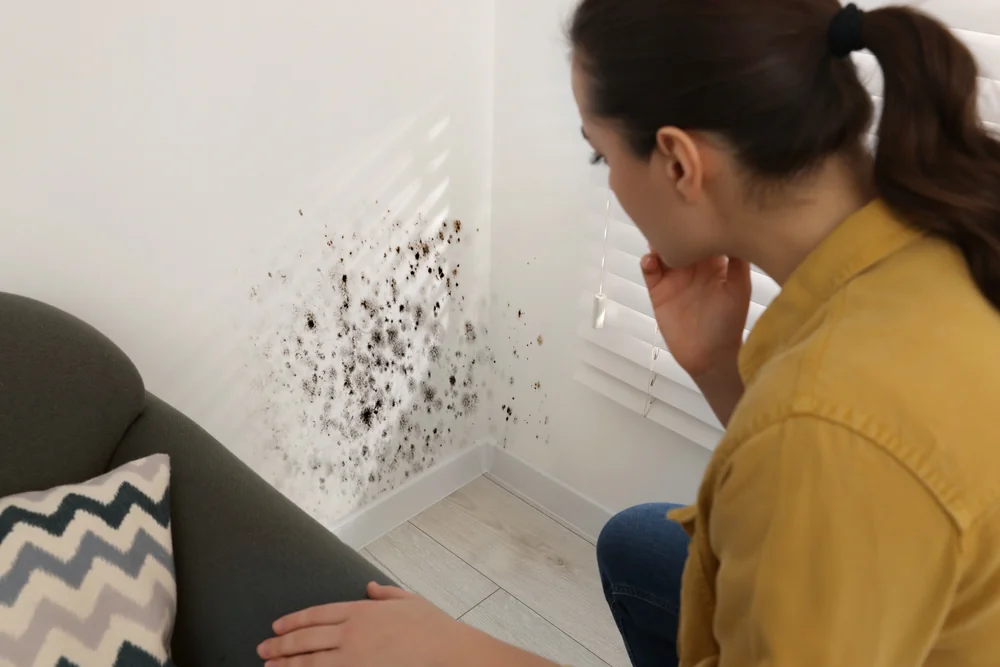
Bucks County’s humid climate makes mold growth almost inevitable in basements, crawl spaces, and bathrooms. About 40% of homes in Pennsylvania test above EPA guidelines for radon, which you can’t smell or see but causes serious long-term health risks. An indoor air quality test catches these problems early, when they’re still manageable and before they affect your family’s health or your home’s value.
We’ve been testing and treating homes across Bucks County for years. We know what grows in Rushland basements after a wet spring. We know which neighborhoods have older construction that traps moisture, and we know how Pennsylvania’s radon levels compare to the rest of the country.
When you call us for residential air quality testing, we’re not running a script. We’re looking at your specific home, your specific concerns, and the conditions that matter in this area. Our team uses IICRC-certified methods and professional-grade equipment to give you accurate results, not ballpark estimates.
We’re local, and we’ve seen what happens when small air quality issues turn into expensive remediation projects. That’s why we focus on catching problems early.
First, we walk through your home and talk about what you’ve noticed. Odors, health symptoms, visible moisture, recent water damage—it all matters. This isn’t a checklist. It’s a conversation that helps us understand what to look for.
Next, we use infrared cameras and moisture meters to find hidden water intrusion or temperature differences that indicate mold growth behind walls or under floors. We take air samples in multiple rooms to measure mold spore counts, and we can test for radon, VOCs, and other airborne contaminants depending on what your home needs.
The equipment we use is the same technology environmental consultants rely on. It’s accurate, and it gives us real numbers instead of visual guesses.
After testing, we send samples to a certified lab for analysis. You get a detailed report that explains what we found, where the contamination is coming from, and what levels are considered safe versus problematic. Then we walk you through the results and recommend next steps—whether that’s remediation, ventilation improvements, or just monitoring over time.
Ready to get started?
A mold air test from us includes visual inspection, moisture mapping, air sampling, and surface testing if needed. We check basements, crawl spaces, attics, bathrooms, and any area where you’ve noticed problems or where conditions make contamination likely.
Rushland’s climate creates perfect conditions for mold. Humidity spikes in summer, temperature swings in spring and fall, and older homes with limited ventilation all contribute. We account for these local factors when we assess your home, because what’s normal in Arizona isn’t normal here.
If radon is a concern, we can set up continuous monitoring that tracks levels over several days. Radon concentrations fluctuate, so short-term tests don’t always give you the full picture. Pennsylvania has some of the highest radon levels in the country, and Bucks County is no exception.
You also get a written report with lab-certified results, photos of problem areas, moisture readings, and our professional recommendations. If remediation is needed, we explain what that involves and what it costs. If your air quality is fine, we tell you that too.
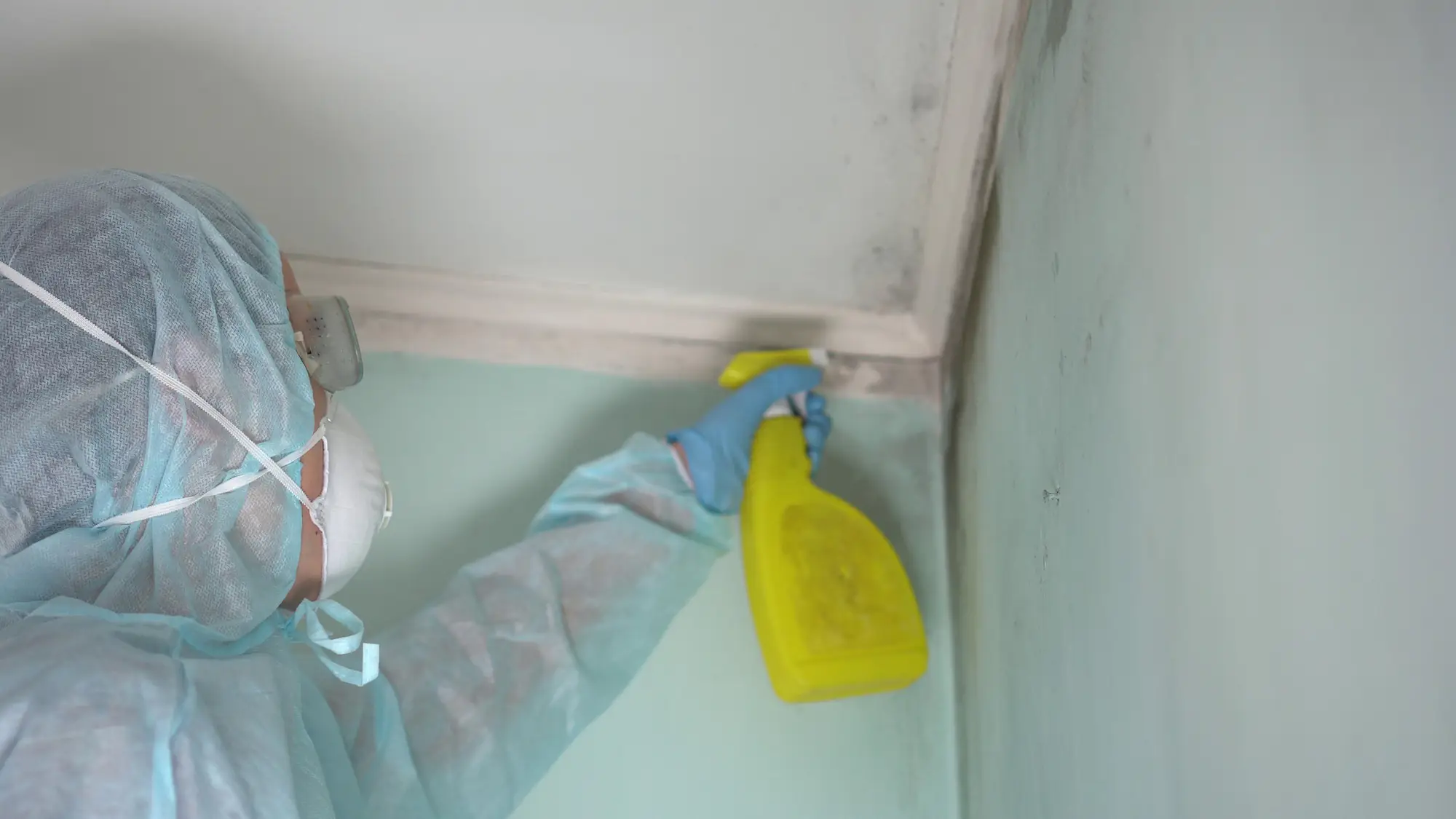
Most homeowners in Rushland pay between $400 and $600 for a complete indoor air quality assessment. That includes visual inspection, air sampling in multiple rooms, moisture detection, and lab analysis of samples.
If you need additional testing—like radon monitoring or VOC screening—costs go up depending on what you’re testing for and how many samples we take. Radon tests typically add another $150 to $200. Mold air tests that cover a larger home or require more sample points can run higher.
The cost is worth it when you consider what you’re getting. DIY test kits from hardware stores cost $10 to $50, but they don’t tell you where contamination is coming from, how severe it is, or what to do about it. Professional air quality testing gives you lab-certified data and a clear action plan, which matters if you’re dealing with health symptoms, buying or selling a home, or trying to prevent expensive damage down the road.
A mold inspection focuses specifically on finding mold growth and measuring mold spore levels in your air. It includes visual inspection, moisture detection, air sampling, and sometimes surface sampling if we find visible growth. The goal is to confirm whether you have a mold problem and how bad it is.
A full home air quality test looks at mold plus other contaminants—radon, carbon monoxide, VOCs from cleaning products or building materials, humidity levels, and particulate matter like dust and pollen. It’s a broader assessment of everything affecting your indoor air.
Most people start with a mold air test if they’re seeing signs of growth, smelling musty odors, or dealing with allergy symptoms at home. If you’re concerned about radon (which is common in Pennsylvania), chemical odors, or overall air quality in a newer home with tight construction, a comprehensive air quality test makes more sense. We can talk through what you’re dealing with and recommend the right level of testing based on your situation and your home’s history.
The on-site testing usually takes two to three hours depending on the size of your home and how many areas we’re sampling. We’re not rushing through it. We’re checking basements, attics, crawl spaces, bathrooms, and any rooms where you’ve noticed issues.
After we collect samples, they go to a certified lab for analysis. You’ll typically get results back within three to five business days. Radon tests take a bit longer if we’re doing continuous monitoring over several days, but you’ll have a full report within a week in most cases.
Once results come in, we schedule a follow-up call or meeting to walk through what we found. We explain the numbers, show you where problems are located, and talk about what happens next. If remediation is needed, we give you a clear estimate and timeline. If your air quality is fine, we let you know that too and recommend how often you should retest based on your home’s age and conditions.
You can buy DIY air quality test kits, but they have serious limitations. Most over-the-counter mold tests only tell you if mold spores are present—which they are in every home. They don’t tell you what type of mold, how much, where it’s growing, or whether levels are actually dangerous.
DIY kits also can’t detect hidden moisture, measure radon accurately over time, or identify contamination behind walls and under floors. You’re basically getting a yes-or-no answer to a question that needs a lot more detail.
Professional air quality testing uses calibrated equipment—thermal cameras, moisture meters, lab-grade air sampling pumps—and the samples get analyzed by certified labs that can identify specific mold species and measure spore concentrations. We also interpret the results in context. A certain mold count might be fine in one situation and problematic in another depending on the type of mold, where it’s growing, and who’s living in the home.
If you’re buying a home, dealing with health symptoms, or trying to solve a recurring mold problem, professional testing is the only way to get reliable answers. If you just want peace of mind and don’t have any red flags, a DIY test might be enough—but know its limits.
Musty odors that don’t go away are the most obvious sign. If your basement, bathroom, or closets smell like mildew, there’s likely mold growing somewhere even if you can’t see it.
Health symptoms that improve when you leave the house are another red flag. Chronic sinus congestion, headaches, fatigue, coughing, or allergy symptoms that flare up at home but settle down at work or school often point to poor indoor air quality.
Visible mold growth, water stains, or recent water damage—from leaks, floods, or even high humidity—are clear reasons to test. Mold starts growing within 24 to 48 hours after materials get wet, and it spreads fast in Bucks County’s humid climate.
You should also test if you’re buying or selling a home, if you have young children or elderly family members with respiratory issues, or if your home has a history of moisture problems. Pennsylvania’s high radon levels make testing especially important if you have a basement or if previous owners never checked radon levels. About 40% of homes in this state test above EPA action guidelines, and radon is the second leading cause of lung cancer in the U.S.
Most homes benefit from air quality testing every one to two years, especially if you have a basement, crawl space, or history of moisture issues. Bucks County’s humidity and temperature swings create conditions where mold can develop quickly, and regular testing catches problems before they get expensive.
If you’ve had mold remediation done in the past, test again six months to a year later to make sure the problem didn’t come back. Mold returns if the moisture source wasn’t fixed, and follow-up testing confirms that remediation actually worked.
Test immediately if you notice new musty smells, water damage, or health symptoms that started recently. Don’t wait for annual testing if something has changed in your home.
Radon levels can fluctuate over time due to changes in your home’s foundation, soil conditions, or ventilation, so retesting every two to three years is smart even if previous results were low. If you’ve never tested for radon and you live in Pennsylvania, start now. The EPA estimates that radon causes 21,000 lung cancer deaths every year, and our state has some of the highest concentrations in the country.
Other Services we provide in Rushland