

Hear from Our Customers
You stop worrying about what’s growing behind your walls. Your family breathes easier—literally. Allergy symptoms drop off, that musty smell disappears, and you’re not constantly checking corners for new spots.
Your home value stays protected. If you’re selling, you won’t hit that wall during inspection where a buyer walks because of mold disclosure. If you’re staying, you’re not looking at compounding damage that turns a $2,000 problem into a $10,000 nightmare.
The air quality improves fast. Most people notice the difference within days. Kids with asthma have fewer flare-ups. You’re not dealing with constant sinus issues or that scratchy throat that never quite goes away. That’s what complete mold removal does when the source gets fixed, not just the surface.
We’ve been handling mold problems across Bucks County for years. We’re local, which means we’ve seen what Rushland’s humid summers and wet springs do to homes in this area. The older homes near the creek? We know those basements. The split-levels built in the 80s with poor ventilation? We’ve fixed dozens.
We’re not a national franchise that shows up with a generic checklist. Our team lives here, works here, and understands the specific mold issues that come with this climate. When we inspect your property, we’re looking for the patterns we’ve seen in hundreds of Rushland homes.
You get certified professionals using advanced detection equipment and lab-tested removal methods. We find the moisture source, eliminate the mold completely, and show you how to prevent it from coming back.

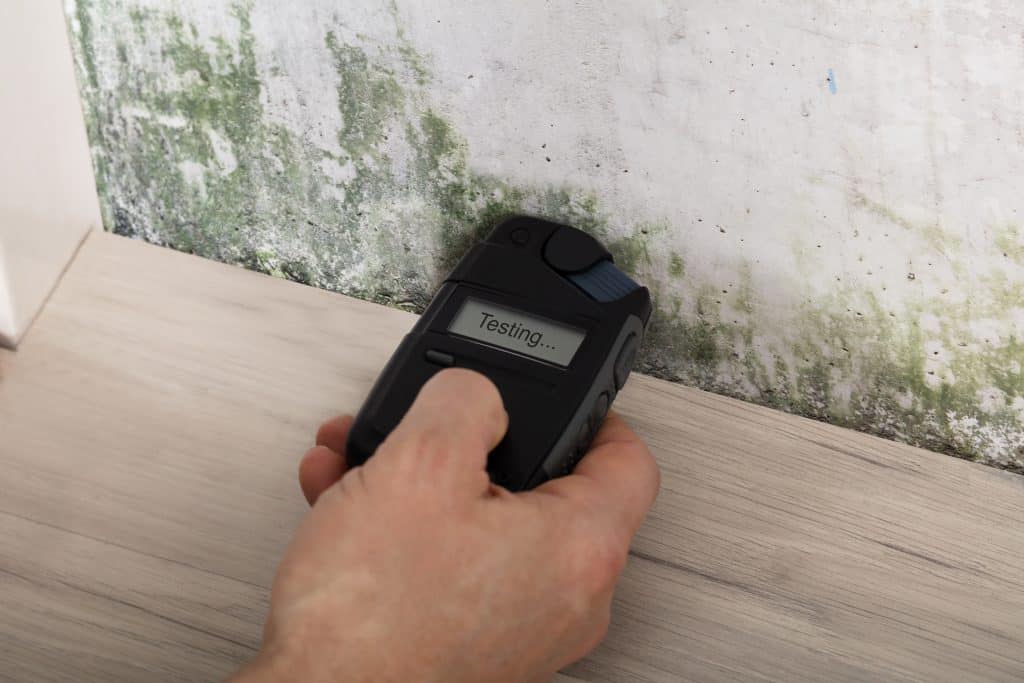
First, we inspect your property for free. That means checking visible areas and the hidden spots—behind walls, under floors, in attics and crawl spaces. We use moisture meters and thermal imaging to find where water is getting in. If needed, we take samples for lab analysis to identify the exact mold type.
Once we know what we’re dealing with, we give you upfront pricing. No surprises. We’ll also help you navigate insurance claims if your policy covers the damage.
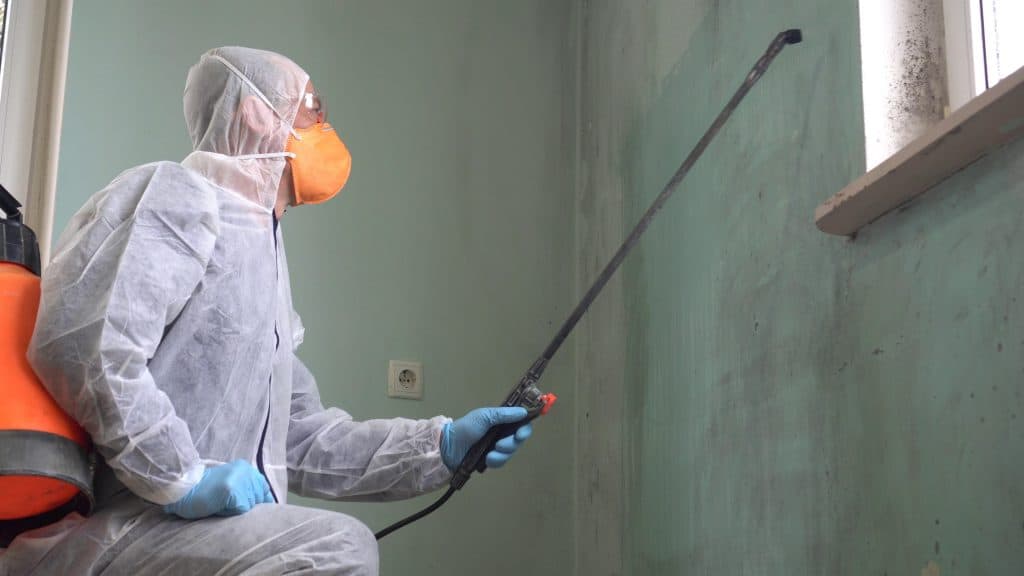
During removal, we contain the affected area to prevent spores from spreading to clean parts of your home. We use HEPA filtration and proper removal techniques—not just bleach and hope. We remove contaminated materials, treat surfaces, and address the moisture source. That last part is critical. If we don’t fix why the mold grew in the first place, it’ll come back.
After removal, we verify the air quality and make sure the space is safe. You get documentation of everything we did, which matters for insurance and future home sales.
Ready to get started?
You get a thorough inspection using professional-grade equipment. We’re looking at moisture levels, air quality, and the full extent of contamination. In Rushland, that usually means checking basements for groundwater seepage, attics for roof leaks, and bathrooms for ventilation problems.
The removal process includes containment, HEPA air filtration, safe removal of affected materials, and treatment of all surfaces. We handle black mold, which is common in Bucks County homes, along with other species like Aspergillus and Cladosporium. Each requires specific handling.
We also identify and document the moisture source. In this area, that’s often foundation cracks, poor grading around the home, leaking pipes, or inadequate ventilation in humid spaces. We’ll tell you exactly what needs to be fixed and connect you with solutions if the issue is beyond mold removal.
You get 24/7 emergency service if you’re dealing with flooding or sudden water damage. The faster we respond, the less mold develops. You also get help with insurance paperwork and flexible payment options if you’re paying out of pocket.
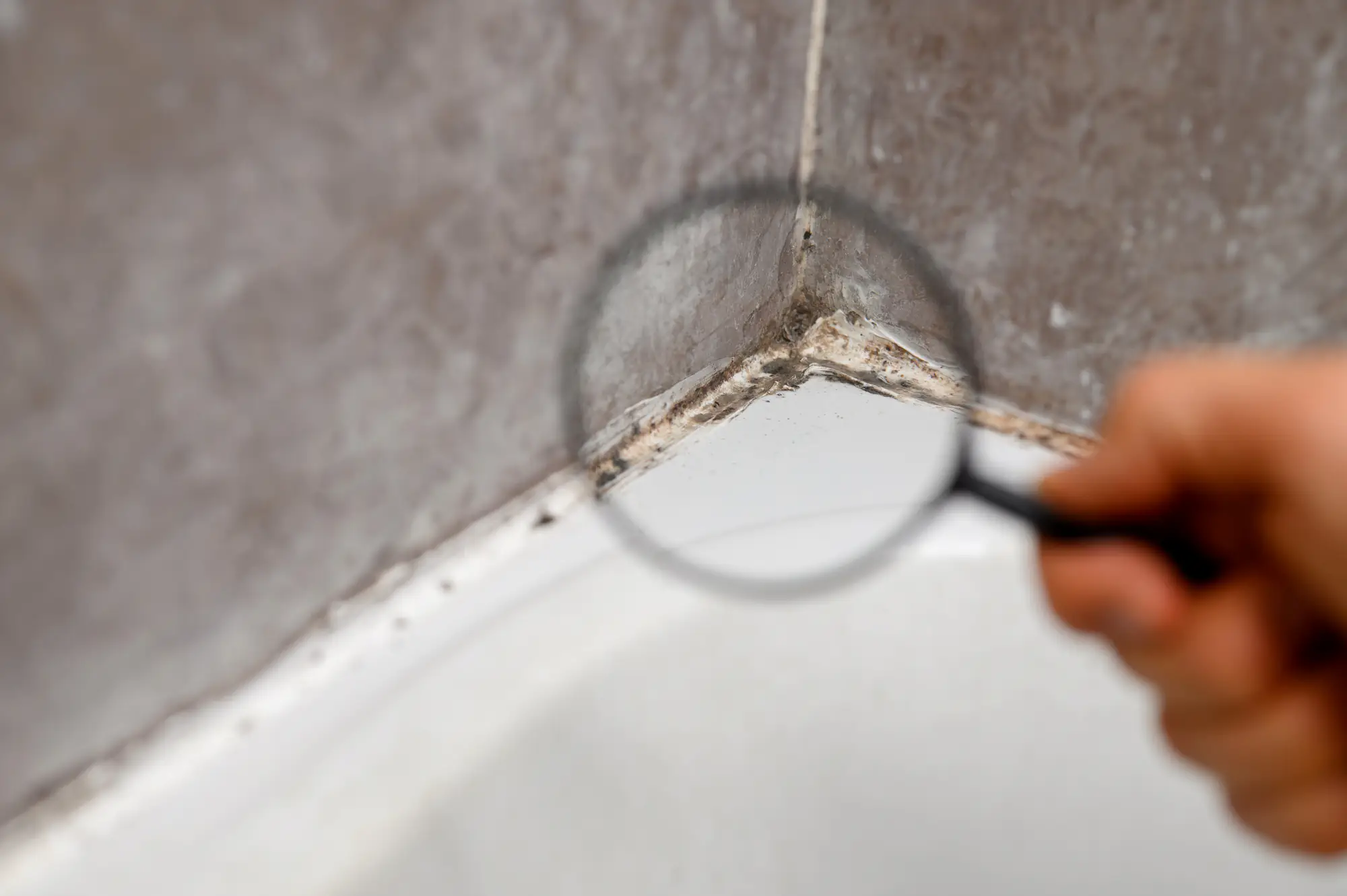
Small jobs—like mold under a sink or in a bathroom corner—typically run $500 to $1,500. These are contained areas where the source is obvious and the removal is straightforward.
Moderate cases cost $1,500 to $5,000. This includes situations where mold has spread behind walls, under flooring, or into multiple rooms. It requires more extensive containment, material removal, and treatment.
Severe infestations exceed $6,000. These involve major structural damage, large areas of contamination, or situations where mold has been growing undetected for months or years. In Rushland, we see this most often in homes with long-term basement moisture problems or roof leaks that went unnoticed.
The actual cost depends on the size of the affected area, the type of mold, and how much material needs to be removed. We provide upfront pricing after the free inspection so you know exactly what you’re paying before we start work.
Small projects take one to two days. We can usually handle a bathroom or small basement area quickly, especially if the contamination is surface-level and the source is easy to fix.
Moderate jobs take three to five days. This includes time for containment setup, removal, treatment, drying, and air quality verification. If we’re removing drywall or flooring, that adds time.
Large or severe cases can take a week or more. Homes with extensive water damage, multiple affected areas, or structural issues require more time to do the job right. Rushing mold removal means missing hidden growth or not fully addressing the moisture problem.
Weather affects timing too. Rushland’s humidity means we sometimes need extra drying time, especially in summer. We won’t call a job done until moisture levels are where they need to be and air quality tests come back clean.
Small surface mold on non-porous materials—like tile or glass—you can handle yourself with proper protection and cleaning products. We’re talking about spots smaller than 10 square feet where you can see the source and it’s not inside walls or under floors.
Anything larger, hidden, or involving porous materials like drywall or wood requires professional mold cleaning services. Here’s why: DIY removal often spreads spores throughout your home if you don’t contain the area properly. You also can’t verify you got all of it without proper testing equipment.
Black mold (Stachybotrys) specifically needs professional handling. It produces mycotoxins that cause serious health issues, especially with prolonged exposure. If you’re seeing black mold in your Rushland home, it usually means there’s a significant moisture problem that needs expert diagnosis.
Insurance companies and future home buyers will want documentation that mold was removed properly. DIY work doesn’t provide that. Professional remediation includes testing, documentation, and verification that the problem is actually solved.
Moisture and humidity are the main culprits. Rushland’s climate—with humid summers and damp winters—creates perfect conditions for mold growth. When indoor humidity stays above 60% for extended periods, mold starts developing on any organic material it can find.
Basements are the most common problem area here. Many Rushland homes sit on soil with high water tables. Poor drainage, foundation cracks, or inadequate waterproofing let moisture seep in. That damp basement smell? That’s usually mold starting to grow.
Roof leaks and attic ventilation issues are next. When warm, moist air gets trapped in your attic without proper ventilation, condensation forms on wood surfaces. Over time, that turns into mold growth. We see this constantly in older homes that weren’t built with modern ventilation standards.
Plumbing leaks, especially slow ones behind walls or under floors, can go unnoticed for months. By the time you see water damage, mold has usually been growing for a while. HVAC systems that aren’t properly maintained also spread moisture and mold spores throughout your home.
Not if the moisture source gets fixed. Mold needs water to grow. Remove the water source, and mold can’t survive. That’s why our process focuses on identifying and addressing why the mold grew in the first place, not just removing what’s visible.
If you fix the mold but ignore the leaking pipe, poor ventilation, or foundation crack, you’ll see mold again within months. We’ve seen homeowners spend thousands on removal only to have the problem return because the underlying moisture issue wasn’t resolved.
After professional mold removal, you need to maintain proper humidity levels—ideally between 30% and 50%. In Rushland’s humid climate, that often means running dehumidifiers in basements and ensuring good ventilation in bathrooms and kitchens.
Regular maintenance helps too. Check for leaks, keep gutters clean, make sure your home’s grading directs water away from the foundation, and address any water damage within 48 hours. Those steps prevent mold from getting a foothold again.
For small, contained jobs, you can usually stay in your home. We seal off the work area with plastic sheeting and use negative air pressure to prevent spores from spreading to other rooms. Most people continue their normal routine while we work.
Larger jobs might require you to stay elsewhere temporarily, especially if we’re working in multiple rooms or dealing with significant black mold contamination. This is more about comfort and safety than absolute necessity. The containment process creates noise, limits access to certain areas, and can be disruptive.
If anyone in your household has respiratory issues, asthma, or compromised immune systems, we typically recommend staying elsewhere during active removal. Even with proper containment, sensitive individuals can react to the disturbance of mold spores.
We’ll tell you upfront during the inspection whether you need to leave. For most Rushland homeowners, the answer is no—you can stay. But we’ll never push you to stay if leaving makes more sense for your situation. Your health and comfort matter more than our convenience.
Other Services we provide in Rushland