
Hear from Our Customers
You spend over 90% of your time indoors breathing air that could be 2-5 times more contaminated than what’s outside. That musty smell in your basement isn’t just unpleasant—it’s a warning sign.
A home air quality test gives you actual data. You’ll know if mold spores are circulating through your HVAC system. You’ll find out if radon levels are above EPA guidelines—a real concern since 40% of Pennsylvania homes test high for this cancer-causing gas. You’ll see if VOCs from cleaning products, building materials, or other sources are affecting your family’s health.
Testing catches problems before they become emergencies. Respiratory issues, persistent allergies, headaches that won’t quit—these symptoms often trace back to indoor air quality. When you know what’s in your air, you can actually fix it instead of just wondering why everyone feels off at home.
We serve homeowners throughout Bucks County who need straight answers about their indoor air. We’re not here to upsell you on services you don’t need—we test, we report findings, and we explain what they mean for your specific situation.
Rosewood Park homes face the same challenges as the rest of Bucks County: humid summers, older housing stock, and basements that stay damp. We know what to look for because we’ve seen it hundreds of times. Our team uses EPA-approved testing methods and professional-grade equipment to give you accurate results you can trust.
When we test your home, you get a clear report and a real conversation about what comes next. No pressure, no runaround—just the information you need to make a good decision.
First, we walk through your home and talk about what you’ve noticed—odors, health symptoms, moisture issues, or just general concern. This helps us know where to focus and what types of testing make sense for your situation.
Next, we collect air samples from multiple areas using professional testing equipment. For mold testing, we measure spore counts in your indoor air and compare them to outdoor baseline levels. If radon is a concern, we set up monitoring equipment that stays in place for the required testing period. We also check for VOCs, carbon monoxide, and other contaminants depending on what your home needs.
After the lab processes your samples, we review the results with you in plain language. You’ll understand what the numbers mean, whether levels are safe or concerning, and what your options are if we find problems. If remediation is needed, we explain the process and costs upfront. If your air quality is fine, we tell you that too.
Ready to get started?
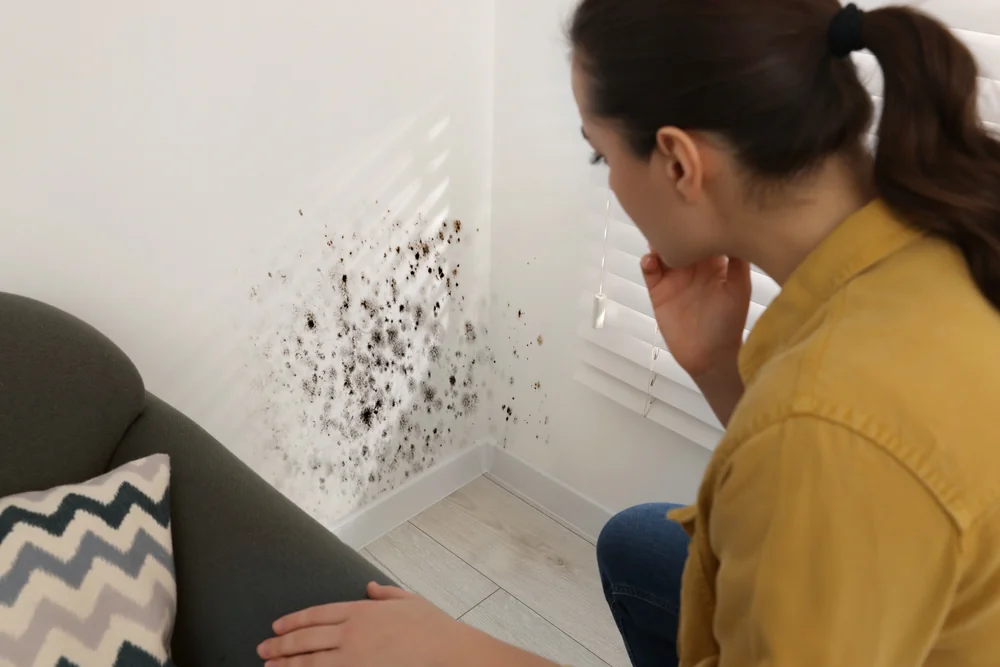
Our residential air quality testing includes comprehensive mold inspection—we check those damp, dark corners in basements, attics, crawl spaces, and bathrooms where mold grows unnoticed. We use moisture meters and infrared cameras to find hidden water issues that create mold problems.
Radon testing is critical for Rosewood Park homes. Pennsylvania has one of the worst radon problems in the country, and this odorless gas is the second leading cause of lung cancer nationwide. Our testing follows EPA protocols to give you accurate readings.
We also test for volatile organic compounds that off-gas from paints, adhesives, cleaning products, and building materials. Carbon monoxide testing catches furnace and ventilation issues before they become dangerous. Particulate testing identifies dust, pollen, and other allergens circulating through your home.
You receive a detailed report with lab results, our professional assessment, and clear recommendations. If you’re buying or selling a home, this documentation provides the proof you need for negotiations or insurance claims. If you’ve already had mold remediation done, post-testing confirms that spore counts have returned to normal levels and the problem is actually solved.
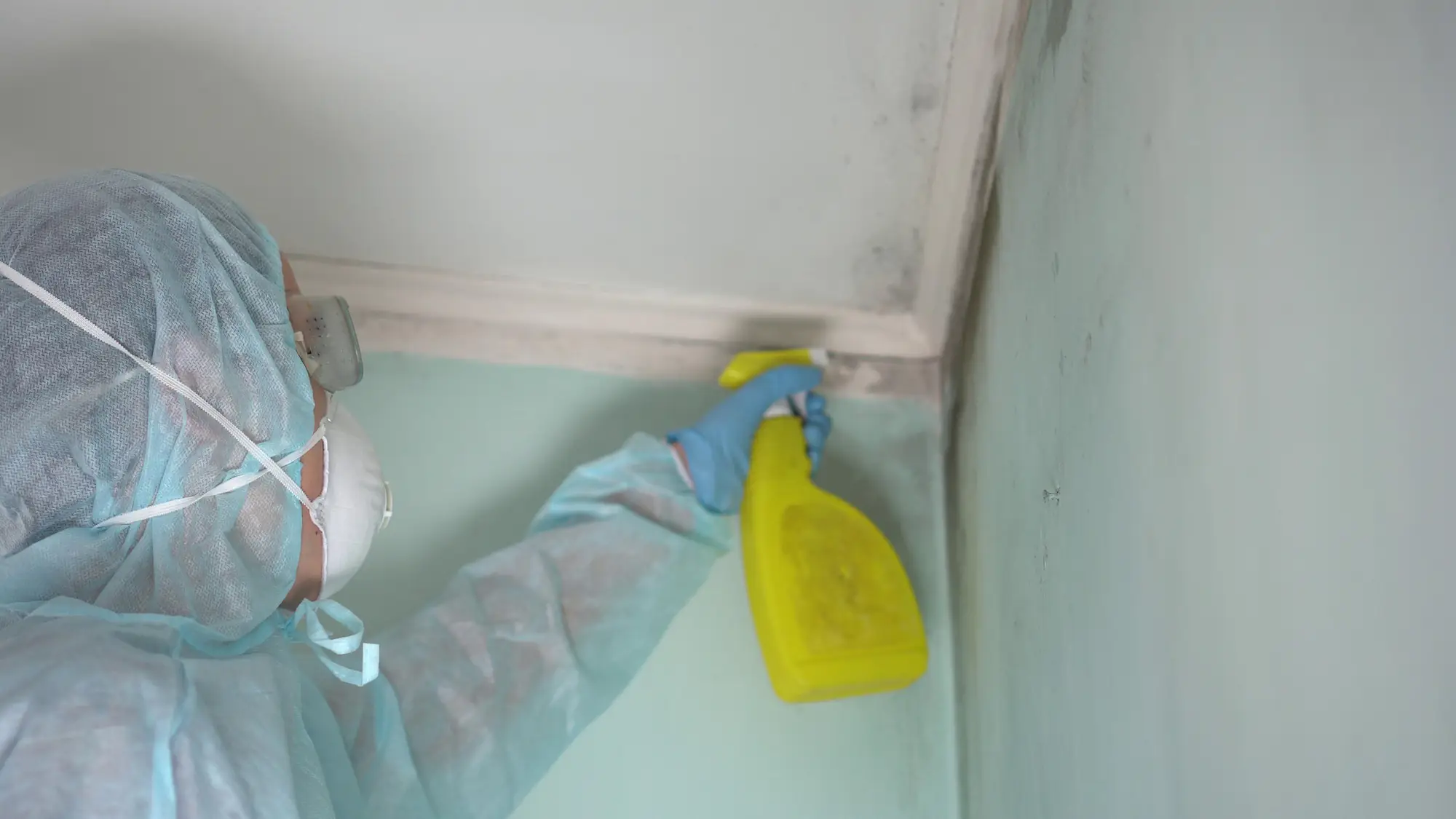
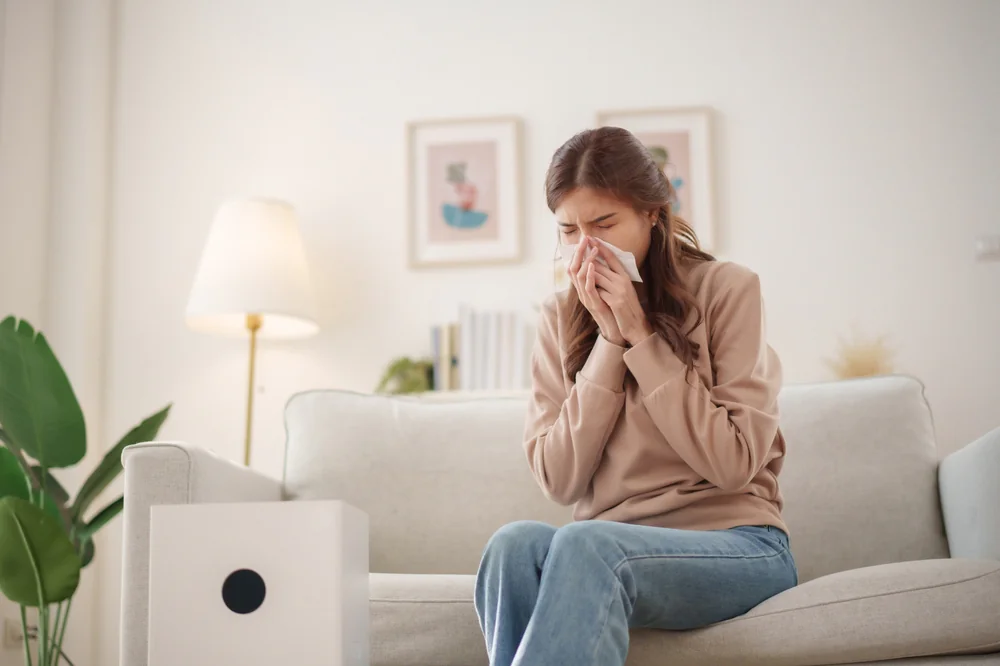
You should test if you’re noticing persistent musty odors, especially in your basement or after rain. Unexplained health symptoms are another red flag—if family members have worsening allergies, respiratory issues, headaches, or fatigue that improve when you leave the house, your indoor air quality could be the cause.
Test before buying a home in Rosewood Park or anywhere in Bucks County. You want to know about mold and radon problems before you sign papers, not after you move in. Test after water damage or flooding, even if you dried everything quickly—mold can start growing within 24-48 hours in hidden areas you can’t see.
Test if you have young children, elderly family members, or anyone with asthma or compromised immune systems living in your home. These groups are most vulnerable to poor indoor air quality. And test if you’ve had mold remediation done—you need confirmation that spore counts are actually back to safe levels, not just someone’s word that the job is complete.
DIY kits give you limited information from a single sample point. They can’t tell you where contamination is coming from, how serious the problem is compared to outdoor baseline levels, or what specific species of mold you’re dealing with. Most importantly, they don’t include a trained inspector who knows where to look for hidden problems.
Professional air quality testing uses calibrated equipment and lab analysis. We collect multiple samples from different areas to map out your home’s air quality. We compare indoor spore counts to outdoor counts—this matters because some mold is always present in outdoor air, and the real question is whether your indoor levels are elevated.
We also bring experience that a test kit can’t provide. We know that musty smell in your finished basement might be coming from mold growing behind the drywall, not just surface mildew you can wipe away. We know which areas of Rosewood Park homes typically have moisture issues. We know what elevated radon levels mean for your specific home and what remediation actually costs. That context makes the difference between useful information and just numbers on a page.
The on-site inspection and sample collection typically takes 1-2 hours depending on your home’s size and what we’re testing for. We’re thorough but efficient—we’re not here to disrupt your entire day.
Radon testing requires equipment to stay in your home for 48 hours minimum, sometimes longer for more accurate readings. This is EPA protocol, not something we can shortcut. The devices are small, quiet, and won’t get in your way.
Lab results for mold testing usually come back within 3-5 business days. Radon results are available as soon as we pick up the monitor. VOC and other testing timelines vary by lab, but we’ll tell you exactly what to expect when we’re at your home. Once results are in, we schedule a call or meeting to review everything with you—we don’t just email a report and disappear. You’ll have time to ask questions and understand what the findings mean for your specific situation.
Air quality testing is non-invasive. We collect air samples using specialized equipment—no drilling, no cutting, no damage to your home. We might use moisture meters on walls and infrared cameras to detect temperature differences that indicate moisture problems, but these tools don’t harm anything.
If we find evidence of hidden mold—like elevated spore counts without visible growth—we might recommend a small exploratory opening to confirm what’s behind the drywall before you pay for full remediation. But that’s a separate step you’d approve first, not part of the initial testing.
The testing process is designed to give you information without creating more problems. We’re careful with your home, we clean up after ourselves, and we leave everything as we found it. If remediation becomes necessary based on test results, that’s when more invasive work might be needed—but you’ll know exactly what’s required and why before anything happens.
First, don’t panic. Finding a problem is better than living with one you don’t know about. We walk you through what the test results mean, how serious the issue is, and what your options are for fixing it.
For mold, we explain whether you’re dealing with surface growth you can address yourself or a larger problem that needs professional remediation. If remediation is necessary, we provide a detailed scope of work and upfront pricing. We follow EPA guidelines for containment and removal, using HEPA filtration and proper disposal methods. After remediation, we do post-testing to confirm spore counts are back to normal.
For elevated radon, we explain mitigation options. Most radon systems involve installing a vent pipe and fan to redirect the gas from under your foundation to outside. It’s straightforward work that dramatically reduces radon levels. We can handle the installation or connect you with qualified radon mitigation specialists if you prefer.
You’re never obligated to use us for remediation just because we did your testing. We give you the information and let you decide what makes sense for your situation and budget. Our goal is to help you make your home safe, not to pressure you into services you’re not ready for.
Test every 2-3 years as a baseline, especially for radon since levels can change over time as your home settles and develops new cracks in the foundation. If you have ongoing moisture issues, live in an older home, or have family members with respiratory sensitivities, annual testing makes sense.
Always test after significant water damage—burst pipes, roof leaks, flooding, or even persistent humidity problems. Mold can establish itself quickly in the right conditions, and you want to catch it early before it spreads through your HVAC system or into wall cavities.
Test after any major renovation work. New paint, flooring, cabinets, and other materials can off-gas VOCs for months. If you’re experiencing headaches or irritation after a remodel, testing will tell you if VOCs are the culprit and when levels have dropped to normal ranges. And definitely test if you’re buying a home—this is your chance to identify problems before they become your responsibility. Sellers might not know about mold in the crawl space or radon in the basement, and a few hundred dollars in testing can save you thousands in unexpected remediation costs.
Other Services we provide in Rosewood Park