
Hear from Our Customers
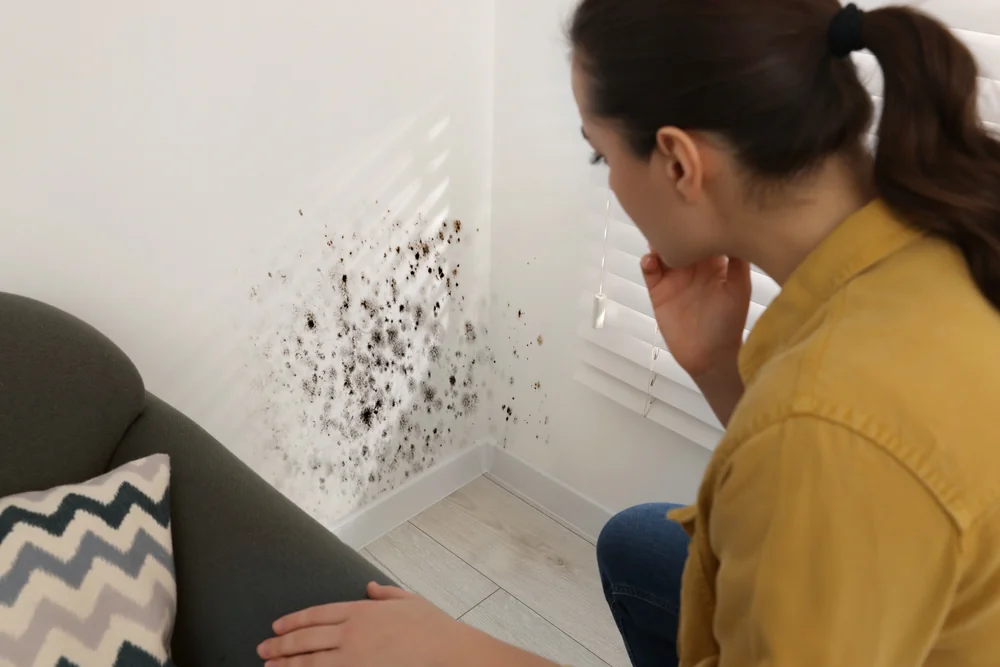
You can’t see most of what’s floating around your house. Mold spores, allergens, volatile organic compounds—they don’t announce themselves until someone starts coughing or you notice that musty smell that won’t go away.
A home air quality test gives you actual data. Not guesses, not assumptions—real numbers that tell you what’s in your air and whether it’s affecting your family’s health. Most homes in Richlandtown were built in the 1980s, and those aging HVAC systems and building materials create conditions where air quality quietly degrades over time.
Testing catches problems early. Before the headaches become chronic. Before the “seasonal allergies” turn out to be something growing in your basement. You get a clear picture of what’s happening, what needs attention, and what can wait.
We handle air quality testing across Richlandtown and the surrounding Bucks County area. We know the climate here—hot, humid summers that create perfect conditions for mold growth, older homes with ventilation issues, and the radon concerns that affect 40% of Pennsylvania properties.
We’re not trying to sell you services you don’t need. Our job is to test your air, tell you what we find, and explain what it means in plain terms. If there’s a problem, we’ll walk you through it. If your air quality is fine, we’ll tell you that too.
You’ll get detailed reports, not vague summaries. And if remediation is needed, we handle that as well—but only after you understand exactly what you’re dealing with.
First, we talk. You tell us what you’re noticing—smells, symptoms, concerns about specific areas of your home. That conversation shapes where we focus during the inspection.
Then we visit your property. We do a visual inspection of areas where air quality issues typically develop: basements, crawl spaces, attics, around HVAC systems. We’re looking for visible mold, water damage, ventilation problems, and other conditions that affect what you’re breathing.
Next comes the actual testing. We collect air samples from different areas of your home and take surface samples if we spot potential mold growth. These samples go to a certified lab for analysis.
Within a few days, you get a detailed report. It breaks down what we found, what the lab results show, and what (if anything) needs to be addressed. We walk you through the findings and answer your questions. If remediation is necessary, we explain the process and give you a clear timeline and cost estimate.
Ready to get started?
Our residential air quality testing covers the contaminants that actually affect homes in this area. We test for mold spores—both the concentration in your air and the specific types present. Some molds are relatively harmless; others require immediate attention.
We analyze indoor air pollutants including volatile organic compounds (VOCs) that off-gas from building materials, furniture, and household products. In homes built during the 1980s, like many in Richlandtown, these compounds can accumulate when ventilation systems aren’t moving enough fresh air through the space.
You’ll also get information about particulate matter—dust, pollen, and other allergens circulating through your home. And because Pennsylvania has serious radon issues, we can include radon testing if your home hasn’t been checked recently or if you’re in a higher-risk area.
The testing process uses both air sampling and surface sampling. Air samples capture what’s currently floating around. Surface samples identify growth in specific locations. Together, they give you the complete picture of your indoor air quality.
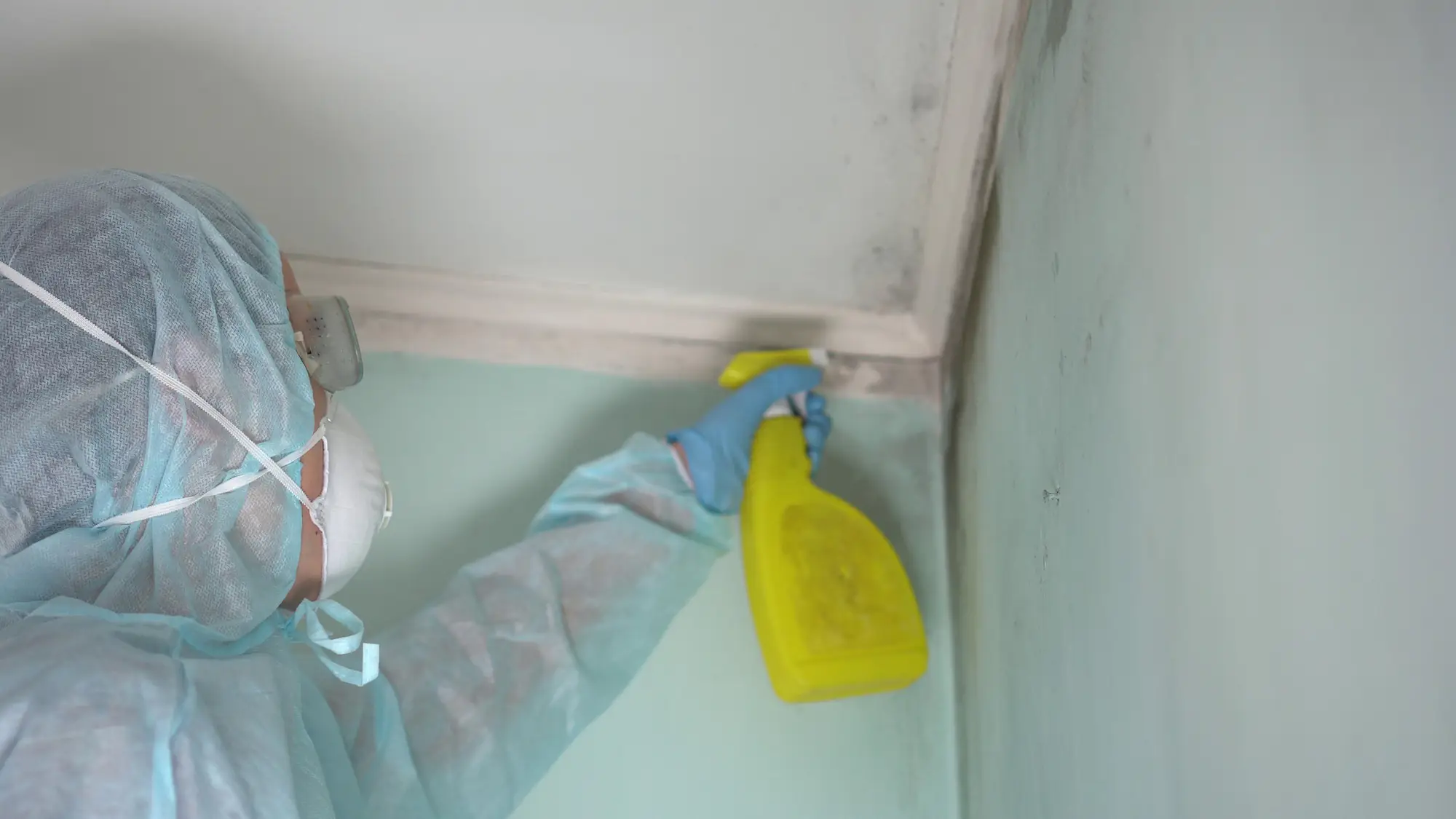
You should consider testing if anyone in your home is experiencing unexplained respiratory symptoms, frequent headaches, fatigue, or allergy-like reactions that don’t improve when you leave the house. Those are often the first signs that something in your indoor air is affecting health.
Visible signs matter too. If you’re seeing mold growth anywhere in your home, smelling musty or earthy odors, or dealing with persistent condensation on windows, your air quality likely needs professional evaluation. Water damage from leaks or flooding—even if it happened months ago—creates conditions where mold grows and air quality deteriorates.
Homes built in the 1980s, like many in Richlandtown, should be tested periodically even without obvious symptoms. Building materials age, HVAC systems lose efficiency, and ventilation that was adequate 40 years ago might not be moving enough air through your space now. Testing gives you a baseline and catches problems before they become serious.
A mold air test specifically measures mold spore concentration and identifies which types of mold are present in your air. It’s focused testing that makes sense when you’ve seen mold growth, smell something musty, or have reason to suspect a mold problem.
A full indoor air quality test is broader. It includes mold testing but also analyzes other contaminants—VOCs, particulate matter, allergens, and sometimes carbon dioxide or radon depending on what you need. You’re getting a complete assessment of everything affecting the air you breathe.
Most people start with mold testing if they have specific concerns about mold. But if you’re experiencing health symptoms without an obvious cause, or if you want to understand your overall indoor air quality, the comprehensive test gives you more useful information. We can recommend which approach makes sense based on what you’re dealing with and what your home’s condition suggests.
The on-site portion usually takes one to two hours depending on your home’s size and how many areas we’re testing. We’re doing visual inspection, collecting air samples from multiple locations, and taking surface samples if we identify potential problem areas.
The samples go to a certified lab for analysis. Lab turnaround is typically three to five business days. Once we receive the results, we prepare a detailed report that breaks down what was found and what it means for your home.
We’ll schedule a follow-up call or meeting to walk you through the findings. That conversation usually takes 30 to 45 minutes—we want you to understand the results, ask questions, and know exactly what (if anything) needs to be done. If remediation is necessary, we’ll outline the process and timeline during that discussion. You’re not waiting weeks for answers or getting a report dumped on you without explanation.
Yes, that’s a major part of what we’re doing. Air samples tell us what’s in your air and how concentrated it is. Surface samples and visual inspection identify where growth is occurring or where conditions are allowing contaminants to accumulate.
We’re looking at the sources—water intrusion points, ventilation problems, areas with high humidity, HVAC systems that aren’t filtering properly. Finding elevated mold levels in your air doesn’t help much if we can’t tell you why it’s there. Our testing process is designed to identify both the problem and the underlying cause.
That’s especially important in older homes where multiple factors might be contributing. Maybe your basement has moisture issues and your attic ventilation isn’t adequate and your HVAC system is circulating contaminated air. We identify all of it so remediation actually solves the problem instead of just treating symptoms. You’ll know what’s causing the issue and what needs to change to prevent it from coming back.
Professional air quality testing typically runs between $200 and $500 depending on what you’re testing for and how many samples we need to collect. A basic mold air test with samples from a few locations is on the lower end. Comprehensive indoor air quality testing that analyzes multiple contaminants across a larger home costs more.
The investment makes sense when you consider what you’re getting. You’re identifying health hazards before they cause serious problems, getting documentation that’s useful for insurance or real estate purposes, and making informed decisions about your home instead of guessing. Catching mold or air quality issues early is significantly less expensive than dealing with extensive remediation later.
We provide upfront pricing before we start. No surprises, no hidden fees. If you need testing, we’ll tell you what it costs based on your specific situation. And if remediation is necessary after testing, that’s a separate estimate—you’re never locked into additional services just because you had testing done.
DIY air quality test kits exist, but they have significant limitations. Most consumer kits only test for one or two things, the sampling methods aren’t as reliable, and you’re left interpreting results without professional context. You might get a number, but you won’t necessarily know what it means or what to do about it.
Professional testing uses lab-grade equipment and certified analysis. We’re collecting samples properly, testing for a full range of contaminants, and giving you results that actually mean something. More importantly, we’re identifying the source of problems—not just detecting that something’s wrong.
If you’re dealing with health symptoms, visible mold, water damage, or you’re buying or selling a home, professional testing is worth it. You get accurate data, expert interpretation, and a clear path forward if issues are found. DIY kits might work for basic curiosity, but they won’t give you the information you need to make real decisions about your home’s air quality.
Other Services we provide in Richlandtown