
Hear from Our Customers
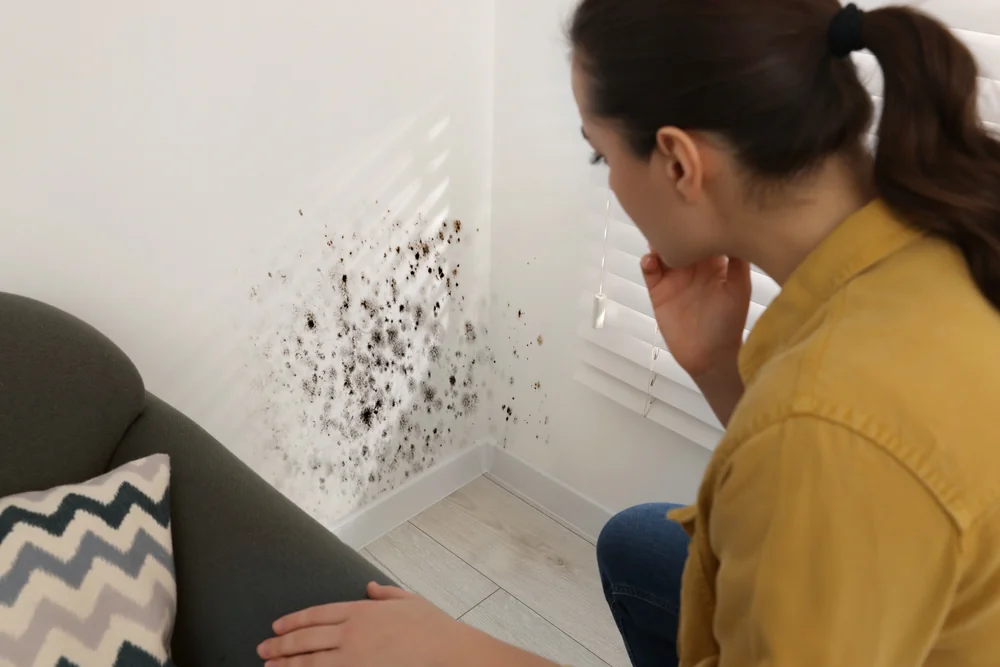
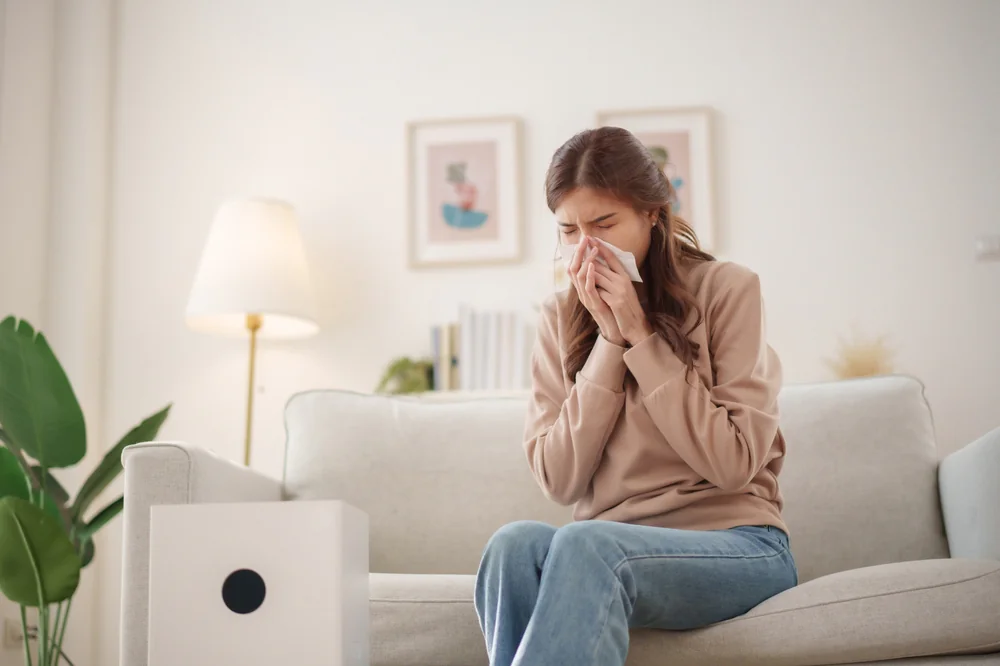
You’ve noticed the musty smell in the basement. Maybe someone’s been coughing more than usual, or allergies seem worse indoors than out. You’re not imagining it.
A professional air quality test gives you documentation. It shows you what’s actually floating around in your home—mold spores, allergens, particulates—and whether those levels are normal or a red flag. No more guessing if that dampness in the corner is just annoying or actively making your family sick.
This matters in Richboro because homes here deal with Pennsylvania’s clay soil and high water tables. Basements stay damp. Stone foundations in older homes let moisture through. That creates the exact conditions mold loves, and you can’t always see it growing behind walls or under flooring.
Testing catches problems early, before they spread. Before the remediation bill climbs. Before someone ends up at the doctor wondering why they can’t shake that cough.
We’ve spent over a decade and a half working in homes just like yours. We know how Pennsylvania humidity hits properties built in the ’70s and ’80s. We’ve seen what clay soil does to foundations, how settling creates cracks that let moisture in, and why that finished basement your kids use for homework might be harboring mold you can’t see.
We’re not a national franchise that treats you like a ticket number. We’re local, we answer our phones, and we show up when we say we will. Our technicians are certified mold remediation professionals who understand the science behind indoor air quality testing—and how to explain it in plain terms.
When we test your air, you get documentation you can trust. Clear results. Honest recommendations. No upselling services you don’t need.
We start with a free inspection of your property. That means walking through your home, checking areas where moisture tends to collect—basements, crawl spaces, bathrooms, attics. We’re looking for visible mold, water damage, condensation patterns, and ventilation issues.
If we find concerns or you want confirmation that your air is clean, we collect air samples. We use calibrated equipment to capture what’s floating in your indoor air, then send those samples to an accredited lab. They identify the types and concentrations of mold spores, allergens, and other contaminants present.
You get a detailed report that breaks down what we found. Not jargon-heavy lab speak—actual explanations of what the numbers mean for your home and your family’s health. If mold levels are elevated, we’ll tell you where it’s likely growing and what needs to happen next.
If levels are normal, you have documentation proving your air quality is fine. That’s valuable for insurance claims, real estate transactions, or just knowing you’re not overlooking something that could get worse.
The whole process typically takes a few days from inspection to results. We’re available 24/7 for emergencies, and we work around your schedule for standard testing.
Ready to get started?
Our residential air quality testing covers both visible and hidden problem areas. We test the air in living spaces where your family spends time, but we also check basements, crawl spaces, and attics where mold grows unnoticed.
In Richboro and Bucks County, we pay special attention to the challenges your home faces. Pennsylvania’s autumn releases massive amounts of outdoor mold spores that get tracked inside and settle in damp areas. Homes built on clay soil deal with chronic moisture issues in foundations. Older properties often have ventilation systems that weren’t designed to handle today’s tighter building envelopes.
We account for all of that during testing. You’re not getting a one-size-fits-all approach—we’re looking at your specific property and the conditions affecting it.
The lab analysis identifies which types of mold are present. That matters because some species are more problematic than others. Stachybotrys (black mold) requires a different response than Cladosporium. The report shows concentrations, compares them to outdoor baseline levels, and flags anything abnormal.
You also get our professional assessment. We’ve tested hundreds of homes in this area. We know what normal looks like for Richboro properties, and we’ll tell you straight whether your results are concerning or not.
Most residential air quality tests in Bucks County run between $300 and $600 depending on the size of your home and how many samples we need to collect. A typical single-family home usually requires 2-3 air samples—one from the problem area, one from a clean area for comparison, and sometimes an outdoor sample for baseline.
We offer free inspections first, so you’re not paying for testing unless it makes sense. If we walk through your home and don’t see signs of mold or moisture issues, we’ll tell you that. If we do find concerns, we’ll explain exactly what testing will cost before collecting any samples.
The lab analysis is included in that price. You’re not getting hit with surprise fees after the fact. We give you upfront pricing and a detailed estimate before any work starts, because that’s how honest businesses operate.
Lab results typically come back within 3-5 business days after we collect samples. The actual sample collection only takes about 30-45 minutes at your property. We send everything to an accredited lab that specializes in mold and air quality analysis.
Once results are in, we’ll contact you to review what we found. We don’t just email you a report and disappear—we walk you through it, explain what the numbers mean, and answer your questions. If mold levels are elevated, we’ll discuss next steps and what remediation would look like for your specific situation.
If you’re dealing with an emergency—like a family member having severe respiratory reactions or a major water event—we can request expedited processing. That usually gets results back in 24-48 hours, though it costs a bit more.
You can buy DIY mold test kits at hardware stores, but they’re not reliable for making decisions about your home. Most of those kits just tell you “mold is present,” which isn’t useful—mold spores exist in every home. What matters is the type of mold and the concentration levels.
Professional testing uses calibrated equipment and accredited labs that can identify specific species and measure spore counts. That’s what tells you whether you have a problem or not. A DIY kit can’t do that, and it won’t hold up if you need documentation for insurance or real estate purposes.
The other issue is knowing where to test. We’ve been doing this for 15 years in Bucks County homes—we know where mold hides in Pennsylvania properties. Behind finished basement walls. In crawl spaces with poor ventilation. Around windows in older homes with settling issues. If you’re testing the wrong areas, you’ll miss the actual problem.
The most common molds we find in Richboro and Bucks County homes are Cladosporium, Penicillium, Aspergillus, and occasionally Stachybotrys (black mold). Cladosporium is an outdoor mold that gets tracked inside and grows on damp surfaces. Penicillium loves water-damaged materials like drywall and insulation.
Aspergillus shows up in homes with chronic humidity issues—it thrives in the conditions Pennsylvania’s clay soil and high water tables create. Stachybotrys is less common but more concerning. It grows on materials that stay wet for extended periods, like the back side of drywall after a slow leak.
Each type affects your health differently. Some cause allergic reactions and respiratory irritation. Others produce mycotoxins that can cause more serious problems, especially for kids, elderly family members, or anyone with asthma or compromised immune systems. That’s why testing identifies the species—so you know exactly what you’re dealing with and how urgently it needs to be addressed.
Air testing can detect elevated mold spore levels that indicate hidden growth, but it won’t pinpoint the exact location behind a wall. If your air sample shows high concentrations of mold that’s typically associated with water damage—like Stachybotrys or Chaetomium—that’s a strong indicator something’s growing out of sight.
That’s where our inspection comes in before testing. We’re looking for visual clues: water stains, discoloration, bubbling paint, warped baseboards, musty odors concentrated in certain areas. We check moisture levels in walls using specialized meters. Those signs tell us where hidden mold is likely growing.
In some cases, we’ll recommend a combination of air testing and targeted investigation—maybe removing a small section of drywall in a suspect area to confirm what’s happening behind it. We’re not tearing apart your home unnecessarily, but if you’ve got a persistent smell or unexplained health symptoms, finding the source matters more than avoiding a small repair.
Yes, and here’s why: post-remediation testing confirms the job was done right. It proves mold spore levels are back to normal and the air in your home is safe again. Without that documentation, you’re taking someone’s word that the problem is solved.
We recommend post-remediation air testing for every mold removal job, especially if it involved significant growth or affected areas where your family spends time. The test compares current spore levels to outdoor baseline levels and to the pre-remediation results. If levels are still elevated, something was missed or the affected materials weren’t fully removed.
This documentation also matters for insurance claims and if you’re selling your home. Buyers want proof that mold was properly remediated, not just covered up. A clean post-remediation air test gives you that proof. It protects your investment and gives you actual confirmation that your family can breathe clean air again.
Other Services we provide in Richboro