
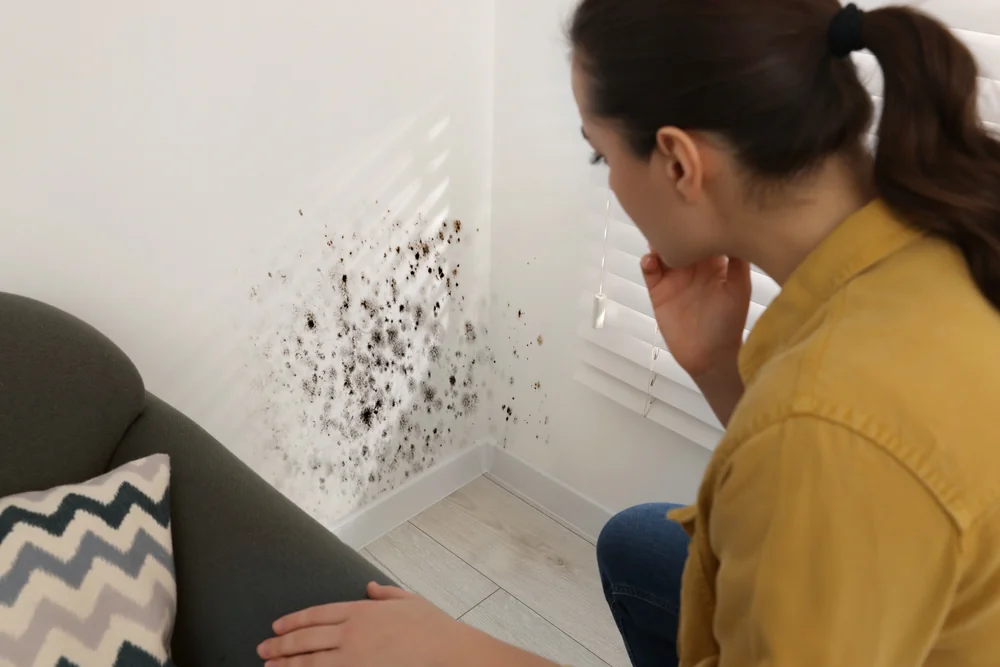
Hear from Our Customers
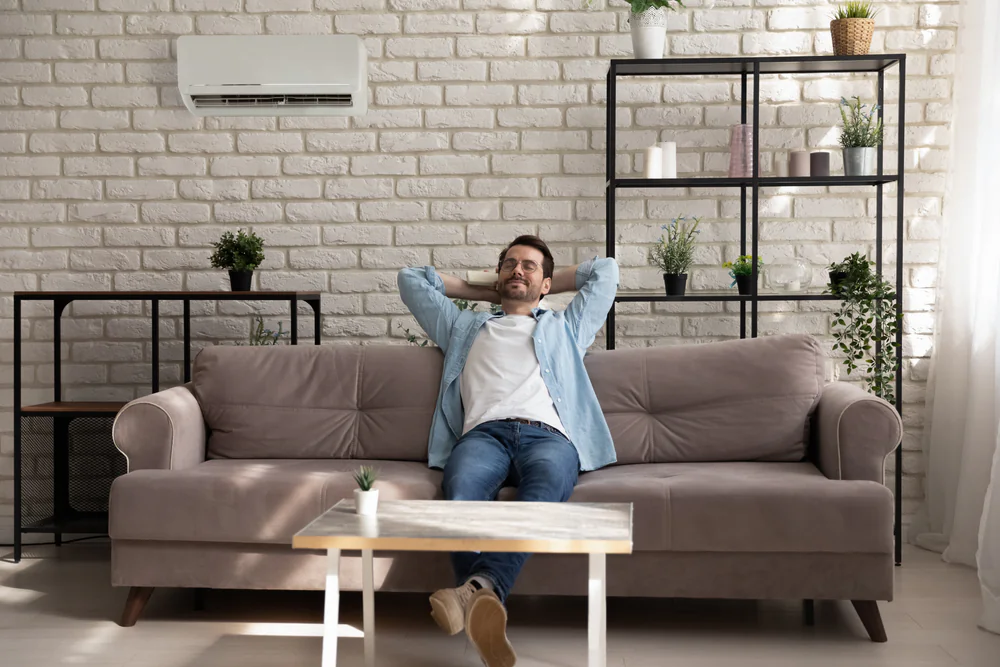
You’re not imagining it. The headaches, the stuffy nose that won’t quit, the way your kid’s asthma flares up at home but improves everywhere else—these aren’t random. Your indoor air might be the problem.
Most homes in Pennsylvania trap air that’s two to five times more contaminated than what’s outside. That’s according to the EPA, not a sales pitch. When you seal up your house to save on heating, you’re also sealing in allergens, mold spores, VOCs from cleaning products, and potentially radon gas that seeps up through your foundation.
A professional air quality test tells you exactly what’s floating around in your home. We’re talking about measurable data on particulates, carbon monoxide levels, volatile organic compounds, humidity that breeds mold, and radon concentrations. You get a clear picture of what’s actually there, not guesswork based on symptoms.
Once you know what you’re dealing with, you can fix it. Better sleep, fewer allergy symptoms, less time feeling foggy or tired at home—that’s what happens when your air is clean.
We work throughout Bucks County, including right here in Reeder. We’re local, which matters more than you’d think.
We know that roughly 40% of Pennsylvania homes test above EPA action levels for radon. We know Bucks County gets an F grade for ozone from the American Lung Association. We know your winters are harsh, which means your house stays sealed tight for months, trapping whatever’s already inside.
We use moisture meters, infrared cameras, surface sampling, and air sampling equipment to test your home. Then we explain what we found in plain language and tell you what to do about it. No upselling, no scare tactics—just the data and the next steps.
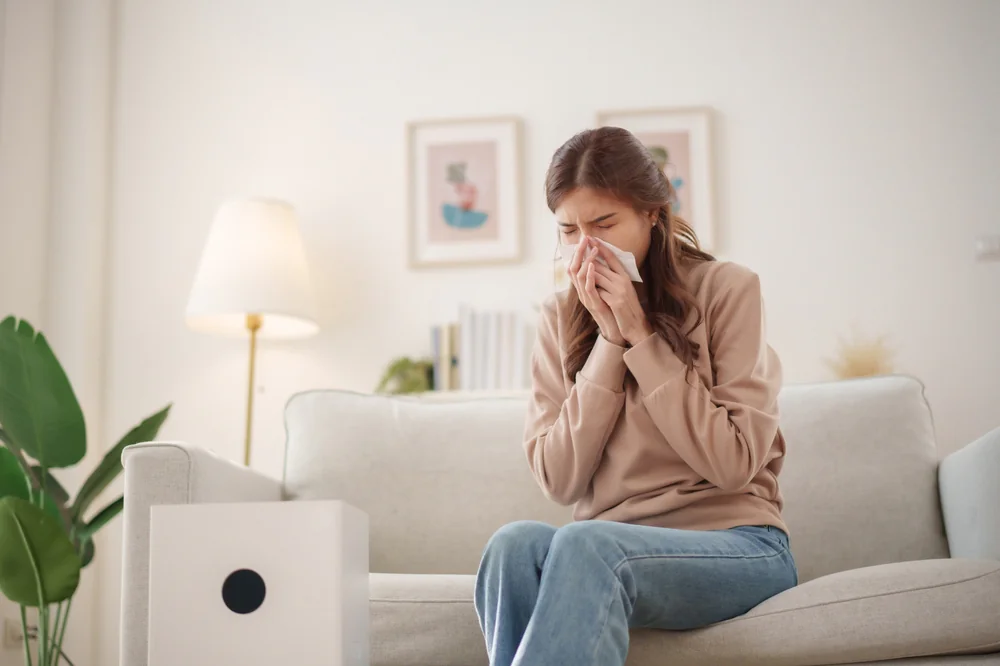
We start with a walkthrough. You tell us what you’ve noticed—symptoms, smells, problem areas. We look for visible signs like water stains, condensation, or musty odors that point to mold or moisture issues.
Then we test. We use moisture meters to check humidity levels in walls and ceilings. Infrared cameras spot temperature differences that indicate hidden moisture or poor ventilation. We take air samples to measure mold spores, particulates, and VOCs. If radon is a concern (and in Pennsylvania, it should be), we set up radon testing equipment that monitors levels over time.
You get a report that breaks down what we found. Radon levels, mold spore counts, VOC concentrations, particulate matter, carbon monoxide if present. We explain what each number means for your health and your home.
Then we talk solutions. Sometimes it’s improving ventilation. Sometimes it’s mold remediation. Sometimes it’s a radon mitigation system. We tell you what needs to happen and connect you with the right fix.
Ready to get started?
A complete residential air quality testing service covers the pollutants that actually affect your health. We test for mold spores, which can grow in hidden spots and trigger respiratory problems. We measure VOCs—chemicals released by paints, cleaners, furniture, and building materials that cause headaches and fatigue.
We check particulate matter: dust, dander, pollen, and other allergens that aggravate asthma and allergies. We measure carbon dioxide and carbon monoxide levels, especially important if you have gas appliances. And we test for radon, the colorless, odorless gas that’s the second leading cause of lung cancer and shows up in about 40% of Pennsylvania homes.
In Reeder and throughout Bucks County, radon is a real issue. The geology here allows radon to seep into basements and crawl spaces. Every home should be tested, regardless of age or construction type.
Humidity matters too. We measure moisture levels because high humidity breeds mold, and low humidity causes respiratory irritation. Pennsylvania winters mean sealed homes, which trap moisture from cooking, showering, and breathing. If your humidity is off, your air quality suffers.
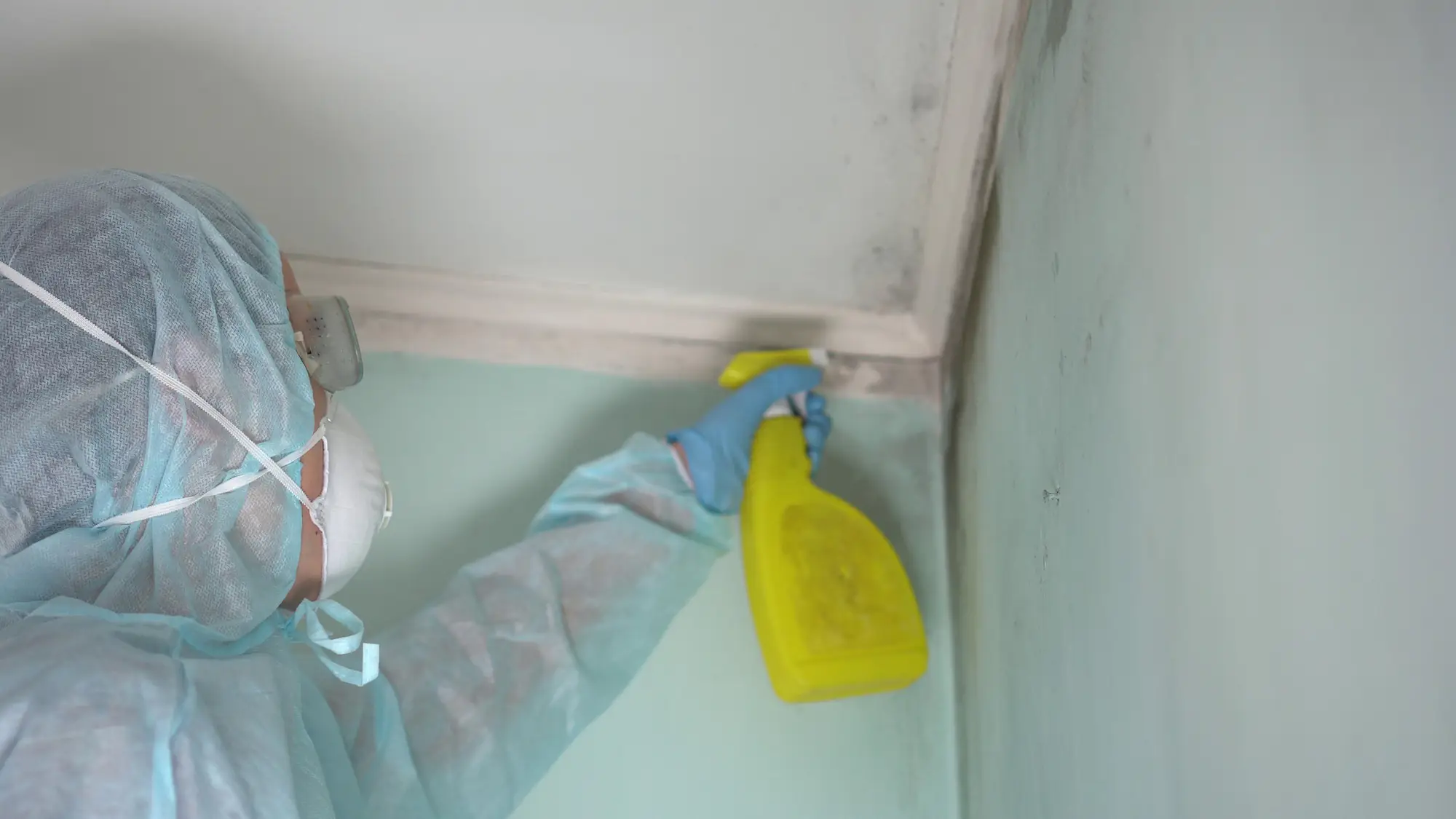
Most air quality assessments run around $400, though the price shifts depending on what you’re testing for. A basic mold air test costs less than a comprehensive analysis that includes radon, VOCs, particulates, and carbon monoxide.
If you’re testing for one specific issue—say, you smell mold in your basement—that’s a more targeted test. If you want a full picture of everything in your air, that’s more involved and costs more.
The investment makes sense when you consider what you’re getting. You’re not just buying a report—you’re getting actionable information that tells you exactly what’s wrong and how to fix it. Compare that to months of allergy medication, air purifiers that don’t address the root problem, or worse, long-term health issues from radon or mold exposure.
Persistent symptoms that improve when you leave the house are the biggest red flag. If you’re dealing with headaches, fatigue, dry eyes, or respiratory issues at home but feel better at work or when you’re out, your indoor air is suspect.
Visible mold, musty odors, or water damage are obvious signs. But plenty of air quality problems hide. Radon has no smell. VOCs are invisible. Mold can grow inside walls or under flooring where you can’t see it.
If anyone in your home has asthma or allergies that seem worse indoors, test your air. If you’ve recently renovated and used new materials that off-gas chemicals, test your air. If you live in Pennsylvania and haven’t tested for radon, test your air. The EPA says every home should undergo regular radon testing, and given that 40% of homes here test high, that’s not optional.
The on-site inspection usually takes one to three hours, depending on your home’s size and what we’re testing for. We walk through, take measurements, collect samples, and set up any monitoring equipment.
Some tests give immediate results. Moisture meters and infrared cameras show us problems right away. Other tests require lab analysis. Air samples for mold spores typically take a few days to process. Radon testing takes longer—usually 48 hours to several days of continuous monitoring to get accurate readings, since radon levels fluctuate.
You’ll have a full report within a week in most cases. That report includes all the data, explanations of what it means, and recommendations for next steps. If we find something that needs immediate attention—like dangerous carbon monoxide levels—we tell you right away, not when the full report is ready.
Yes. That’s one of the main reasons to test. Mold grows in places you can’t easily inspect—inside walls, under flooring, in HVAC ducts, above ceiling tiles. You might smell it or notice symptoms, but you can’t see the source.
Air sampling catches mold spores floating in your air, even if the mold itself is hidden. We also use moisture meters to find elevated humidity in walls and ceilings, which indicates conditions where mold thrives. Infrared cameras spot temperature differences that often point to moisture problems behind surfaces.
If the air test shows elevated mold spore counts, we know you have a mold problem somewhere, even if we haven’t located it yet. From there, we can do more targeted investigation to find the source. Surface sampling and visual inspection with the right tools usually pinpoint where it’s growing.
Pennsylvania has one of the worst radon problems in the country. About 40% of homes tested here exceed the EPA’s action level of 4 picocuries per liter. Some areas are worse—39% of all radon tests in the state come back at or above that threshold.
Radon is a radioactive gas that seeps into homes from the ground. It’s the second leading cause of lung cancer after smoking, and it’s completely undetectable without testing. You can’t see it, smell it, or taste it. The only way to know if you have a radon problem is to test.
Every home in Pennsylvania should be tested, regardless of age, construction type, or location. Radon levels vary from house to house, even in the same neighborhood. Your neighbor might test low while your basement tests high. The geology here—the soil, rock, and groundwater—creates conditions where radon accumulates. Testing is the only way to know if your home is safe.
You get a detailed report that breaks down everything we found. Radon levels, mold spore counts, VOC concentrations, humidity readings, particulate matter, carbon monoxide if present. Each result comes with an explanation of what it means and whether it’s within safe ranges.
We walk you through the report and answer your questions. If something needs attention, we tell you what to do about it. High radon? You need a mitigation system. Mold spores? We locate the source and handle remediation. High VOCs? We identify the source and recommend ventilation improvements or removal of the offending materials.
You’re not left guessing what to do next. We give you a clear plan based on the data. Some issues you can handle yourself—improving ventilation, running a dehumidifier, replacing an air filter. Other issues require professional remediation, and we handle that too. The goal is clean air, and the test is just the first step toward getting there.
Other Services we provide in Reeder