
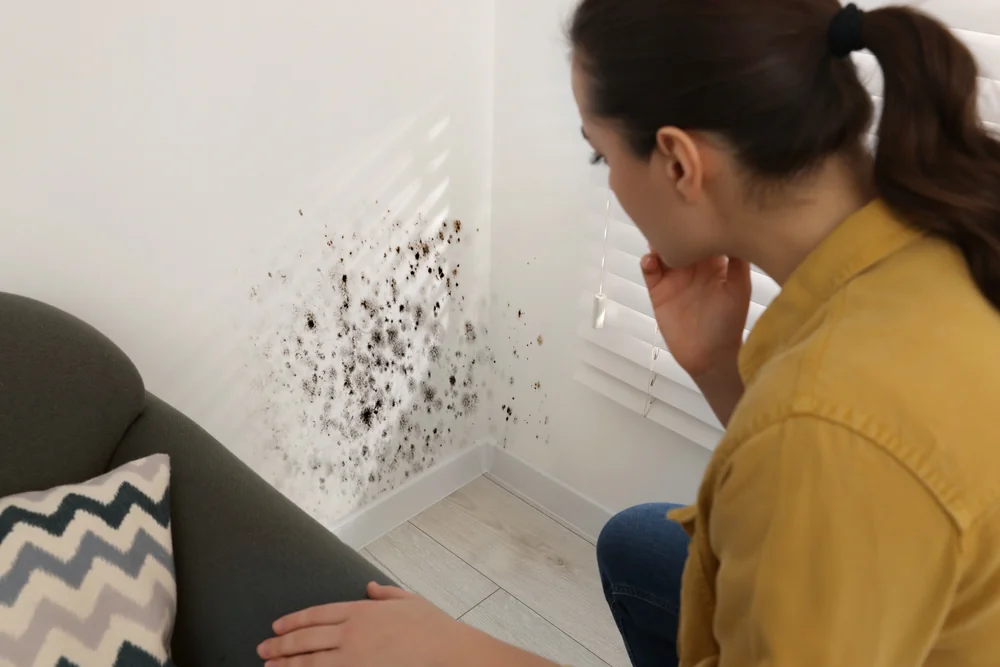
Hear from Our Customers

You’re noticing symptoms. Maybe it’s allergies that won’t quit, respiratory issues that started after you moved in, or a musty smell you can’t track down. You need to know what’s actually in your air before you spend money trying to fix the wrong problem.
A home air quality test gives you specific data about mold spores, allergens, and pollutants circulating through your house. You’ll see exactly what’s there, where it’s concentrated, and what levels you’re dealing with. No guessing about whether that basement moisture is causing mold growth or if your HVAC system is spreading contaminants.
The test results tell you if you need remediation, ventilation improvements, or if your air is actually fine and the problem is something else entirely. That clarity matters when you’re making decisions about your family’s health and your home.
We’ve been testing indoor air quality in Pineville and throughout Bucks County for over 20 years. We’ve seen what happens in older homes when humidity sits in basements, how newer construction sometimes traps moisture, and where mold hides in properties across this area.
Pineville homes deal with the same challenges as the rest of Bucks County—humid summers, older housing stock in many neighborhoods, and the kind of moisture issues that come with Pennsylvania weather. We know what to look for because we’ve been doing this work in your community since before most homeowners were searching online for mold air test services.
You get detailed reports from independent labs, straightforward explanations of what the numbers mean, and honest recommendations about what to do next. We’re not here to oversell you on services you don’t need.

The process starts with a visual inspection of your property. We’re looking for visible mold, water damage, moisture problems, and areas where air quality issues typically develop. Basements, crawl spaces, attics, bathrooms—anywhere water or humidity creates conditions for mold growth or pollutant concentration.
Next comes air sampling using calibrated equipment. We collect samples from different areas of your home to measure mold spore counts, identify specific mold types, and detect other airborne contaminants. Surface testing happens when we find suspicious areas that need closer examination. Moisture meters and thermal imaging cameras help us locate hidden water intrusion that you can’t see but that’s feeding the problem.
Samples go to independent third-party labs for analysis. You’re not relying on our interpretation alone—you get certified lab results that show exactly what’s in your air. Within days, you receive a detailed report breaking down what we found, what the numbers mean for your health, and what steps make sense based on your specific situation.
We walk you through the results during a follow-up consultation. You’ll understand what’s urgent, what’s manageable, and what your options are. If you need remediation, we handle that. If you don’t, we’ll tell you that too.

Ready to get started?
Your indoor air quality test covers the areas that matter most in Pineville homes. We test for mold spores—both the concentration and the specific types present, since some molds pose greater health risks than others. Allergen testing identifies what’s triggering respiratory symptoms in your household.
Moisture detection using professional-grade meters and thermal imaging finds hidden water problems before they become expensive disasters. Many Pineville properties, especially older homes near the Delaware River corridor, deal with groundwater issues and humidity that creates perfect conditions for mold. We locate those moisture sources so you can address the root cause, not just the symptoms.
You receive documentation that’s useful for insurance claims, real estate transactions, or simply understanding your home environment. The report includes lab-certified results, photos of problem areas, moisture readings, and specific recommendations based on what we found in your property.
Bucks County has seen increasing awareness about indoor air quality—partly because of the region’s humidity levels and partly because more homeowners are connecting their health symptoms to their home environment. About a third of homes in this area show some level of moisture problems that can affect air quality. You’re not overreacting by wanting to test your air. You’re being smart about protecting your family’s health.
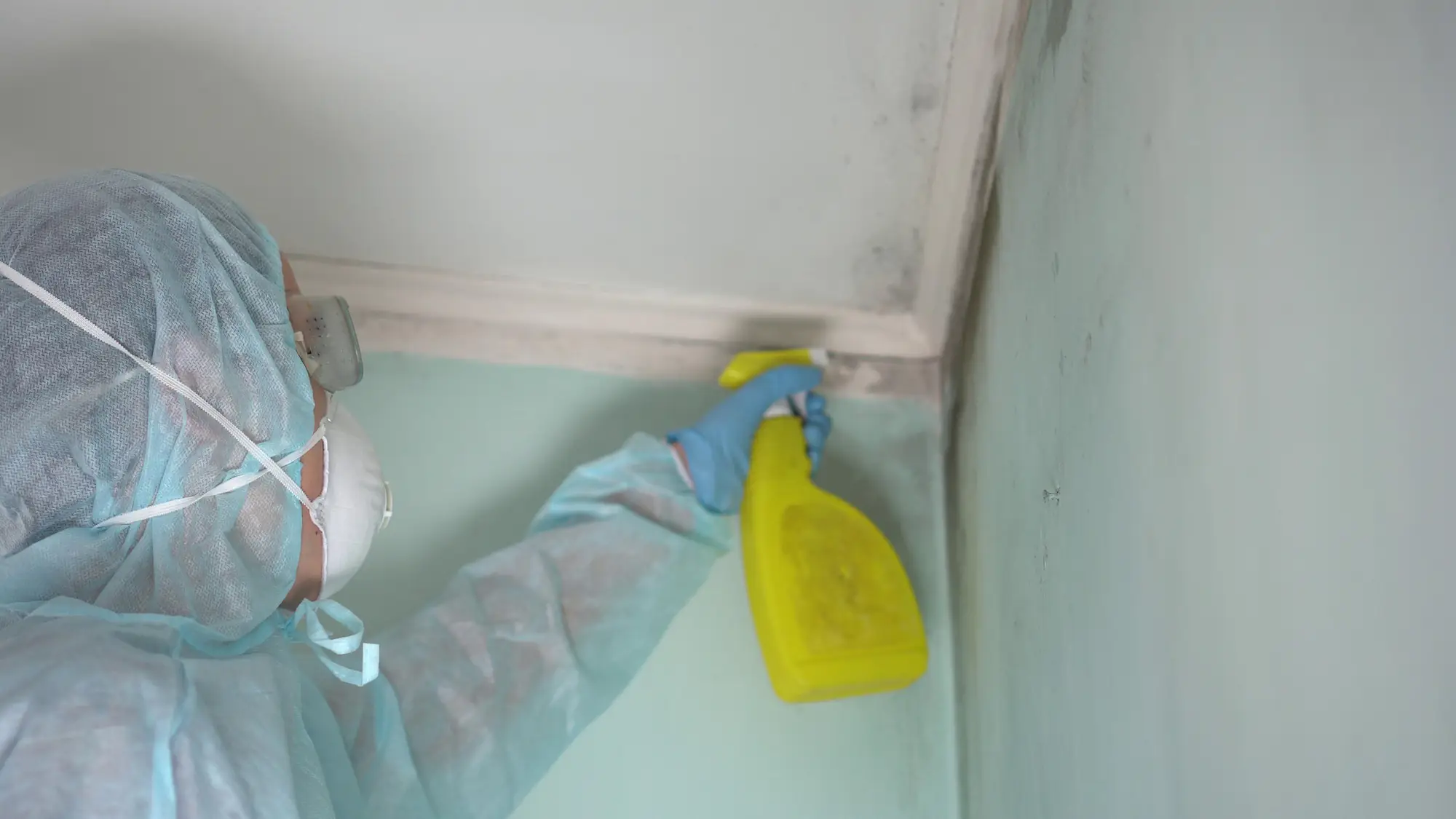
Most residential air quality testing in Pineville runs between $300 and $800 depending on your home’s size and how many areas need testing. A basic mold air test for a smaller home with one or two sampling locations costs less than comprehensive testing for a larger property with multiple problem areas.
The price includes the on-site inspection, air and surface sampling, lab analysis from independent certified labs, and a detailed report of findings. You’re paying for accurate results from calibrated equipment and professional interpretation of what those results mean for your specific situation.
Some companies charge less but use less reliable testing methods or in-house analysis that isn’t independently verified. Others charge more because they’re assuming you’ll need remediation and they’re building that into the testing price. We price testing separately from any remediation work because you should know what you’re dealing with before deciding what to fix.
DIY kits from hardware stores test whether mold is present, but they don’t tell you how much, what types, or whether the levels are actually problematic. Most DIY tests will come back positive because mold spores exist in virtually every indoor environment. That positive result doesn’t tell you if you have a problem worth fixing.
Professional air quality testing measures spore concentration and identifies specific mold species. Some molds are relatively harmless. Others produce mycotoxins that cause serious health effects. Lab analysis tells you which types you’re dealing with and whether the concentration exceeds safe levels for indoor environments.
We also use equipment you don’t have access to—laser particle counters, thermal imaging cameras, professional-grade moisture meters calibrated for accuracy. We know where to sample, how to avoid contaminating samples, and how to interpret results in context of your home’s specific conditions. You get actionable information instead of just a scary positive result that doesn’t tell you what to do next.
The on-site inspection and sampling typically takes one to three hours depending on your home’s size and how many areas we’re testing. We’re thorough but efficient—we’re not dragging out the process to inflate costs.
Lab results usually come back within three to five business days. Independent labs need time to culture samples and conduct proper analysis. Anyone promising same-day results isn’t doing comprehensive testing. Rush processing is available if you’re in a time-sensitive situation like a real estate closing, but standard turnaround gives you reliable results without cutting corners.
You’ll receive a detailed written report and we’ll schedule a follow-up call or meeting to walk through the findings. We explain what the numbers mean in plain language, show you photos of problem areas, and discuss your options based on what we found. You’re not left trying to decode a technical report on your own.
Test your air quality when you’re experiencing unexplained respiratory symptoms, allergies that won’t improve, or persistent coughing and congestion that gets better when you leave the house. Those symptoms often point to mold or allergen problems in your indoor air.
You should also test after any water damage—flooding, pipe leaks, roof leaks, or even persistent humidity problems in basements and crawl spaces. Mold can start growing within 24 to 48 hours of water exposure, and it’s not always visible. Testing confirms whether that water event created an ongoing air quality problem.
Before buying a home in Pineville, especially older properties, air quality testing gives you information that a standard home inspection might miss. Many Bucks County homes have moisture issues in basements or crawl spaces that aren’t obvious during a walkthrough but that affect the air throughout the house. Testing before you buy helps you negotiate repairs or walk away from a property with serious hidden problems.
Yes. Comprehensive indoor air quality testing identifies multiple types of contaminants beyond mold spores. We test for common allergens like dust mites, pet dander, and pollen that accumulate in your HVAC system and circulate through your home. These allergens cause the same respiratory symptoms as mold but require different solutions.
Testing can also detect issues with ventilation and air circulation that concentrate pollutants in certain areas of your home. Poor ventilation is common in Pineville’s older housing stock where homes were built before modern ventilation standards. We measure particulate levels and identify whether your air exchange rate is sufficient for healthy indoor air.
If you’re concerned about specific contaminants like radon, asbestos, or VOCs from building materials, those require specialized testing beyond standard air quality assessment. We can discuss what additional testing makes sense based on your home’s age, your symptoms, and what we observe during the initial inspection. The goal is giving you complete information about what’s affecting your indoor environment.
The report will specify which types of mold are present, the concentration levels, and which areas of your home show the highest spore counts. Some mold findings require immediate remediation, especially if you’re dealing with toxic varieties or very high concentrations. Other findings might just need improved ventilation and moisture control.
We’ll walk you through the specific recommendations based on your results. If remediation is necessary, we handle that process—locating the moisture source, containing the affected area to prevent spread, removing contaminated materials, treating surfaces, and verifying with post-remediation testing that spore levels have returned to normal.
You’ll also get guidance on preventing mold from returning. That usually means addressing whatever moisture problem created the mold growth in the first place. Fixing a leak, improving drainage, adding ventilation, or using dehumidifiers in damp areas. Remediation without fixing the underlying cause just means you’ll be dealing with mold again in six months. We focus on permanent solutions, not temporary fixes that keep you calling us back.
Other Services we provide in Pineville