
Hear from Our Customers
You can’t fix what you can’t see. That’s the problem with indoor air—most contaminants are invisible, odorless, and undetectable without the right equipment.
A home air quality test gives you actual data. Not guesses. Not assumptions. You’ll know if mold spores are circulating through your vents, if VOCs are off-gassing from materials in your home, or if particulate levels are higher than they should be.
This matters in Penndel, where Bucks County’s humid summers create ideal conditions for mold growth. Older homes, poor ventilation, and seasonal moisture all contribute to indoor air problems that most people don’t realize exist until someone gets sick.
Testing catches problems early. Before respiratory issues become chronic. Before mold spreads behind walls. Before your family’s health is compromised by something you could have addressed months ago.
We’ve been helping Penndel homeowners understand what’s in their indoor air for years. We’re local to Bucks County, which means we understand the climate challenges here—the humidity, the older housing stock, the seasonal moisture issues that create mold problems.
We use infrared cameras, moisture meters, and air sampling equipment to detect contaminants your senses can’t pick up. Our process is straightforward: we test, we analyze, we report findings in plain language.
You’re not hiring a national chain that doesn’t know Penndel. You’re working with a local team that’s seen these problems in hundreds of homes just like yours.

First, we talk. You tell us what you’re experiencing—unexplained allergies, musty odors, respiratory issues, or just general concern about your indoor air. That conversation shapes where we focus our testing.
Next, we inspect your home. We’re looking for visible signs of mold, moisture intrusion, ventilation problems, or conditions that could affect air quality. We use moisture meters and infrared cameras to detect hidden issues behind walls or in crawl spaces.
Then we collect air samples. We test for mold spores, VOCs, particulate matter, and other contaminants depending on your specific concerns. Surface testing may also be done if we spot potential mold growth.
After lab analysis, you get a detailed report. It explains what we found, what concentration levels mean for your health, and what steps you should take next. No jargon. No vague recommendations. Just clear information about your home’s air and what to do about it.
Ready to get started?
Your residential air quality testing includes a full consultation, visual inspection, and air sampling using professional-grade equipment. We test for the contaminants that matter most in Bucks County homes: mold spores, VOCs, carbon monoxide, carbon dioxide, and particulate matter like dust and dander.
In Penndel specifically, we pay close attention to moisture-related issues. The area’s humidity levels—combined with older homes that may lack modern ventilation—create conditions where mold thrives. We’re looking for those problem areas before they become health hazards.
You’ll receive laboratory analysis of all samples, plus a written report that breaks down what we found and what it means. If mold or other contaminants are present, we’ll explain the health risks and recommend next steps. If remediation is needed, we handle that too—but testing comes first so you’re making decisions based on facts, not fear.
The goal isn’t to sell you services you don’t need. It’s to give you accurate information about your indoor air so you can make informed choices about your home and your family’s health.
You should consider testing if anyone in your home is experiencing unexplained respiratory issues, frequent headaches, persistent allergies, or skin irritation that gets worse indoors. These are common signs that something in your air is affecting your health.
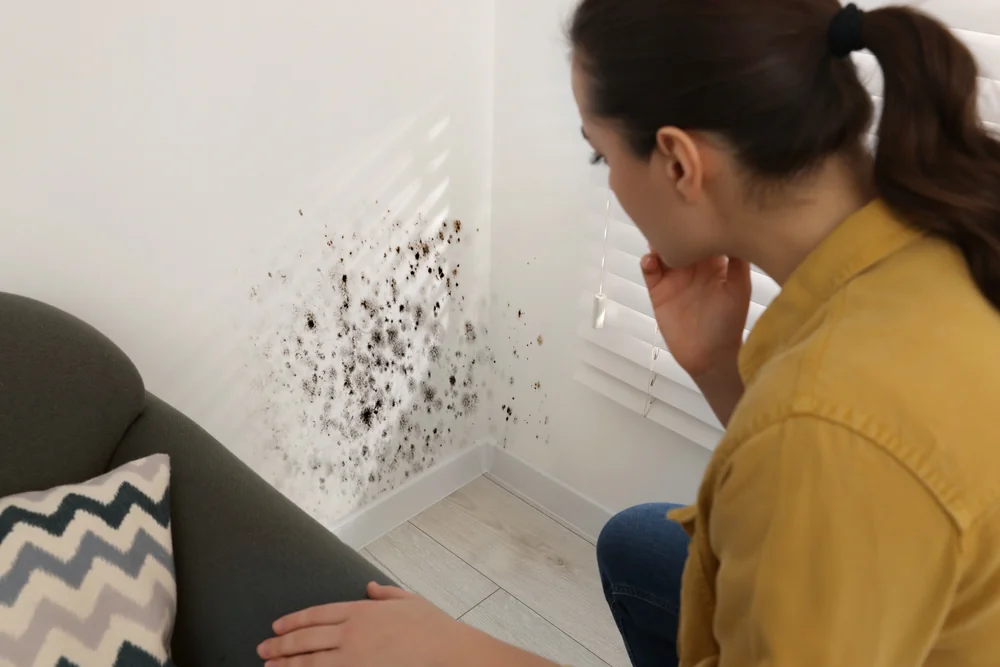
Musty odors, visible mold growth, or recent water damage are also clear indicators. But here’s the thing—many air quality problems don’t announce themselves. Mold spores, VOCs, and other contaminants are often colorless and odorless.
If you’re buying or selling a home in Penndel, testing is smart due diligence. If you have young children, elderly family members, or anyone with asthma or compromised immunity, testing gives you peace of mind. And if your home is older or has had moisture issues in the past, you’re at higher risk and should know what’s circulating through your vents.
We test for mold spores, which are one of the most common indoor air problems in Bucks County due to our humid climate. Mold exposure can trigger allergies, asthma attacks, and respiratory issues—especially in vulnerable individuals.
We also test for volatile organic compounds (VOCs), which off-gas from building materials, paints, cleaning products, and furniture. Long-term VOC exposure can cause headaches, dizziness, and more serious health effects.
Carbon monoxide and carbon dioxide levels are measured to ensure your home has proper ventilation and no dangerous gas buildup. We check particulate matter—dust, dander, pollen—that can aggravate allergies and breathing problems. Depending on your specific concerns, we can also test for radon, which is a significant issue in Pennsylvania, with about 40% of homes exceeding EPA safety guidelines.
The on-site portion typically takes one to two hours, depending on your home’s size and the scope of testing. We’re collecting air samples, doing visual inspections, and using equipment like moisture meters and infrared cameras to identify problem areas.
After we collect samples, they go to a lab for analysis. You’ll usually have results within a few days—sometimes up to a week if we’re running more comprehensive tests.
Once results are back, we schedule a follow-up to walk you through the report. We explain what was found, what the concentration levels mean, and whether any contaminants pose health risks. If action is needed, we’ll recommend specific next steps. The whole process from initial call to final report typically takes about a week, though we can expedite if you’re dealing with an urgent situation.
If you’re experiencing health symptoms or have visible signs of mold, yes—testing is worth it. You’re getting concrete data instead of guessing about what’s wrong. That information helps you make smart decisions about remediation and prevents you from wasting money on fixes that don’t address the actual problem.
Testing also catches issues early, which saves money long-term. Mold remediation costs significantly less when you address it before it spreads throughout your home. Same with other air quality problems—early detection means smaller, less expensive solutions.
For property transactions, testing protects your investment. If you’re buying, you’ll know what you’re getting into. If you’re selling, you can address problems before they derail a deal. And if you have family members with respiratory conditions or compromised immunity, the health protection alone justifies the cost. You can’t put a price on breathing clean air in your own home.
DIY kits exist, but they have serious limitations. Most only test for one or two contaminants and don’t give you the full picture of your indoor air quality. The sampling methods are often less reliable than professional equipment, which means you might get inaccurate results.
More importantly, DIY kits don’t include the inspection component. We’re not just collecting air samples—we’re using infrared cameras and moisture meters to find hidden problems, checking ventilation systems, and identifying conditions that contribute to poor air quality. You can’t do that with a kit from the hardware store.
If you get results from a DIY test that indicate a problem, you’ll likely need professional testing anyway to confirm and determine the extent of contamination. And if results come back clean but you’re still experiencing symptoms, you won’t know if the test was accurate or if you missed something. Professional testing costs more upfront, but it gives you reliable data and expert analysis the first time.
First, don’t panic. Finding contaminants doesn’t mean your home is unlivable—it means you now have the information needed to fix the problem. We’ll explain exactly what was found, at what levels, and what health risks those levels present.
If mold is detected, we’ll identify the type and concentration. Some mold is worse than others. We’ll also help you understand the source—whether it’s a moisture problem, ventilation issue, or past water damage that wasn’t properly remediated.
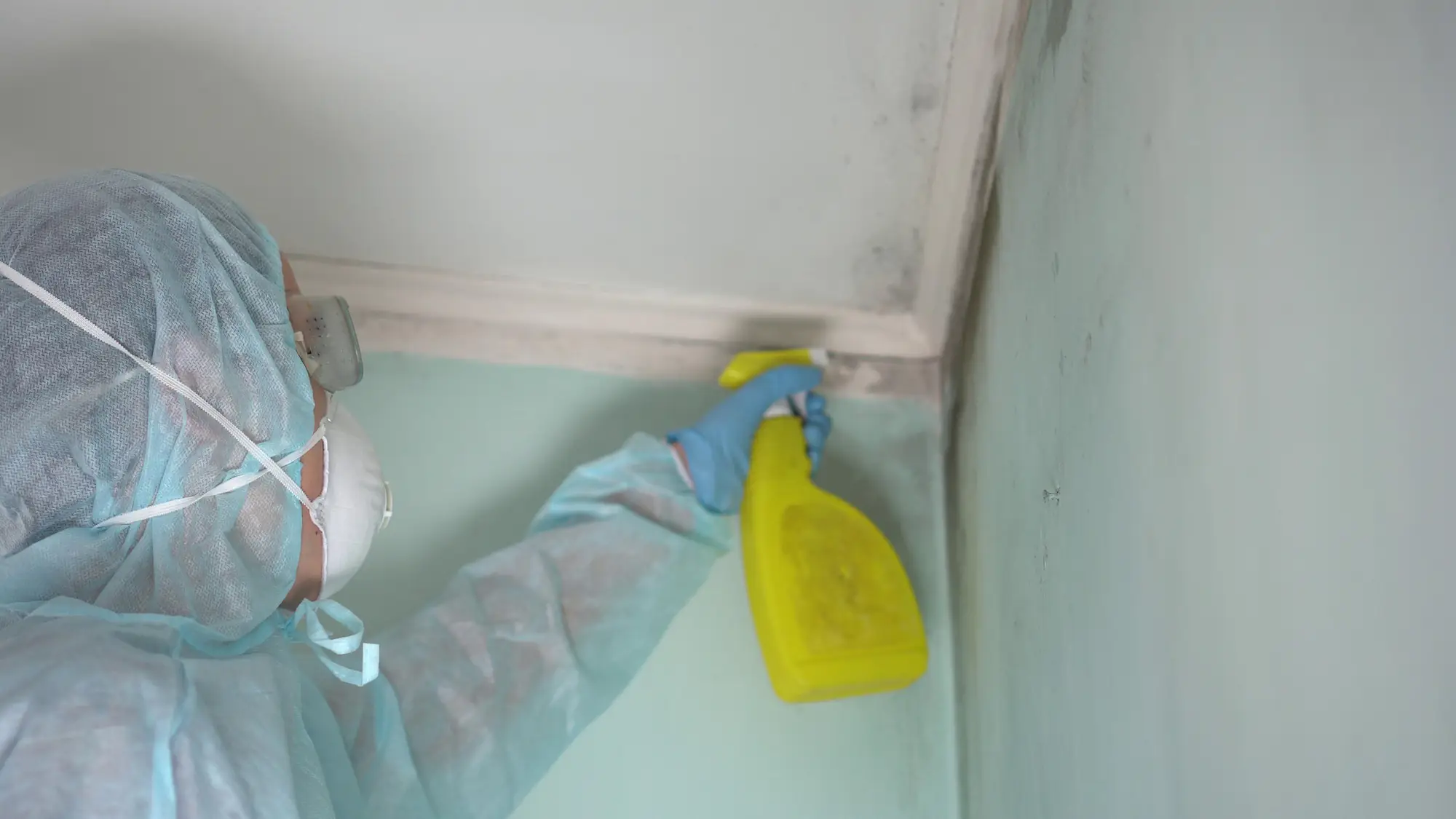
From there, we’ll recommend specific remediation steps. Sometimes it’s as simple as improving ventilation or fixing a leak. Other times, professional mold removal is necessary. We handle remediation in-house, so if you need that service, we can move directly from testing to treatment without involving another company. But you’re never pressured—the report gives you the facts, and you decide how to proceed based on your situation and budget.
Other Services we provide in Penndel