
Hear from Our Customers
You spend over 90% of your time indoors. If something’s wrong with your air, you’re breathing it in constantly—and so is everyone else in your home.
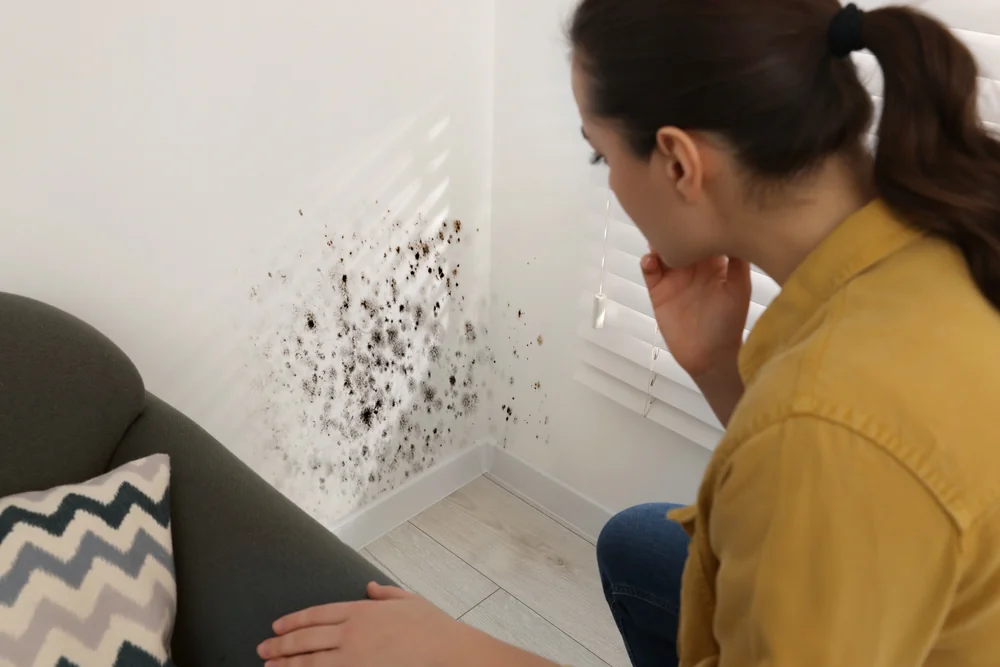
Maybe someone in your family has been coughing more than usual. Maybe you’ve noticed a musty smell that won’t go away. Maybe you just want to know what’s floating around in the air after Bucks County’s humid summers or damp winters.
A professional air quality test gives you actual data. Not guesses. Not assumptions. You’ll know exactly what pollutants, allergens, or mold spores are present, where they’re coming from, and what levels you’re dealing with. That’s when you can make informed decisions about your home instead of wondering if there’s a problem or hoping it goes away on its own.
Indoor air can be up to 100 times more polluted than outdoor air. Testing shows you what’s really there.
We’ve been helping homeowners in Parkland Heights and throughout Bucks County understand what’s happening inside their walls and HVAC systems. We know this area—the weather patterns, the older homes built without modern moisture control, the humidity that creeps in every summer.
We’re not a national chain reading from a script. We’ve worked in hundreds of local homes, and we know exactly what to look for in this climate. When you call us, you’re getting someone who understands Bucks County homes and the specific air quality challenges they face.
We offer free inspections because we’d rather show you what we do than talk about it. No pressure. Just a thorough look at your home and honest answers about what we find.

First, we walk through your home and talk about what you’ve noticed—smells, symptoms, visible moisture, anything that made you call. We’re looking at areas where problems typically start: basements, bathrooms, attics, crawl spaces, around windows, near HVAC systems.
Then we use thermal imaging and moisture meters to find hidden moisture issues. Mold doesn’t always show up on surfaces. Sometimes it’s growing inside walls or ductwork where you’d never see it. Our equipment picks up temperature differences and moisture levels that point to problems before they become visible.
We collect air samples from multiple areas of your home. These samples get sent to a certified lab that identifies exactly what’s in your air—mold species, spore counts, allergens, and other pollutants. We also do surface testing if we find suspicious areas that need closer examination.
You get a detailed report that breaks down what we found, what it means for your health and your home, and what steps you should take next. If there’s a problem, we’ll explain your options. If your air quality is fine, we’ll tell you that too. The goal is to give you clear information so you can make the right call for your situation.

Ready to get started?
Your home air quality test includes visual inspection of your entire property, air sampling from multiple rooms and levels, surface testing on any suspicious areas, moisture detection using professional-grade meters, and thermal imaging to find hidden problems.
In Parkland Heights, where homes average $353,000 in value and many were built decades ago, older construction methods can create air quality challenges. Homes built before modern building codes often lack proper ventilation systems. Basements weren’t always waterproofed correctly. Insulation standards were different. These factors matter when you’re trying to figure out why your indoor air quality isn’t what it should be.
Bucks County’s climate doesn’t help. Warm, humid summers push moisture into homes. Damp winters keep things from drying out properly. When humidity stays above 60%, mold can start growing within 24 to 48 hours. Most homeowners don’t realize there’s a problem until someone gets sick or they spot visible growth.
We also work directly with insurance companies if your air quality issues are related to water damage or mold. We’ve helped hundreds of Bucks County homeowners get their claims approved by providing the detailed documentation insurers require. You get copies of everything—lab results, photos, moisture readings, and our professional assessment.
If anyone in your home is experiencing unexplained respiratory symptoms—coughing, sneezing, headaches, or allergy-like reactions that get better when they leave the house—that’s a strong sign your indoor air quality needs testing. You’re not imagining it, and it’s not normal.
Other red flags include musty or moldy odors that don’t go away, visible moisture problems or water stains, condensation on windows, a history of flooding or leaks, or if you live in an older home that hasn’t been tested before. Parkland Heights has plenty of beautiful older homes, but many were built before modern moisture control standards existed.
Even without obvious symptoms, testing makes sense if you want to be proactive. About 24% of homes have moisture or mold problems according to residential studies. You might have an issue developing that hasn’t caused symptoms yet. Catching it early saves you money and protects your family’s health before anyone gets sick.
A mold air test specifically looks for mold spores and identifies what species are present and at what concentration levels. It’s focused entirely on mold. An indoor air quality test is broader—it checks for mold, but also measures other pollutants like dust mites, pet dander, VOCs (volatile organic compounds), particulate matter, and other allergens that affect your air.
If you suspect mold specifically—maybe you’ve seen it, or you smell that distinctive musty odor—a mold test might be enough. But if you’re dealing with general health symptoms or just want a complete picture of what you’re breathing, a full air quality test gives you more information.
We usually recommend starting with comprehensive air quality testing because it catches everything. You might think you have a mold problem when it’s actually something else, or you might have multiple issues affecting your air at once. Better to know the full story than to focus on one thing and miss others.
The on-site inspection and testing typically takes two to three hours depending on the size of your home and how many areas need attention. We’re not rushing through it. We’re checking every space where problems commonly develop and collecting samples from multiple locations to get accurate results.
Lab analysis takes a few days after we collect the samples. Most labs return results within three to five business days. Once we get the lab report, we’ll schedule a time to go over the findings with you and explain what everything means in plain language.
If you’re dealing with an urgent situation—active water damage, severe symptoms, or a situation where you need answers fast—let us know. We can often expedite lab processing for time-sensitive cases. But for standard testing, plan on having your complete results and recommendations within a week of your inspection.
You can, but those kits have serious limitations. Most over-the-counter test kits only check for the presence of mold, not the type or concentration. They can’t tell you if what they’re detecting is actually a problem or just normal background levels that exist in every home.
They also can’t find hidden moisture issues or mold growing inside walls, ductwork, or other concealed spaces. You’re only testing the air in one spot at one moment in time. Professional testing uses multiple samples from different areas, plus moisture detection equipment and thermal imaging that shows what’s happening behind surfaces you can’t see.
The bigger issue is interpretation. Even if a store-bought kit tells you mold is present, then what? You don’t know what species it is, whether the levels are dangerous, where it’s coming from, or how to fix it properly. A professional test gives you actionable information—not just “yes, there’s mold” but “here’s what kind, here’s where it’s growing, here’s what’s causing it, and here’s how to eliminate it.”
We start with a free inspection to assess your situation and determine what testing you actually need. Not every home requires the same level of testing, and we’re not going to recommend services you don’t need.
Cost depends on the size of your home, how many samples we need to collect, and whether you need basic air quality testing or more comprehensive analysis. A typical residential air quality test for an average-sized home in Parkland Heights usually runs between a few hundred to several hundred dollars. That includes the inspection, lab analysis, and a detailed report with recommendations.
If we find issues that need remediation, we’ll give you a clear estimate before any work begins. No surprises. Many homeowners find that their insurance covers testing and remediation costs, especially if the air quality problem stems from water damage or a covered event. We work with insurance companies regularly and can help you navigate that process if it applies to your situation.
First, you’ll get a complete explanation of what we found, what it means for your health and your home, and what your options are. Not every mold finding requires dramatic action. Sometimes it’s a minor issue with a straightforward fix. Other times it needs professional remediation.
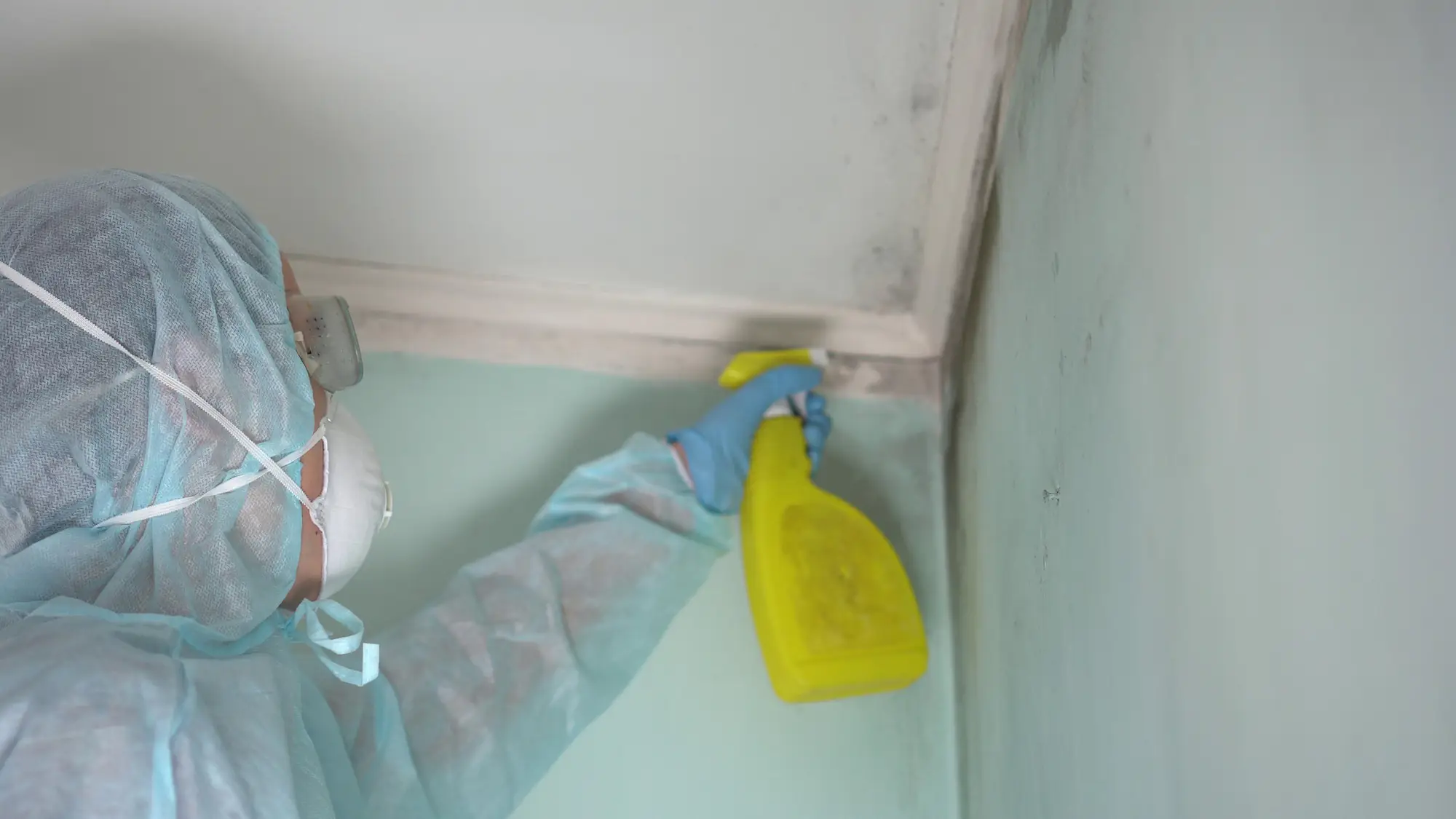
If remediation is necessary, we handle that too. We’ll contain the affected area to prevent spores from spreading, remove contaminated materials safely, treat surfaces with antimicrobial solutions, fix the moisture problem that caused the mold in the first place, and verify the work with post-remediation testing to confirm your air quality is back to safe levels.
The key is addressing the source of the problem, not just the symptoms. If there’s a leak, ventilation issue, or humidity problem causing mold growth, that needs to be fixed or the mold will come back. We focus on permanent solutions, not temporary patches. You’ll know exactly what we’re doing, why we’re doing it, and what to expect throughout the process.
Other Services we provide in Parkland Heights