

Hear from Our Customers
You wake up without that musty basement smell. Your kids stop sneezing every time they go downstairs. The air in your home feels lighter, cleaner.
That’s what actually happens when mold gets removed the right way. Not just sprayed over. Not temporarily covered up. Removed—roots, spores, moisture source, all of it.
Most homeowners in Parkland Heights deal with mold because of how humid our summers get and how damp the winters are. Add in older homes without modern moisture barriers, and you’ve got the perfect recipe. Basements, crawl spaces, attics—they all stay damp longer than they should.
When we handle a mold removal job, you’re not just getting surface cleaning. You’re getting the moisture problem fixed, the contaminated materials removed, the air filtered with HEPA equipment, and a plan to keep it from coming back. You get documentation for insurance if you need it. You get a home that feels safe again.
We’ve been helping Parkland Heights homeowners deal with mold for one reason: we do it right. We don’t cut corners. We don’t spray and leave. We find what’s causing it, we remove it safely, and we make sure it doesn’t come back.
Our team knows Bucks County homes. We know the basements that flood every spring. We know the attics that don’t breathe. We know what happens when a small leak goes unnoticed for too long.
You’re not getting a national franchise that sends out whoever’s available. You’re getting local professionals who’ve seen this problem in dozens of homes just like yours. We use thermal imaging to find hidden moisture. We use containment barriers so spores don’t spread during removal. We document everything so your insurance claim goes smoothly if you need to file one.

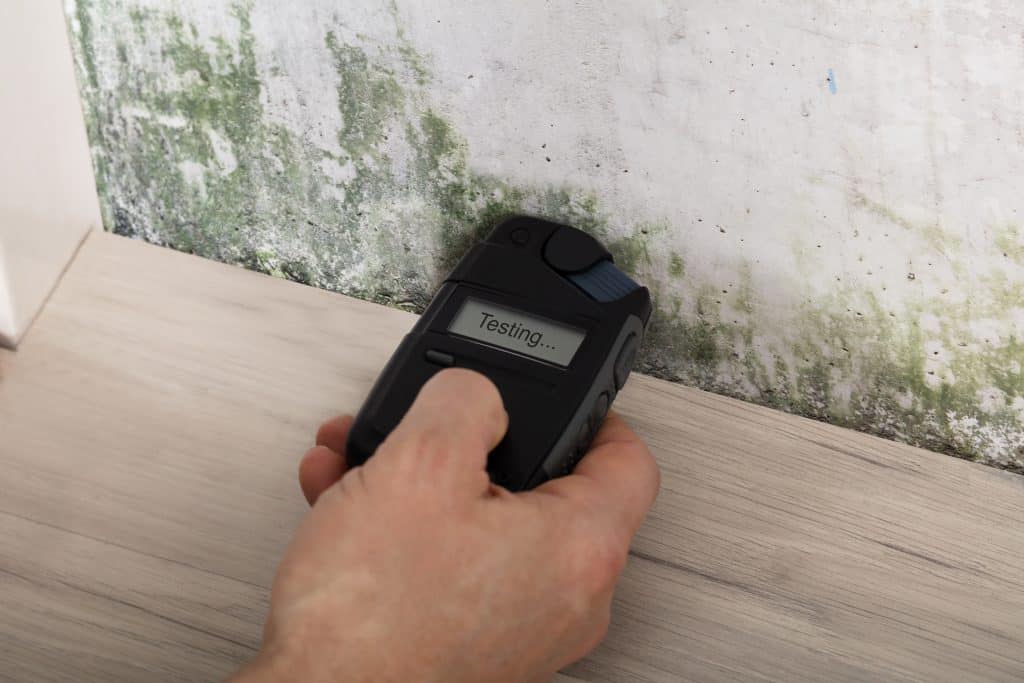
First, we come out for a free inspection. No charge just to tell you what you’re dealing with. We use moisture meters and thermal imaging to find every affected area—including spots you can’t see. We test the air quality if needed.
Once we know what we’re working with, we give you a clear breakdown of what needs to happen and what it’ll cost. No surprises. If insurance might cover it, we help with that paperwork.
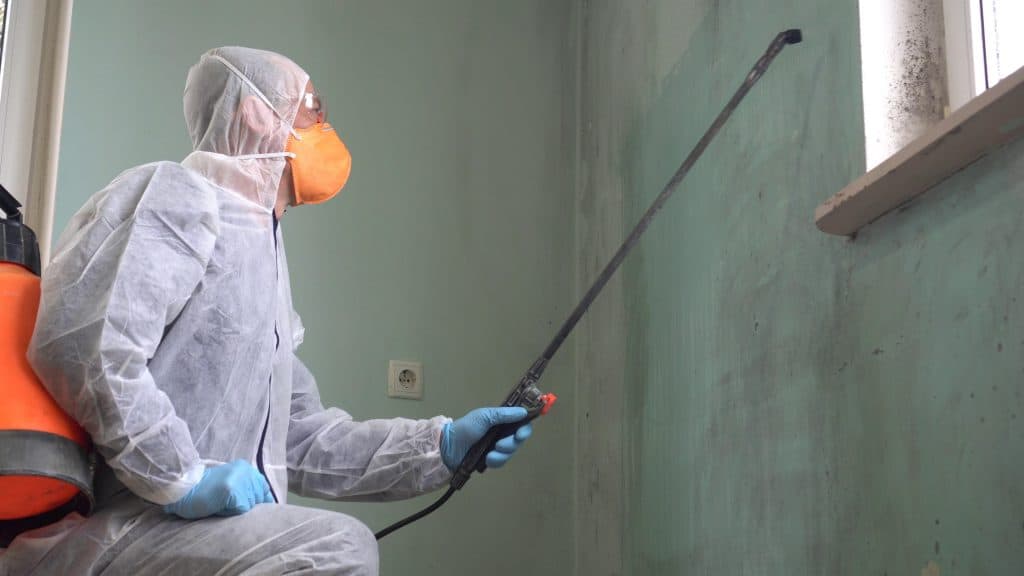
Then we set up containment so mold spores don’t spread to clean areas of your home during removal. We remove contaminated materials—drywall, insulation, whatever can’t be salvaged. We clean and treat everything that can be saved. HEPA air scrubbers run the whole time to filter the air.
After the mold’s gone, we fix the moisture problem. That might mean better ventilation, a dehumidifier, sealing a foundation crack, fixing a roof leak—whatever caused it in the first place. Because if we don’t fix that, the mold just comes back.
You get a full report when we’re done. Photos, readings, everything documented. Most jobs take three to five days start to finish.
Ready to get started?
Every mold removal project we do includes a complete moisture assessment. We’re not just looking at the visible mold. We’re finding out why it’s there. In Parkland Heights, that usually means basement humidity, poor attic ventilation, or a water intrusion issue that went unnoticed.
You get containment barriers to protect the rest of your home. You get HEPA filtration running throughout the job. You get safe removal of all contaminated materials—we don’t just clean the surface and hope for the best. If your drywall or insulation is compromised, it gets removed and disposed of properly.
We treat structural materials that can be saved with antimicrobial solutions. We address the source—whether that’s improving drainage, installing a vapor barrier, upgrading ventilation, or fixing a plumbing leak. Without that step, you’re just waiting for it to come back.
You also get full documentation. Moisture readings before and after. Photos of the affected areas and the work completed. A detailed report you can submit to your insurance company if the mold resulted from a covered event like a burst pipe or storm damage. We’ve helped hundreds of Bucks County families get their mold remediation covered because we know exactly what the insurance companies need to see.
Most homeowners in Parkland Heights pay between $1,100 and $3,200 for professional mold removal. The range depends on how much mold there is, where it’s located, and what’s causing it.
A small bathroom mold problem might cost around $600 if it’s caught early. A full basement remediation with structural damage can run $5,000 or more. The size of the affected area matters, but so does access—mold in a crawl space costs more to remove than mold on an open wall.
The other factor is the moisture source. If we need to address foundation issues, improve drainage, or make structural repairs to stop water intrusion, that adds to the cost. But skipping that step means the mold comes back, and you’re paying for removal all over again. We give you an upfront estimate after the inspection so you know exactly what you’re looking at before any work starts.
It depends on what caused the mold. If the mold resulted from a sudden, accidental event that your policy covers—like a burst pipe, a roof leak during a storm, or a washing machine overflow—then yes, your insurance will usually cover the mold removal.
If the mold developed because of long-term neglect, poor maintenance, or gradual moisture buildup, most policies won’t cover it. Insurance companies want to see that the mold happened quickly after a covered incident, not over months or years of ignored humidity.
We work directly with insurance companies throughout Bucks County. We provide the documentation they need: photos, moisture readings, detailed reports, and a clear timeline. We’ve successfully helped hundreds of families get their mold remediation covered. The key is acting fast when water damage happens and documenting everything from the start.
Most residential mold removal projects take three to five days from start to finish. That includes containment setup, removal of contaminated materials, cleaning and treatment, air filtration, and addressing the moisture source.
Smaller jobs—like a bathroom with mold around the shower—might only take a day or two. Larger projects involving multiple rooms, structural damage, or extensive moisture issues can take a week or more.
The timeline also depends on what’s causing the mold. If we need to wait for a plumber to fix a leak or a roofer to repair storm damage before we can start remediation, that adds time. But once we’re on site, we work efficiently. We’re not dragging the job out. We want your home back to normal as fast as possible without cutting corners on safety or thoroughness.
If the mold covers less than 10 square feet and you caught it early, you might be able to handle it yourself with the right precautions. Anything larger than that, you need professional mold removal.
Here’s why DIY mold cleaning usually makes things worse: store-bought sprays and bleach only work on non-porous surfaces. They don’t penetrate drywall, wood, or insulation where mold roots actually grow. You’re cleaning the surface while the mold keeps spreading underneath.
The bigger problem is disturbing the mold during removal. When you scrub or spray mold without proper containment, you’re launching millions of spores into the air. Those spores land in your HVAC system, on your furniture, in other rooms. You’ve just spread the problem throughout your house. Professional mold removal uses containment barriers, HEPA filtration, and proper removal techniques to prevent cross-contamination. We also have the equipment to find hidden mold behind walls, under floors, and in areas you can’t see.
Mold exposure causes respiratory issues for most people. You’ll notice persistent coughing, sneezing, runny nose, itchy eyes, and headaches—especially symptoms that get worse when you’re home and better when you leave.
For people with asthma or allergies, mold makes those conditions significantly worse. You might have trouble breathing, chest tightness, or wheezing. Kids and elderly family members are usually affected more severely.
Long-term exposure to mold can cause more serious problems: chronic sinus infections, lung inflammation, fatigue, difficulty concentrating, and mood changes. Black mold gets the most attention, but any mold growing in your home affects your indoor air quality. The longer you’re exposed, the worse the health impacts become. If your family is experiencing unexplained respiratory symptoms that improve when you’re away from home, mold is a likely culprit. The only real solution is complete removal and fixing whatever moisture problem is feeding it.
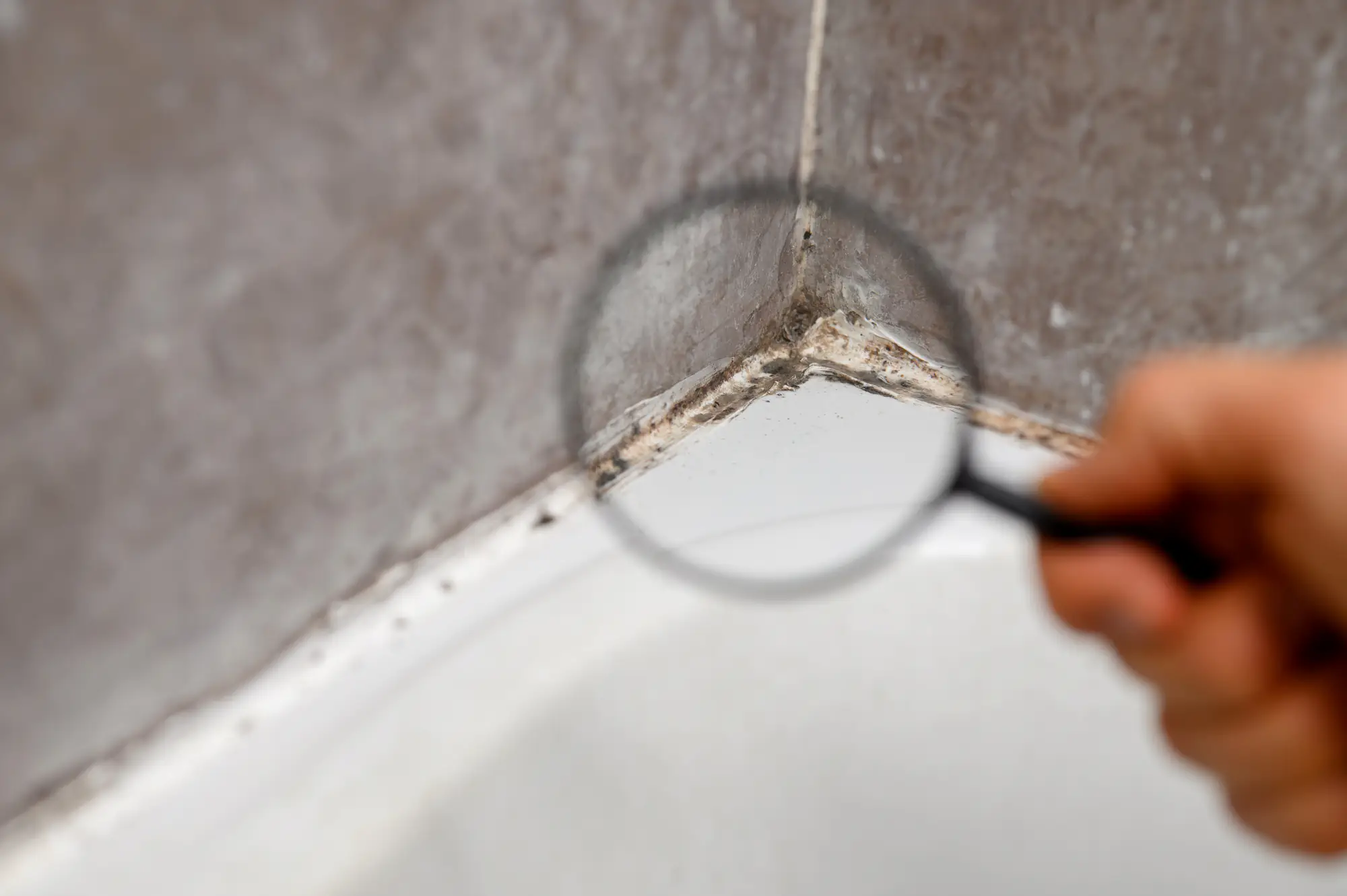
The most obvious sign is visible mold growth—black, green, or white patches on walls, ceilings, or around windows. But you don’t always see it before you smell it. That musty, earthy odor in your basement or bathroom is usually mold growing somewhere hidden.
Health symptoms are another indicator. If people in your home are coughing, sneezing, or dealing with headaches that get better when they leave the house, mold might be the cause.
Water damage is a red flag. If you’ve had a leak, flooding, or even just persistent condensation, there’s a good chance mold is growing somewhere. Mold starts growing within 24 to 48 hours after materials get wet. In Parkland Heights, we see mold most often in basements with humidity issues, attics with poor ventilation, and bathrooms without proper exhaust fans. If you suspect mold, don’t wait. We offer free inspections to give you a clear answer about what’s growing in your home and where it’s coming from.
Other Services we provide in Parkland Heights