
Hear from Our Customers
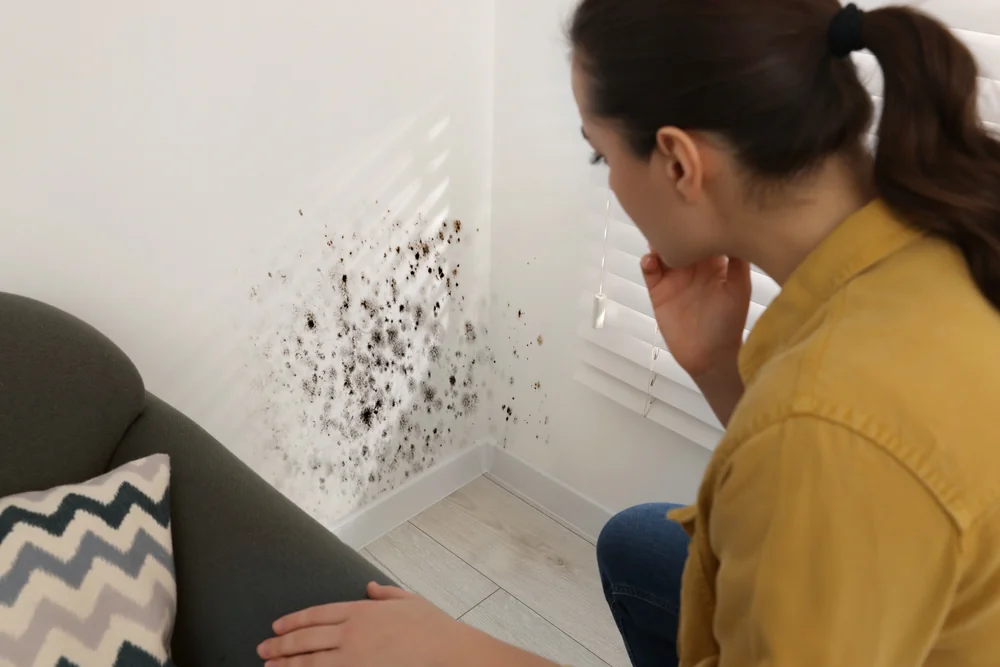
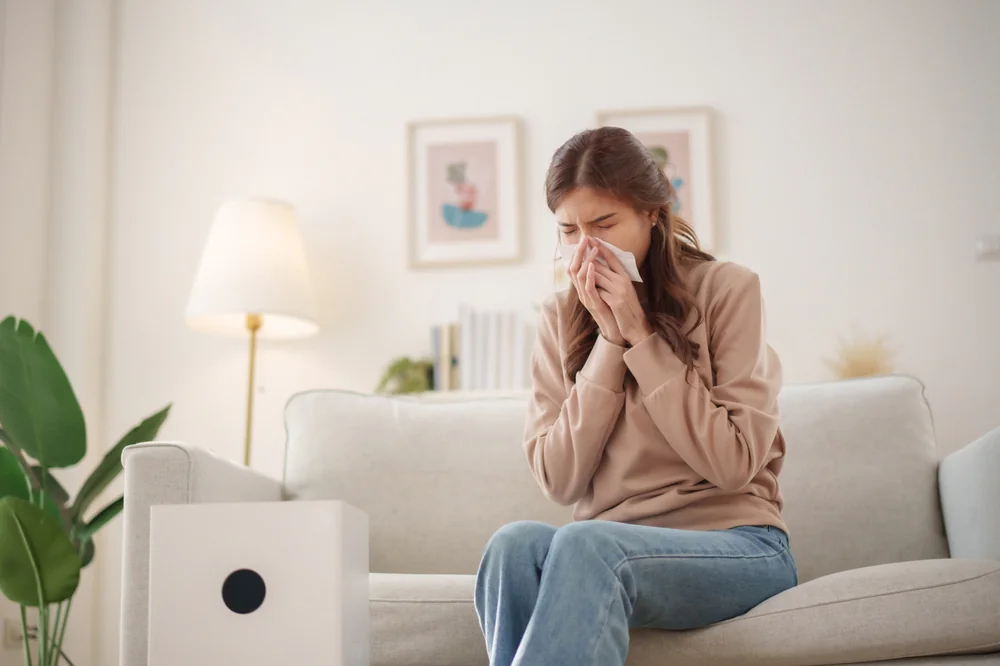
You’re noticing symptoms. Headaches that won’t quit. Scratchy throats every morning. Kids with constant congestion. You’ve cleaned everything, changed the filters, opened the windows—and nothing’s changed.
The problem isn’t always visible. Mold grows behind walls. Radon seeps through foundation cracks. VOCs off-gas from materials you can’t even smell anymore.
A home air quality test gives you actual data. Not guesses. Not assumptions. You’ll know if there’s mold in your HVAC system, if radon levels are above EPA action guidelines, or if something else is making your family sick. That’s when you can fix it—before it gets worse, before remediation costs skyrocket, before someone ends up with chronic respiratory issues.
Indoor air quality matters more than most people realize. You spend 90% of your time indoors. If the air in your New Galena home is contaminated, you’re breathing it all day, every day. Testing shows you exactly what’s there and what needs to happen next.
We’ve been testing air quality and inspecting for mold in Bucks County for over 20 years. We know what shows up in New Galena homes—the radon issues common throughout Pennsylvania, the moisture problems from older construction, the mold that hides in crawl spaces and attics.
We’re not a franchise following a script. We’re local, and we’ve seen what actually causes problems in this area. That means we test for the right things, interpret results in context, and give you recommendations that make sense for your home and your budget.
You’ll get a detailed report that explains what we found, where it’s coming from, and what you should do about it. No upselling. No scare tactics. Just clear information so you can make the right call.
We start with a visual inspection of your home. We’re looking for signs of moisture intrusion, mold growth, ventilation issues, and anything else that could be affecting your indoor air quality. This includes checking basements, crawl spaces, attics, HVAC systems, and anywhere else problems typically show up.
Next, we conduct air sampling. We use calibrated equipment to collect air samples from different areas of your home. These samples get sent to an accredited lab for analysis. The lab tests for mold spores, allergens, and other contaminants. If radon is a concern—and in Pennsylvania, it usually is—we’ll set up radon testing equipment that monitors levels over a specific period.
We also do surface testing when we spot visible growth or suspect contamination in a specific area. This tells us exactly what type of mold or pollutant we’re dealing with, which matters when it’s time to remediate.
Once the lab results come back, we put together a detailed report. It explains what we found, what the levels mean for your health, and what steps you should take. If remediation is needed, we’ll walk you through the process and give you a clear plan to fix the problem at its source.
Ready to get started?
Our residential air quality testing covers the contaminants that actually show up in Bucks County homes. That includes mold testing—both air sampling and surface testing—to detect hidden growth in walls, HVAC systems, and other areas you can’t easily inspect yourself.
Radon testing is critical in New Galena. Pennsylvania has one of the worst radon problems in the country. About 40% of homes tested here have radon levels above the EPA’s action guideline. Radon is a leading cause of lung cancer, and you can’t see it, smell it, or taste it. Testing is the only way to know if your home has a problem.
We also test for VOCs (volatile organic compounds) and other airborne pollutants that come from building materials, cleaning products, and everyday household items. Indoor pollutant levels often run two to five times higher than outdoor levels, especially in tightly sealed homes with poor ventilation.
You’ll receive lab-analyzed results and a written report that breaks down what we found, where it’s coming from, and what you need to do. If remediation is necessary, we handle that too—and we address the root cause so the problem doesn’t come back. Testing alone doesn’t fix anything. But it gives you the information you need to protect your family and your investment.
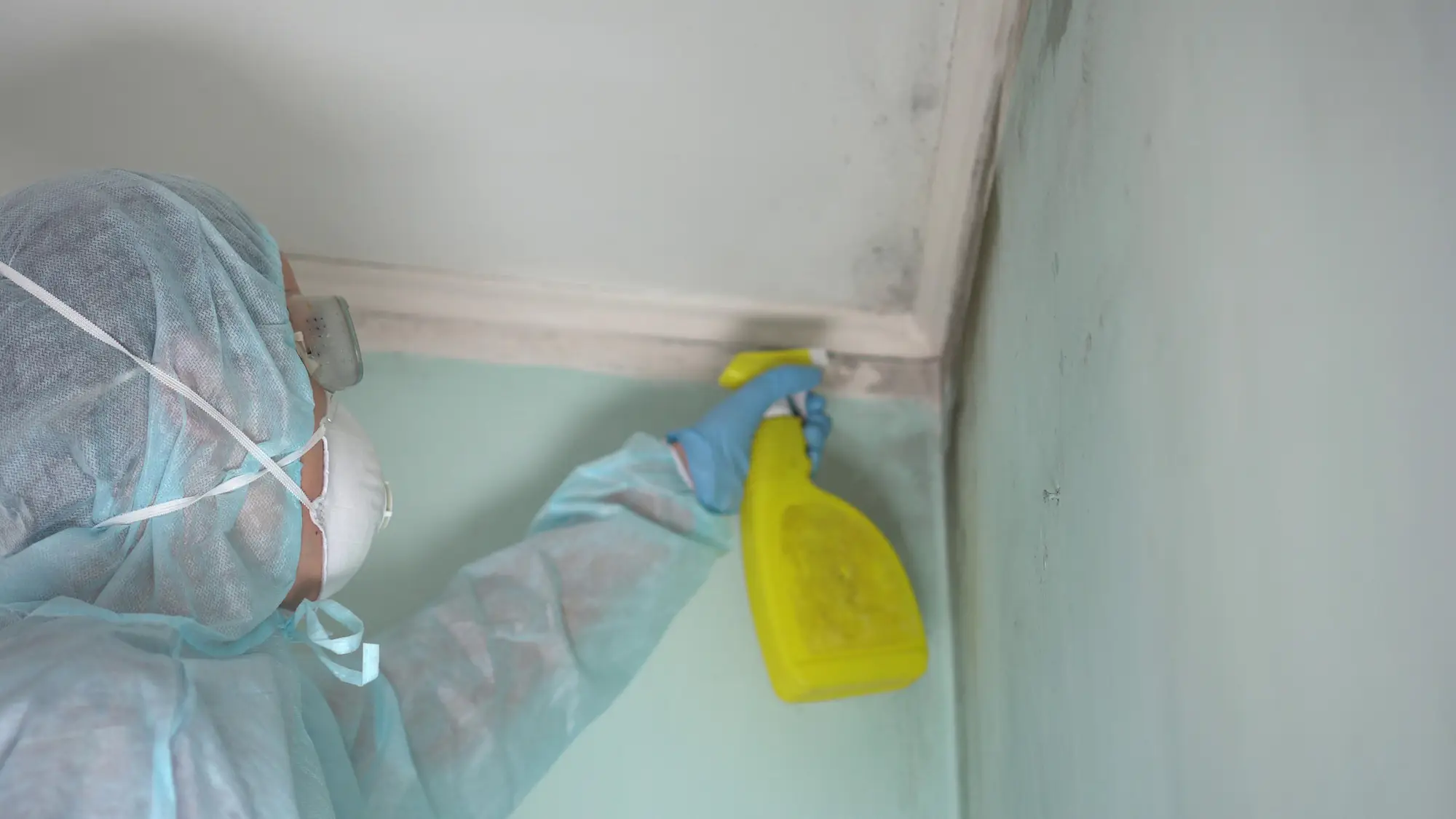
You need testing if you’re experiencing unexplained health symptoms—headaches, fatigue, nasal irritation, scratchy throat, nausea, or respiratory issues that don’t go away. These symptoms often mimic allergies or colds, but if they persist or get worse when you’re at home, poor air quality could be the cause.
Testing also makes sense if you’ve had water damage, flooding, or leaks. Even if you dried everything out, mold can grow behind walls or under flooring where you can’t see it. A musty smell is another red flag, but not all mold produces an odor.
If you’re buying or selling a home in New Galena, air quality testing gives you documentation for the transaction. Buyers want to know they’re not inheriting a mold or radon problem. Sellers benefit from testing because it shows transparency and can prevent deals from falling apart during inspections. And if you have young children, elderly family members, or anyone with asthma or respiratory conditions, testing is a smart precaution. Vulnerable populations are hit hardest by poor indoor air quality.
A mold air test detects the concentration and types of mold spores in your indoor air. The lab analyzes the sample and identifies specific mold species, then compares your indoor levels to outdoor levels. If your indoor mold counts are significantly higher than outdoors, that indicates a problem inside your home.
Different molds cause different issues. Some are allergenic, some are pathogenic, and some produce mycotoxins that can cause serious health problems. The test results tell you exactly what you’re dealing with so remediation can target the right problem.
Air testing is especially useful when you suspect hidden mold growth. You might not see anything, but if mold is growing in your HVAC system, behind drywall, or under flooring, spores are circulating through your home every time the air moves. Surface testing works when there’s visible growth, but air sampling catches what you can’t see. We often use both methods to get a complete picture. The goal is to find the source, not just confirm that mold exists somewhere in the house.
The on-site portion of air quality testing usually takes one to three hours, depending on the size of your home and what we’re testing for. We’ll conduct a visual inspection, collect air samples, and set up any monitoring equipment needed for radon or other long-term tests.
Radon testing requires 48 to 72 hours of monitoring to get accurate results. The testing device stays in your home during that period, measuring radon levels continuously. You’ll need to keep windows and doors closed as much as possible during the test to avoid skewing the results.
Lab analysis for mold and other air samples typically takes three to five business days. Once we receive the results, we’ll prepare your report and schedule a time to review everything with you. The report explains what we found, what the numbers mean, and what actions you should take. If immediate remediation is needed, we can start right away. If levels are borderline or you just need to improve ventilation, we’ll give you practical recommendations you can handle on your own. The timeline from initial testing to final report is usually about a week, sometimes less if lab results come back quickly.
Pennsylvania has some of the highest radon levels in the United States. About 40% of homes tested in Pennsylvania show radon concentrations above the EPA’s action guideline of 4.0 picocuries per liter. In schools, it’s even worse—75% of Pennsylvania schools that tested for radon found levels exceeding federal action limits.
Radon is a radioactive gas that forms naturally when uranium in soil and rock breaks down. It seeps into homes through cracks in foundations, gaps around pipes, and other openings. You can’t see it, smell it, or taste it. The only way to know if your New Galena home has elevated radon is to test.
Long-term radon exposure is the second leading cause of lung cancer in the United States, responsible for about 21,000 deaths every year. If you smoke and you’re exposed to high radon levels, your risk is even higher. The good news is that radon problems are fixable. If testing shows elevated levels, a radon mitigation system can reduce concentrations by up to 99%. But you have to test first. Radon levels vary from house to house, even in the same neighborhood. Your neighbor’s results don’t tell you anything about your home.
Yes. Air quality testing is valuable during real estate transactions because it provides documentation that protects both buyers and sellers. Buyers want assurance that they’re not purchasing a home with hidden mold, dangerous radon levels, or other air quality issues that could cost thousands to fix.
Sellers benefit from proactive testing because it demonstrates transparency and can prevent last-minute surprises during the buyer’s inspection. If a problem does exist, you can address it before listing or disclose it upfront with a remediation plan already in place. That keeps deals from falling apart.
In Pennsylvania, radon testing is especially common during home sales. Many buyers request it, and some lenders require it before approving a mortgage. Mold testing often comes up if there’s been previous water damage, if the home has a musty smell, or if the buyer has health concerns. Professional testing gives everyone clear information to work with. You’re not guessing or arguing about whether a problem exists—you have lab results and a professional assessment. That makes negotiations simpler and helps transactions close without unnecessary delays or disputes.
If testing finds mold, the first step is identifying the source. Mold needs moisture to grow, so we trace the problem back to its origin—leaky pipes, roof damage, poor ventilation, foundation cracks, or whatever is creating the conditions for mold growth. Remediation involves removing the contaminated materials, cleaning affected areas, and fixing the moisture issue so mold doesn’t come back.
We handle the entire process. You’ll get a clear remediation plan that explains what needs to be done, how long it will take, and what it will cost. We don’t just treat symptoms—we fix the underlying problem. Otherwise, mold returns and you’re paying for the same work twice.
If radon levels are above 4.0 picocuries per liter, you’ll need a radon mitigation system. This typically involves installing a vent pipe and fan that pulls radon from beneath your home and releases it outside, preventing it from accumulating indoors. Mitigation is straightforward and effective. Most systems reduce radon levels by 90% or more. The process usually takes one day, and once it’s installed, you can retest to confirm that levels have dropped to a safe range. Both mold remediation and radon mitigation protect your family’s health and your home’s value. The cost of fixing the problem is almost always less than the cost of ignoring it.
Other Services we provide in New Galena