

Hear from Our Customers
You stop worrying about what’s growing behind your walls. The musty smell disappears. Your family isn’t dealing with constant sneezing, coughing, or that nagging concern about whether the air is safe to breathe.
Mold doesn’t just sit there. In Bucks County’s humid climate, it spreads fast—especially in basements where moisture seeps through foundation walls or after any kind of water damage. Once it takes hold, it affects your health, your home’s structure, and your property value.
Professional mold removal means finding every trace of growth, not just the visible spots. It means using HEPA filtration and containment so spores don’t spread during cleanup. And it means identifying the moisture source—the leak, the ventilation issue, the humidity problem—so you’re not dealing with this again in six months.
You get your home back. Clean air. No more wondering if that dark spot in the corner is something serious. Just a space that feels safe again.
We’ve been helping homeowners in New Galena and throughout Bucks County deal with mold problems that come with living in this climate. Humid summers, damp winters, older homes with basements that weren’t built with modern moisture barriers—we’ve seen it all.
We’re local. We understand how Pennsylvania’s seasonal changes create the perfect conditions for mold growth, and we know where to look in homes like yours. Basements, crawl spaces, attics after a roof leak, under sinks where slow drips go unnoticed.
Our job is to get mold out of your home completely and help you understand what caused it so you can prevent it from happening again. We offer free inspections because you deserve to know what you’re dealing with before making any decisions.

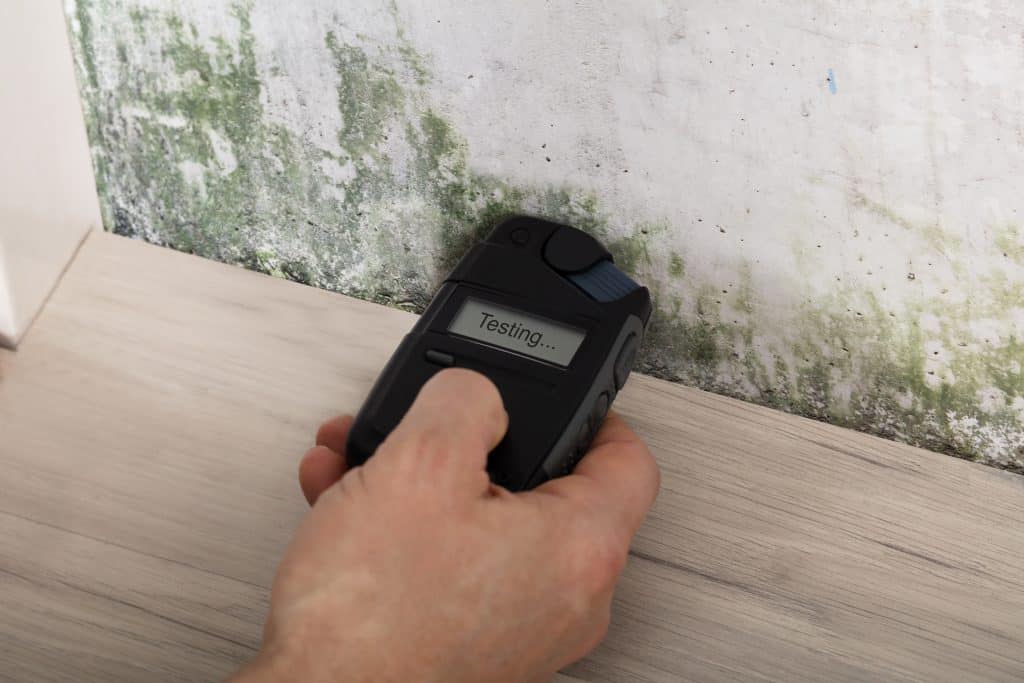
First, we come out and do a thorough inspection. We’re looking for visible mold, but also using moisture meters and thermal imaging to find hidden growth behind walls, under floors, anywhere moisture has created a problem you can’t see yet.
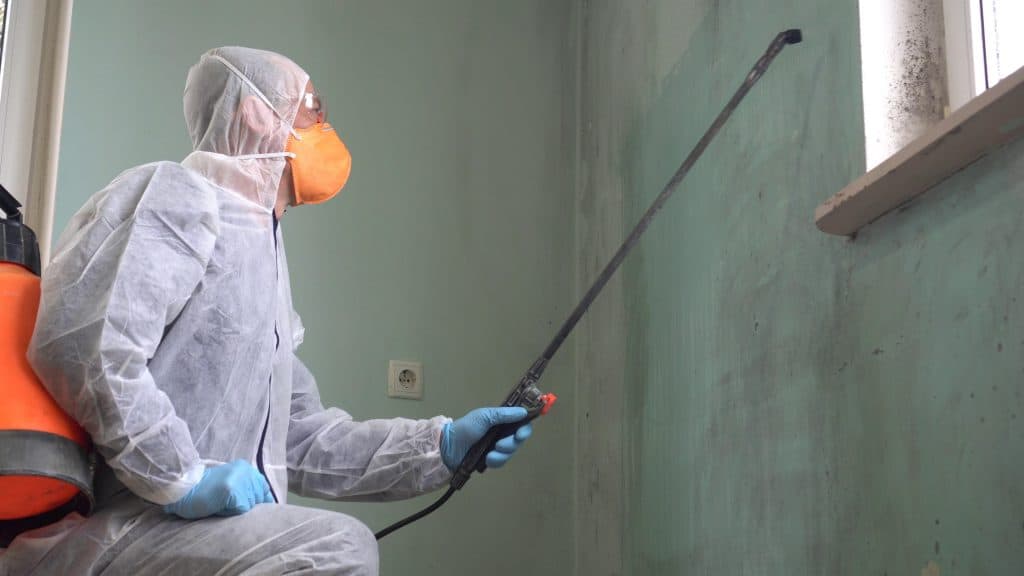
Once we know what we’re dealing with, we contain the area. That means sealing off the affected space so mold spores don’t spread to other parts of your home during removal. We set up HEPA air filtration to clean the air as we work.
Then we remove the mold—all of it. We use EPA-approved antimicrobials and professional-grade equipment to clean affected surfaces and materials. If something can’t be saved, we remove it safely.
After the mold is gone, we address the source. Maybe it’s a foundation crack letting water in. Maybe it’s poor ventilation in your bathroom. Maybe it’s a humidity issue that needs a dehumidifier. We’ll tell you exactly what’s causing the problem and what needs to happen to fix it.
You get documentation of everything we did, plus recommendations for keeping your home mold-free going forward.
Ready to get started?
Every mold removal job starts with a free inspection. You shouldn’t have to pay just to find out if you have a problem. We assess the situation, identify the type of mold, locate the moisture source, and give you a detailed estimate before any work begins.
Our mold cleaning services include complete containment and air filtration during removal. This isn’t optional—it’s how you prevent cross-contamination. We’re not just wiping down surfaces and calling it done. We’re removing affected materials when necessary, treating surfaces with antimicrobials, and making sure spores aren’t floating through your HVAC system into other rooms.
In New Galena and Bucks County, basement mold is one of the most common issues we handle. Older homes especially struggle with foundation moisture. Spring rains and summer humidity make it worse. We’ve worked in enough local basements to know exactly where problems develop and how to address them for good.
We also work with your insurance company if your mold problem is related to covered water damage. We’ll provide the documentation they need and help you navigate the claims process. And if you’re buying or selling a home, we can provide the inspection and remediation services that keep real estate deals moving forward.
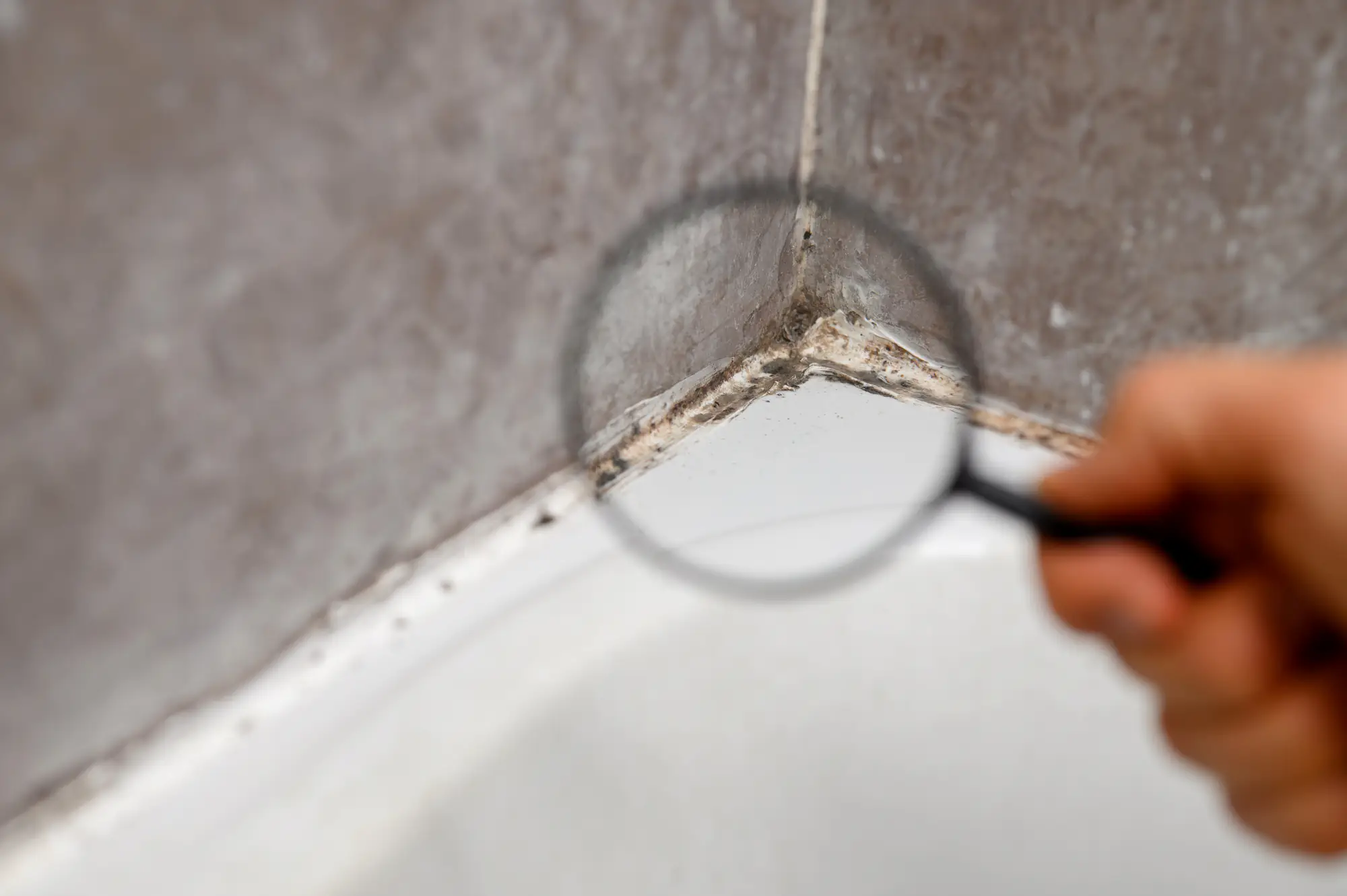
Mold can start growing within 24 to 48 hours after water exposure. That’s not a lot of time, especially if you don’t realize there’s been a leak or if you think a wet area will just dry on its own.
In Bucks County’s humid climate, that timeline can be even shorter during summer months when indoor humidity is already high. A small leak under a sink, a basement that got wet after heavy rain, even condensation around windows—any of these can create enough moisture for mold to take hold fast.
This is why speed matters. The longer moisture sits, the bigger the problem becomes. What starts as a small patch of mold on drywall can spread behind walls, into insulation, and through your HVAC system if it’s not addressed quickly. If you’ve had any kind of water damage in the last few days, it’s worth getting an inspection even if you don’t see mold yet.
Small surface mold—like a little growth on a bathroom tile—you can handle with proper cleaning products and ventilation. But if you’re dealing with black mold, mold covering more than a small area, or mold that’s come back after you’ve tried cleaning it, you need professional help.
Here’s why DIY mold removal often makes things worse: disturbing mold without proper containment spreads spores throughout your home. You might clean what you can see, but miss the growth behind the wall or under the floor. And if you don’t fix the moisture problem causing it, the mold just comes back.
Professional mold removal means using HEPA filtration, sealing off the work area, and having the equipment to find hidden moisture and mold growth. It also means knowing when materials need to be removed versus treated. For anything beyond minor surface mold, the cost of doing it right the first time is worth it compared to dealing with recurring problems or worse contamination.
Cost depends on how much mold there is, where it’s located, and what’s causing it. A small mold problem in one area might cost a few hundred dollars. Extensive mold remediation involving multiple rooms, structural materials, or hard-to-reach spaces like crawlspaces can run several thousand.
The biggest factor is usually the extent of the damage. Mold that’s been growing for months behind a wall requires more work than mold that just appeared on a bathroom ceiling. If materials like drywall or insulation need to be removed and replaced, that adds to the cost.
We provide free inspections and detailed estimates before any work starts. You’ll know exactly what needs to happen and what it costs. No surprises. And if your mold problem is related to covered water damage, your homeowner’s insurance may cover part or all of the remediation. We work with insurance companies regularly and can help with that process.
Mold removal and mold remediation are often used interchangeably, but technically remediation is the more accurate term. Here’s why: you can’t remove every single mold spore from a home. Mold spores exist naturally in the air everywhere. The goal isn’t to create a completely mold-free environment—that’s impossible.
Remediation means bringing mold levels back to normal, safe levels and removing active growth. It means cleaning or removing contaminated materials, fixing the moisture problem, and making sure mold can’t grow back in that spot.
So when we talk about our mold removal services, we’re really talking about full remediation. We’re not just scrubbing visible mold off surfaces. We’re addressing the entire problem: containment, removal of affected materials, air filtration, antimicrobial treatment, and moisture control. The end result is a home where mold levels are back to normal and the conditions that allowed growth are fixed.
Musty odors are usually the first sign. If a room smells like mildew or damp earth, there’s likely mold growing somewhere even if you can’t see it. Basements, crawl spaces, and areas around plumbing are common culprits.
Other signs include water stains on walls or ceilings, peeling paint or wallpaper, warping in wood floors or baseboards, and persistent condensation on windows. If anyone in your home is experiencing unexplained respiratory symptoms—sneezing, coughing, congestion, eye irritation—that gets better when they leave the house, hidden mold could be the cause.
Professional mold inspection uses moisture meters and thermal imaging to detect problems you can’t see. We check behind walls, under floors, in attics, around HVAC systems—anywhere moisture could be creating conditions for mold growth. If you’ve had any past water damage, even if it was cleaned up, it’s worth having an inspection to make sure mold didn’t develop in hidden areas afterward.
Don’t touch it or try to clean it yourself if it’s more than a very small surface area. Disturbing mold releases spores into the air, which can spread contamination and cause respiratory irritation. Keep that area isolated if possible—close doors, turn off fans that might circulate air from that room.
If the mold is related to active water damage or a leak, stop the water source if you can do so safely. Turn off the water supply to a leaking pipe, place a bucket under an active leak, move any belongings away from the affected area.
Then call us for an inspection. We offer free inspections and can usually get to you quickly—often the same day or next day depending on your situation. The sooner mold growth is assessed and contained, the less damage it causes and the easier it is to remediate. Time matters, especially in Bucks County’s humid climate where mold spreads fast once it starts growing.
Other Services we provide in New Galena