
Hear from Our Customers
You spend roughly 90% of your time indoors. If something’s wrong with your air, you’re breathing it in constantly—and so is everyone else in your home.
A home air quality test gives you actual data. Not guesses. Not assumptions based on a musty smell or a cough that won’t quit. You’ll know if mold spores are circulating through your HVAC system, if humidity levels are creating conditions for growth, or if allergens are triggering symptoms you’ve been blaming on seasonal allergies.
Indoor air quality is typically two to five times worse than outdoor air. That’s not a scare tactic—it’s a documented fact. Bucks County already struggles with ozone levels that earn an F grade from the American Lung Association. Inside your home, without proper testing, conditions can be even worse. Professional air quality testing identifies what’s there, how much of it exists, and where it’s coming from so you can make informed decisions about your next steps.
We’ve been testing air quality and inspecting for mold in Bucks County for over 20 years. We know how humid summers in Neshaminy Woods create perfect conditions for mold growth. We know which basements flood during heavy rain and which older homes have ventilation issues that trap moisture.
Our team is certified in mold remediation and trained to use advanced detection technology that goes beyond what you can see. We’ve tested hundreds of homes in this area—before real estate closings, after water damage, and when families just needed to know why someone kept getting sick.
We’re not here to upsell you on services you don’t need. We test, we report findings, and we give you clear recommendations. What you do with that information is your call.
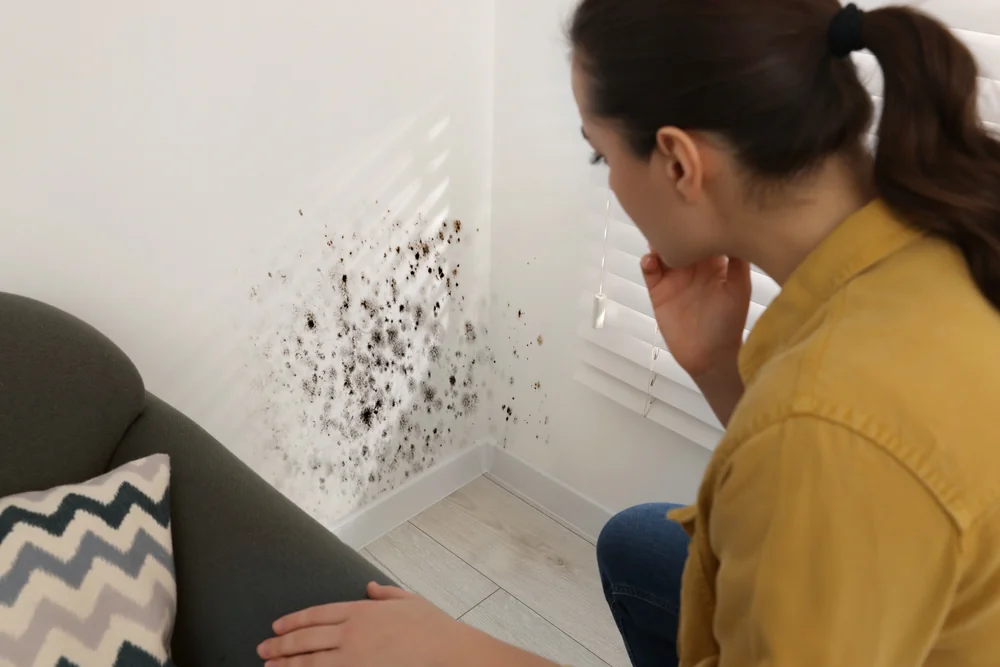
We start with a visual inspection of your property. That means checking areas where mold typically grows—basements, crawl spaces, attics, around windows, near HVAC systems, and anywhere water damage has occurred. We’re looking for visible growth, water stains, condensation patterns, and ventilation problems.
Next comes air sampling. We use calibrated equipment to collect air samples from multiple locations in your home, including areas where you’ve noticed symptoms and areas that seem fine. We also take an outdoor sample as a baseline for comparison. These samples get sent to an accredited lab that identifies the types and concentrations of mold spores, allergens, and other airborne contaminants.
Surface testing happens when we find visible growth or suspect hidden contamination. We take samples from surfaces, behind walls, or inside ductwork to confirm what’s growing and how widespread the problem is. The lab analysis tells us the specific species of mold and whether it’s the kind that produces mycotoxins.
You get a detailed report within a few days. It breaks down what we found, where we found it, what the lab results mean, and what actions you should consider. If remediation is needed, we explain the scope of work. If your air quality is fine, we tell you that too.
Ready to get started?
Your residential air quality testing includes a thorough visual inspection of your entire property, air sampling from multiple rooms, surface testing when needed, and lab analysis by certified professionals. You’re not paying for a guy with a moisture meter and a hunch. You’re getting data.
In Neshaminy Woods, we see specific patterns. Homes built in the 70s and 80s often have basement moisture issues. Properties near wooded areas deal with higher outdoor mold counts that make their way inside. Newer construction sometimes has ventilation problems because homes are built tighter for energy efficiency, which traps humidity indoors.
We account for these local factors when we test your home. Bucks County’s humid summers mean mold can grow fast once conditions are right. A small leak or a poorly vented bathroom can turn into a bigger problem within weeks. Our mold air test catches it early, before it spreads through your HVAC system or behind your walls.
Real estate transactions are another common reason for testing. Pennsylvania law requires sellers to disclose known material defects, including mold. Buyers want proof that the home they’re purchasing won’t become a health hazard or a money pit. A professional air quality test provides that documentation and protects everyone involved.
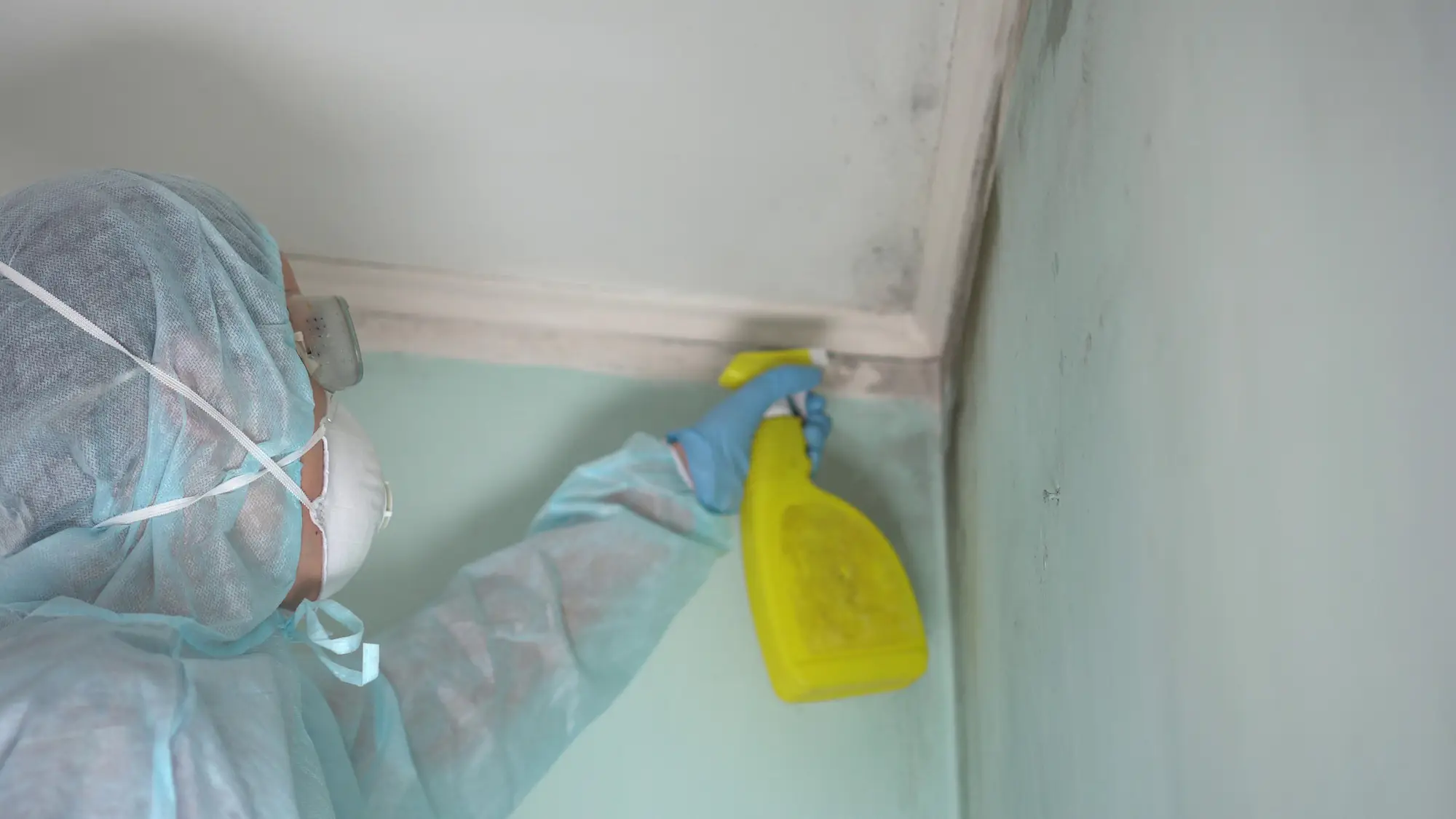
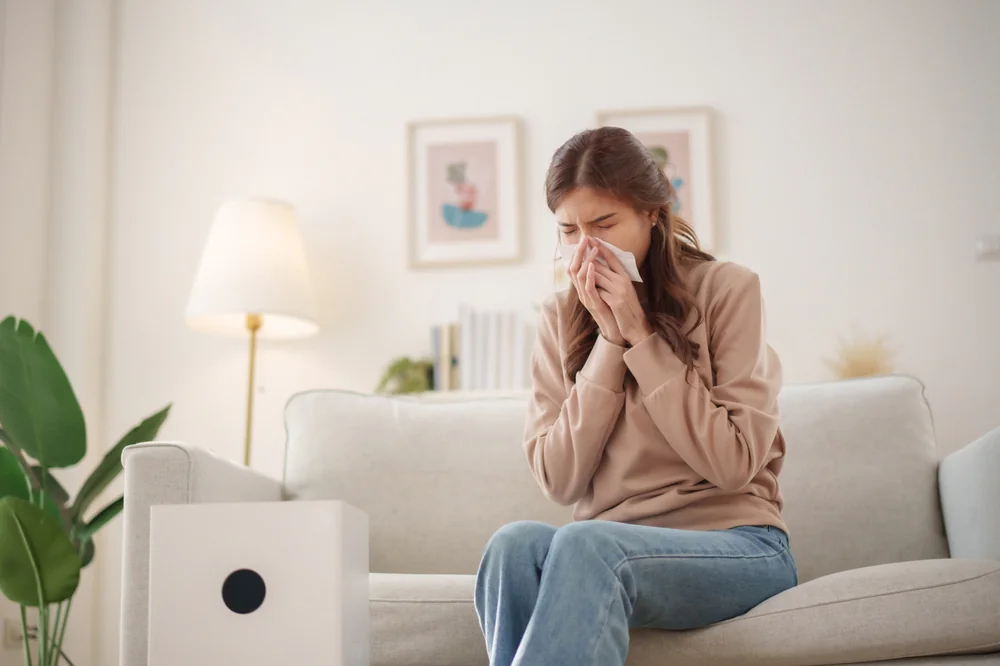
You need testing if you’re experiencing unexplained health symptoms that improve when you leave the house—things like persistent coughing, sinus irritation, headaches, fatigue, or worsening allergies. You also need testing if you smell a musty odor, see visible mold growth, or have had any water damage from leaks, floods, or humidity problems.
Real estate transactions are another clear reason to test. If you’re buying a home in Neshaminy Woods, especially an older property, you want to know what you’re getting into before you sign. If you’re selling, testing helps you address problems upfront instead of losing a deal during inspection.
Even without obvious signs, testing makes sense if your home has risk factors—finished basements, poor ventilation, older HVAC systems, or a history of moisture issues. Indoor air quality doesn’t fix itself, and problems don’t announce themselves until they’re serious.
DIY mold test kits give you limited information and often miss the full scope of contamination. Most kits only test one small area, and they don’t account for airflow patterns, hidden growth, or the specific types of mold present. You might get a result that says “mold detected,” but that doesn’t tell you how much, what kind, or where it’s coming from.
Professional air quality testing uses calibrated equipment and accredited lab analysis. We sample multiple locations, compare indoor levels to outdoor baselines, and identify specific mold species and concentrations. That matters because not all mold is equally harmful, and remediation strategies depend on what you’re dealing with.
We also know where to look. Mold grows in hidden places—inside walls, under flooring, in ductwork, behind appliances. A DIY kit tests the spot you choose. We test the spots where problems actually develop. The difference is thoroughness and accuracy, which directly affects whether you solve the problem or just waste time and money guessing.
The on-site inspection and sampling usually takes two to three hours, depending on the size of your home and the number of areas we’re testing. We’re not rushing through your property. We’re checking every space where contamination could exist and collecting samples that will give you accurate results.
Lab analysis takes a few days after we collect samples. Most reports come back within three to five business days. You’ll receive a detailed breakdown of findings, lab results, and our recommendations for next steps.
If you’re working on a tight timeline—like a real estate closing—let us know upfront. We can often expedite lab processing for an additional fee. But in most cases, a few days won’t make or break your situation, and it’s worth waiting for accurate results instead of rushing and missing something important.
Most air quality testing is completely non-invasive. We collect air samples using portable equipment that doesn’t damage anything. Surface testing involves swabbing or tape-lifting samples from visible areas, which also leaves no marks or holes.
In some cases, if we suspect hidden mold growth behind walls or under flooring, we may recommend invasive testing. That means cutting small access holes to collect samples from inside wall cavities or other concealed spaces. We only do this when there’s strong evidence of hidden contamination—like water stains, unusual odors, or moisture readings that indicate a problem.
If invasive testing is needed, we discuss it with you first. You’ll know exactly what we’re doing, why it’s necessary, and what the access points will look like. Any holes we cut are small and can be easily patched and repaired. We’re not tearing apart your home. We’re getting the information needed to solve the problem correctly.
If we find mold, you get a full report that explains what type of mold is present, how much of it exists, and where it’s located. The lab results will identify specific species and spore concentrations, which helps determine the level of risk and the appropriate remediation approach.
We’ll walk you through your options. Small areas of surface mold might be manageable with localized cleaning and moisture control. Larger infestations or toxic mold species require professional remediation, which involves containment, removal, air filtration, and treating affected materials. We give you a clear scope of work and a realistic estimate.
You’re not locked into using us for remediation just because we did the testing. Our job is to give you accurate information. What you do next is your decision. That said, we’ve been remediating mold in Bucks County for over 20 years, and we’ll handle the work correctly if you choose to move forward with us.
Cost depends on the size of your home, the number of samples needed, and whether invasive testing is required. A standard residential air quality test for a typical Neshaminy Woods home usually ranges from a few hundred to around a thousand dollars. That includes the inspection, air sampling, lab analysis, and a detailed report.
If you need additional surface samples, testing in multiple buildings, or expedited lab results, the price goes up. We give you a clear quote before we start so there are no surprises.
It’s easy to look at that number and think it’s expensive. But compare it to the cost of ignoring the problem. Untreated mold can reduce your home’s value by 20% to 37%. Professional remediation after you’ve let mold spread for months or years costs significantly more than catching it early. And if someone in your home is dealing with health issues caused by poor air quality, the medical bills add up fast. Testing is the cheapest part of solving an air quality problem.
Other Services we provide in Neshaminy Woods