
Hear from Our Customers

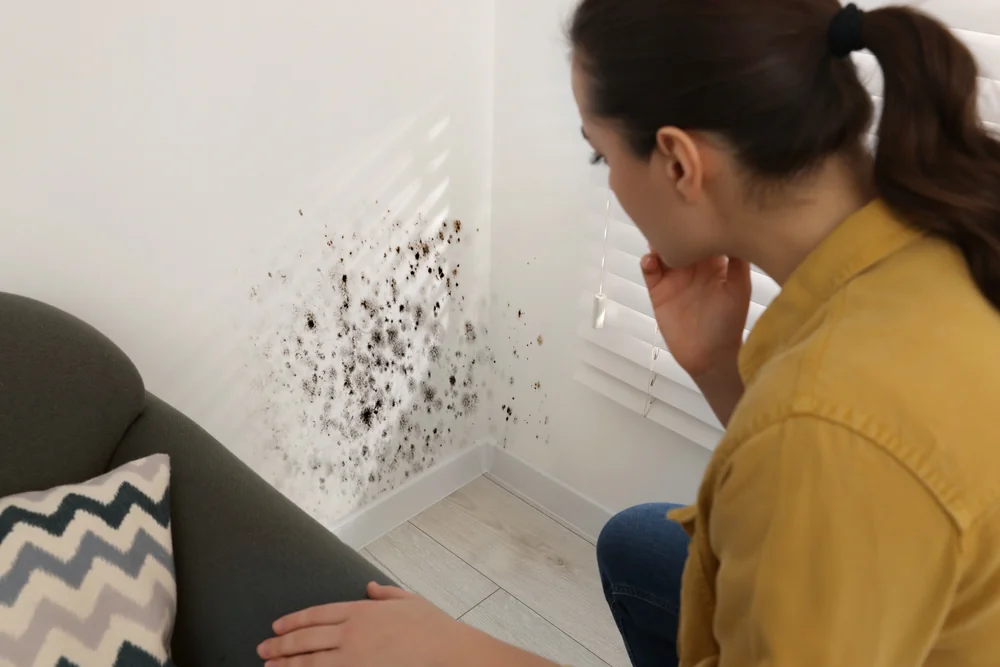
You’ve noticed the symptoms. Persistent coughing that won’t quit. Allergy flare-ups that seem worse at home than anywhere else. That musty smell you can’t track down. Maybe you’re dealing with unexplained headaches or your kids are constantly congested.
Here’s what most people don’t realize: indoor air can be more polluted than what’s outside. Mold spores, bacteria, VOCs from household products, allergens trapped in your HVAC system – they’re all circulating through your Mount Airy home right now. You just can’t see them.
A home air quality test gives you actual data. Not guesses. Not assumptions based on a visual inspection. We’re talking laboratory analysis that identifies exactly what’s in your air and at what levels. That means you know if you’re dealing with elevated mold spore counts, harmful bacteria, or chemical pollutants that could be affecting your family’s health.
Once you know what’s there, you can actually fix it. No more throwing money at air purifiers that might not address your specific problem. No more wondering if that persistent cough is just seasonal or something more serious happening in your home.
We’ve been helping Mount Airy homeowners understand what’s happening inside their walls and ductwork for over 15 years. We’re not a national franchise reading from a script – we’re local professionals who understand how Pennsylvania’s humid climate creates perfect conditions for mold growth and air quality problems.
Mount Airy’s older homes, combined with our seasonal humidity swings, create specific challenges. Basements that stay damp. Attics with ventilation issues. HVAC systems that haven’t been properly maintained. We’ve seen it all, and we know what to look for in homes throughout Bucks County.
When we test your air, we’re using the same equipment and lab analysis methods that industrial hygienists rely on. Thermal imaging to find hidden moisture. Spore trap sampling that captures what’s actually floating through your rooms. Direct fungal exams when we need to identify specific mold species. Every piece of equipment gets calibrated daily because accurate results matter.

First, we talk. You tell us what you’re experiencing – symptoms, odors, visible issues, whatever prompted you to call. That conversation shapes where we focus our testing because your home is unique and your concerns matter.
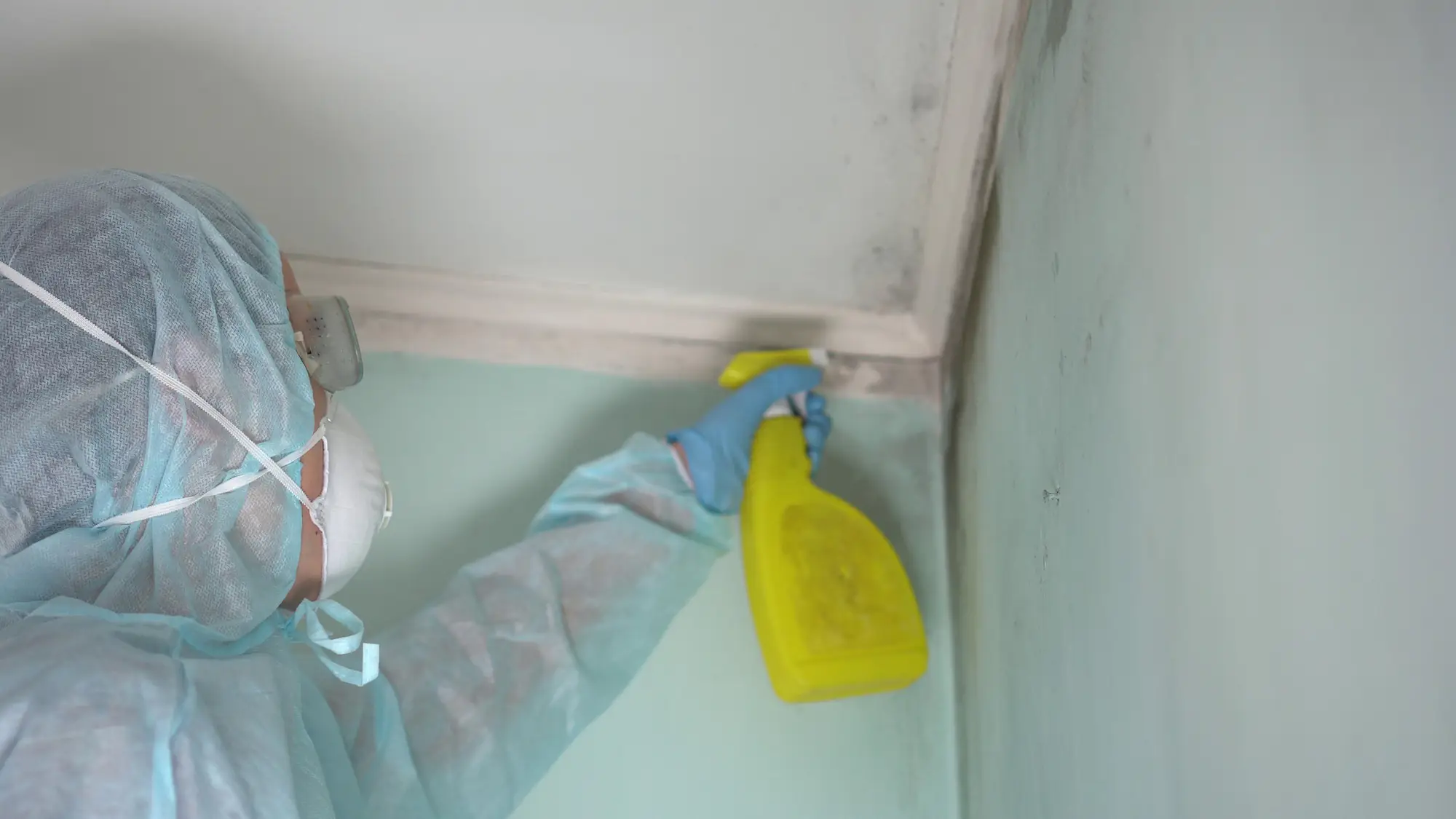
Then we do a visual assessment of your property. We’re looking for moisture problems, ventilation issues, visible mold growth, and areas where contamination might be hiding. We use thermal cameras to spot temperature differences that indicate moisture behind walls. Moisture meters tell us if building materials are wet when they should be dry.
Next comes the actual air sampling. We set up spore traps in multiple locations throughout your home – usually the areas you’re most concerned about plus a baseline outdoor sample for comparison. These traps pull air through a collection medium that captures particles, spores, and other contaminants. The samples go to an independent laboratory for analysis.
The lab identifies and counts everything they find. Mold species. Spore concentrations. Bacteria. Other airborne particles. You get a detailed report that breaks down exactly what’s in your air and at what levels. We review those results with you in plain language – no confusing jargon, just clear explanations of what the numbers mean for your home and your health.
If the results show elevated contamination, we create a specific remediation plan for your property. Not a generic template – an actual strategy based on what we found, where we found it, and what’s causing it.
Ready to get started?
Every mold air test we perform includes multiple sampling locations. We don’t just test one room and call it done. You get comprehensive coverage of the areas that matter most – bedrooms where your family sleeps, living spaces where you spend time, basements where moisture problems typically start, and an outdoor control sample for comparison.
You’re getting laboratory analysis from an accredited facility. These aren’t the cheap DIY kits you can buy online that give you vague results and no context. Professional lab testing identifies specific mold species, counts spore concentrations, and compares your indoor levels to normal outdoor baselines. That specificity matters when you’re trying to figure out if you have a real problem or just normal environmental mold.
The testing includes moisture mapping of your property. We document where moisture problems exist because moisture is what allows mold to grow. Finding elevated spore counts without identifying the moisture source is like treating symptoms without diagnosing the disease.
Mount Airy homes face specific challenges that make professional air quality testing especially valuable. Pennsylvania’s climate means we get humid summers and temperature swings that create condensation problems. Older homes in the area often have basement moisture issues, outdated ventilation, and HVAC systems that circulate contaminated air. Professional testing accounts for these local factors and gives you results that make sense for your specific property.
You also get a written report you can use for insurance claims, real estate transactions, or just your own peace of mind. Everything’s documented. Everything’s explained. You’re not left wondering what the results mean or what you should do next.
Professional indoor air quality testing typically runs between $300 and $600 for a residential property in Mount Airy, depending on the size of your home and how many areas you want tested. That’s significantly more than a $50 DIY kit from the hardware store, but the difference in accuracy and usefulness is substantial.
Here’s what you’re actually paying for: laboratory analysis by trained microbiologists, professional-grade sampling equipment, multiple test locations throughout your home, moisture mapping to identify the source of contamination, and an experienced technician who knows what to look for in Bucks County homes. DIY kits give you a yes/no answer about whether mold is present – which isn’t particularly helpful since mold spores exist in every home. Professional testing tells you what species are present, at what concentrations, and whether those levels indicate an actual problem.
The cost often prevents bigger expenses down the road. Finding mold early, before it spreads throughout your HVAC system or behind multiple walls, can save you thousands in remediation costs. If you’re buying a home, spending $400 on air quality testing before closing could reveal a $10,000 mold problem the seller needs to address. If you’re dealing with persistent health symptoms, identifying the specific allergens or mold species in your air helps you target the actual problem instead of guessing.
A mold inspection is visual – we’re looking for visible mold growth, moisture problems, and conditions that support mold development. Air quality testing is scientific – we’re capturing air samples and sending them to a lab to identify and count what’s actually floating through your home.
You need both for a complete picture. Visual inspection finds obvious problems and identifies where moisture is getting into your building. But mold often grows in places you can’t see – inside walls, above ceiling tiles, in ductwork, under flooring. Air testing catches those hidden problems because mold spores from hidden growth still circulate through your living spaces.
Here’s a common scenario in Mount Airy homes: you smell mustiness but can’t find visible mold anywhere. A visual inspection might not reveal the source because it’s behind a wall or in your crawlspace. Air testing shows elevated spore counts and identifies the specific mold species present. That tells us we need to investigate further and gives us clues about where to look based on the types of mold we’re finding.
Some situations require air testing even when there’s no visible mold. After water damage, you want confirmation that everything dried properly and mold didn’t start growing in hidden areas. Before buying a home, especially an older property, air testing reveals problems that aren’t obvious during a walkthrough. If someone in your family has respiratory issues that seem worse at home, testing identifies whether mold or other airborne contaminants are contributing to their symptoms.
The actual testing appointment takes about an hour to two hours depending on the size of your home and how many areas we’re sampling. We’re setting up equipment, taking samples, documenting moisture levels, and doing a thorough visual assessment of your property.
Laboratory analysis typically takes three to five business days. The samples go to an accredited lab where microbiologists identify and count everything captured in the air samples. They’re looking at spore types, concentrations, and comparing your indoor levels to the outdoor baseline sample. That level of analysis takes time – it’s not something that happens instantly.
Once we get the lab results back, we schedule a time to review them with you. That conversation usually takes 30 to 45 minutes because we want to make sure you understand what the numbers mean, what’s normal versus concerning, and what your options are if the results show elevated contamination.
If you’re dealing with an urgent situation – active water damage, severe health symptoms, or a real estate transaction with a tight timeline – let us know upfront. We can sometimes expedite lab processing for an additional fee, getting you results in 24 to 48 hours instead of the standard timeframe. But for most situations, the three to five day turnaround works fine and gives you accurate, thorough results without rushing the analysis.
Yes, but with important context. Every home has some mold spores in the air – that’s normal and unavoidable because mold spores are everywhere outdoors and they come inside every time you open a door. What air quality testing tells you is whether your indoor spore levels are elevated compared to normal outdoor levels, and whether the types of mold present indicate active growth inside your home.
The lab report breaks down specific mold species and their concentrations. Some molds are common outdoors and finding them indoors at low levels isn’t concerning. Other species – like Stachybotrys (black mold) or Chaetomium – rarely appear in outdoor air, so finding them indoors usually indicates active growth somewhere in your home. High concentrations of any mold species, even common ones, suggest you have a moisture problem and active mold growth.
Here’s what makes professional testing valuable: interpretation. The numbers don’t mean much without someone who understands what they indicate. We compare your indoor samples to the outdoor baseline, look at which species are present, consider the concentrations, and factor in what we observed during the visual inspection. That complete picture tells us whether you have a problem that needs remediation or just normal environmental mold.
Testing also helps after remediation is complete. We can retest your air to confirm that spore levels have returned to normal and the mold problem has been properly addressed. That’s especially important if you’re dealing with insurance claims or want documentation that the work was done correctly.
Absolutely. Comprehensive air quality testing can identify bacteria, allergens, VOCs (volatile organic compounds), and particulate matter that affect your indoor air. The specific contaminants we test for depend on your concerns and what you’re experiencing in your home.
Bacteria testing makes sense after sewage backups, flooding with contaminated water, or if you’re smelling biological odors that don’t seem like typical mold mustiness. VOC testing identifies chemical pollutants from cleaning products, building materials, furnishings, or other sources. Particulate testing measures dust, pollen, and other airborne particles that trigger allergies and respiratory issues.
Mount Airy residents often benefit from comprehensive testing because older homes can have multiple air quality issues happening simultaneously. You might have mold growth from a basement moisture problem, plus VOCs from an old oil furnace, plus allergens circulating through a duct system that hasn’t been cleaned in years. Testing identifies all of those issues so you can address them systematically.
The testing approach depends on your symptoms and concerns. If you’re experiencing allergy symptoms, we focus on mold and allergen testing. If you’re smelling chemical odors or dealing with headaches and irritation, VOC testing makes sense. If you’ve had water damage or sewage issues, bacteria testing should be part of the assessment. We customize the testing protocol based on what’s actually happening in your home, not a one-size-fits-all approach.
Get your air tested when you’re experiencing health symptoms that seem worse at home – persistent coughing, allergy flare-ups, headaches, respiratory irritation, or unexplained fatigue. Those symptoms often indicate that something in your indoor air is affecting your family’s health, and testing identifies what that something is.
After any water damage, even if everything appears to have dried properly, air testing confirms that mold didn’t start growing in hidden areas. Water can seep into wall cavities, under flooring, and into other spaces where you can’t see whether mold developed. Testing catches those hidden problems before they become major remediation projects.
Before buying a home in Mount Airy, especially an older property, air quality testing reveals problems that aren’t obvious during a standard home inspection. Sellers aren’t always aware of air quality issues, and home inspectors don’t typically test air quality unless specifically requested. Spending a few hundred dollars on testing before you close could save you thousands in unexpected remediation costs after you move in.
If you smell mustiness or notice a persistent odor you can’t identify, that’s your home telling you something’s wrong. Odors indicate microbial growth or other contamination that needs to be identified and addressed. Testing pinpoints the source so you’re not just covering up smells with air fresheners while the underlying problem gets worse.
After mold remediation or other air quality improvements, retesting confirms the work was effective and your air quality has actually improved. That documentation matters for your peace of mind, for insurance purposes, and if you’re planning to sell your home in the future.
Other Services we provide in Mount Airy