
Hear from Our Customers
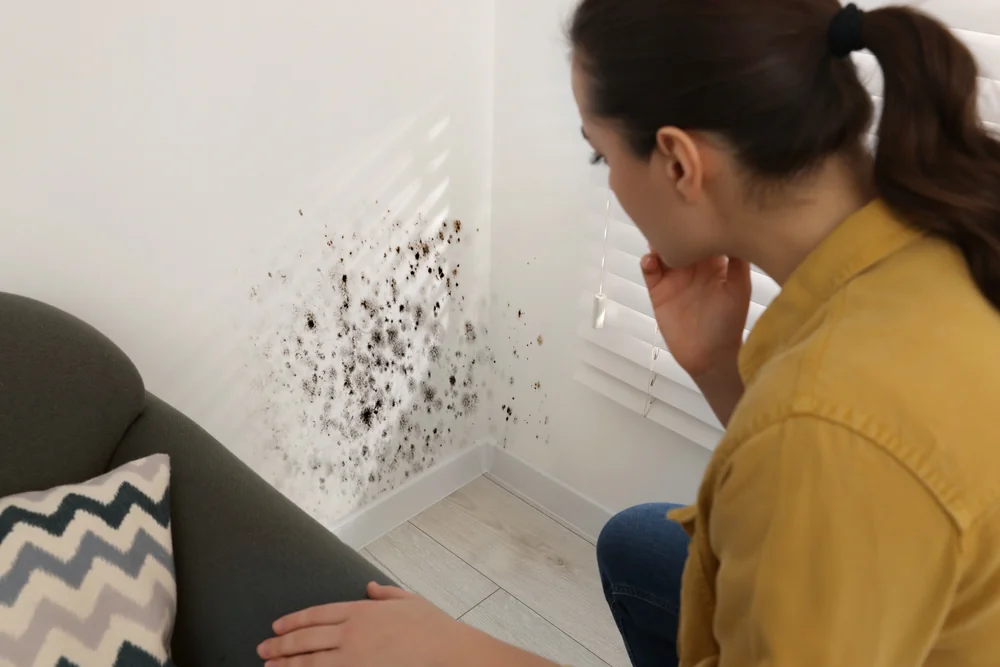
You can’t see what’s in the air. That’s the problem. You might notice a musty smell in the basement, or maybe your kids have been dealing with more allergies lately. Maybe you’re preparing to sell and want documentation that everything’s clean. Whatever brought you here, you’re looking for the same thing: certainty.
A home air quality test gives you that. Not a guess. Not a DIY kit that leaves you wondering if you did it right. Actual lab analysis that tells you what’s floating around in your home and whether it’s something you need to address.
The testing process measures mold spores, allergens, and other airborne contaminants. You get a baseline comparison between your indoor air and the outdoor air, which shows whether your home has elevated levels of anything concerning. From there, you know exactly what you’re dealing with—and what needs to happen next, if anything.
Most people don’t think about indoor air quality until something feels off. By then, you’ve already been breathing whatever’s in there for weeks or months. Testing early means catching problems before they affect your health or your property value.
We’ve been serving Little Italy and the surrounding Bucks County area for years. We understand the climate here—the humidity, the older homes with basements that trap moisture, the row homes where ventilation can be tricky.
We’re not a national chain that shows up with a script. We’re local. We know what causes air quality problems in Pennsylvania homes, and we know how to find them even when they’re hidden behind walls or under floors.
Every inspection starts with a free assessment. We walk through your property, check moisture levels, look for visible signs of mold or water damage, and answer your questions. If testing makes sense, we’ll explain what we’re looking for and why. If it doesn’t, we’ll tell you that too.

First, we come to your home for a visual inspection. We’re looking at basements, crawl spaces, bathrooms, kitchens—anywhere moisture tends to accumulate. We use infrared cameras and moisture meters to detect problems you can’t see with your eyes alone.
Next, we collect air samples from multiple areas of your home. We also take an outdoor sample as a control. This comparison is critical because it shows whether your indoor air has higher concentrations of mold spores or other contaminants than what’s naturally present outside.
The samples go to a certified lab for analysis. You’re not waiting weeks—most results come back within a few days. The lab report identifies specific mold species, spore counts, and contamination levels. We review the results with you in plain language, explain what they mean, and recommend next steps if remediation is needed.
If the results show elevated mold levels, we provide a detailed plan for removal and prevention. If everything comes back clean, you have documentation proving your home’s air quality is safe—useful for real estate transactions, insurance claims, or just your own peace of mind.
Ready to get started?
Every residential air quality testing appointment includes a complete visual assessment of your property. We’re not just swabbing a wall and calling it done. We examine your entire home, paying special attention to areas where Little Italy’s humid climate creates conditions for mold growth.
You get moisture readings throughout the home. High moisture doesn’t always mean you have mold yet, but it tells us where problems are likely to develop. Catching those areas early prevents bigger issues down the road.
The air sampling itself covers multiple rooms. We test the air in problem areas like basements or bathrooms, but we also sample living spaces where you spend most of your time. This gives you a complete picture of what you’re breathing daily.
Lab analysis breaks down exactly what’s in your air—mold species, concentration levels, and whether those levels are normal or elevated compared to outdoor air. Some mold is always present. The question is whether you have too much, or the wrong kind.
You also get a written report you can use for insurance claims, real estate disclosures, or health consultations. If remediation is necessary, we handle that too. If it’s not, you walk away knowing your air is clean. Either way, you’re not left guessing.
Most residential air quality testing in Little Italy runs between $300 and $600, depending on the size of your home and how many samples you need. That includes the inspection, air sampling, lab analysis, and a detailed report.
Some companies charge separately for the inspection and the lab work. We give you upfront pricing before we start, so there’s no confusion about what you’re paying for.
The cost makes sense when you consider what you’re getting. DIY test kits might seem cheaper, but they don’t give you the same level of detail. You’re not getting certified lab analysis or a professional interpretation of the results. If the kit shows mold, you still don’t know what kind, how much, or whether it’s actually a problem. You end up needing professional testing anyway.
Early detection also saves money. If you have mold and catch it early, remediation might cost a few thousand dollars. If you wait until it spreads through walls and HVAC systems, you’re looking at tens of thousands. Testing is the cheapest part of the equation.
An indoor air quality test detects mold spores, allergens, and other airborne contaminants that affect your health and comfort. The lab analysis identifies specific mold species—some are harmless, others are toxic. Knowing which type you’re dealing with determines how urgently you need to act.
The test also measures spore concentration. A few mold spores in your air is normal. Elevated levels mean you have active mold growth somewhere, even if you can’t see it yet.
Beyond mold, testing can detect dust mites, pollen, pet dander, and other allergens. If someone in your home has respiratory issues or unexplained allergies, the test results often explain why. You’re not just getting a yes-or-no answer about mold. You’re getting a breakdown of everything floating around in your air.
The outdoor sample we collect is just as important. It gives us a baseline. If your indoor spore count is similar to outdoor levels, that’s normal. If it’s significantly higher, that’s a red flag. Context matters, and the comparison tells the real story.
The on-site inspection and air sampling usually take one to two hours, depending on the size of your home. We’re thorough, but we’re not wasting your time. We inspect the property, take moisture readings, collect air samples from multiple rooms, and answer any questions you have.
After we collect the samples, they go to the lab. Most results come back within three to five business days. Rush processing is available if you’re on a tight timeline—like closing on a home sale or dealing with a health emergency.
Once we have the lab results, we schedule a follow-up call or meeting to review them with you. That conversation takes about 30 minutes. We explain what the numbers mean, whether remediation is necessary, and what your options are.
From the day you call us to the day you have answers, you’re looking at about a week. That’s faster than most people expect, and it’s fast enough to make decisions without sitting in limbo wondering if your home is safe.
You can, but you won’t get the same information. DIY kits tell you whether mold is present—which isn’t particularly useful, because some mold is always present in every home. What you need to know is how much mold, what kind, and whether it’s at dangerous levels. DIY kits don’t answer those questions.
The kits also require you to collect the sample correctly, seal it properly, and interpret the results yourself. If you miss a step or contaminate the sample, the results are worthless. Even if you do everything right, you’re still left guessing about what the results actually mean.
Professional testing gives you certified lab analysis. You’re not interpreting a color chart or counting spots on a petri dish. You’re getting a detailed report that identifies mold species by name, measures spore concentrations, and compares your indoor air to outdoor baselines.
If the test shows a problem, we’re already there to fix it. With a DIY kit, you’re starting from scratch—finding a remediation company, explaining the situation, and hoping they take your test results seriously. Most don’t, because they can’t verify how the sample was collected. You end up paying for professional testing anyway, after wasting time and money on a kit that didn’t help.
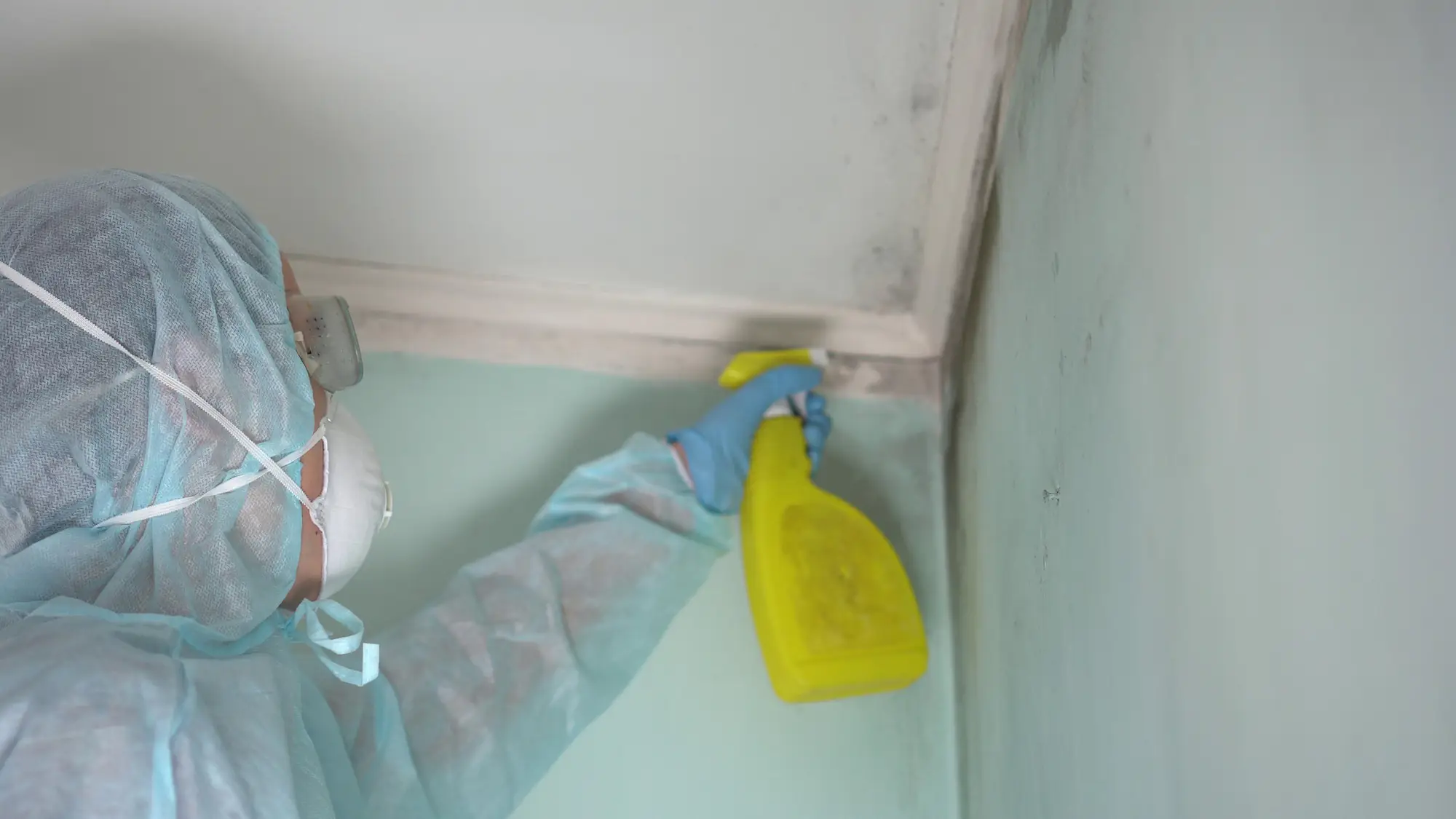
If the test finds elevated mold levels, we give you a clear plan for remediation. That plan includes where the mold is growing, what’s causing it, and how to remove it safely. We don’t just clean up the visible mold—we fix the underlying moisture problem so it doesn’t come back.
Remediation usually involves containment, removal, and prevention. We isolate the affected area to prevent spores from spreading during cleanup. We remove contaminated materials like drywall or insulation if necessary. Then we treat the area with antimicrobial solutions and address whatever caused the moisture—leaky pipes, poor ventilation, foundation issues.
The timeline depends on how extensive the problem is. Small areas might take a day or two. Larger infestations take longer. We give you a realistic estimate upfront, and we don’t leave until the job is done right.
After remediation, we do post-testing to confirm the mold is gone. You’re not taking our word for it—you’re getting lab results showing that spore levels are back to normal. That documentation is important for your health, your home’s value, and any insurance claims you need to file.
Sometimes, yes. Mold grows in places you can’t see—inside walls, under floors, in HVAC ducts, behind appliances. You might not have visible mold, but you could still have a problem affecting your air quality and your health.
If anyone in your home is experiencing unexplained respiratory issues, allergies, or frequent headaches, testing makes sense. Indoor air quality problems often cause symptoms long before you see visible mold. Testing identifies the issue so you can fix it instead of just treating the symptoms.
You also need testing if you’ve had water damage, even if it was cleaned up. Water doesn’t always dry completely, especially in basements or crawl spaces. Mold can start growing within 24 to 48 hours of water exposure. If you had a leak, a flood, or even just persistent condensation, testing confirms whether mold developed afterward.
Real estate transactions are another common reason for testing. If you’re buying a home, you want to know what you’re getting into. If you’re selling, testing gives you documentation that the air quality is clean—or it gives you a chance to fix problems before they kill the deal. Either way, you’re making decisions based on facts instead of hoping for the best.
Other Services we provide in Little Italy