
Hear from Our Customers
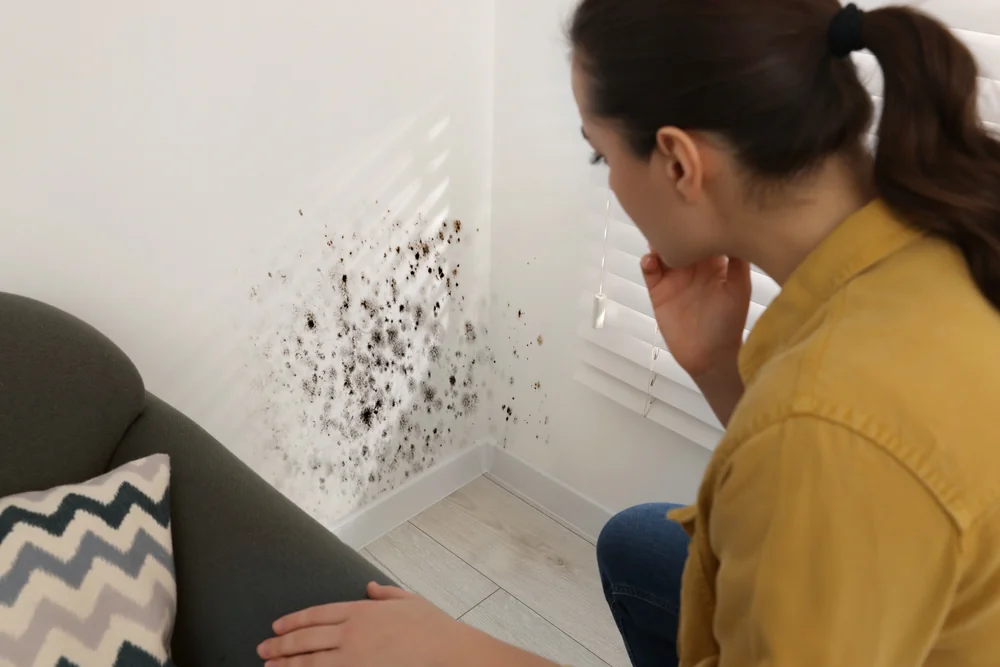
You’re not looking for vague reassurance. You want to know if there’s mold growing behind your walls, if radon levels are dangerous, or if something in your home is causing headaches, fatigue, or respiratory issues your family keeps dealing with.
A home air quality test gives you lab-backed data. Not guesses. Not assumptions. You’ll know exactly what pollutants are present, at what concentration, and whether they’re at levels that require action.
That clarity matters when you’re deciding whether to move forward with remediation, negotiating a real estate deal, or just trying to figure out why your basement smells off. Pennsylvania homes—especially older ones in Bucks County—deal with humidity, poor ventilation, and aging infrastructure that creates the perfect environment for mold and indoor air problems. Testing tells you what’s happening before it becomes a bigger issue.
We’ve been serving Line Lexington and Bucks County with mold inspections and indoor air quality testing for years. We’re not a national chain. We’re local, and we understand what Pennsylvania homeowners are up against—basements that leak, old HVAC systems, humid summers, and the reality that roughly 40% of homes in this state have elevated radon levels.
Our team uses EPA-certified testing methods and sends samples to independent, accredited labs. You get a full report that breaks down what was found, where, and what it means for your home. We’re not here to upsell you on services you don’t need. We’re here to give you accurate information so you can make the right call.

First, we schedule a time that works for you. During the inspection, we walk through your home and identify areas where air quality issues are most likely—basements, crawl spaces, bathrooms, attics, and anywhere you’ve noticed moisture, odors, or visible damage.
We collect air samples and surface samples depending on what you’re concerned about. If it’s mold, we’re looking at spore counts and species identification. If it’s radon, we’re measuring concentration levels over time. For broader indoor air quality concerns, we test for VOCs, combustion byproducts, and other contaminants.
Samples go to an independent lab for analysis. You’re not waiting weeks—we typically have results back within a few days. Then we walk you through the report in plain language, explain what the numbers mean, and let you know if remediation is necessary or if your air quality is fine. No pressure. Just information.
Ready to get started?
You’re getting a full assessment, not a surface-level walkthrough. We test for mold species and spore concentration, radon levels, volatile organic compounds, moisture intrusion, and any other pollutants that could be affecting your indoor environment.
In Line Lexington and throughout Bucks County, we see recurring issues tied to Pennsylvania’s climate and housing stock. Older homes with stone foundations and poor drainage deal with chronic basement moisture. Newer builds sometimes have ventilation problems that trap humidity indoors. Both scenarios create conditions where mold grows unnoticed until someone starts having symptoms or a musty smell becomes obvious.
Our testing catches problems early. We also provide documentation that’s useful if you’re buying or selling a home, filing an insurance claim, or just want proof that your air quality meets health standards. The report you receive is detailed, lab-certified, and written in a way that actually makes sense.
If you’re noticing symptoms like persistent headaches, fatigue, respiratory issues, or allergy-like reactions that get worse indoors, that’s a sign. Same goes for visible water damage, musty odors, or a history of leaks and flooding in your home.
You might also need testing if you’re buying or selling a property and want documentation of air quality before closing. Real estate transactions in Pennsylvania often require mold inspections, especially if there’s any indication of water intrusion or poor ventilation. DIY test kits don’t give you the level of detail or accuracy needed for those situations.
Professional air quality testing uses lab analysis to identify specific mold species, measure spore concentrations, and detect contaminants you can’t see or smell. That’s the difference between wondering if there’s a problem and knowing exactly what you’re dealing with.
A mold air test focuses specifically on airborne mold spores—what species are present and at what concentration. It’s useful if you suspect mold but can’t see it, or if you want to verify that remediation was successful.
A full indoor air quality test is broader. It looks at mold, but also checks for radon, VOCs, carbon monoxide, and other pollutants that affect your health. If you’re dealing with unexplained symptoms or just want a complete picture of what’s in your air, the full test makes more sense.
In Pennsylvania, radon is a major concern. About 40% of homes here have levels above the EPA’s action guideline, and radon exposure is the second leading cause of lung cancer. If you’ve never tested for it, now’s the time. We can run both mold and radon testing during the same visit so you’re not dealing with multiple appointments.
The on-site inspection usually takes one to two hours depending on the size of your home and what we’re testing for. We’re collecting air samples, surface samples, and checking areas where moisture or contamination is most likely.
Some tests, like radon, require equipment to stay in place for 48 to 72 hours to get an accurate reading. We’ll set that up during the visit and come back to retrieve it. Mold air samples go straight to the lab and you’ll have results within a few days.
Once we get the lab report, we schedule a follow-up call or meeting to walk through the findings. You’re not left trying to interpret technical data on your own. We explain what was found, whether it’s a health concern, and what your options are if remediation is needed.
Yes. Air sampling picks up mold spores that are circulating through your home, even if the source is hidden behind walls, under flooring, or in your HVAC system. Elevated spore counts in the air tell us there’s active mold growth somewhere, even if it’s not visible.
We also use moisture meters and thermal imaging during inspections to identify areas where water intrusion is happening. Mold needs moisture to grow, so finding wet spots helps us pinpoint where the problem is likely hiding. If we detect high spore levels or see signs of water damage, we’ll recommend further investigation or remediation.
Pennsylvania homes—especially older ones with stone foundations or homes in flood-prone areas—are at higher risk for hidden mold. Basements, crawl spaces, and attics are the most common trouble spots. Testing gives you a clear answer instead of waiting for the problem to become obvious.
It depends on your policy and the reason for testing. If you’re testing because of a covered event—like a burst pipe, roof leak, or flooding—some insurance policies will cover mold inspection and testing as part of the claim process.
If you’re testing for general peace of mind or because you’re buying a home, insurance typically won’t cover it. But the cost of testing is small compared to the cost of ignoring a mold or air quality problem that gets worse over time.
We provide detailed reports that include lab results and documentation you can submit to your insurance company if you’re filing a claim. We’ve worked with plenty of homeowners in Line Lexington and Bucks County through the claims process, and we know what insurers are looking for. If you’re not sure whether your policy covers testing, we can walk you through what to ask your provider.
If we find mold, the report will tell you what species are present, the concentration levels, and whether they’re at levels that require remediation. Some mold is always present in indoor air—it’s when concentrations are elevated or when toxic species like black mold are detected that action is needed.
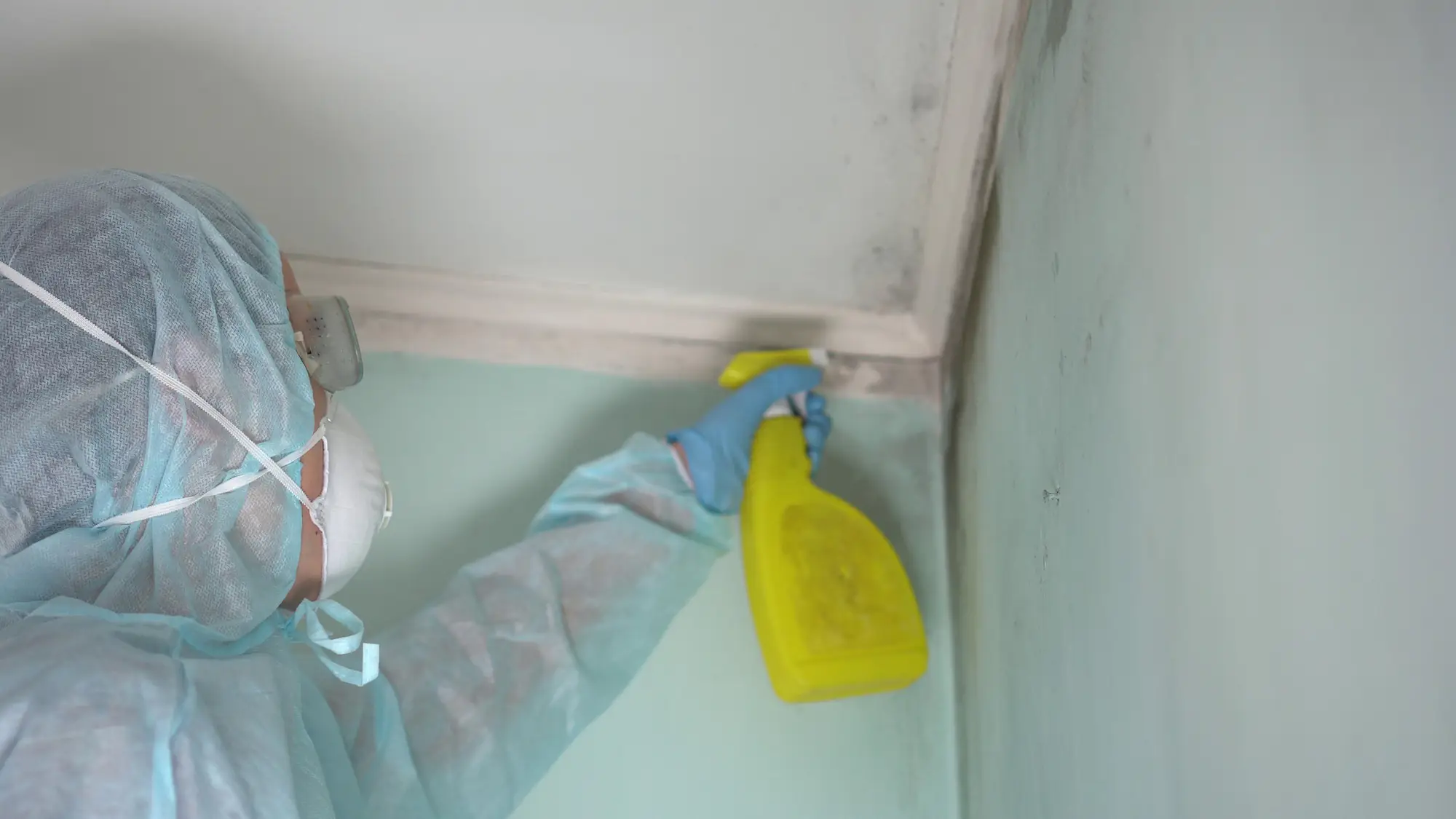
We’ll explain your options. In some cases, improving ventilation and controlling moisture is enough. In others, you’ll need professional mold remediation to remove contaminated materials and treat affected areas. We handle that too, and we follow EPA-approved protocols to make sure the job is done right.
If radon levels are above the EPA’s action guideline of 4.0 picocuries per liter, you’ll need a radon mitigation system installed. That’s a straightforward process that vents radon gas out of your home before it accumulates. We can refer you to certified radon mitigation specialists or handle the coordination ourselves. Either way, you’ll know exactly what needs to happen and what it’s going to cost before any work begins.
Other Services we provide in Line Lexington