
Hear from Our Customers
You shouldn’t have to wonder if your home is making you sick. Headaches that won’t quit, allergies that flare up indoors, kids with constant coughs—these aren’t always seasonal. Sometimes they’re coming from what you can’t see: mold spores, allergens, and pollutants circulating through every room.
A home air quality test gives you answers instead of guesses. You’ll know if mold is growing behind your walls, if humidity levels are feeding it, and whether the air your family breathes every day is actually safe. That’s not dramatic—it’s just honest.
Once you know what’s there, you can fix it. No more masking symptoms with air fresheners or running purifiers that don’t address the real problem. You get a clear report, a straight explanation, and a plan that actually works for your home in Holland, PA.
We’re not new to Bucks County. We’ve been helping Holland homeowners figure out what’s in their air and how to fix it without the runaround. Our team knows how Pennsylvania’s humid summers create perfect conditions for mold, especially in older homes with basements and crawl spaces that don’t breathe well.
We’re not here to upsell you or scare you into services you don’t need. We test, we report, and we explain what the numbers mean in plain terms. If there’s a problem, we’ll tell you how serious it is and what it’ll take to handle it. If your air is fine, we’ll tell you that too.
You’re hiring local professionals who understand the climate, the housing stock, and the real health risks that come with living in this area. That matters more than you might think.

First, we come to your home and walk through the areas you’re concerned about—bedrooms, basements, bathrooms, anywhere moisture or odors show up. We’re looking for visible signs of mold, water damage, or ventilation issues, but we’re also testing what you can’t see.
We use air sampling equipment to capture what’s floating around in your home. This includes mold spores, allergens, and other airborne pollutants. We also check humidity levels and airflow, because those directly affect whether mold can grow and spread. The whole process is non-invasive and usually takes less than an hour depending on your home’s size.
After we collect samples, they go to a certified lab for analysis. You get a detailed report that breaks down exactly what’s in your air, at what levels, and whether those levels are safe or concerning. We walk you through the results in a follow-up call or meeting, answer your questions, and recommend next steps if anything needs attention. No jargon, no pressure—just clear information so you can make the right call for your home.
Ready to get started?
When you schedule a residential air quality testing appointment with us, you’re getting more than a guy with a meter. You’re getting trained technicians using EPA-standard equipment to measure mold spores, allergen levels, humidity, and ventilation quality throughout your home.
Holland’s climate makes this especially important. Southeastern Pennsylvania gets hot, sticky summers where humidity sits above 60% for weeks at a time. That’s the danger zone. Mold doesn’t need a flood to grow—it just needs damp air and a surface. Attics, crawl spaces, and poorly ventilated bathrooms are prime targets, and most homeowners don’t realize there’s a problem until someone starts wheezing or a musty smell takes over.
Our testing catches it early. You’ll receive a lab-certified report that identifies specific mold types, spore counts, and contamination levels. We also give you a written summary that explains what it all means for your health and your home. If remediation is needed, we’ll lay out your options. If it’s a ventilation or humidity issue, we’ll tell you how to prevent it from becoming a bigger problem. You’re not just getting data—you’re getting a roadmap.
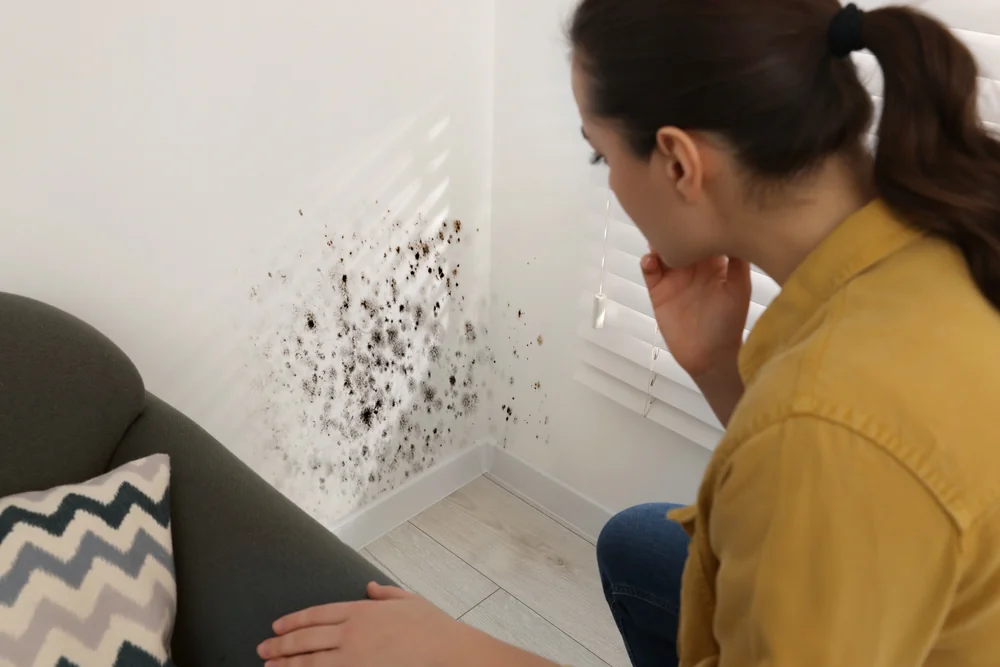
You should consider testing if anyone in your home is dealing with unexplained respiratory symptoms, allergies that get worse indoors, or persistent headaches and fatigue. These can all be signs that your indoor air quality is off. Visible mold, musty odors, or recent water damage are also red flags.
Even if you don’t see mold, that doesn’t mean it’s not there. Mold grows in hidden spaces—behind drywall, under flooring, in HVAC ducts. If your home has had any kind of moisture issue, even a small leak or high humidity, testing is the only way to know for sure what’s circulating through your air.
Holland homes, especially older ones, are particularly vulnerable during summer months when humidity spikes. If your basement feels damp or your attic doesn’t have good airflow, you’re at higher risk. Testing gives you a baseline and peace of mind.
A visual inspection can spot obvious mold growth, water stains, and conditions that support mold. But it can’t tell you what’s in the air or detect hidden contamination. Air quality testing measures the actual concentration of mold spores, allergens, and other pollutants you’re breathing every day.
Think of it this way: you might not see mold on your walls, but if spores are circulating through your HVAC system or growing inside your walls, a visual check won’t catch it. Air sampling does. It captures particles from the air in different rooms and sends them to a lab for analysis.
The lab report tells you exactly what types of mold are present and at what levels. Some molds are more dangerous than others, and concentration matters. You need both the inspection and the testing to get the full picture, especially if you’re dealing with health symptoms or planning to buy or sell a home.
The actual testing appointment usually takes 45 minutes to an hour, depending on the size of your home and how many areas we’re sampling. We’ll walk through your home, take air samples from key rooms, check humidity and ventilation, and note any visible concerns.
Once we collect the samples, they’re sent to a certified lab for analysis. Lab results typically come back within 3 to 5 business days. As soon as we receive them, we’ll reach out to schedule a time to go over the findings with you.
We don’t just email you a report and disappear. We’ll explain what the numbers mean, which mold types were detected, whether the levels are concerning, and what your next steps should be. If remediation is needed, we’ll walk you through the process and timeline. If your air quality is fine, we’ll let you know that too and discuss any preventive measures worth considering.
Yes. While mold is one of the most common indoor air pollutants we test for, our air quality testing can also identify other allergens, dust mites, pet dander, and particulate matter that affect respiratory health. We also measure humidity levels and check for ventilation issues that contribute to poor air quality.
Indoor air pollution is a bigger problem than most people realize. The EPA ranks it as one of the top environmental health risks, and concentrations of some pollutants indoors can be 2 to 5 times higher than outdoors. That’s especially true in tightly sealed homes with poor airflow.
If you’re dealing with allergy symptoms, asthma flare-ups, or just feel like the air in your home is stuffy or stale, testing gives you a full picture of what’s going on. You’ll know if it’s mold, if it’s something else, or if it’s a combination of factors. From there, you can make informed decisions about air purifiers, dehumidifiers, or remediation work.
If you’re dealing with health symptoms, visible mold, or recent water damage, yes—it’s absolutely worth it. The cost of testing is a fraction of what you’d spend on medical bills, extensive mold remediation, or property damage if the problem goes unchecked. Early detection saves money and protects your family’s health.
Consider this: nearly half of all residential buildings show visible mold or detectable mold odor, and mold can start growing within 24 to 48 hours of moisture exposure. If you wait until the problem is obvious, you’re already looking at a bigger, more expensive fix. Testing catches it early when remediation is simpler and less invasive.
You’re also protecting your home’s value. If you’re buying or selling, air quality issues can derail a deal or cost you thousands in negotiations. A clean test report gives buyers confidence and protects your investment. For the price of a few hundred dollars, you get clarity, a lab-certified report, and a plan. That’s not an expense—it’s smart homeownership.
You don’t need to do much. We recommend keeping your home’s normal routine for at least 24 hours before the test—don’t open all the windows or run air purifiers you wouldn’t normally use. We want to capture what your air quality actually looks like on a typical day, not an artificially improved version.
If you’ve recently cleaned with harsh chemicals or painted, let us know. Those can temporarily affect air quality readings and might skew results. Same goes if you’ve had a major water leak or flooding in the past few weeks—that’s important context for interpreting the data.
Make sure we have access to the areas you’re concerned about: basements, attics, bathrooms, bedrooms. If there are specific rooms where people are experiencing symptoms, point those out. The more information you give us upfront, the more targeted and useful the testing will be. After that, we handle the rest.
Other Services we provide in Holland