

Hear from Our Customers
You’re not just dealing with a stain on the wall. You’re worried about what’s growing behind it, what’s in the air your family breathes, and whether this problem is bigger than it looks.
That’s the reality of mold. It hides in crawl spaces, spreads behind drywall, and thrives in the exact conditions Pennsylvania homes deal with year-round—humidity, older construction, basements that stay damp no matter what you do.
When we remove mold from your Holland home, you get more than a cleanup. You get a thorough inspection using advanced detection tools that find growth you can’t see. You get certified technicians who know how to remove it at the source, not just scrub the surface. And you get a plan to keep it from coming back, because the last thing you need is to deal with this twice.
The outcome? A home that feels safe again. Air that doesn’t make you second-guess every cough. And the confidence that this was handled right.
We work with homeowners across Holland and Bucks County who need mold gone—not covered up, not “monitored,” but actually removed. We’re local, we’re certified, and we’ve seen what mold does in homes just like yours.
Holland’s housing stock skews older. Basements get damp. Crawl spaces don’t ventilate well. Attics trap moisture in the summer. These aren’t design flaws—they’re just realities of living here. And they create the exact environment mold loves.
We don’t overcomplicate this. You call, we inspect for free, and if there’s mold, we walk you through what needs to happen and why. No upselling. No scare tactics. Just straight answers from people who do this work every day.

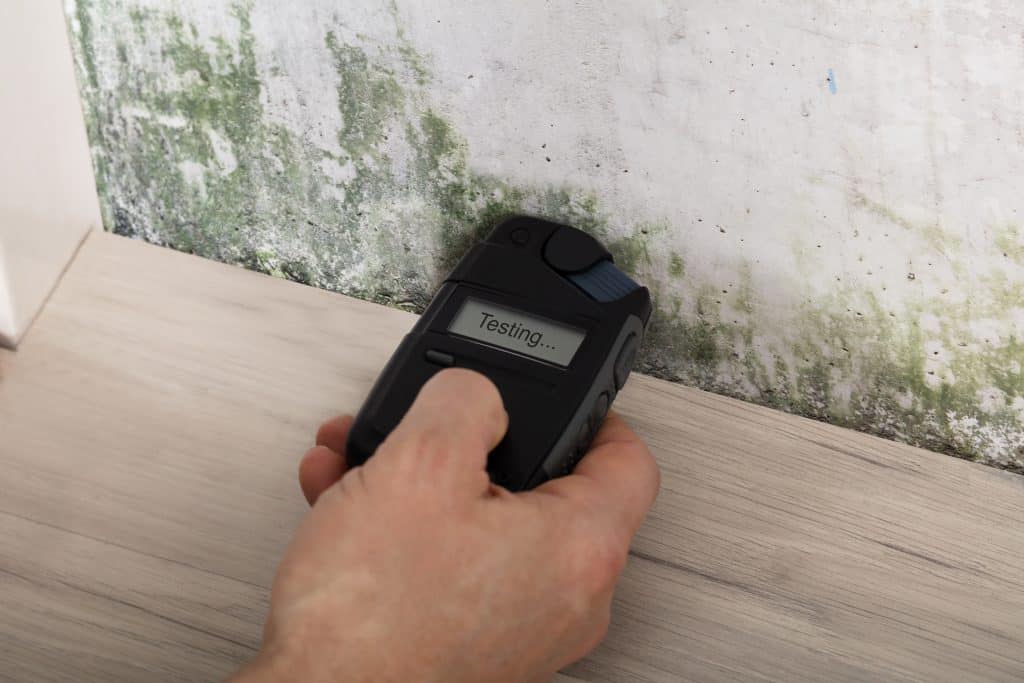
First, we come out and inspect your home. That means checking the obvious spots—basements, bathrooms, anywhere you’ve seen discoloration—but also the hidden ones. Mold grows where you can’t see it: under sinks, behind appliances, in attic insulation, along foundation walls. We use moisture meters and thermal imaging to find it before it becomes a bigger problem.
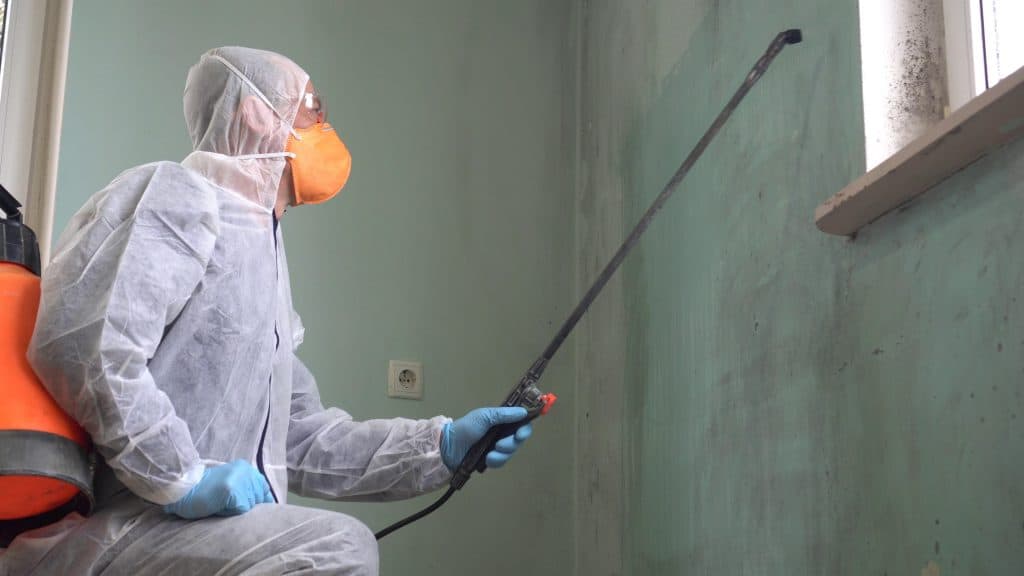
Once we know what we’re dealing with, we contain the area to keep spores from spreading during removal. Then we remove the mold—physically, carefully, and completely. If materials like drywall or insulation are too far gone, we’ll tell you. If they can be cleaned and saved, we do that instead.
After removal, we treat surfaces to prevent regrowth and address the moisture issue that caused it in the first place. Because mold doesn’t just appear. It grows when conditions are right, and if we don’t fix that, you’ll be calling someone again in six months.
You’ll know what we found, what we did, and what to watch for going forward. The process isn’t complicated—it’s just thorough.
Ready to get started?
Every mold removal job starts with a free inspection. We check all reasonably accessible areas—your basement, crawl space, attic, bathrooms, kitchens, anywhere moisture tends to collect. In Holland, that often means older basements with stone foundations or homes near wooded areas where humidity stays high.
We’re looking for active mold growth, water damage, and the conditions that let mold thrive. You’ll get a clear explanation of what we find and what needs to happen next. If it’s a small area, we’ll tell you. If it’s more extensive, you’ll know that too.
Our removal process includes containment, HEPA filtration, physical removal of contaminated materials, antimicrobial treatment, and moisture control recommendations. We’re certified, insured, and we follow the protocols that actually work—not shortcuts.
And because Pennsylvania ranks in the top 60% of states for mold risk, this isn’t rare. It’s common. Your home isn’t defective. It just needs the right attention before a small problem turns into a costly one.
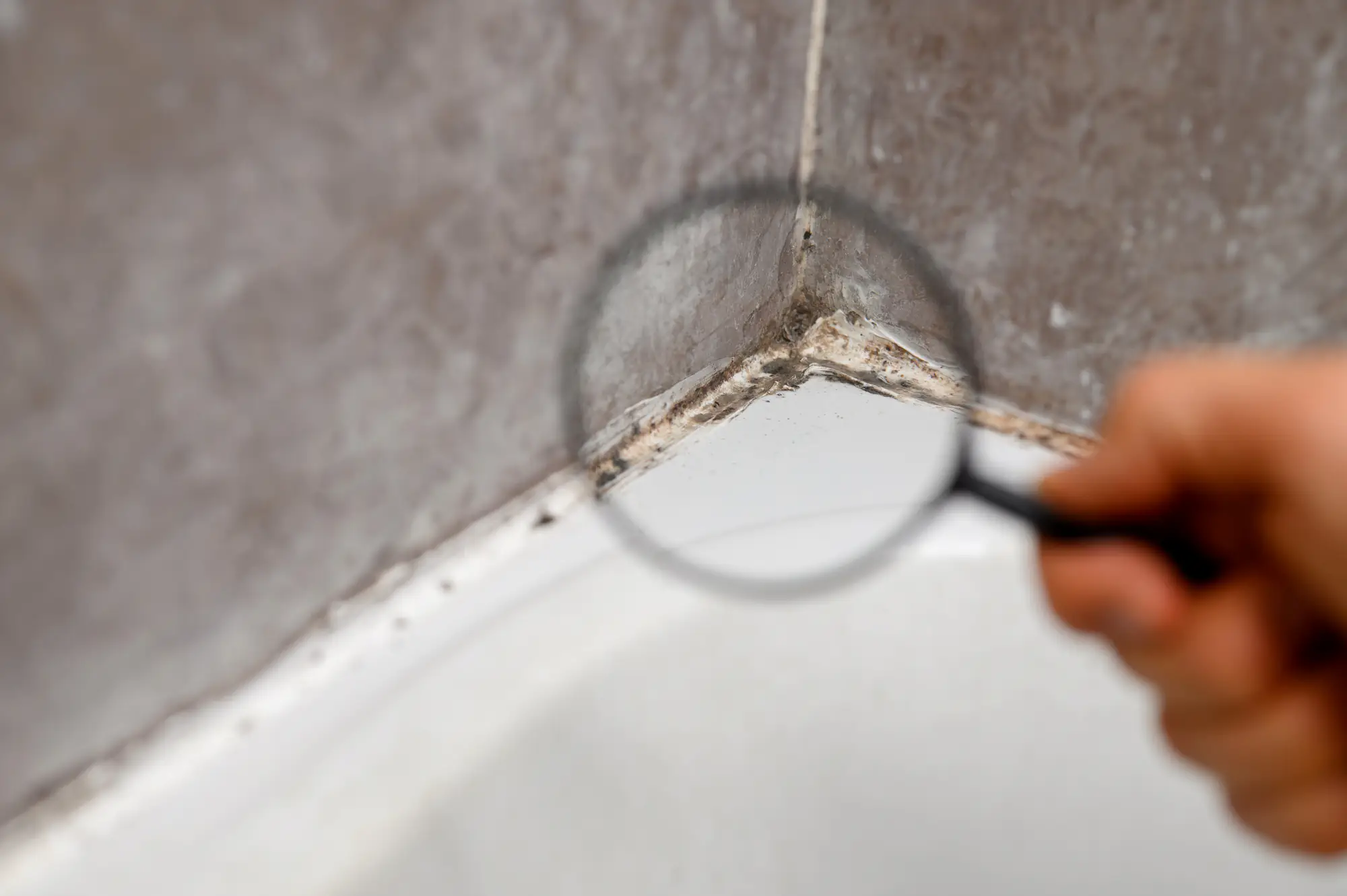
You might see it—dark spots on walls, discoloration in grout, fuzzy growth on wood. But plenty of times, you smell it first. Mold has a musty, damp odor that doesn’t go away even after you clean.
Sometimes you don’t notice anything until someone in your house starts having respiratory issues that seem worse at home than anywhere else. That’s especially true with black mold, which can trigger allergic reactions and breathing problems.
The tricky part is that mold often grows where you’re not looking. Behind wallpaper. Under carpets. In the back corner of a closet that stays closed. Inside air ducts. If you’ve had any water damage—even something minor like a slow leak or a basement that flooded once—there’s a good chance mold started growing within 48 hours. The only way to know for sure is to have someone inspect the areas where moisture collects.
Bleach kills surface mold on non-porous materials like tile or glass. But it doesn’t penetrate porous surfaces like drywall, wood, or insulation—and that’s where mold really takes hold.
When you spray bleach on a moldy wall, you’re cleaning what you can see. But the roots of the mold, called hyphae, are still in the material. They’ll grow back. Bleach also doesn’t address the moisture problem that caused the mold in the first place, so you’re treating a symptom, not the cause.
There’s also the issue of safety. Disturbing mold releases spores into the air. If you’re scrubbing without proper containment or filtration, you’re spreading those spores to other parts of your home. For small spots—like a little mildew on a shower curtain—sure, handle it yourself. But if you’re dealing with mold on drywall, in a basement, or covering more than a few square feet, it’s worth calling someone who has the equipment to do it right.
It depends on how much mold there is and where it’s growing. A small area in a bathroom might cost a few hundred dollars. A basement with widespread growth behind finished walls could run several thousand.
In Bucks County, most mold removal jobs fall somewhere between $1,300 and $3,700, based on the scope of work and materials involved. If we need to remove drywall, pull up flooring, or treat a large crawl space, costs go up. If it’s surface mold on a small section of wall, costs stay lower.
We don’t charge for the initial inspection, so you’ll know what you’re dealing with before you spend anything. And if your mold problem is the result of a covered water damage event, your homeowner’s insurance might help with costs. We can walk you through that process and provide documentation if needed. The key is addressing it before it spreads—because the longer you wait, the more expensive it gets.
Mildew is a type of mold, but it’s usually surface-level and easier to deal with. It shows up as a thin, powdery layer—often white or gray—and grows on damp surfaces like shower tiles, windowsills, or basement floors.
Mold, especially black mold, tends to be darker, thicker, and more stubborn. It penetrates materials instead of just sitting on top. Mold also releases mycotoxins, which can cause health problems, particularly for people with asthma, allergies, or weakened immune systems.
If you’re wiping something off your bathroom tile once a week and it keeps coming back, that’s probably mildew. If you’re seeing dark patches spreading across drywall, or smelling something musty in your basement that won’t go away, that’s mold. Both need attention, but mold requires a more serious approach. It’s not something you can just wipe down and forget about.
For a small, contained area, we can often finish in a day. For larger jobs—like a full basement or multiple rooms—it might take several days, depending on the extent of the damage and what needs to be removed.
The timeline also depends on drying time. If we’re treating an area that’s still wet, we need to dry it out completely before we can finish the job. Mold grows in moisture, so leaving things damp isn’t an option.
We’ll give you a clear timeline after the inspection. You’ll know how long the work will take, what we’ll need access to, and when your home will be back to normal. Most people are surprised by how fast the process moves once we get started—it’s the waiting and wondering beforehand that drags on. Once you call, things move quickly.
Not if we address the moisture problem that caused it. Mold needs three things to grow: moisture, organic material (like wood or drywall), and time. You can’t eliminate the organic material—your house is made of it. But you can control moisture.
After we remove the mold, we’ll identify what’s causing the dampness. That might be a leaky pipe, poor ventilation, a crack in your foundation, or a downspout that’s dumping water too close to your house. Sometimes it’s as simple as running a dehumidifier in your basement. Other times, you need to address drainage or airflow.
We’ll give you specific recommendations based on what we find. If you follow through on those, mold won’t come back. If the same conditions return—like a basement that stays humid or a roof leak that doesn’t get fixed—then yes, mold can regrow. But that’s not a failure of the removal process. That’s a moisture issue that needs attention. We make sure you know exactly what to do to keep your home clear.
Other Services we provide in Holland