
Hear from Our Customers
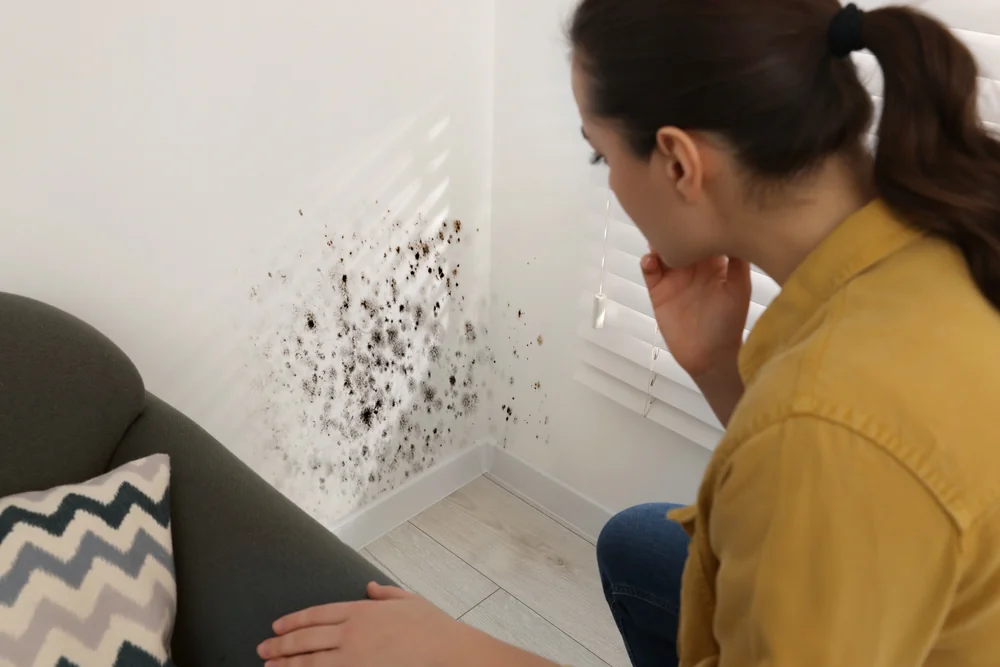
You’ve noticed the signs. Someone’s allergies are worse indoors than out. The kids wake up congested. That musty smell in the basement won’t go away no matter how much you clean.
Here’s what most people don’t realize: indoor air can be two to five times more polluted than outdoor air. Mold spores, dust mites, volatile organic compounds—they’re all floating around where you sleep and eat. And you can’t see any of it.
A professional air quality test tells you exactly what’s in your air and where it’s coming from. No more wondering if that smell is dangerous. No more watching your kid’s asthma get worse without knowing why. You get real data about what’s actually happening in your home, and you can finally do something about it.
We focus on one thing: creating healthy homes in Bucks County. We’re not a general restoration company that does mold testing on the side. This is what we do.
We use EPA-approved methods and the same equipment that industrial hygienists rely on. Our technicians know how mold behaves in Pennsylvania homes—where it hides, how it spreads, and what conditions in Haycock properties make it worse.
When you call us, you’re talking to people who understand the difference between surface mold and a systemic problem. We’ve seen what happens when homeowners try DIY solutions or hire the wrong company. We’re here to get it right the first time.
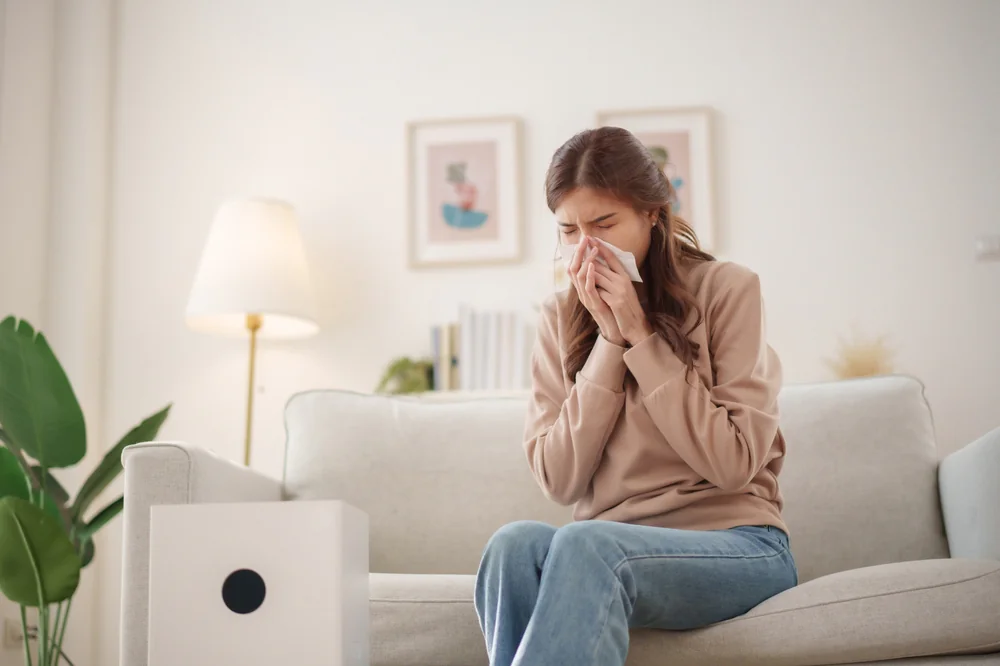
First, we walk through your home with you. You show us the areas that concern you—the basement that always smells damp, the bathroom with the stain on the ceiling, the bedroom where your daughter can’t stop coughing. We look for visible signs of mold and moisture problems, but we also check the places most people miss.
Then we collect air samples from different rooms using specialized equipment. We’re measuring the concentration of mold spores and other airborne contaminants. If we suspect hidden mold, we might take surface samples or use moisture meters to find water intrusion you can’t see.
The samples go to an accredited lab for analysis. Within a few days, you get a detailed report that breaks down exactly what’s in your air, how much of it there is, and whether those levels are normal or dangerous. We review the results with you in plain language—no jargon, no runaround. Then we tell you what needs to happen next, whether that’s remediation, ventilation improvements, or just monitoring the situation.
Ready to get started?
Your test includes a thorough visual inspection of your entire home. We check attics, crawl spaces, HVAC systems, and anywhere else mold might be growing. You’re not paying for someone to walk around with a clipboard—we use thermal imaging cameras and moisture meters to find problems behind walls and under floors.
We collect multiple air samples from different areas of your home. This matters because mold levels vary from room to room. The basement might be fine while your bedroom has dangerous spore counts. One sample doesn’t tell the whole story.
Haycock homes face specific challenges. The humidity here, especially in summer, creates perfect conditions for mold growth. Older homes often have poor ventilation and moisture issues in basements and crawl spaces. Newer construction can trap moisture if it wasn’t built right. We know what to look for based on your home’s age, construction, and location.
You also get a written report with lab results and our recommendations. If we find mold, we explain where it’s coming from and what it’ll take to fix it. If your air quality is fine, we tell you that too. We’re not here to sell you services you don’t need.
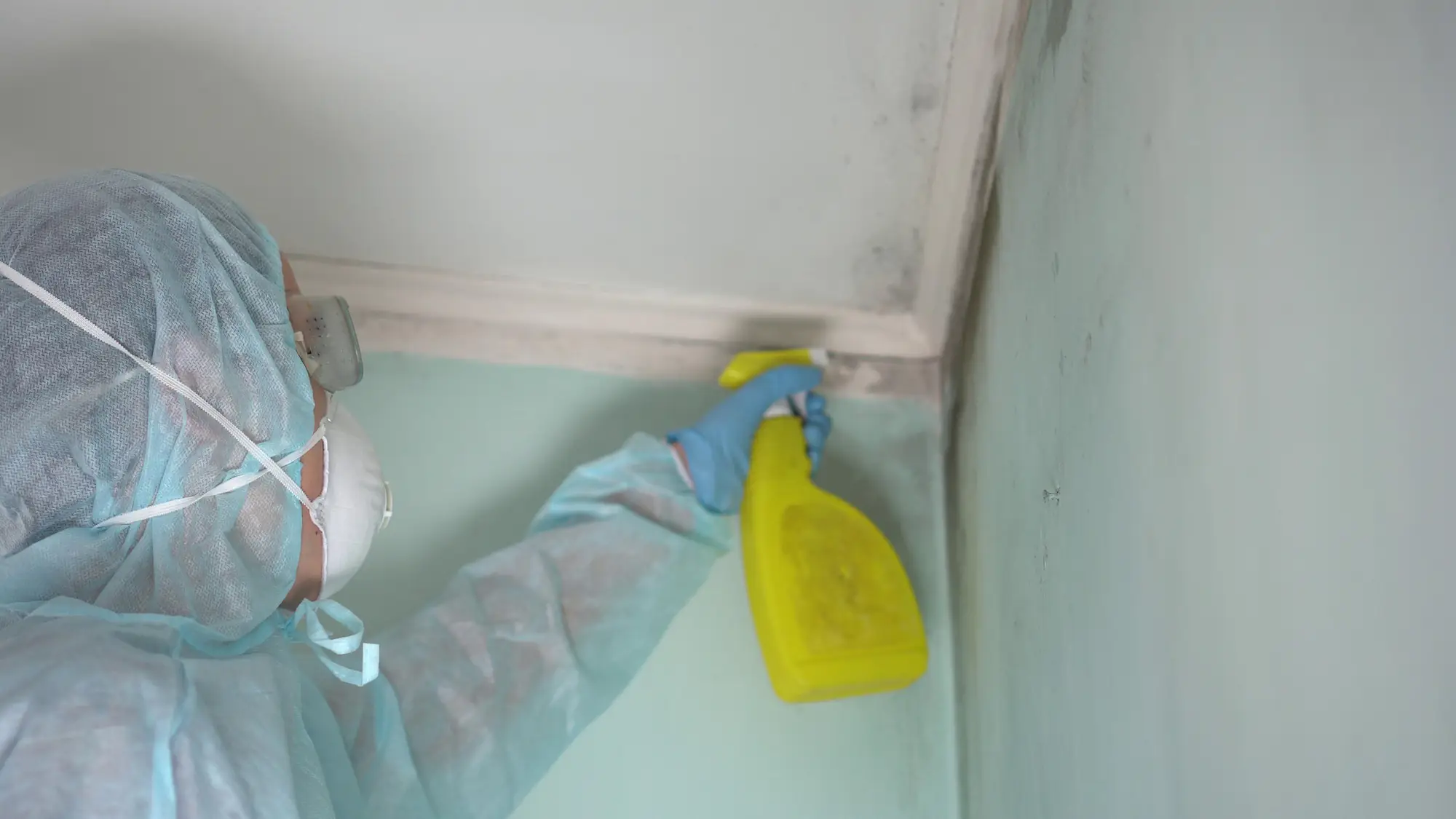
You need testing if you’re experiencing health symptoms that improve when you leave the house. Persistent coughing, sinus congestion, headaches, fatigue, or worsening asthma—especially in specific rooms—are red flags. You should also test if you smell mustiness, see visible mold or water stains, or if you’ve had water damage in the past year.
Some people test as a preventative measure, especially if they have young children, elderly family members, or anyone with respiratory conditions living in the home. Others test before buying a house or after discovering a leak. The key is this: if you’re worried enough to research air quality testing, you’re probably worried enough to benefit from getting it done.
DIY test kits from hardware stores aren’t reliable. They often give false positives or miss problems entirely because they don’t measure spore concentrations accurately. Professional testing uses calibrated equipment and accredited labs, so you actually know what you’re dealing with.
A mold inspection is visual. We look for visible mold growth, water damage, moisture problems, and conditions that promote mold. We use tools like moisture meters and thermal cameras to find hidden issues, but we’re primarily looking at what we can see or detect.
Air quality testing goes deeper. We collect air samples and send them to a lab to measure the concentration of mold spores and identify the specific types present. This catches mold you can’t see—spores floating in your air or growth hidden inside walls, ductwork, or under flooring.
Most people need both. The inspection tells us where mold is growing and why. The air testing tells us how bad the contamination is and whether it’s affecting your indoor air quality. Together, they give you the complete picture. If you’re experiencing health symptoms but don’t see obvious mold, air testing is especially important because it can detect problems that aren’t visible yet.
The on-site portion takes about two to three hours, depending on your home’s size and the number of areas we’re testing. We’re not rushing through it. We need time to do a thorough visual inspection, collect samples properly, and document everything.
Lab analysis typically takes three to five business days. The lab is identifying mold species and counting spore concentrations, which requires careful work. Rushing this process leads to inaccurate results, and inaccurate results lead to wrong decisions about your home and health.
Once we have the lab report, we schedule a time to review it with you. We walk through the findings, explain what they mean in practical terms, and discuss your options. If remediation is needed, we provide a detailed plan and cost estimate. If your air quality is acceptable, we tell you that and explain what to monitor going forward. You’re never left wondering what happens next.
Yes, but here’s what you need to understand: all mold growth indoors is a problem. There’s no such thing as “safe” mold in your living space. That said, some species are more harmful than others, and concentration matters a lot.
The lab report identifies the specific types of mold in your air and measures how many spores per cubic meter you’re breathing. We compare those numbers to outdoor air and to established safety thresholds. If you have high levels of Stachybotrys (black mold), Aspergillus, or Penicillium, that’s a serious health concern that needs immediate attention.
Even “common” molds can cause problems if the concentration is high enough or if someone in your home has allergies, asthma, or a compromised immune system. The testing shows you exactly what you’re dealing with so you can make informed decisions. Some situations require aggressive remediation. Others might just need better ventilation or a dehumidifier. You won’t know which until you test.
Most residential air quality tests in Bucks County range from $400 to $800, depending on your home’s size and how many samples we collect. A typical three-bedroom home with a basement usually needs four to six air samples to get accurate results.
That might sound like a lot, but consider what you’re getting: professional-grade equipment, accredited lab analysis, and a detailed report that tells you exactly what’s in your air. Compare that to months of doctor visits, medications for symptoms that won’t go away, or the cost of fixing structural damage from mold that spread because you didn’t catch it early.
We offer free initial inspections. If we can identify your problem with a visual inspection and moisture assessment, you might not even need air testing. We’re not going to recommend services you don’t need. But if testing is necessary, we explain why and what you’ll learn from it. Some homeowners insurance policies cover testing and remediation if the mold resulted from a covered event like a burst pipe. We can work with your insurance company to help with claims.
Small surface mold—less than ten square feet on a non-porous surface—you can usually handle yourself with proper cleaning products and safety gear. But if you’re seeing mold in multiple areas, if it’s on drywall or wood, or if you’re not sure where it’s coming from, you’re likely dealing with a bigger problem than you can see.
Here’s the risk: mold you can see is often just part of the issue. It might be growing inside your walls, in your HVAC system, or under your flooring. Cleaning the visible mold without addressing the source just means it comes back. Worse, disturbing mold during DIY cleanup releases massive amounts of spores into your air, spreading contamination and making people sick.
Testing before remediation tells you how extensive the problem is and whether your DIY efforts actually worked. It also protects you legally if you’re planning to sell your home—buyers increasingly request mold testing, and undisclosed mold problems can kill a sale or lead to lawsuits. Spending a few hundred dollars on testing now can save you thousands in failed remediation attempts or legal problems down the road.
Other Services we provide in Haycock