
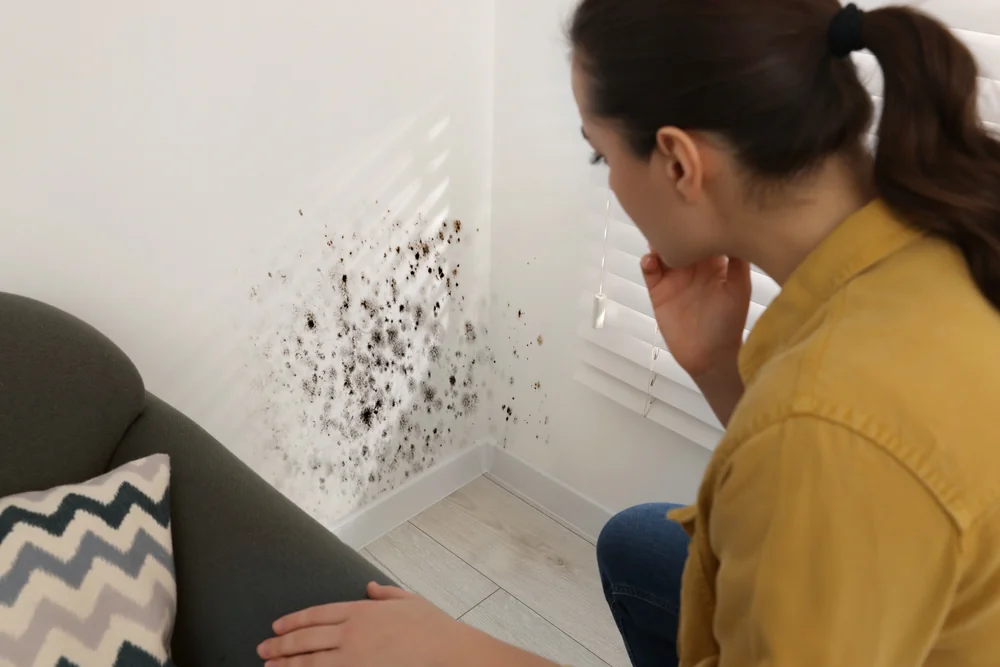
Hear from Our Customers
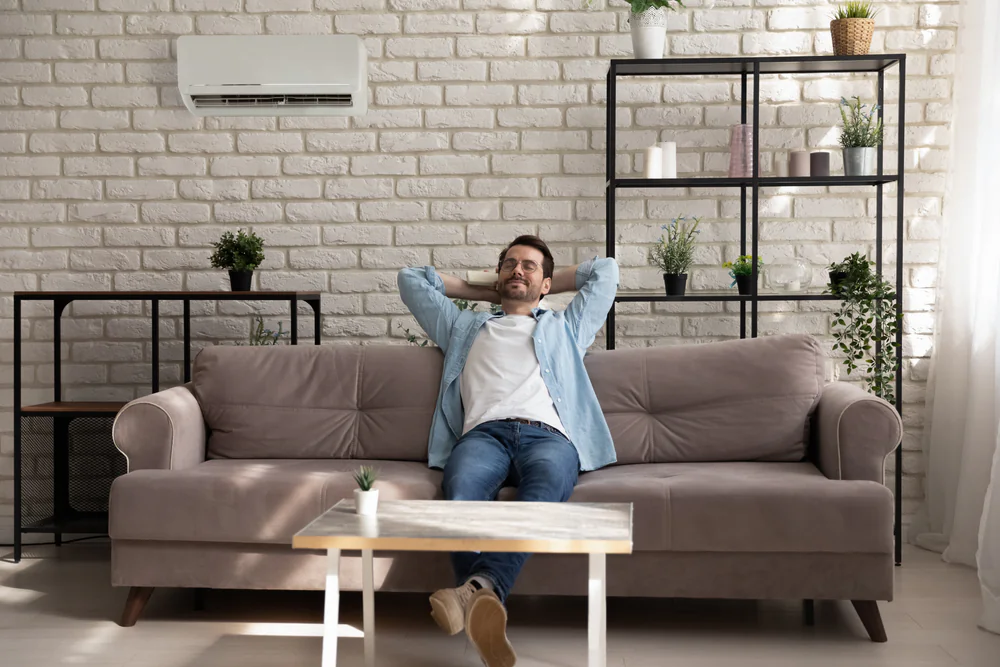
You can’t see mold spores. You can’t smell radon. And most VOCs are completely invisible until someone starts getting headaches, respiratory issues, or allergy symptoms that won’t go away.
Indoor air quality testing gives you actual data. Not guesses. Not assumptions based on how old your house is or whether you see visible mold somewhere.
The air inside your Hagersville home could be up to five times more polluted than the air outside. That’s not scare tactics—that’s what happens when homes are sealed tight for energy efficiency but don’t have proper ventilation or filtration. Pollutants get trapped. They build up. And eventually, someone in your house starts feeling it.
A professional air quality test tells you what’s in the air, where it’s coming from, and what needs to happen next. You get lab results. You get clarity. And you get a plan that’s based on your specific home—not a sales pitch.
We’ve been helping homeowners in Bucks County understand what’s happening inside their walls, ducts, and air for years. We’re not a national franchise reading from a script. We know the area, the housing stock, and the common issues that show up in older homes around Hagersville.
Most of the homes we test were built before modern ventilation standards. That means basements that stay damp, HVAC systems that recirculate the same air, and materials that off-gas VOCs decades after installation.
We run the tests, send samples to accredited independent labs, and walk you through the results in plain language. If there’s a problem, we’ll tell you what it is and what it takes to fix it. If your air is fine, we’ll tell you that too.
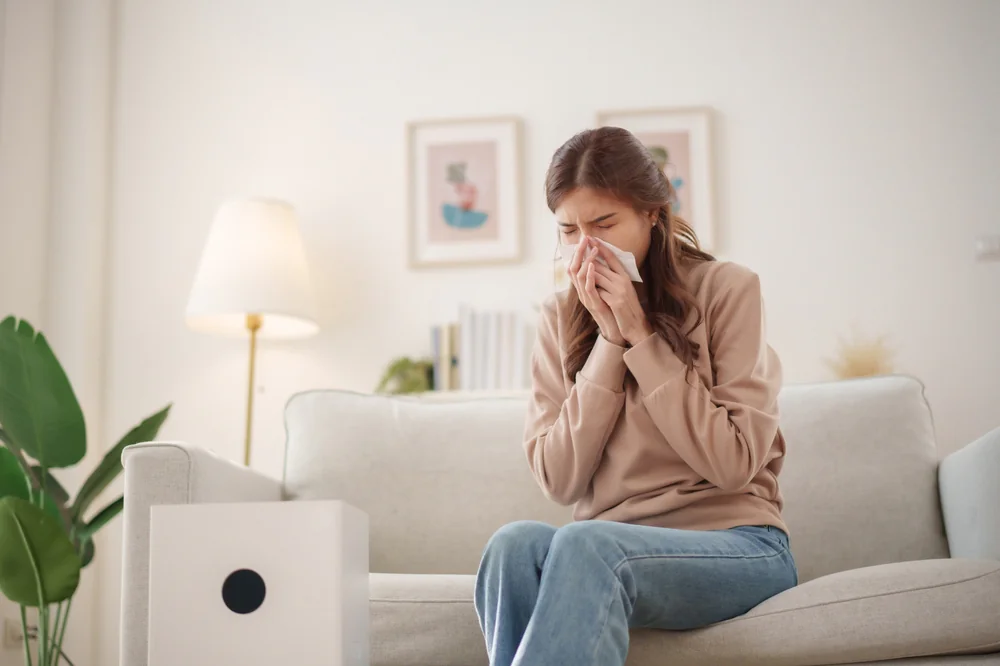
First, we talk. You tell us what’s going on—whether it’s unexplained symptoms, a musty smell, or just peace of mind before closing on a house. That conversation shapes what we test for.
Then we come to your home in Hagersville and collect samples. Air sampling picks up airborne mold spores, particulate matter, and other contaminants. Surface testing checks specific areas where you’ve seen discoloration or suspect growth. If radon or VOCs are a concern, we set up monitoring equipment that captures data over time.
All samples go to an independent, accredited lab. Not our lab. Not an in-house kit. A third-party facility that follows strict testing protocols and has no incentive to exaggerate results.
Once results come back, we review them with you. We explain what the numbers mean, what’s considered normal, and what’s elevated. If mold spore counts are high, we identify the likely source. If VOC levels are concerning, we talk about where they’re coming from and how to reduce exposure. You get a written report, lab documentation, and a clear next step—whether that’s remediation, ventilation improvements, or just monitoring over time.
Ready to get started?
A home air quality test from us includes visual inspection, air sampling, and surface testing where needed. We’re looking for mold, but we’re also checking for particulate matter, humidity levels, and ventilation issues that contribute to poor indoor air quality.
Hagersville sits in an area where seasonal humidity and older home construction create the perfect conditions for mold growth. Basements stay damp. Crawl spaces don’t get enough airflow. And a lot of homes still have original HVAC systems that weren’t designed to filter out modern pollutants.
We also test for VOCs when requested. These are chemicals released by paints, adhesives, cleaning products, and building materials. Long-term exposure has been linked to headaches, dizziness, and respiratory irritation. If your home was built or renovated in the last few decades, VOC testing is worth considering.
Radon testing is another option. Pennsylvania has some of the highest radon levels in the country, and Bucks County is no exception. Radon is colorless, odorless, and responsible for thousands of lung cancer deaths every year. The only way to know if it’s in your home is to test.
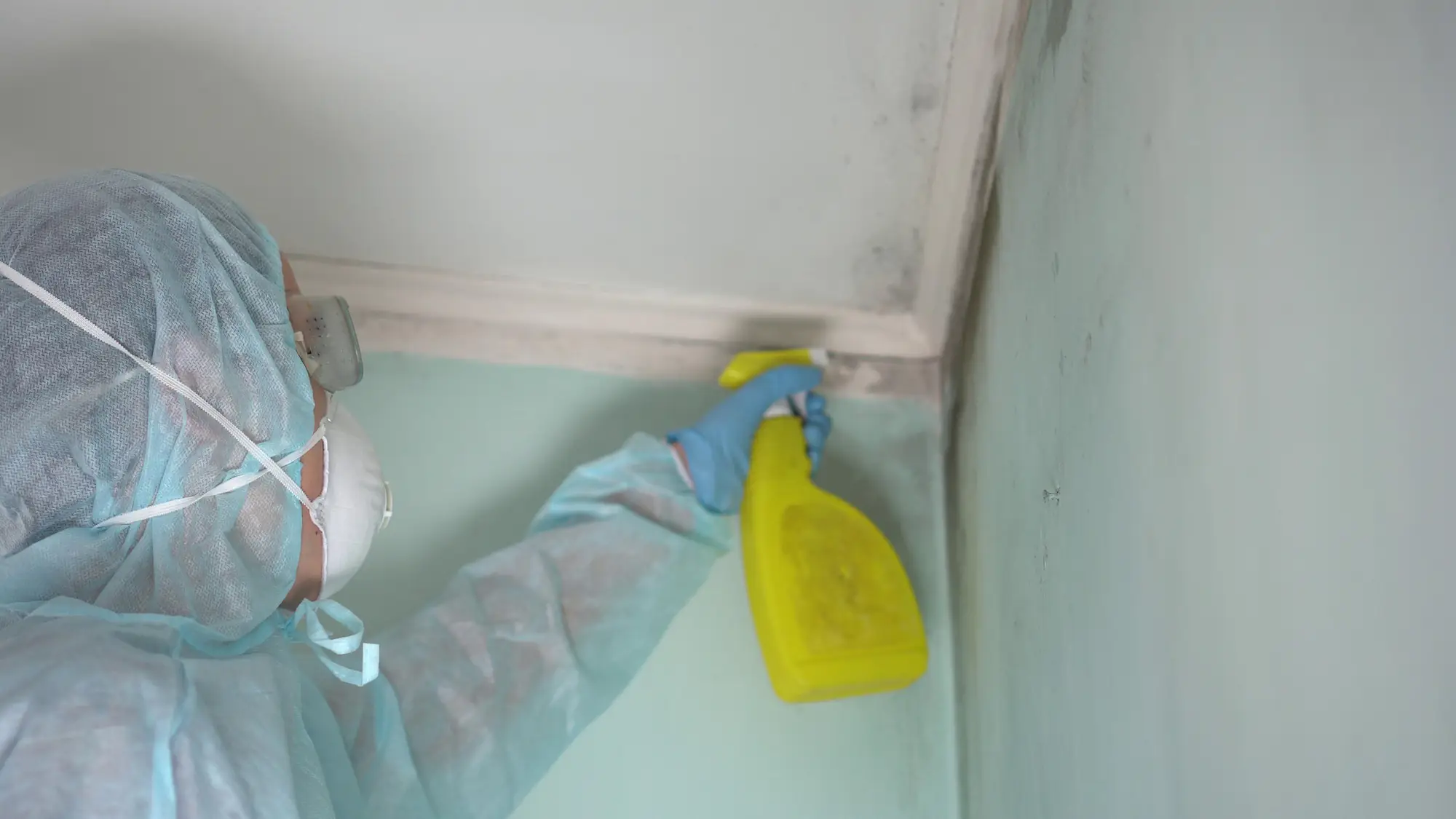
If anyone in your home is dealing with unexplained allergy symptoms, respiratory issues, headaches, or fatigue that gets better when they leave the house, that’s a red flag. Indoor air pollution doesn’t always announce itself with visible mold or obvious smells.
You might also want testing if you’re buying a home in Hagersville, especially an older one. Pre-purchase air quality testing can uncover issues that a standard home inspection misses—like elevated mold spore counts in the HVAC system or high radon levels in the basement.
Even if no one’s sick, testing makes sense if your home has had water damage, flooding, or persistent humidity issues. Mold can grow inside walls, under flooring, or in ductwork where you’ll never see it. By the time it’s visible, the problem is usually bigger than it looks.
DIY kits can tell you if mold is present, but they don’t tell you how much, what type, or where it’s coming from. Most over-the-counter test kits will show positive results because mold spores exist in almost every indoor environment. The question isn’t whether mold is there—it’s whether the levels are high enough to cause problems.
Professional air quality testing uses calibrated equipment and lab analysis to measure spore counts, identify specific mold species, and compare your results to outdoor baselines. That context matters. A few spores of common mold isn’t a health risk. Elevated levels of toxic mold species like Stachybotrys is a different story.
We also test multiple locations in your home, check airflow patterns, and inspect areas where moisture problems typically start. A DIY kit tests one spot. We test the whole environment and give you a report that actually tells you what to do next.
The on-site part of a residential air quality test usually takes one to two hours, depending on the size of your home and what we’re testing for. Air sampling is quick—we set up equipment, let it run for a set period, and collect the samples. Surface testing and visual inspection add a bit more time.
If we’re testing for radon or VOCs, we may leave monitoring equipment in your Hagersville home for 24 to 48 hours to get accurate readings. These contaminants fluctuate throughout the day, so short-term testing doesn’t always capture the full picture.
Once we send samples to the lab, results typically come back within a few days. We’ll schedule a follow-up call or meeting to go over findings, answer questions, and discuss next steps if any issues are identified.
Air sampling detects airborne mold spores, which covers most active mold growth. If mold is releasing spores into the air, we’ll pick it up. The lab analysis identifies the species and measures concentration levels so we know whether you’re dealing with common environmental mold or something more concerning.
Surface testing is used when we find visible growth or suspect contamination in a specific area. We take samples directly from the surface, which helps confirm the type of mold and whether it’s actively growing or just residue from an old issue.
That said, mold that’s completely sealed behind a wall or under flooring may not show up in air samples if it’s not releasing spores into the room. That’s why we combine air testing with a thorough visual inspection and moisture assessment. If conditions are right for mold growth—high humidity, water stains, musty odors—we investigate further even if air samples come back clean.
If your indoor air quality test shows elevated mold spore counts, the first step is identifying the source. Mold doesn’t grow without moisture, so we trace it back—leaking pipes, roof damage, basement seepage, condensation in the HVAC system, or poor ventilation in bathrooms and kitchens.
Once we know where it’s coming from, we can recommend a remediation plan. That might mean removing contaminated materials, cleaning and treating affected surfaces, fixing the moisture problem, and improving ventilation to prevent future growth.
We handle both testing and remediation, so you’re not left trying to interpret lab results on your own or finding another company to fix the problem. We walk you through what needs to happen, give you a clear estimate, and take care of it. After remediation, we can retest to confirm spore levels are back to normal and the issue is resolved.
Absolutely. Most mold growth happens where you can’t see it—inside walls, under carpets, in HVAC ducts, or in crawl spaces. By the time mold is visible, it’s usually been growing for a while and the spore count in your air is already elevated.
Air quality testing catches problems early, before they turn into expensive remediation projects or ongoing health issues. It’s especially valuable in Hagersville homes with basements, older construction, or a history of water intrusion.
Testing also gives you a baseline. If you know your air quality is good now, you have something to compare against if symptoms develop later or if you experience water damage. And if you’re selling your home, a clean air quality report is documentation that buyers appreciate—it shows you’ve taken care of the property and there are no hidden issues waiting to surface after closing.
Other Services we provide in Hagersville