
Hear from Our Customers

You can’t see mold spores. You can’t see dust mite waste or pet dander floating through your HVAC system. But you can feel the effects—the allergies that won’t quit, the musty smell that lingers, the worry that something’s wrong but you can’t prove it.
A home air quality test gives you actual data. Not guesses. Not assumptions based on a visual inspection. Real measurements of what’s in your air, where it’s coming from, and how severe the problem is.
That’s what matters when you’re trying to protect your family’s health or prepare your home for sale. Bucks County’s humid summers and damp winters create perfect conditions for mold growth, even in homes that look perfectly clean. Professional air quality testing catches problems early, before they become expensive repairs or health issues you can’t ignore.
You get a clear report. You know what you’re dealing with. And you can make decisions based on facts, not fear.
We’ve been testing air quality and removing mold in Bucks County for over 20 years. We’re not a national franchise following a corporate playbook. We live here. We work here. We understand how Gardenville’s older homes handle moisture, where problems typically show up, and what actually works for long-term prevention.
Our team uses EPA-approved testing methods and equipment that goes far beyond what you’ll find in a hardware store kit. We’re certified in mold remediation, and we follow Pennsylvania regulations for every test and every job.
When you call us, you’re getting technicians who’ve seen hundreds of Bucks County basements, crawl spaces, and attics. We know what we’re looking for, and we know how to explain it in plain terms.

We start with a free inspection of your property. That means walking through your home, checking areas where moisture problems typically develop—basements, bathrooms, kitchens, attics, crawl spaces. We’re looking for visible signs of mold, water damage, or conditions that encourage growth.
If we find concerns or if you’re dealing with symptoms like persistent allergies or musty odors, we recommend a mold air test. We collect air samples from different areas of your home using professional-grade equipment. These samples get sent to an accredited lab that identifies the types of mold present and measures spore concentration levels.
You receive a detailed report that breaks down what we found, what it means for your health and your home, and what steps make sense next. If remediation is needed, we provide a clear estimate before any work begins. If the issue is minor, we’ll tell you that too and give you prevention tips specific to your home’s layout and Gardenville’s climate.
The whole process is straightforward. No upselling. No scare tactics. Just honest assessment and clear options.

Ready to get started?
Our residential air quality testing includes a thorough visual inspection of your entire property, not just the rooms where you’ve noticed problems. We check hidden areas where mold commonly grows undetected—behind walls, under carpets, inside HVAC systems, around windows and doors.
We use moisture meters and thermal imaging to identify areas with elevated humidity or temperature differences that indicate hidden water intrusion. These are the spots where mold takes hold before you ever see it.
Air sampling captures what’s floating through your home right now. Lab analysis identifies specific mold types—because not all mold is the same, and knowing what you’re dealing with determines the right removal approach. Some molds are more aggressive. Some indicate serious water problems. The lab report gives you that clarity.
In Gardenville and throughout Bucks County, we see patterns. Older homes with stone foundations often have basement moisture issues. Properties near wooded areas deal with higher outdoor mold counts that infiltrate through poor ventilation. Homes with finished basements sometimes trap humidity behind drywall. We factor these local realities into every assessment, so you’re not getting generic advice—you’re getting guidance that actually applies to your situation.
You should consider professional air quality testing if you’re experiencing unexplained health symptoms like persistent allergies, respiratory issues, or headaches that improve when you leave the house. These are often the first signs that something in your indoor air is affecting you.
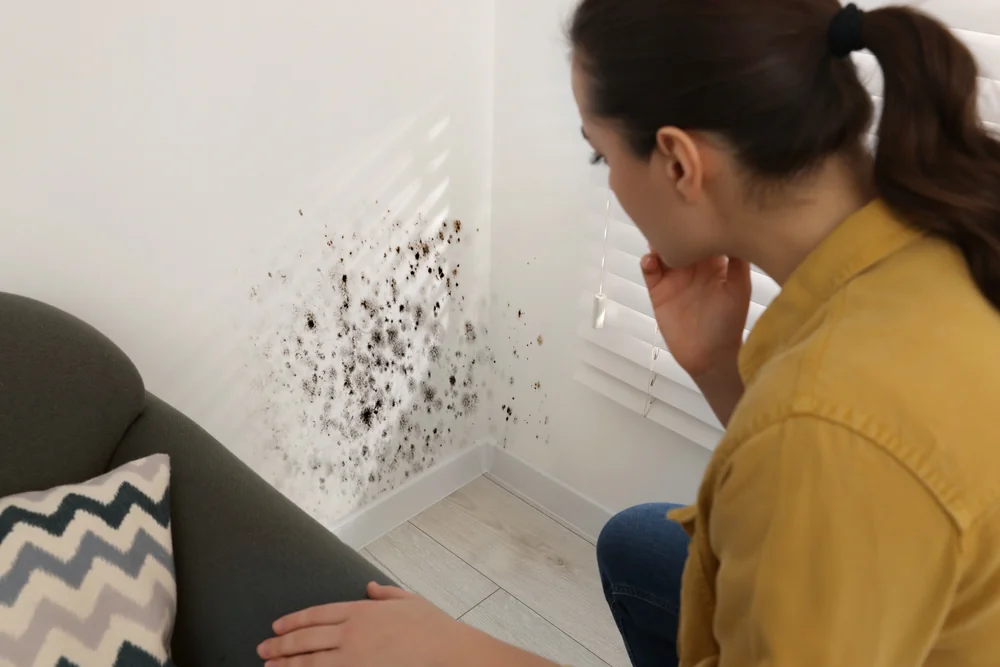
Visible signs matter too. If you see mold growth anywhere in your home, smell musty or earthy odors, or have had recent water damage from leaks or flooding, testing helps you understand the extent of contamination. Mold you can see is usually just part of the problem—spores spread through air and settle in places you can’t inspect without proper equipment.
Testing also makes sense before buying or selling a home in Bucks County. Mold disclosure requirements mean sellers need to address known issues, and buyers want assurance they’re not inheriting an expensive remediation project. A professional indoor air quality test provides documentation that protects everyone in the transaction.
DIY test kits from hardware stores give you very limited information. Most are petri dish tests that capture whatever lands on the surface during the exposure period. They’ll tell you mold is present, but they won’t tell you how much, what types, or whether the levels are actually concerning. Every home has some mold spores—the question is whether you have a problem that needs attention.
Professional air quality testing uses calibrated equipment to collect measured air samples from multiple locations. The samples go to accredited labs that identify specific mold species and provide spore count data. This tells you if levels are elevated compared to outdoor air, which is the real benchmark for determining if you have an indoor mold problem.
We also combine air testing with a thorough visual inspection using moisture meters and thermal imaging. That means we’re not just measuring what’s in your air right now—we’re finding the source. DIY kits can’t do that. They can’t tell you where the mold is growing, why it’s growing, or what needs to happen to fix it. Professional testing gives you actionable information, not just confirmation that mold exists somewhere in your house.
The on-site inspection and air sampling typically take one to two hours, depending on your home’s size and the number of areas we’re testing. We’re thorough but efficient—we’re not going to disrupt your entire day.
Air samples get sent to the lab the same day or next business day. Lab analysis usually takes three to five business days. You’ll receive a detailed report that breaks down mold types identified, spore concentration levels, and what those numbers mean in practical terms.
Once we have results, we schedule a follow-up conversation to walk through the findings. If remediation is recommended, we provide a clear written estimate before any work begins. If levels are normal or the issue is minor, we’ll explain that and give you prevention guidance. The goal is to give you complete information so you can make informed decisions about your home and your family’s health, not to rush you into services you don’t need.
Air testing measures mold spores circulating through your home, which can indicate hidden growth behind walls, under flooring, or in other concealed spaces. If we find elevated spore counts of certain mold types that typically grow on building materials, that’s a strong indicator of hidden contamination.
But air testing alone doesn’t pinpoint exact locations. That’s why we combine it with a detailed visual inspection using moisture meters and thermal imaging. Moisture meters detect elevated humidity levels inside walls and other materials—mold can’t grow without moisture, so high readings tell us where to look closer. Thermal imaging reveals temperature differences that indicate water intrusion or poor ventilation behind surfaces.
In some cases, we may recommend additional invasive inspection—carefully opening a small section of wall or ceiling to visually confirm what’s happening inside. This is especially common in Bucks County’s older homes where previous water damage may have been covered up during renovations. We only recommend this when testing and inspection data strongly suggest hidden growth. The goal is to give you certainty about what you’re dealing with before committing to expensive remediation work.
We offer free initial inspections, which means we’ll come to your property, assess the situation, and give you our professional opinion at no cost. If air quality testing is recommended based on what we find, costs typically range from a few hundred dollars for basic testing to more for comprehensive multi-room sampling with lab analysis.
The exact price depends on your home’s size, how many areas need testing, and whether we’re dealing with a straightforward situation or a complex case requiring multiple sample types. We provide clear pricing before collecting any samples, so you know exactly what you’re paying for.
Many homeowners find that professional testing actually saves money in the long run. It prevents unnecessary remediation if levels turn out to be normal, and it catches serious problems early before they become major structural issues. If you’re dealing with insurance claims for water damage, professional testing documentation often helps with the claims process. We can work with your insurance company to provide the reports and information they need.
If testing reveals elevated mold levels, we provide a detailed remediation plan that addresses both the mold growth and the underlying moisture problem causing it. Removing visible mold without fixing the source just means it’ll come back—we’ve seen that scenario too many times in Bucks County homes.
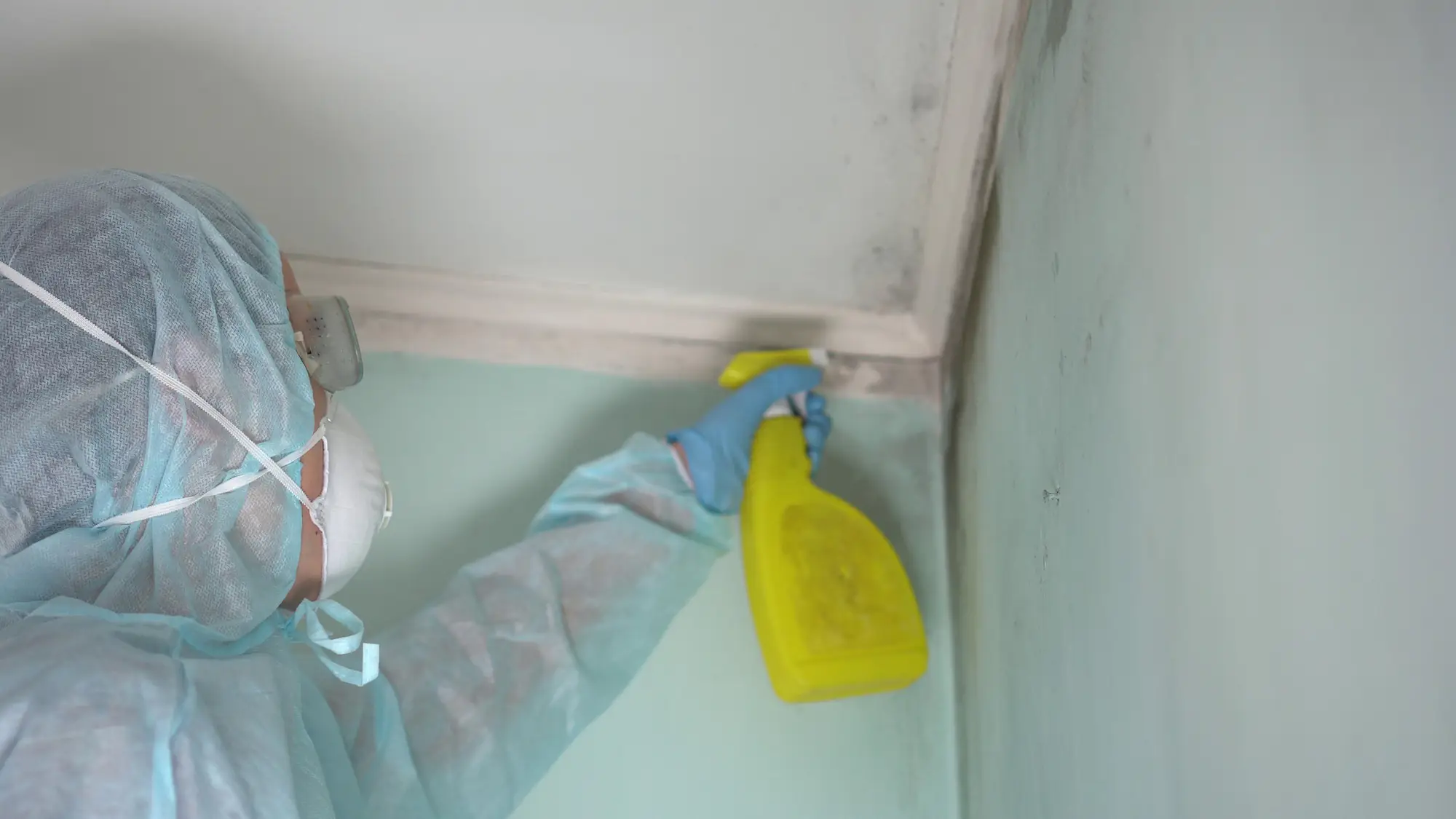
The remediation process follows EPA guidelines and Pennsylvania regulations. We contain the affected area to prevent spores from spreading during removal. We use HEPA filtration and proper cleaning agents to safely eliminate mold from surfaces and materials. If materials like drywall or insulation are heavily contaminated, we remove and replace them.
After remediation, we address the moisture issue—whether that’s fixing leaks, improving ventilation, installing dehumidifiers, or correcting drainage problems around your foundation. We also provide guidance on maintaining proper humidity levels and preventing future growth. You’ll receive documentation of all work completed, which is important for your records and for any future real estate transactions. Our goal is complete resolution, not a temporary fix that leaves you dealing with the same problem six months later.
Other Services we provide in Gardenville