

Hear from Our Customers
You’ll breathe easier knowing the air in your home isn’t making your family sick. No more musty smell in the basement. No more black spots creeping up the bathroom wall. No more wondering if that cough is just allergies or something worse.
When mold gets removed the right way, it doesn’t come back next summer. That’s because we’re not just treating symptoms. We’re identifying the moisture source—whether it’s a leaky pipe, poor ventilation, or water seeping through your foundation—and addressing it so the problem stops at the root.
You also get documentation. If you’re selling your home or dealing with insurance, you’ll have lab results, photos, and a clear record of what was done. That matters when buyers ask questions or adjusters need proof.
We serve Gardenville and the surrounding Bucks County area. We’ve worked in enough basements, crawl spaces, and attics around here to know what causes mold in this climate—and how to fix it for good.
Gardenville’s humid summers and older home construction create the perfect conditions for mold growth. Many homes in this area were built before modern moisture barriers became standard. We understand those challenges because we deal with them every day.
We’re not a national franchise with a call center. When you call us, you’re talking to someone who actually does the work. And when we show up, we’re not trying to upsell you on services you don’t need.

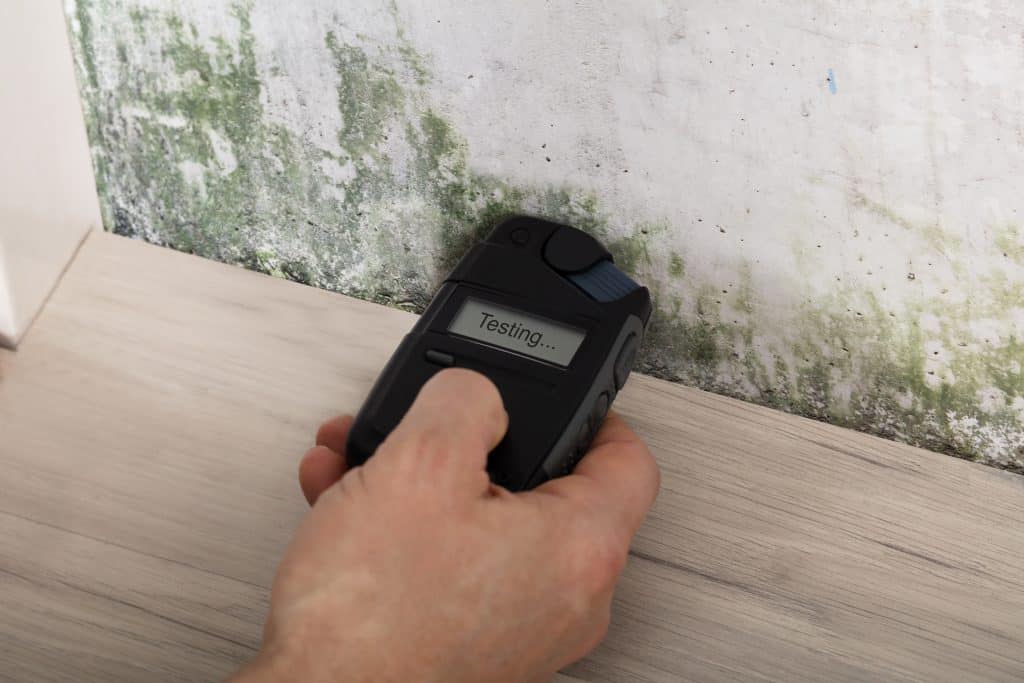
First, we come out for a free inspection. No obligation. We’ll look at the visible mold, check moisture levels with meters, and use thermal imaging to find hidden problems behind walls or under floors.
If there’s mold, we’ll take samples and send them to a lab. Different types of mold require different approaches, and we don’t guess. Once we know what we’re dealing with, we’ll give you a clear estimate—no surprises, no hidden fees.
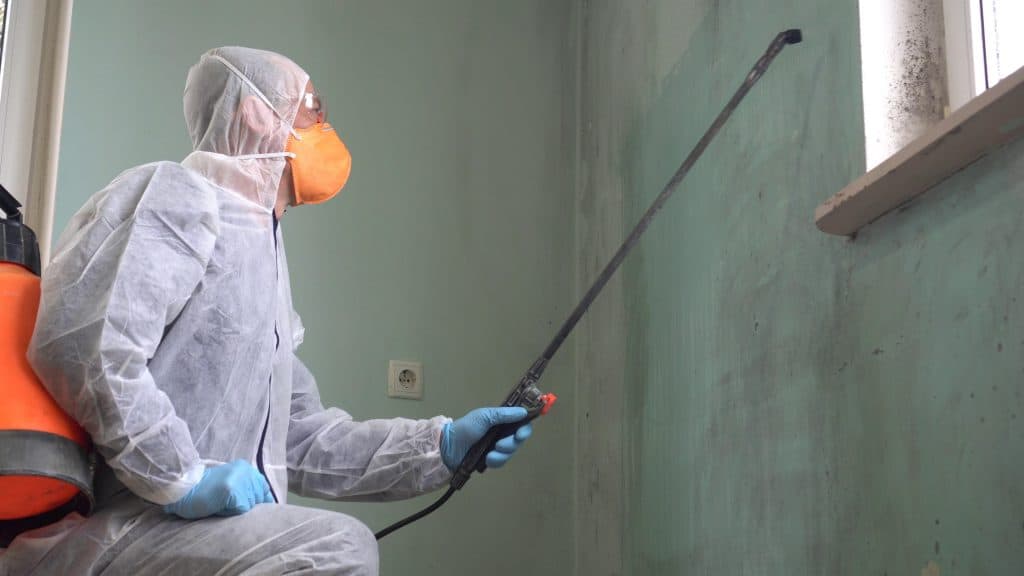
During remediation, we contain the area to prevent spores from spreading to other parts of your home. We remove contaminated materials, treat affected surfaces with EPA-approved solutions, and use HEPA filtration to clean the air. Then we address the moisture source. If it’s a plumbing issue, poor drainage, or ventilation problem, we’ll walk you through what needs to happen so it doesn’t come back.
After everything’s cleaned and dried, we do a final test to confirm the mold is gone. You’ll get all the documentation you need for your records or insurance claim.
Ready to get started?
You get a thorough inspection using moisture meters and thermal imaging cameras. That’s how we find mold you can’t see—the stuff growing inside walls, under flooring, or in your HVAC system.
Lab testing tells us exactly what type of mold we’re dealing with. Black mold (Stachybotrys chartarum) requires a different approach than common household molds. We don’t treat everything the same because not everything is the same.
Containment keeps mold spores from spreading during removal. We seal off the work area, use negative air pressure, and run HEPA filters to protect the rest of your home. Removal involves taking out contaminated drywall, insulation, or other materials that can’t be salvaged, then treating surfaces with antimicrobial solutions.
In Bucks County’s humid climate, moisture control is everything. We’ll identify whether your problem is coming from a leaky foundation, condensation, poor attic ventilation, or plumbing issues. Fixing the source is the only way to prevent regrowth. We’ll also help you with insurance documentation if you’re filing a claim—photos, lab reports, and detailed invoices that adjusters actually accept.
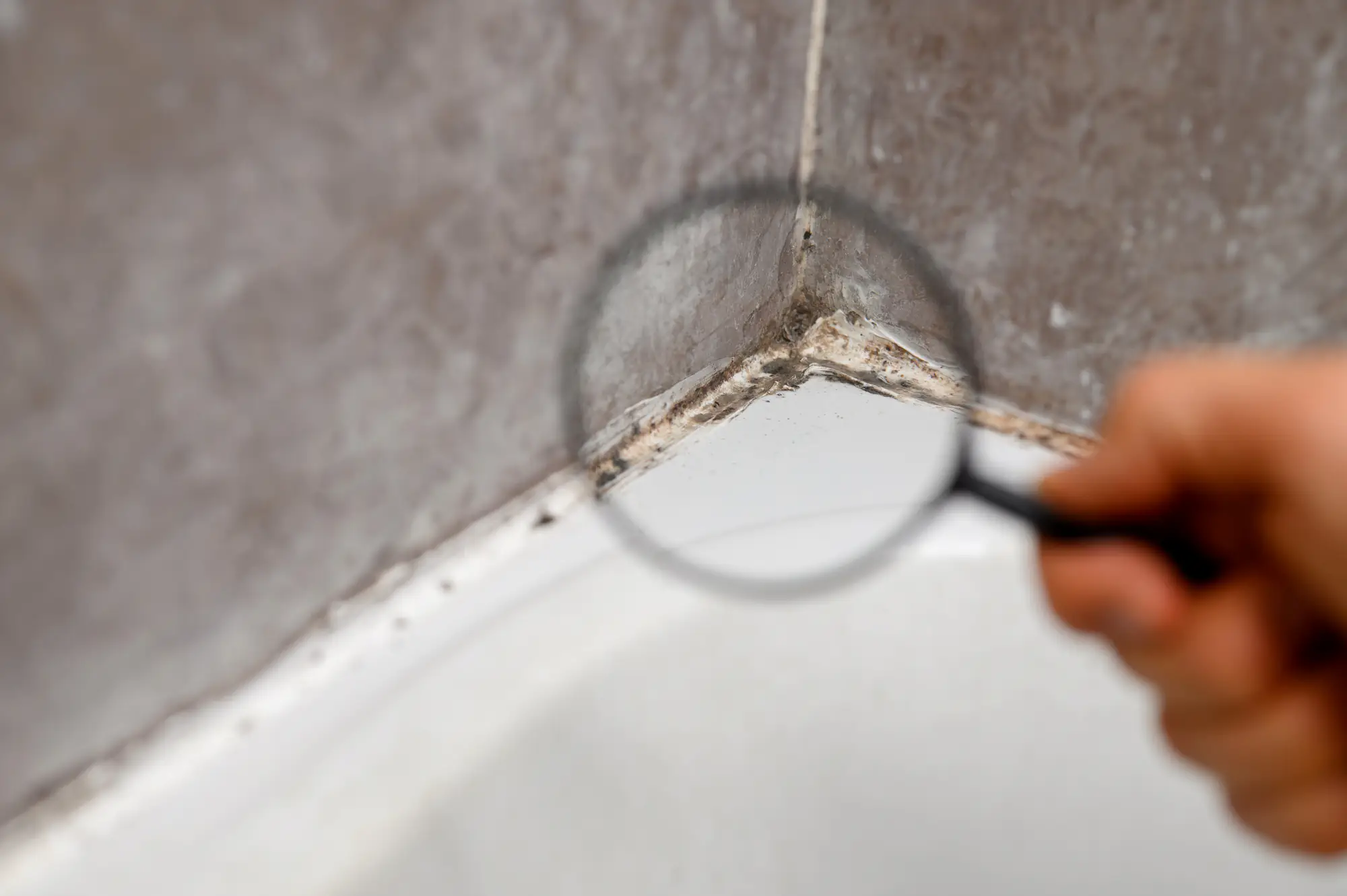
Mold can start forming within 24 to 48 hours after water exposure. In Gardenville’s humid summer climate, that timeline can be even shorter.
If you’ve had a pipe burst, roof leak, or flooding in your basement, the clock starts immediately. Mold spores are already in the air—they just need moisture and a surface to land on. Once conditions are right, they spread fast.
That’s why you’ll hear people talk about the 24-48 hour window. It’s not a scare tactic. It’s biology. The longer water sits, the bigger the problem becomes. What starts as a small patch of mold on drywall can turn into a full remediation job if it gets into your insulation, framing, or HVAC system.
If it’s a small area—less than 10 square feet—and it’s on a hard, non-porous surface like tile, you can usually handle it yourself with the right cleaner. But if it’s on drywall, wood, insulation, or carpet, or if it’s covering a larger area, you’re better off calling someone who knows what they’re doing.
Here’s why: mold you can see is only part of the problem. There’s usually more behind the surface. If you scrub the visible mold but don’t address what’s inside the wall or under the floor, it’ll come back. Professional mold removal includes containment, proper removal of contaminated materials, air filtration, and moisture source identification.
DIY mold removal also puts you at risk. Disturbing mold releases spores into the air. Without proper containment and protective equipment, you’re breathing that in. If it’s black mold or another toxic variety, that’s a health risk you don’t want to take.
It depends on the size of the affected area, the type of mold, and how much material needs to be removed. For a small area like a bathroom or closet, you might be looking at $500 to $1,500. For a larger job—like a finished basement or multiple rooms—costs typically range from $2,000 to $6,000.
If the mold has spread into your HVAC system or requires structural repairs, the price goes up. But here’s the thing: the cost of not fixing it is usually higher. Mold damage gets worse over time, not better. It spreads, weakens building materials, and creates serious health risks.
Most homeowners insurance policies cover mold remediation if it’s caused by a sudden, accidental event like a burst pipe. If it’s from long-term neglect or a maintenance issue, coverage gets tricky. We can help you document everything properly so you have the best chance of getting your claim approved.
Not if the moisture problem gets fixed. Mold needs water to grow. Remove the water source, and mold can’t survive.
That’s the difference between a surface cleaning and actual remediation. If someone just sprays bleach on your moldy drywall and calls it a day, you’ll see mold again in a few months. But if they remove the contaminated materials, dry everything out, and fix the leak or ventilation issue that caused it, the problem is solved.
We use moisture meters and thermal imaging to find hidden water sources. Sometimes it’s obvious—a leaking pipe or a crack in the foundation. Other times it’s condensation from poor ventilation or a slow drip inside a wall that’s been going on for months. Once we identify the source and address it, mold doesn’t have what it needs to come back.
Black mold—Stachybotrys chartarum—can cause serious health problems, especially for people with asthma, allergies, or weakened immune systems. It produces mycotoxins that can lead to respiratory issues, chronic coughing, headaches, and fatigue.
That said, not all black-colored mold is Stachybotrys. There are other types of mold that look dark or black but aren’t as toxic. The only way to know for sure is through lab testing. We take samples and send them out for analysis so you know exactly what you’re dealing with.
Even if it’s not the toxic variety, mold in your home is still a problem. Any mold growth means there’s a moisture issue that needs fixing. And prolonged exposure to any type of mold can trigger allergic reactions or make existing respiratory conditions worse. If you’re seeing mold in your home, don’t ignore it. Get it tested, get it removed, and get the source fixed.
It depends on the size and location of the job. For small, contained areas like a bathroom or closet, you can usually stay in your home. We seal off the work area, use negative air pressure, and run HEPA filters to keep spores from spreading.
For larger jobs—like a whole basement or multiple rooms—it’s often safer to stay somewhere else, especially if you have young children, elderly family members, or anyone with respiratory issues. Mold remediation involves disturbing contaminated materials, which releases spores into the air. Even with containment, there’s some risk.
We’ll be upfront with you during the inspection. If we think you should leave for a few days, we’ll tell you. If it’s safe to stay, we’ll explain how we’re protecting the rest of your home. The goal is to get the job done safely and as quickly as possible so you can get back to normal.
Other Services we provide in Gardenville