

Hear from Our Customers
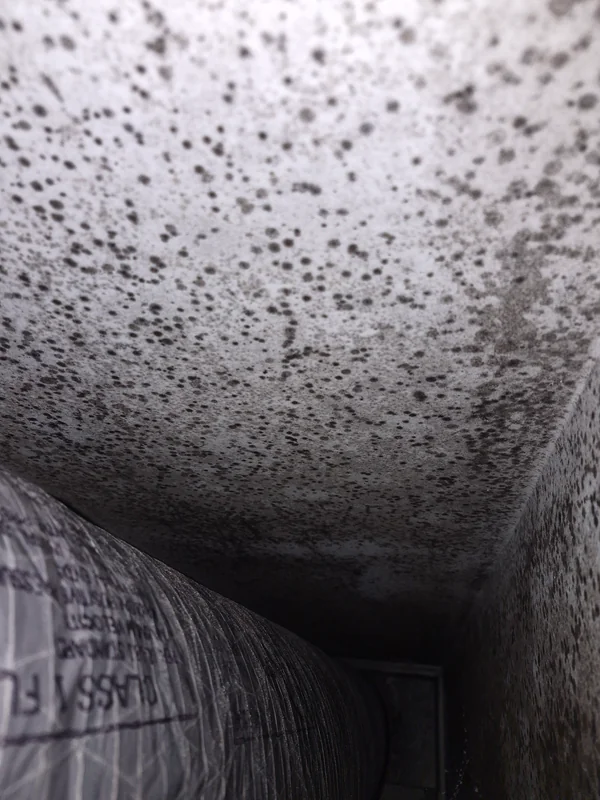
Most Yardley homeowners who’ve dealt with water in the basement assume the problem stops where the waterline did. It doesn’t. When moisture enters through a foundation crack or saturated crawlspace both well-documented issues in homes along the Delaware River and Delaware Canal corridor it finds its way into return air pathways and ductwork.
Once mold establishes in those hidden spaces, every time your furnace or AC kicks on, it pushes spores into every room simultaneously. That’s not a basement problem anymore. That’s a whole-house problem.
Getting your air ducts professionally cleaned and inspected means you actually know what’s circulating through your home not just what you hope is circulating. For families in Yardley, especially those with kids in the Pennsbury schools or older residents who spend most of their time indoors, that matters more than most people realize.
Yardley receives around 48 inches of rain per year, with July typically the wettest month. The Delaware Canal running through the borough adds to the ambient moisture load that homes here carry all summer long. Even without a dramatic flood event, your HVAC system is quietly dealing with more humidity than a typical inland Bucks County home and that’s exactly the kind of slow-building condition where mold in ductwork goes undetected for years.
We’re based in Bensalem, right in Bucks County, and have been doing this work for over 15 years. That’s not a number we throw around lightly it means we’ve seen what moisture does to homes along the Delaware River corridor, what aging ductwork looks like in houses that were built before forced-air systems were even standard, and what it takes to actually fix the problem rather than just clean around it.
The Yardley Historic District contains homes dating back to the early 1800s. Ductwork in those houses was retrofitted into spaces crawlspaces, attic cavities, basement ceiling chases where mold has the best possible conditions to grow undetected. That’s not a generic suburban duct cleaning job. It requires someone who understands mold, not just equipment.
We bring certified mold remediation expertise to every air duct cleaning job. That means the inspection goes deeper, the cleaning is done with containment in mind, and the results are verified not just assumed.
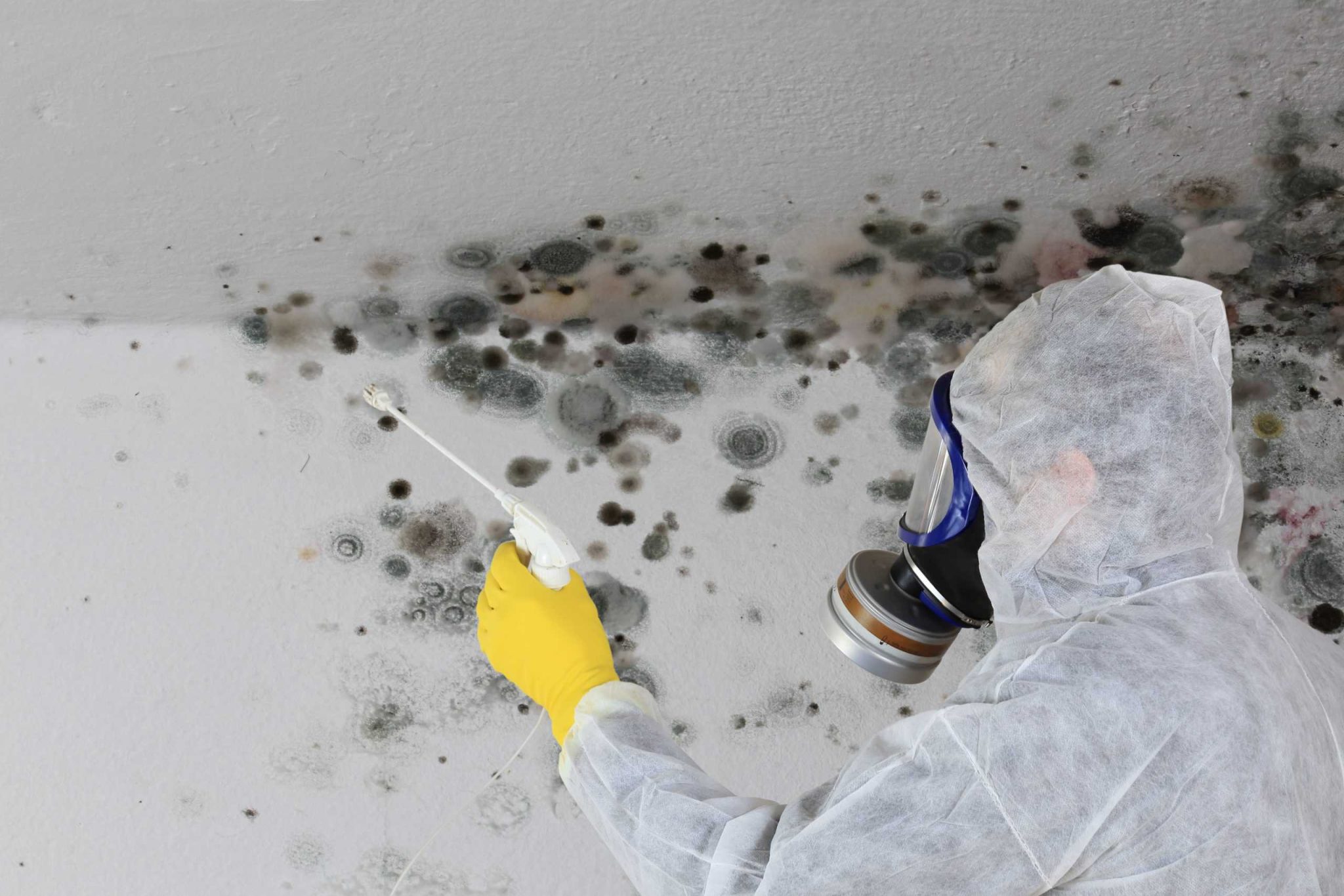
It starts with a free inspection. Before any equipment comes out, we assess your system looking at the ductwork, HVAC components, and any areas of your home that may have contributed to moisture intrusion. For Yardley homes near the river or canal, that inspection pays particular attention to return air pathways and duct runs in unconditioned spaces, because those are the locations where mold establishes first and spreads furthest.
Once the inspection is complete, you get upfront pricing what you’re quoted is what you pay. If mold is confirmed in the duct system, the cleaning is done with proper containment protocols. This isn’t a vacuum-and-go service. Disturbing mold in ductwork without containment spreads spores, which is exactly the outcome you’re trying to avoid.
The mechanical cleaning removes the physical buildup; air duct sanitizing applies an antimicrobial treatment to address biological contamination that cleaning alone doesn’t eliminate. After the job is done, we test the affected areas to confirm the mold is actually gone. That post-cleaning verification step is something most duct cleaning companies skip entirely and for a Yardley homeowner with a real moisture history, a documented result matters a lot more than a technician’s word that it looks clean.

Ready to get started?
Air duct cleaning is the core service, but it doesn’t exist in isolation. We also handle dryer vent cleaning, which is genuinely a fire safety issue not a maintenance preference. The NFPA reports nearly 16,000 dryer-related home fires per year, and failure to clean the vent is the leading cause. In older Yardley homes where laundry rooms were retrofitted into layouts that weren’t originally designed for them, dryer vent runs are often longer and more complex than in newer construction. Longer runs accumulate lint faster and are harder to clear without professional equipment.
Air duct sanitizing is a separate step from mechanical cleaning, and it matters specifically in mold situations. Cleaning removes the visible debris and buildup. Sanitizing applies an antimicrobial treatment to address the biological contamination mold spores, bacteria that remains after the physical material is gone. When your ductwork has had a mold issue, skipping the sanitizing step means the cleaning was only half the job.
We also work directly with insurance companies on claims, which is relevant for Yardley homeowners navigating flood-related damage documentation. Lower Makefield Township adopted a new Floodplain Management Plan in 2025, and homeowners in the floodplain have more reason than ever to keep moisture-related remediation properly documented. Flexible financing is available for jobs where the scope is larger than expected.
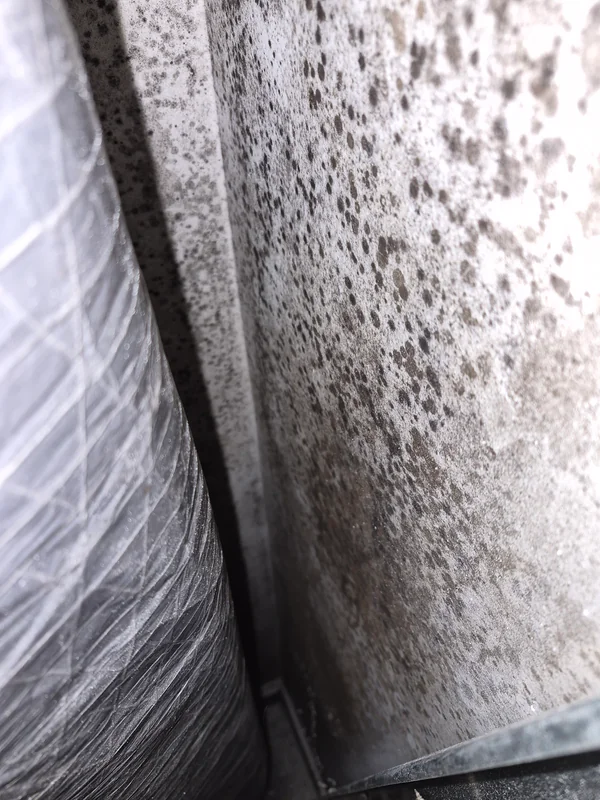
Yes, and it’s more common than most people realize. When floodwater or saturated groundwater enters a Yardley home through a foundation crack, a window well, or a crawlspace the moisture doesn’t stay contained to the floor it entered on. It migrates. Return air pathways pull air from the lowest points of a home, which means a damp basement or crawlspace is essentially feeding humidity directly into the duct system every time the HVAC runs.
Mold doesn’t need standing water to grow in ductwork. It needs moisture and a surface and the interior of a duct run in an unconditioned space provides both. Homes along the Delaware River and Delaware Canal in Yardley Borough are particularly susceptible because they deal with recurring moisture events, not one-time floods. If your home has experienced any water intrusion in the past few years, having the duct system inspected is a reasonable and straightforward next step.
The most common sign people notice is a musty smell that appears specifically when the HVAC system kicks on not a general stuffy smell, but one that’s clearly coming from the vents. That smell is often the first indicator that something biological is growing inside the system, not just accumulated dust. Dust smells stale; mold smells distinctly musty, sometimes earthy, and it tends to be more noticeable at the start of AC season when the system runs for the first time after sitting idle.
Other signs include worsening allergy or asthma symptoms that don’t have another clear explanation, visible discoloration around vent registers, or a history of water intrusion in the home. In Yardley specifically, if your home has experienced basement moisture or flooding even minor events that history is a meaningful risk factor worth taking seriously. A professional inspection can tell you definitively what you’re dealing with, and we offer free inspections so there’s no financial barrier to getting an answer.
It depends on the specific situation, and anyone who gives you a blanket yes without knowing your home’s history is oversimplifying. The EPA’s position is nuanced routine duct cleaning in the absence of a confirmed problem has unclear benefits. But the EPA also explicitly recommends cleaning when mold is confirmed in the system, when there’s been pest or rodent activity, or when significant debris is blocking registers.
Where Yardley changes the calculus is the baseline climate. At 48 inches of annual rainfall and a humid subtropical classification, homes here carry more ambient moisture load than the national average. If your home has older ductwork routed through unconditioned spaces which is common in the historic and early 20th-century housing stock throughout the borough those runs are experiencing moisture cycling every summer whether you’ve had a flood event or not. A professional inspection gives you real information about the state of your system rather than guessing.
They’re two different steps that address two different problems. Mechanical air duct cleaning removes the physical material inside the ductwork dust, debris, biological buildup using equipment that creates negative air pressure to pull contaminants out of the system rather than just pushing them around. That step addresses what you can see and measure.
Air duct sanitizing applies an antimicrobial treatment to the interior surfaces of the ductwork after the mechanical cleaning is complete. Its job is to address what cleaning alone doesn’t eliminate mold spores and bacteria that remain on duct surfaces after the visible material has been removed. If your ductwork has had a mold issue, doing the cleaning without the sanitizing step is like washing a surface with water and skipping the disinfectant. Both steps are needed.
The standard industry recommendation is every three to five years for most homes. But that baseline assumes average conditions average climate, average moisture exposure, average housing stock. Yardley doesn’t fit average on any of those measures. Homes near the Delaware River and Delaware Canal face recurring moisture events, not just seasonal humidity. Older homes with retrofitted ductwork in crawlspaces or unfinished basement ceiling cavities are in the highest-risk category for undetected mold growth between cleanings.
For those homes, a professional inspection every two to three years is a more appropriate interval and after any significant water event, an inspection should happen regardless of when the last cleaning was. The goal isn’t to clean on a calendar schedule; it’s to actually know the state of your system. If an inspection comes back clean, you don’t need to do anything. If it doesn’t, you have the information you need to act before the problem spreads.
Yes, and this is one area where working with a mold specialist rather than a general duct cleaning company makes a real difference. We work directly with insurance companies on claims, which means the documentation produced during inspection and remediation is done with the insurance process in mind not just handed over as a receipt after the fact.
For Yardley homeowners in the Delaware River floodplain, this matters practically. Lower Makefield Township adopted a new standalone Floodplain Management Plan in 2025, and homeowners carrying National Flood Insurance Program policies have documentation requirements tied to moisture mitigation work. Having a certified mold inspector assess and document the state of your duct system before and after remediation gives you a clear record of what was found, what was done, and what the verified result was. That kind of documentation supports insurance claims and gives you something concrete to reference if the issue is ever questioned later. General duct cleaners typically don’t produce that level of documentation because they’re not operating as mold remediation specialists.
Other Services we provide in Yardley