
Hear from Our Customers
When the HVAC system in a Warminster Heights home is running clean, the difference shows up in ways you notice every day. The musty smell that hits when the AC kicks on for the first time each summer gone. The allergy flare-ups that seem worse indoors than out easier to trace and address. The low-grade worry about what your family is breathing replaced by something you can actually verify.
Bucks County gets around 49 inches of rain a year, well above the national average. In Warminster Heights, where most homes were built between the 1940s and early 1960s and ductwork has had decades to absorb moisture, that rainfall doesn’t just stay outside. It works its way into crawl spaces, basements, and eventually the air systems that move air through every room.
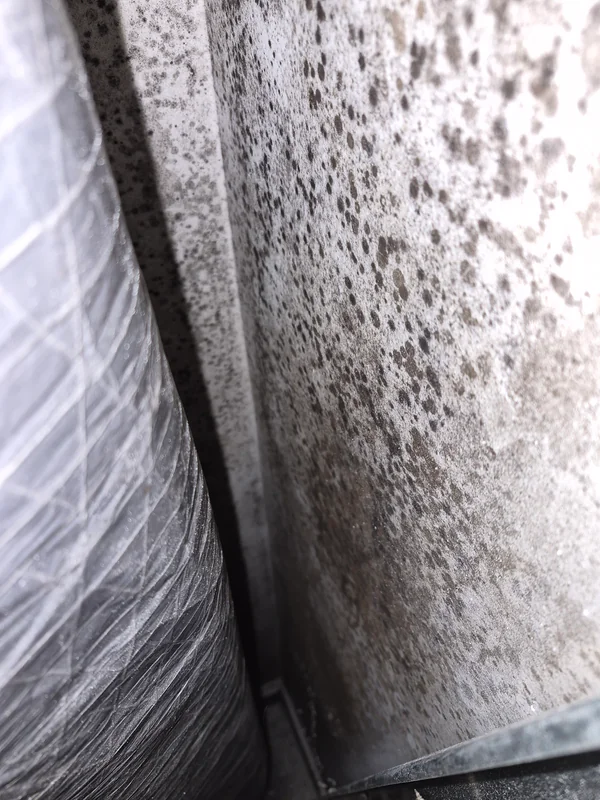
Mold starts growing within 24 to 48 hours of a moisture event and once it’s in the ducts, every heating and cooling cycle sends spores to every corner of the house. The goal isn’t just cleaner-smelling air. It’s knowing that what’s circulating through your home has actually been inspected, tested, and cleared by someone who specializes in mold not just a company that vacuums dust and moves on.
We’ve been working in Bucks County homes for over 15 years. That’s not a marketing number it’s the difference between a company that knows what aging ductwork in a 1958 Warminster Heights ranch house looks like from the inside, and one that’s treating your home like any other job on the schedule.
We’re based in Bensalem and built our reputation specifically in Bucks County your county. When you call, you’re not reaching a national call center. The people who answer are the people who show up, and our owner has been named by name in customer reviews for returning calls the same day and arriving next.
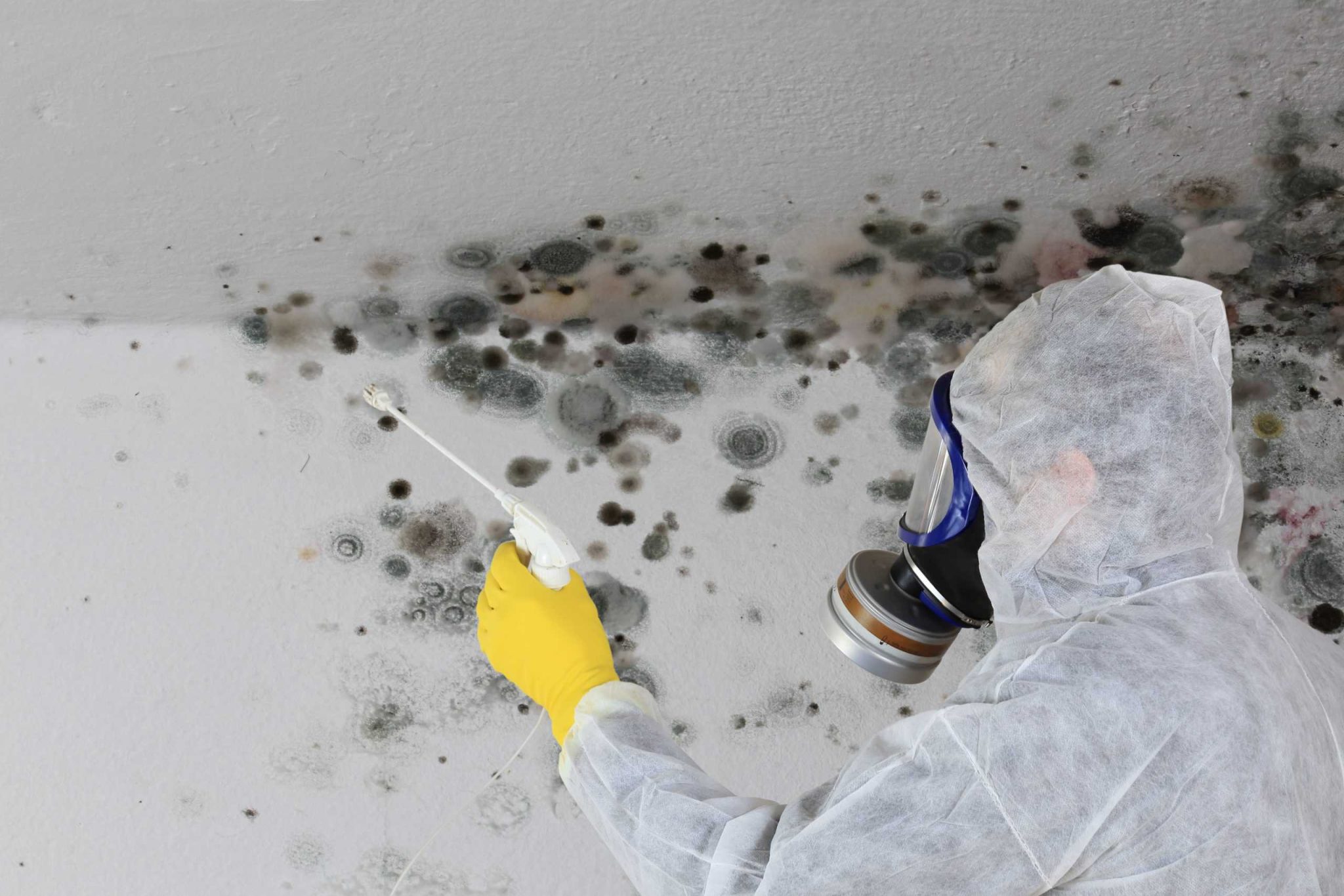
What separates us from a general air duct cleaning company isn’t equipment it’s training. We carry certified mold remediation credentials. That means when we’re cleaning ductwork in a Warminster Heights home where mold is suspected or confirmed, we’re using containment protocols that prevent the cleaning process from spreading spores further. A chimney-and-duct company doesn’t bring that to the job. We do.
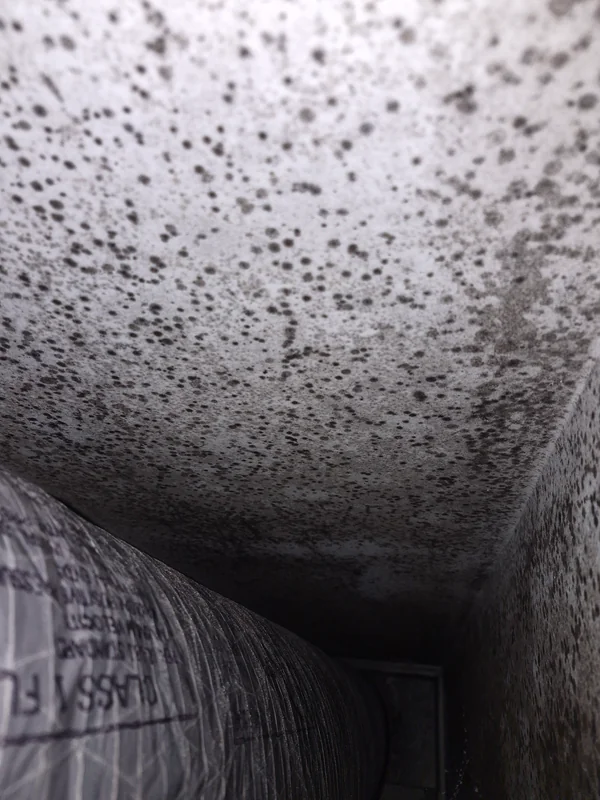
It starts with a free inspection. Before any work is quoted or scheduled, we send a certified inspector to walk through the home and assess the actual condition of the duct system. In Warminster Heights, where homes typically date to the 1940s through early 1960s, that inspection often turns up things the homeowner didn’t know were there moisture damage in interior duct sections, visible mold growth near the air handler, or decades of debris packed into duct runs that were never designed for modern HVAC equipment.
You get upfront pricing based on what’s actually found, not a number pulled from a rate sheet. If mold is confirmed in the system, the process follows certified remediation protocols containment first, then cleaning, then treatment. This isn’t the same as a standard duct cleaning job.
Disturbing mold without proper containment can push spores into rooms that weren’t previously affected. We prevent that. The cleaning itself uses professional-grade equipment negative air pressure systems and HEPA vacuums that reach the interior sections of ductwork a consumer brush kit can’t access.
After the work is done, we test the affected areas to confirm the mold is gone. That post-cleaning verification step is something customers have specifically called out in reviews as the reason they trusted the result. You don’t have to take anyone’s word for it.

Ready to get started?
Air duct cleaning addresses the ductwork itself the supply and return runs that move conditioned air through the home. Air duct sanitizing goes a step further, applying antimicrobial treatment to the interior of the duct system after mechanical cleaning to address biological contamination that physical removal alone doesn’t fully eliminate.
When mold is involved, both steps are typically needed. We handle both, and the inspection determines which combination is warranted for your specific situation.
Dryer vent cleaning is a separate service, but one that’s particularly relevant in Warminster Heights. Homes built in the 1950s and 1960s often have longer, more convoluted dryer vent runs than modern construction would allow original layouts that routed vents through longer paths, sometimes with multiple bends. Those configurations accumulate lint faster and are significantly harder to clear with a consumer brush.
The National Fire Protection Association reports nearly 16,000 dryer-related house fires annually in the U.S., and failure to clean the vent is the leading cause. In Warminster Heights, where the housing stock is uniformly old and vent runs are often original, this isn’t a routine maintenance checkbox it’s a fire safety issue.
We also assist with insurance claims when mold remediation work is covered under a homeowner’s policy, and offer flexible financing for work that falls outside insurance coverage. What you get is based on what the inspection finds, priced upfront and explained before any work begins.

The most common sign is a musty or stale smell that appears specifically when the HVAC system is running not a general basement odor, but something that kicks in with the air. If you notice that smell getting stronger at the start of summer when the AC first turns on, or at the beginning of heating season when the furnace fires up for the first time, that’s worth taking seriously.
Warminster Heights homes built in the 1940s through early 1960s have ductwork that has been accumulating moisture exposure for decades. Bucks County’s rainfall nearly 49 inches annually creates the humidity conditions that mold needs to establish itself in HVAC systems. Visible discoloration around supply or return registers, worsening allergy symptoms indoors, or a history of basement moisture in the home are all additional indicators.
The only way to know for certain is an inspection. We offer free inspections you find out what’s actually there before you commit to anything.
Air duct cleaning is the mechanical process removing accumulated debris, dust, and biological material from the interior of the duct system using professional equipment. Air duct sanitizing is a separate step that applies an antimicrobial treatment to the cleaned duct surfaces to address residual biological contamination that physical removal doesn’t fully eliminate.
Whether you need both depends on what the inspection finds. If the ductwork has visible mold growth or confirmed mold contamination, cleaning alone typically isn’t enough the sanitizing step is what addresses the biological residue left behind. If the system has general debris accumulation without active mold, cleaning may be sufficient.
We make that determination based on what the inspection actually reveals, not a default upsell. The distinction matters especially in older Warminster Heights homes where moisture has had decades to work its way into the duct system what looks like dust buildup on the surface can be mold colonization deeper in the run.
Almost never. The low-ball air duct cleaning offer is one of the most documented scams in the home services industry. The pattern is consistent: a company advertises an extremely low price to get in the door, and once they’re inside, they identify problems sometimes real, sometimes fabricated that require significant additional charges. By the time the job is done, the bill looks nothing like the original quote.
A legitimate air duct cleaning job for a typical home takes four to six hours and involves professional-grade equipment, proper containment procedures, and a thorough inspection of both supply and return duct runs. That work costs more than $99. Industry standards from NADCA the National Air Duct Cleaners Association put a proper cleaning in the range of $450 to $1,000 for most homes.
We start with a free inspection and give you upfront pricing before any work begins. The number you’re quoted is the number you pay.
Yes and this is specifically why a mold specialist handles duct cleaning differently than a general HVAC cleaning company does. When mold is present in ductwork, every time the system runs, it distributes spores through every supply vent in the home. A single contaminated section of duct can become a whole-house air quality problem over a single heating or cooling season.
The risk compounds when the cleaning itself is done without proper containment. Disturbing mold even to remove it releases spores into the air. Without containment protocols in place, a cleaning job can spread contamination to rooms that weren’t previously affected. This is the core difference between what we do and what a chimney-and-duct cleaning company does.
We bring certified mold remediation training to the job, which means containment comes before cleaning. For Warminster Heights homeowners who have already had mold remediated somewhere else in the house a basement, a crawl space, a bathroom the ductwork is often the last place checked, and leaving it unaddressed can recontaminate a space that was already cleared.
For most homes, the general recommendation is every three to five years under normal conditions. But “normal conditions” is doing a lot of work in that sentence. A home built in 1958 in Warminster Heights is not operating under the same conditions as a new construction home in a drier climate.
Older homes in this neighborhood tend to have ductwork that was installed decades ago, may have had multiple HVAC systems connected to it over the years, and sits in a county that averages 49 inches of rainfall annually. Any history of basement moisture, crawl space water intrusion, or HVAC condensation issues shortens that three-to-five-year window considerably.
If the home has never had a professional duct cleaning, or if you don’t know when the last one was done which is common when buying an older home that’s reason enough to schedule an inspection. The inspection is free, and it gives you an honest baseline rather than a guess.
That’s one of the clearest signs of a blocked dryer vent. When the vent is partially or fully obstructed by lint buildup, the dryer can’t exhaust hot, moist air efficiently so it takes two cycles to do what one used to handle. Other signs include the dryer running hot to the touch, clothes coming out hotter than they should, or a burning smell during operation.
In Warminster Heights, this issue is more common than in newer neighborhoods because of how homes from the 1940s through 1960s were originally constructed. Dryer vent runs in that era were often longer and had more bends than modern building standards would permit, because the layouts were designed before dryers were standard appliances and the venting was added as an afterthought.
Longer runs with more bends trap lint faster and are significantly harder to clear with a consumer brush kit the blockage is often well beyond what a homeowner can reach. Beyond the inconvenience, a clogged dryer vent is a fire hazard. The NFPA reports nearly 16,000 dryer-related house fires per year in the U.S., with failure to clean the vent as the leading cause. It’s a straightforward service, and in a neighborhood with Warminster Heights’ housing stock, it’s one that’s genuinely overdue in a lot of homes.
Other Services we provide in Warminster Heights