
Hear from Our Customers

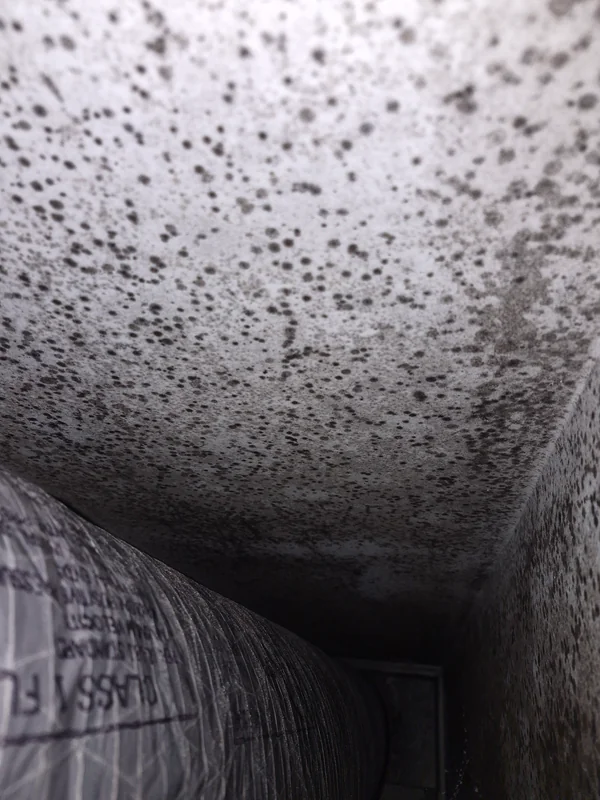
Most homeowners in Upper Black Eddy don’t discover a duct problem until they turn the system on and something smells wrong. By that point, whatever grew inside those ducts during a long, humid summer or a stretch of weeks when the house sat empty has already been circulating through every room.
Getting that cleaned out properly means the air you’re breathing every day isn’t carrying what your HVAC picked up along the way. We handle the mechanical removal, containment, and post-cleaning verification so you know the job is actually done.
Living directly alongside the Delaware Canal changes the baseline moisture level in and around your home. The canal doesn’t disappear in the off-season it stays full, and the ambient humidity it creates is persistent. For homes along River Road and the surrounding ridge, ductwork running through crawl spaces and basements is exposed to damp conditions year-round, not just during heat waves. That’s a fundamentally different risk profile than a home sitting in a dry suburban subdivision.
Once the cleaning is done right, the difference is noticeable. No more musty smell when the heat kicks on. No more wondering if the air in your home office is the reason your sinuses have been off. Just a system that’s actually doing its job instead of working against you.
We’ve been working in Bucks County for over 15 years, and Upper Black Eddy is not a stretch of our service area it’s a place we know. The older construction along River Road, the canal-adjacent properties, the farmhouses on Bridgeton Hill Road that were built long before modern vapor barriers existed these are the kinds of homes where duct problems develop quietly and stay hidden for years.
What separates us from a general duct cleaning company is our mold remediation background. Certified inspectors, lab-tested samples, and post-cleaning verification are standard here not add-ons. When mold is involved in a duct system, the process has to be handled with containment protocols. Disturbing mold without them doesn’t solve the problem; it spreads it.
We offer free inspections and upfront pricing, which means there are no surprises on the bill. The quote you get is the number you pay.

It starts with a free inspection. Before any work begins, one of our certified inspectors walks through your system checking ductwork, registers, the HVAC unit itself to understand what’s actually going on. In older Upper Black Eddy homes, that often means looking at ductwork that runs through unencapsulated crawl spaces or was retrofitted into spaces the original structure never intended for mechanical systems. What the inspection finds determines what the job requires.
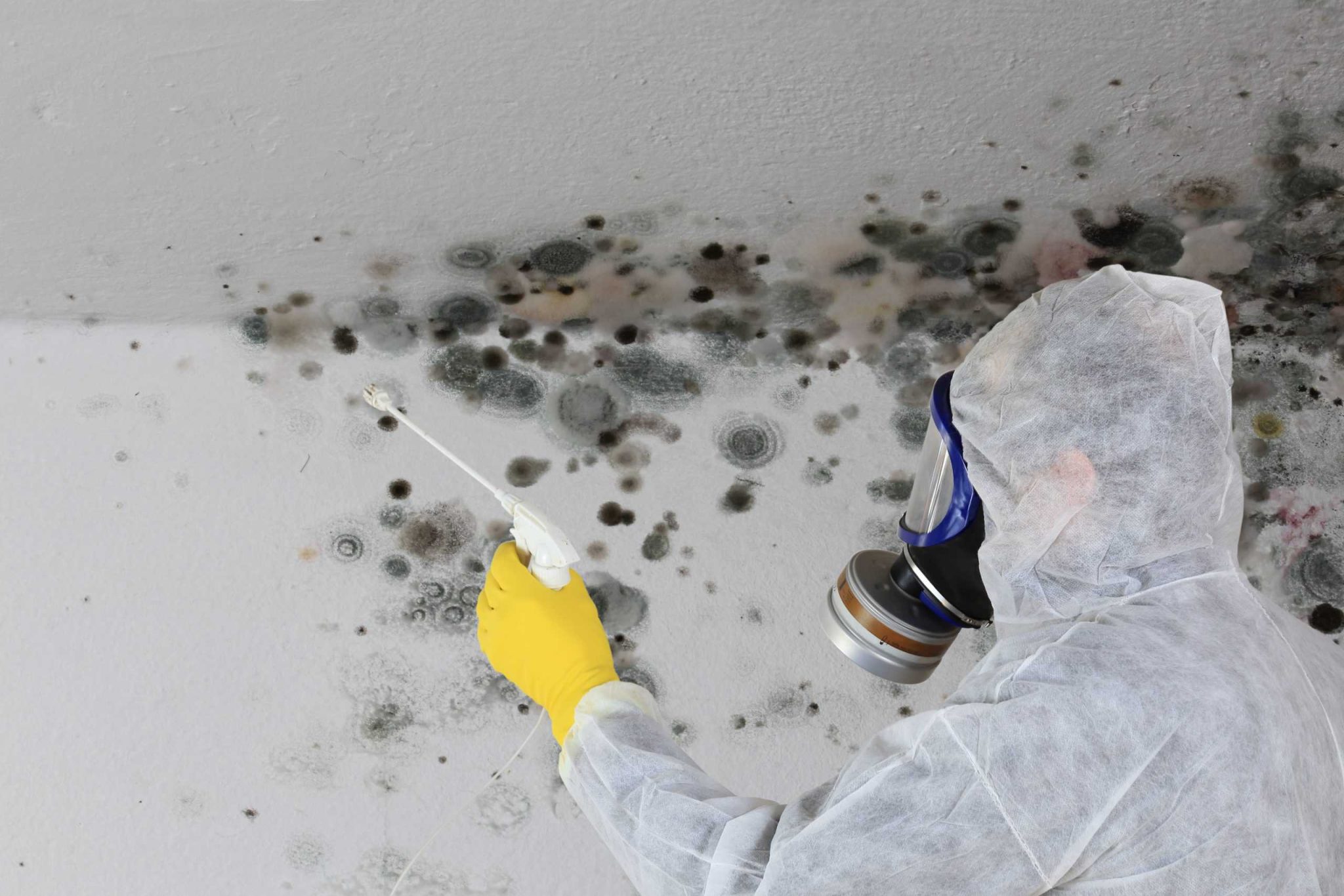
From there, our cleaning process uses professional-grade equipment negative air pressure systems and HEPA vacuums to remove debris, biological material, and mold from inside the duct system. This isn’t a shop vac run through the registers. Proper containment is in place so that anything pulled out of the ducts doesn’t redistribute into your living space. For homes where mold is confirmed, antimicrobial treatment follows the mechanical cleaning to address what the vacuum can’t reach.
The last step is the one most companies skip: verification. We test affected areas after the job to confirm the mold is actually gone not just cleaned around. For a community where a significant share of residents work from home full-time and are breathing that duct air for eight or more hours a day, that confirmation matters.
Ready to get started?
Air duct cleaning is the core of what we do, but it rarely stands alone in an Upper Black Eddy home. We also handle dryer vent cleaning and air duct sanitizing and in this area, both matter more than most people realize.
Dryer vent cleaning is a fire safety issue. The NFPA reports nearly 16,000 dryer-related house fires per year in the U.S., and failure to clean the vent is the leading cause. In older homes where the dryer vent may run a longer-than-standard distance through historic wall configurations common in the canal-era and farmhouse-style construction along River Road and Bridgeton Hill Road lint accumulation happens faster and the risk compounds. This isn’t optional maintenance.
Air duct sanitizing is a separate step from mechanical cleaning. Cleaning removes the physical debris and biological material. Sanitizing applies an antimicrobial treatment to what remains the surfaces inside the duct where mold spores can still cling after the visible contamination is gone. For homes near the Delaware Canal where moisture exposure is ongoing, sanitizing is the step that keeps the problem from coming back as quickly. We use environmentally friendly products throughout relevant in a community that sits within the Delaware River watershed and takes that seriously.
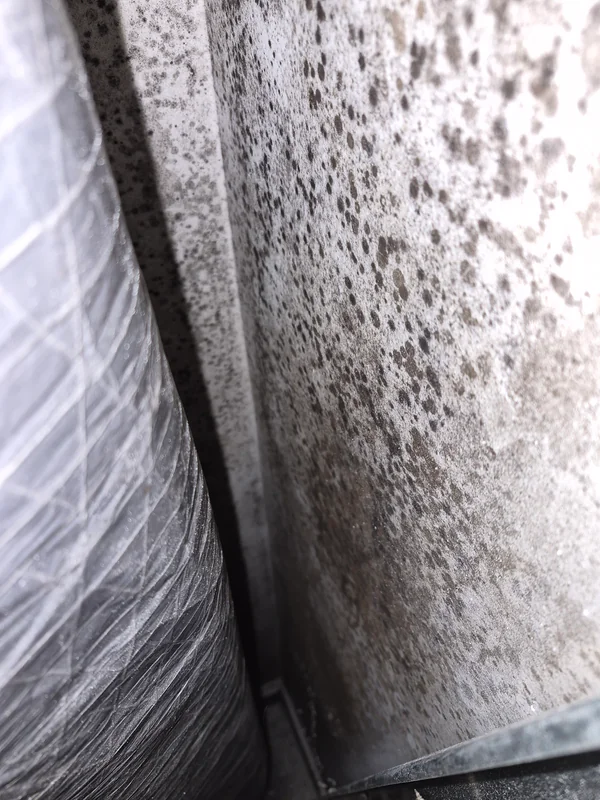
Yes, and it’s not a minor difference. Upper Black Eddy sits directly alongside the Delaware Canal, which runs through the village itself. That open water creates persistent ambient humidity not just during summer, but through much of the year. When your HVAC system pulls that moisture-laden air in and it contacts cooler metal duct surfaces, particularly in unconditioned crawl spaces or basements, condensation forms. Add organic debris that naturally accumulates inside ducts over time, and you have exactly the conditions mold needs to establish itself.
This is different from the risk profile of a home in a dry inland suburb. Homes along River Road and the surrounding area are dealing with a moisture baseline that doesn’t reset the way it does in less water-adjacent environments. That doesn’t mean every home has a mold problem in the ducts but it does mean the risk is real and worth inspecting, especially in older homes where ductwork wasn’t designed with modern moisture management in mind.
The most common sign is a musty or earthy smell that shows up specifically when your HVAC system runs not a general house smell, but something that kicks in when the air starts moving. You might also notice that allergy or sinus symptoms seem worse at home than they do outside, or that certain rooms feel stuffy even when the system is running. Visible discoloration near registers is another indicator, though by the time you can see it at the vent, the problem inside the duct is often more significant than what’s visible.
The only way to know for certain is an inspection. We offer free inspections, and for homes in the Upper Black Eddy area particularly older properties with crawl space ductwork that inspection involves looking at the full system, not just the registers you can see from the living room. If mold is suspected, samples are sent to a lab for analysis, which tells you exactly what you’re dealing with and informs the right approach for removing it.
This is one of the more common situations we encounter in the Upper Black Eddy area, where a portion of properties serve as seasonal retreats or second homes along the river. When an HVAC system sits idle for an extended period no airflow, no dehumidification, no circulation the interior of the ductwork becomes stagnant and damp. That’s the exact environment where mold colonizes quietly, without any visible sign from the outside.
When you restart the system after a long absence, the first thing that happens is that whatever accumulated in those ducts gets pushed through every room in the house. If the smell hits you the moment you turn the heat or AC on, that’s your answer. Even if you don’t notice an odor, an inspection before reoccupying a property that’s been sitting through a Pennsylvania winter or a humid Bucks County summer is a straightforward precaution and the free inspection means there’s no cost to getting that answer before you’re back living in the space full-time.
They’re two separate steps that address two different parts of the problem. Mechanical cleaning using professional equipment like negative air pressure systems and HEPA vacuums physically removes debris, dust, and biological material from inside the ductwork. That’s the cleaning. Sanitizing comes after, and it applies an antimicrobial treatment to the interior duct surfaces to address what the vacuum can’t fully reach: mold spores that cling to metal surfaces even after the visible contamination is gone.
In a home near the Delaware Canal, where ambient moisture exposure is ongoing rather than seasonal, sanitizing is the step that slows re-contamination. Cleaning alone removes what’s there now. Sanitizing reduces the likelihood that the same conditions produce the same result six months later. For homes with confirmed mold in the duct system, doing the mechanical cleaning without the sanitizing step is like treating the symptom and leaving the underlying surface untreated. We use environmentally friendly products for both steps important in a community that sits within the Delaware River watershed.
For most homes, a thorough professional air duct cleaning takes somewhere between four and six hours. That’s the industry standard for doing the job correctly both supply and return ducts, proper containment, and documentation of what was found. Rushing that timeline is a red flag; companies that advertise a full cleaning in under two hours are not doing the job the right way.
For older homes in Upper Black Eddy farmhouses, canal-era structures, properties on Bridgeton Hill Road with non-standard duct configurations the timeline can run toward the longer end of that range. Ductwork that was retrofitted into a structure not originally designed for it, or that runs through unencapsulated crawl spaces, takes more time to access and clean thoroughly than a standard modern system. The inspection at the start of the job gives a realistic picture of what the full process will require for your specific home, so there are no surprises about the scope of work before it begins.
It depends on what caused the contamination. Routine maintenance cleaning removing accumulated dust and debris from a system that’s simply aged is generally not covered by homeowners insurance. But when mold in the ductwork is connected to a covered event, such as water intrusion, a burst pipe, or flood-related moisture damage, there’s a reasonable basis to file a claim and have the remediation costs considered.
Upper Black Eddy sits within a Delaware River floodplain, and the area has a documented history of significant flood events the 1955 flood left the Upper Black Eddy–Milford Bridge under seven feet of water. Homes along River Road and the lower portions of the village have real flood exposure, and post-flood moisture in HVAC systems is a well-documented mold trigger. We work directly with insurance companies on claims, which means we handle the documentation and communication with your insurer rather than leaving you to navigate that process alone. If you’re unsure whether your situation qualifies, the free inspection is the right first step it establishes what’s present and what caused it.
Other Services we provide in Upper Black Eddy