
Hear from Our Customers
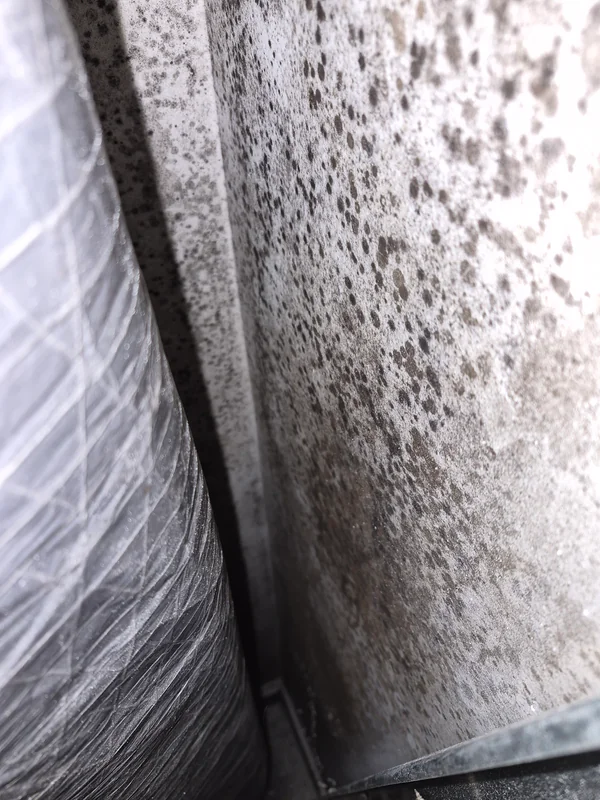
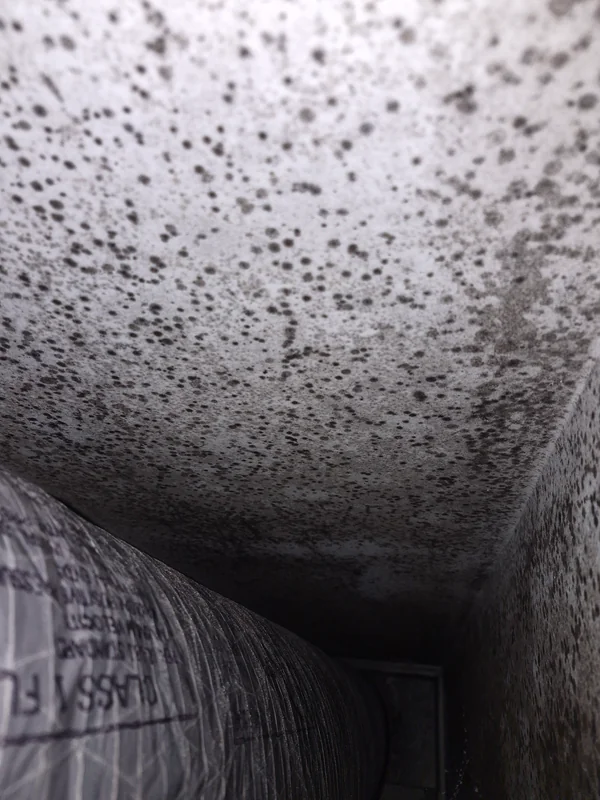
Most people don’t think about their air ducts until something forces them to a musty smell when the heat kicks on, allergy symptoms that won’t quit, or a mold issue somewhere else in the building that makes them wonder what’s hiding in the vents. By that point, the problem has usually been building for a while.
University City’s housing stock makes this especially common. The rowhouses and converted multi-family buildings throughout Spruce Hill, Powelton Village, and Cedar Park were built for steam radiators not the forced-air systems that were retrofitted into them over the decades. When landlords added central air and heating to these buildings, ductwork got routed through walls and ceilings that were never designed for it. That creates poor seals, condensation traps in sections you can’t see, and dead-air zones where moisture sits and mold takes hold quietly.
Add the Schuylkill River running along the neighborhood’s eastern edge which pushes ambient humidity higher than most parts of Philadelphia and you have conditions that accelerate mold growth inside ductwork year-round. After a proper cleaning and, where needed, air duct sanitizing to treat any biological contamination, the difference is real: no more musty smell when the system runs, fewer respiratory triggers circulating through every room, and documented proof that the job was actually done right.
We’ve been working in the Philadelphia metro area for over 15 years, including the specific building types you find throughout University City pre-war rowhouses, converted duplexes, aging multi-family rentals near the Penn and Drexel campuses. This isn’t expertise learned from a manual.
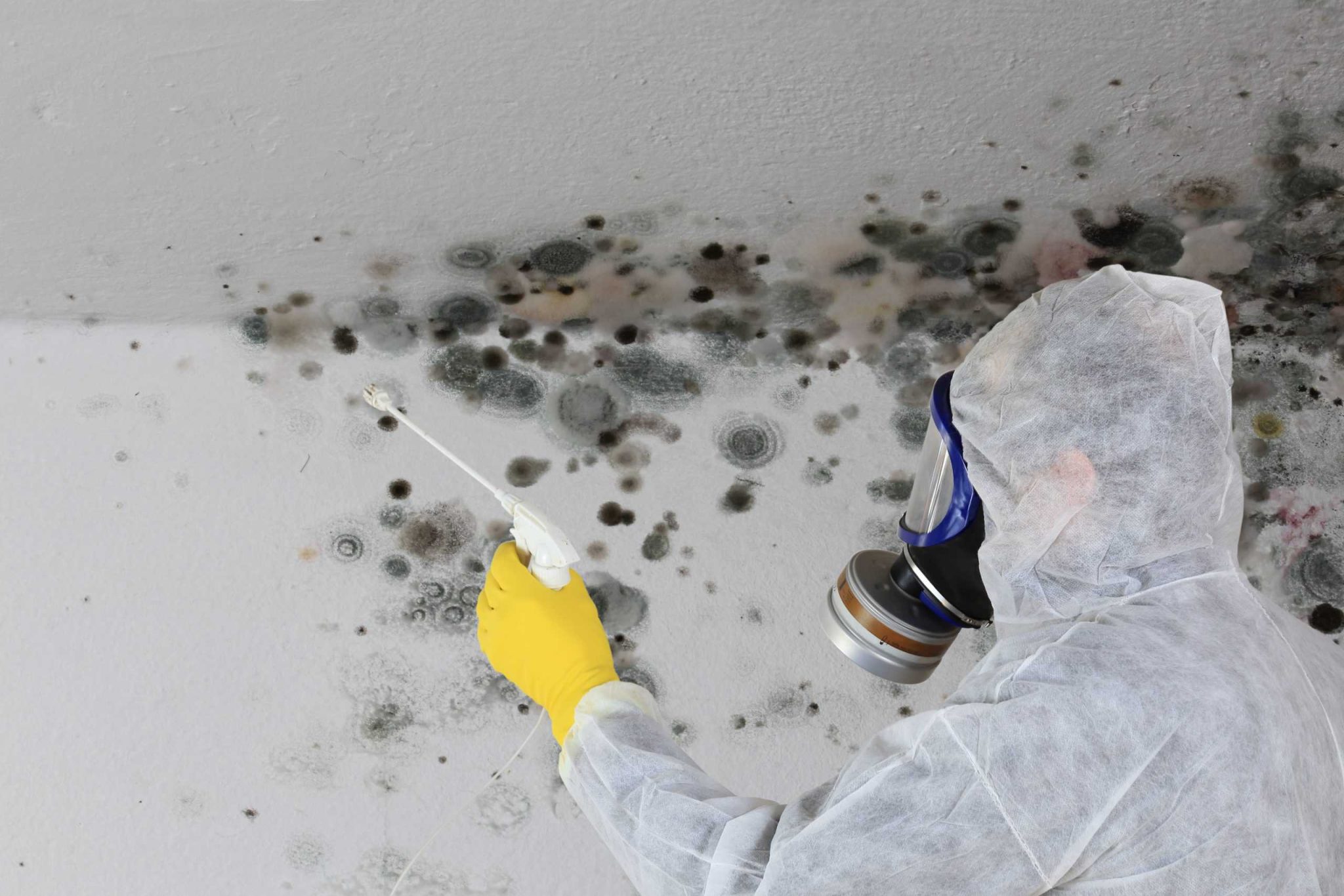
What separates us from a standard HVAC cleaning service is our mold remediation background. When a general duct cleaner runs into mold inside a duct system, they’re often not equipped to contain it or treat it properly and disturbing mold without containment protocols spreads spores to every room the system connects to. We bring certified mold remediation expertise to every air duct cleaning job in University City, which means if mold is found, it gets handled correctly on the spot.
The work is backed by post-service verification testing not just a handshake at the door. We test after the job to confirm the contamination is gone, and that documentation matters whether you’re a tenant dealing with a landlord dispute or a property manager who needs a compliance record under Philadelphia’s mold habitability requirements.

It starts with a free inspection. Before any cleaning begins, we assess the duct system using thermal imaging and moisture meters, not just a flashlight to identify where contamination actually is. In University City’s older buildings, that matters more than it does in a newer suburban home. Moisture accumulates in sections of ductwork that run through uninsulated exterior walls or that were poorly sealed during a building conversion. A visual check alone won’t find those zones.
Once the inspection is complete, you get upfront pricing before any work starts. The number you’re quoted is the number you pay no surprises, no upsells after the technician is already in the building. For buildings with shared ductwork across multiple units, we map the system first to understand what’s connected to what before any mechanical cleaning begins. This is especially important in the converted multi-family buildings common near the university campuses, where disturbing one section of a shared system without a plan can affect multiple tenants.
The cleaning itself uses professional-grade equipment negative air pressure systems and HEPA vacuuming that pulls contaminants out of the duct system rather than pushing them around. If mold is present, containment goes up before anything is disturbed. After cleaning, air duct sanitizing can be applied to treat any remaining biological contamination. Then we test the affected areas to verify the results. You get documentation of what was found, what was done, and what the post-service testing confirmed.
Ready to get started?
Air duct cleaning is the core service, but it’s rarely the whole picture in University City. We also handle dryer vent cleaning which in a dense rowhouse neighborhood is a genuine fire safety issue, not just routine maintenance. The NFPA tracks roughly 15,970 dryer-related house fires per year, and failure to clean the dryer vent is the leading cause. In tightly packed rowhouse blocks where buildings share walls, a fire that starts in one unit moves fast. Long, routed dryer vent runs common in buildings where the laundry setup was added after original construction are especially prone to lint buildup that standard tenants never think to check.
For properties with confirmed or suspected mold in the HVAC system, air duct sanitizing is available as a follow-up to mechanical cleaning. Sanitizing applies an antimicrobial treatment to the interior duct surfaces after the physical debris has been removed. It’s a different step from cleaning, and in University City’s older, higher-humidity buildings, it’s often the step that prevents mold from returning quickly.
We work directly with insurance companies when the situation calls for it, and financing is available for jobs where the scope is larger than expected. For landlords managing multiple University City units, we can document findings per unit useful when you need records for a habitability inspection or a tenant dispute. Our 24/7 availability means you’re not waiting days for a callback when a mold problem surfaces mid-week and a tenant is already filing a complaint.

The most common sign is a musty or stale smell that appears specifically when the heating or cooling system kicks on and then fades once the air settles. That’s the duct system distributing whatever is sitting inside it. Other signs include visible dark discoloration or staining around the vent registers, worsening allergy or respiratory symptoms that seem worse at home than anywhere else, or a history of water damage, leaks, or flooding in the building.
In University City’s older rental buildings, mold in HVAC systems is more common than most tenants realize. Buildings converted from single-family to multi-unit housing often have ductwork that runs through poorly insulated or inadequately sealed sections of the building envelope. Condensation builds up in those zones over time, especially during Philadelphia’s humid summers, and mold follows. The only way to know for certain is a professional inspection we offer free inspections in University City, so there’s no cost to finding out before you commit to anything.
Philadelphia’s housing code requires landlords to maintain rental units in habitable condition, which includes adequate ventilation and functioning HVAC systems. As of 2026, Philadelphia mold laws specifically require landlords to address mold problems within 30 days of receiving written notice from a tenant. If you’ve reported a musty smell, visible mold near vents, or respiratory symptoms you believe are connected to the HVAC system, putting that notice in writing starts the clock.
Getting an independent inspection is the most useful step you can take before escalating anything. We can inspect the duct system and provide a written report of what was found that documentation gives you something concrete to bring to your landlord or, if needed, to the City of Philadelphia’s Department of Licenses and Inspections. A landlord saying “it’s fine” carries a lot less weight when a certified mold inspector’s report says otherwise. We work with tenants and landlords throughout University City regularly, and the documentation process is built to hold up in exactly these situations.
Yes, and it’s more significant than most people expect. Active construction sites generate elevated levels of ambient dust, drywall particulates, concrete dust, and fine debris in the surrounding outdoor air. That air gets pulled into existing buildings through HVAC intake vents, gaps in aging building envelopes, and open windows and it accumulates inside ductwork over time. The Schuylkill Yards project, the uCity Square development, and the ongoing CHOP campus expansion have made University City one of the most active construction zones in Philadelphia, and that’s been the case for several years running.
For residents in buildings along the I-76 corridor or within a few blocks of the major project sites, the contamination inside their duct systems is likely worse than it would be in a quieter part of the city. Construction-specific particulates especially fine concrete and drywall dust are harder on respiratory systems than ordinary household dust, and they don’t clear out on their own once they’ve settled into ductwork. If you’ve been living near an active construction site for the past year or two and haven’t had your ducts cleaned, it’s worth getting an inspection.
The general industry recommendation is every three to five years for a typical home, but that baseline doesn’t really account for what University City’s older buildings deal with. Pre-war rowhouses and converted multi-family buildings have HVAC systems that were retrofitted into structures not originally designed for them. That means more gaps, more condensation-prone sections, and more places where debris and moisture accumulate faster than they would in a newer, purpose-built home with properly sealed ductwork.
In practice, if you’re moving into a University City apartment and don’t know when the ducts were last cleaned or if they ever were that’s reason enough to schedule an inspection. The same applies after any significant water event in the building, after a neighboring unit has had mold remediated, or if the building has been through a renovation that generated dust and debris. Philadelphia’s humid summers also push the timeline; mold can establish itself in ductwork faster during the cooling season when condensation on evaporator coils is a regular occurrence. When in doubt, a free inspection gives you an honest baseline without committing to anything.
Air duct cleaning is the mechanical process using professional-grade equipment to physically remove dust, debris, mold spores, and other contaminants from inside the duct system. Air duct sanitizing is a separate step that comes after cleaning: an antimicrobial treatment is applied to the interior duct surfaces to kill any remaining biological contamination that the mechanical cleaning alone may not have fully addressed.
Whether you need both depends on what’s actually in your ducts. If the inspection finds significant mold growth or biological contamination, sanitizing is strongly recommended cleaning removes the bulk of the material, but sanitizing treats the surface itself so mold doesn’t re-establish quickly. In University City’s older buildings, where humidity levels are higher than average and ductwork often runs through poorly insulated sections of the building, mold tends to return faster if only the mechanical cleaning step is done. For buildings near the Schuylkill River where ambient moisture is elevated year-round, sanitizing is frequently the step that makes the difference between a one-time fix and a recurring problem.
In buildings with shared or connected ductwork which is common in University City’s converted multi-family rowhouses and duplexes yes, this is a real risk. When a single HVAC system serves multiple units through a shared duct network, mold that originates in one section of that system can travel through the connected ducts and distribute spores to every unit the system reaches. Every time the system runs, it’s effectively circulating whatever is in the shared ductwork to all connected spaces.
This is one of the reasons why mold remediation expertise matters more than basic duct vacuuming in these buildings. A general duct cleaner working in one unit without understanding the full system layout can disturb mold in a shared section and spread it further rather than containing it. We map the duct system before any work begins in multi-unit buildings, identify all connected sections, and apply proper containment before disturbing any contaminated areas. For landlords managing multiple University City units, this approach also means the inspection and cleaning documentation covers the full system not just the one unit a tenant complained about.
Other Services we provide in University City