

Hear from Our Customers
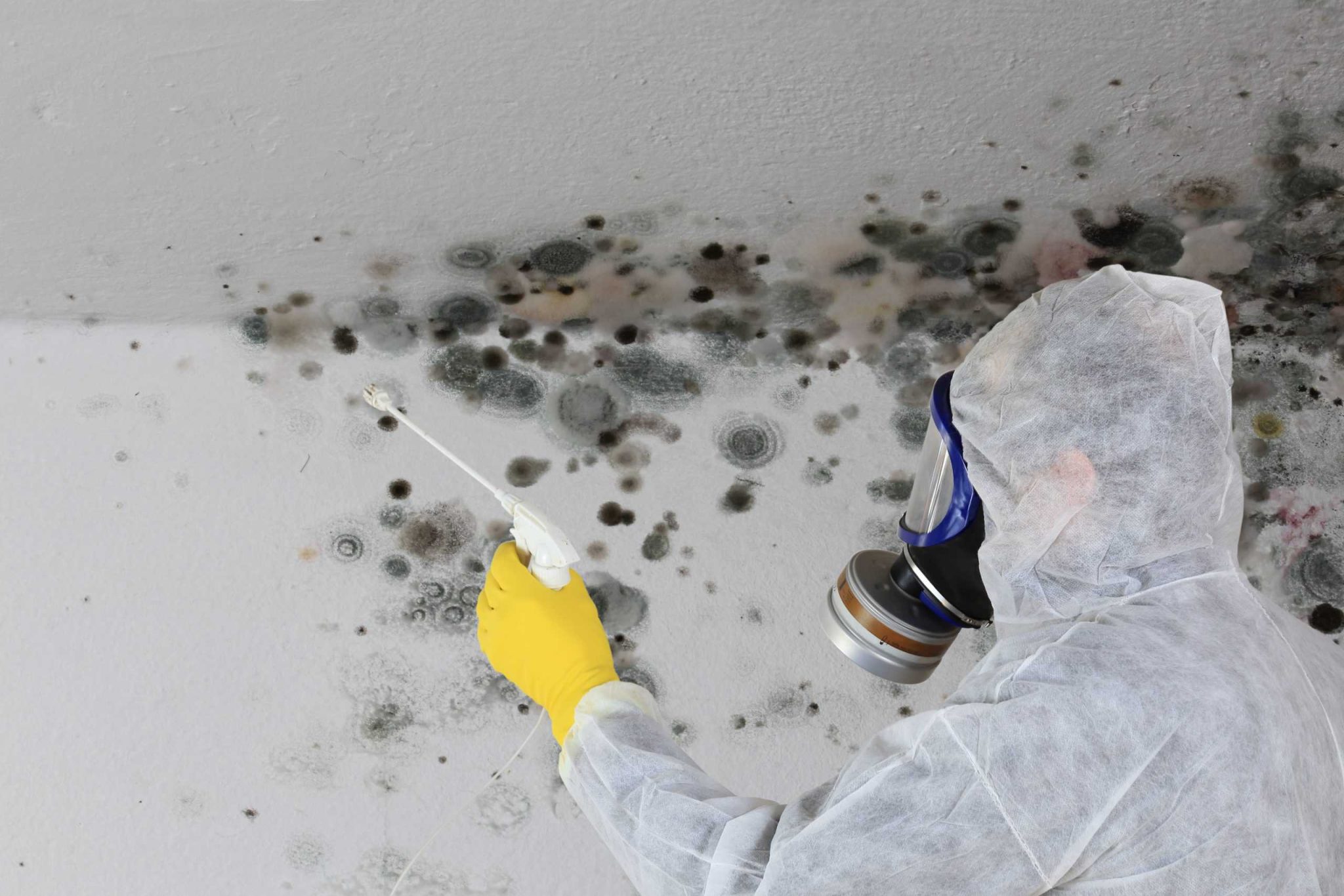
Most people don’t think about their ductwork until something feels wrong a musty smell when the heat comes on, allergy symptoms that won’t quit, or a family member who keeps getting sick and nobody can figure out why. When you get this right, those things stop being a mystery.
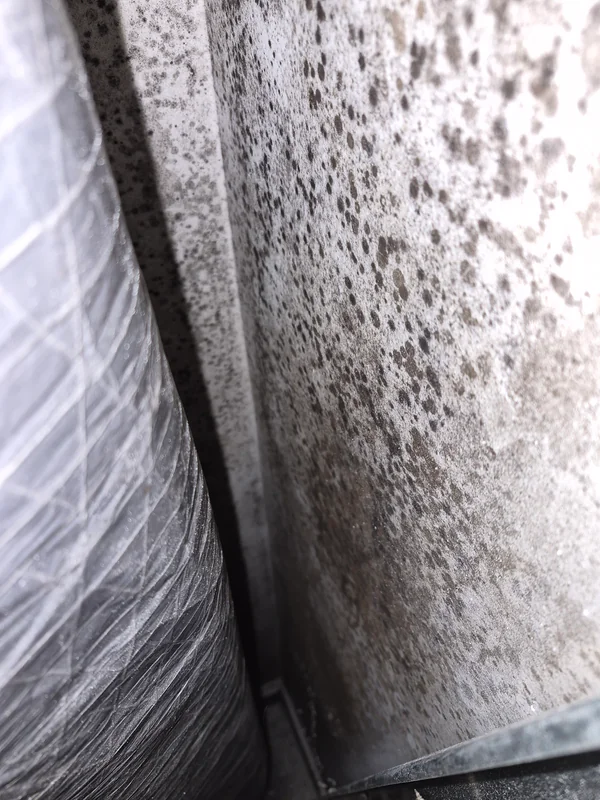
For Tacony homeowners specifically, the stakes are higher than average. The neighborhood sits right on the Delaware River, and that riverfront exposure creates elevated ambient humidity year-round especially during Philadelphia’s hot, sticky summers when your AC is running constantly. Condensation builds up inside ductwork and on evaporator coils. That’s exactly the environment where mold grows, and once it’s in your system, every time the HVAC runs, it’s moving through every room in your house.
Add in the fact that most Tacony homes were built before 1939 before vapor barriers, before modern ventilation codes, before anyone designed these structures around forced-air systems and you’ve got ductwork that was retrofitted into a building that was never meant for it. Narrow floor plans, long duct runs, stagnant air zones far from the returns. When we clean those ducts properly and address any mold at the source, we’re not just improving air quality in the abstract. We’re removing something that was actively circulating through your home every single day.
We’re based in Bensalem a short drive up I-95 from Tacony and have been doing this work for over 15 years. Philadelphia County is part of our regular service area, which means we understand what Northeast Philadelphia housing stock actually looks like on the inside: brick basements, retrofitted ductwork, shared walls between rowhouses, and moisture conditions that a company based further out might not account for.
What sets us apart from a general duct cleaning crew isn’t the equipment it’s the mold remediation background. When a technician knows how mold grows, where it hides in an HVAC system, and what happens if you disturb it without proper containment, the job gets done differently. You’re not just getting a vacuumed-out duct. You’re getting a certified inspection, lab-tested results when needed, and post-cleaning verification that the problem is actually gone.
Inspections are free. Pricing is given upfront before any work starts. That’s not a marketing line it’s how we’ve kept customers coming back and referring their neighbors for over a decade.

It starts with a free inspection. Before we quote you a price or recommend a service, a certified inspector looks at your system the ducts, the registers, the HVAC unit itself and tells you honestly what’s there. In Tacony rowhouses, that inspection includes the areas general duct cleaners tend to overlook: the tight bends in retrofitted ductwork, the sections near the basement where moisture from a brick foundation tends to accumulate, and the return air zones that are often farthest from the living space in a long, narrow floor plan.
If mold is found, our approach changes from a standard cleaning to a remediation protocol. That means containment first so spores aren’t disturbed and pushed into the rest of the house followed by mechanical cleaning with professional-grade equipment, and then treatment with environmentally safe products. This matters especially in attached rowhouses, where shared masonry walls with your neighbors mean a mold problem that isn’t properly contained can spread beyond your unit.
After the work is done, we test the affected areas to confirm the mold is gone. Not just a visual check actual verification. If your situation involves an insurance claim, whether from a storm, a water main break, or flooding near the Tacony-Palmyra Bridge corridor, we work directly with insurance companies so you’re not navigating that process alone.
Ready to get started?
Air duct cleaning is the core of what we offer, but it rarely exists in isolation. For Tacony homeowners who’ve had any water event a basement flood, storm damage, or one of the water main breaks that have hit the neighborhood on Tulip Street and Princeton Avenue in recent years mold remediation and duct cleaning often need to happen together. Treating the ducts without addressing the source, or vice versa, leaves the problem half-solved.
Dryer vent cleaning is another service that matters more in this neighborhood than people realize. Rowhouse basement laundry setups typically mean long dryer vent runs with multiple bends and aging ductwork exactly the configuration that the NFPA identifies as the leading cause of dryer-related house fires. With nearly 16,000 dryer fires occurring in the U.S. every year, and the vast majority tied to vents that haven’t been cleaned, this isn’t optional upkeep.
Air duct sanitizing is available as a follow-up step after mechanical cleaning applying antimicrobial treatment to the interior of the duct system to address any remaining biological contamination. This is particularly relevant after a confirmed mold event in a home where humidity levels are structurally elevated due to the riverfront location or the age of the construction. We offer flexible financing if you need to spread the cost, and we handle insurance coordination when a claim is involved.
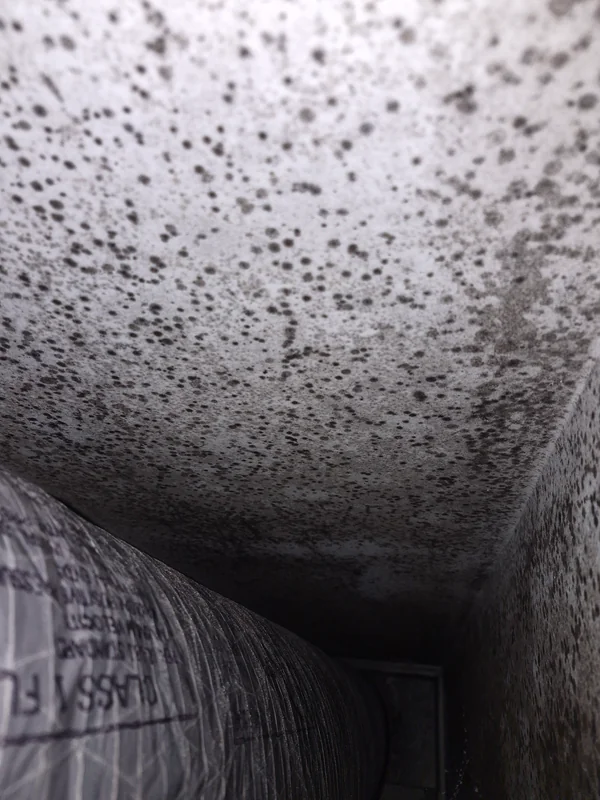
The most common sign is a musty smell that shows up specifically when your HVAC system kicks on not just in one room, but throughout the house. That’s a strong indicator that something biological is growing inside the duct system and getting distributed every time air moves through it. Other signs include visible discoloration around registers or near vents, worsening allergy or respiratory symptoms indoors that improve when you leave the house, or a history of water intrusion in the basement or walls.
In Tacony specifically, the combination of Delaware River humidity and pre-1939 construction without vapor barriers makes this more common than homeowners expect. If your home has had any flooding even minor basement seepage after a heavy storm the conditions for mold growth in your HVAC system were likely present. The only way to know for certain is a professional inspection with lab testing of any samples found. We offer free inspections, so there’s no cost to getting an honest answer before you commit to anything.
Yes, and in a Tacony rowhouse this happens faster than people expect. Your HVAC system is the circulatory system of the entire home. When mold establishes itself anywhere in the duct network even in one section near the basement every heating and cooling cycle pulls air across that contaminated surface and distributes spores to every room the system reaches. In a Tacony rowhouse with a long, narrow floor plan and ductwork running the length of the building, that means the whole house is affected, not just the area where the mold started.
There’s also the shared-wall factor unique to attached rowhouses. Mold doesn’t always start in your unit. It can migrate through shared masonry walls from a neighboring property that had a water event you didn’t even know about. If you’re noticing symptoms but can’t identify a source inside your own home, that’s worth investigating. Leaving it alone doesn’t stabilize the situation it gives the mold more time and more surface area to grow while your HVAC continues to do the distribution work for it.
It’s a fair question, and the honest answer is: it depends on your situation. The EPA’s position is nuanced they don’t recommend routine duct cleaning as a blanket practice for every home on a fixed schedule. But they do explicitly recommend it when mold is confirmed in the duct system, when there’s been a pest or rodent infestation, or when significant debris is blocking airflow. Those aren’t edge cases in Tacony they’re common outcomes of older housing stock, riverfront humidity, and the kind of water events this neighborhood has seen.
Where it becomes a bad deal is when a company charges $99 to “clean your ducts” and then upsells you on everything once they’re inside. That’s a documented scam pattern in the Philadelphia market, and it’s worth knowing about before you call anyone. A legitimate cleaning takes four to six hours for most homes and costs what it costs upfront, in writing, before work starts. If a company won’t give you a written quote before touching your system, that’s your answer.
They’re two different steps that address two different problems. Cleaning is the mechanical process removing physical debris, dust, biological matter, and buildup from inside the duct system using professional-grade equipment. Sanitizing comes after, and it involves applying an antimicrobial treatment to the cleaned duct surfaces to kill any remaining mold spores, bacteria, or other biological contaminants that mechanical cleaning alone doesn’t eliminate.
Whether you need both depends on what’s found during the inspection. If the ducts are dusty and haven’t been cleaned in years but there’s no confirmed mold, cleaning alone may be sufficient. If mold is present which is a real possibility in Tacony homes given the combination of riverfront humidity, aging construction, and retrofitted ductwork sanitizing after the mechanical cleaning is the step that actually prevents regrowth. Skipping it after a mold event is like treating a wound without disinfecting it. The surface looks clean, but you haven’t addressed what’s still there at the microbial level.
The general industry guidance is every three to five years for a typical home, but that baseline assumes a home without elevated moisture exposure, recent water events, or a history of mold. For a Tacony rowhouse built before 1939, sitting near the Delaware River, with brick basement construction and no original vapor barrier that interval is a starting point, not a firm rule.
If your home has had any flooding, a water main break nearby, or storm damage that brought moisture into the structure, the clock resets. Those events create the conditions for mold growth in the HVAC system even if the visible damage was addressed. Similarly, if you’ve had mold remediated elsewhere in your home basement walls, crawl space, bathroom the ducts should be inspected as part of that process, not treated as a separate issue. The HVAC system connects every room, which means it’s often the last place checked and the first place a problem reappears.
Yes we serve Philadelphia County as part of our regular service area, and Tacony is a straightforward trip up I-95 from our Bensalem base. This isn’t a situation where you’re calling a regional call center and waiting to see if someone covers your zip code. We’re genuinely local to Northeast Philadelphia’s geography and have been working in this part of Pennsylvania for over 15 years.
On response time: We operate 24/7 for emergency situations, and customers have specifically noted in reviews that we showed up the next day after a Friday call. If you’ve noticed a mold smell from your vents, had a recent water event, or are dealing with something that can’t wait, our response time reflects that. The free inspection means you’re not paying anything to find out what’s actually going on you get an honest assessment first, then decide what to do from there. If your situation involves an insurance claim related to water damage or storm flooding, we handle that coordination directly so you’re not caught between your insurer and your contractor.
Other Services we provide in Tacony