

Hear from Our Customers
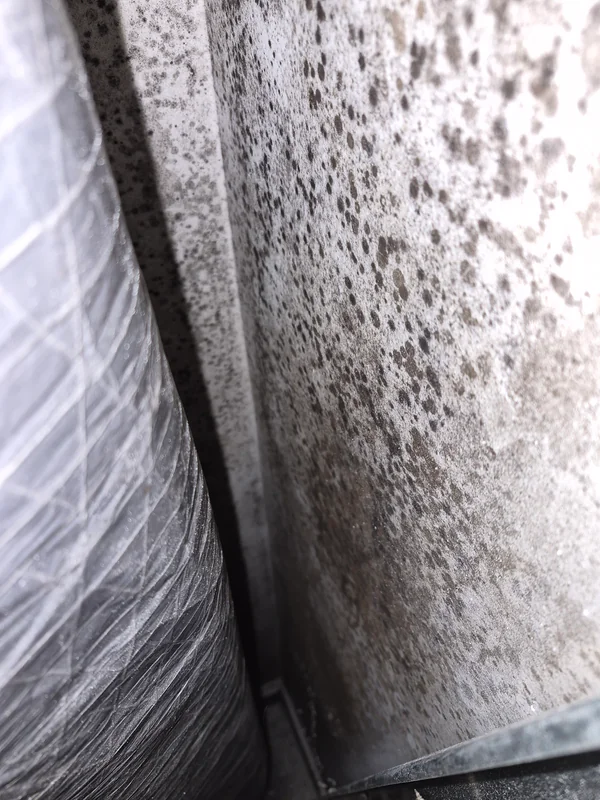
When a furnace or air handler sits in a damp Sellersville basement the kind with stone foundations that wick groundwater year-round the ductwork above it is never really dry. Every time your system runs, it pulls air from that environment and pushes it through every room in the house. Most homeowners don’t connect a wet basement to a musty smell coming from the vents. But that’s exactly how it works.
We don’t just remove dust. We find out whether mold has established itself inside the system, contain it correctly so it doesn’t spread during the cleaning process, and verify afterward that it’s actually gone. That last part post-cleaning verification is something most duct cleaners skip entirely.
For families in Sellersville’s older attached homes and Craftsman twins, where a neighbor’s damp basement can contribute moisture to your side of the building through shared masonry, this level of thoroughness isn’t optional. It’s the difference between solving the problem and temporarily masking it. After a proper cleaning with us, you’ll have documentation of what was found, what was done, and confirmation that the air moving through your home is clean.
We’ve been serving Bucks County for over 15 years, and Sellersville is active service territory not a zip code added to a map. We already have mold inspection and mold removal history in the borough, which means we understand what we’re walking into when we arrive at a pre-war twin off Market Street or a converted row home near Grand View Health.
What separates us from a general duct cleaning company isn’t just the equipment it’s the certification. We’re trained mold remediation specialists who know how to identify mold inside ductwork, contain it properly before cleaning begins, and test the space afterward to confirm the problem is resolved. That’s not something a standard HVAC cleaning crew is equipped to do.
We work directly with homeowner’s insurance companies when mold-related claims are involved, and flexible financing is available for larger scopes of work. If you’ve had basement water intrusion after a heavy rain along the East Branch of the Perkiomen Creek corridor, and you’re not sure whether your HVAC system was affected, a free inspection is the right first step.
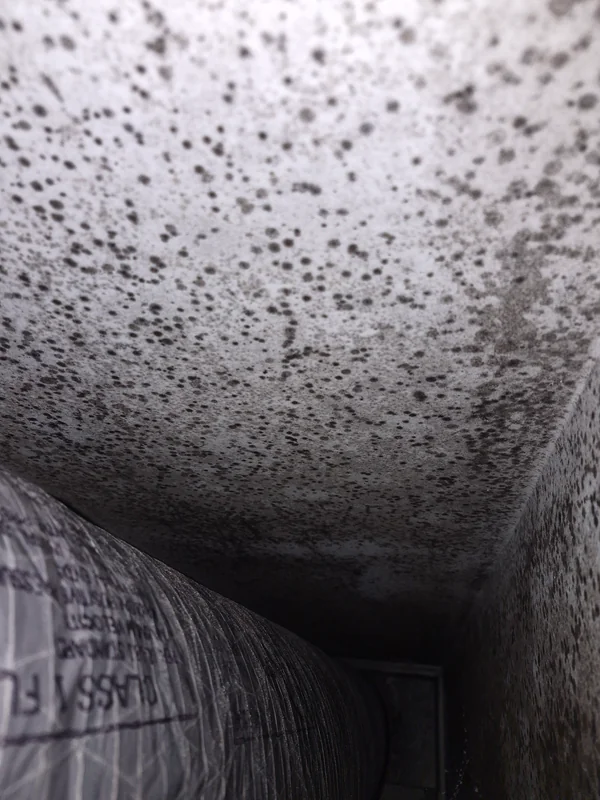
It starts with a free inspection. Before any cleaning begins, we assess the system the ductwork, the air handler, and the surrounding environment. In Sellersville homes, that means paying close attention to basement conditions. Stone foundations, older block walls, and proximity to the East Branch of the Perkiomen Creek all affect how much moisture the system has been exposed to. If mold is present, you’ll know before any work begins, not after.
If mold is confirmed in the ductwork, the cleaning process includes proper containment sealing off the affected zones so that disturbing the mold doesn’t spread spores to the rest of the house. This is the step that general duct cleaners skip, and it’s the step that matters most in a Sellersville home where the HVAC system connects every room. Mechanical cleaning removes the physical debris and biological growth from both supply and return ducts. If the situation warrants it, air duct sanitizing applying an antimicrobial treatment after mechanical cleaning is available as an additional step to address any remaining biological contamination.
Once the work is complete, we test the affected areas to confirm that mold levels are back to normal. You receive documentation of the results. In older Sellersville homes where moisture conditions are ongoing not a one-time event that post-cleaning clearance gives you a factual baseline to work from going forward. Dryer vent cleaning is also available and is especially relevant in pre-war homes where laundry areas were retrofitted into spaces with longer, less direct vent runs than modern construction allows.

Ready to get started?
We offer air duct cleaning, HVAC duct cleaning, air duct sanitizing, dryer vent cleaning, and post-remediation air quality testing all in Sellersville and throughout Bucks County. There are no named packages or preset tiers. The scope of work is determined by what the inspection actually finds, which is the only honest way to approach a home where conditions vary this much from property to property.
In Sellersville specifically, the combination of pre-1940s housing stock, stone-foundation basements, and the borough’s position along the East Branch of the Perkiomen Creek creates HVAC mold conditions that don’t respond to a one-size-fits-all cleaning approach. A 1920s Craftsman twin on the East Sellersville side of the borough has different moisture dynamics than a mid-century detached home on the western end. We account for those differences rather than running the same routine on every job.
Mold samples are sent to a lab for analysis, not just assessed visually on-site. That matters when you’re dealing with a home where the moisture source may be ongoing groundwater seeping through a stone foundation doesn’t stop between service visits. Knowing what species of mold you’re dealing with and whether levels are within normal range after cleaning is information you should have. We provide it. Financing is available if the full scope of inspection, remediation, and duct cleaning adds up to more than you can absorb at once, and we work directly with insurance companies when claims are applicable.
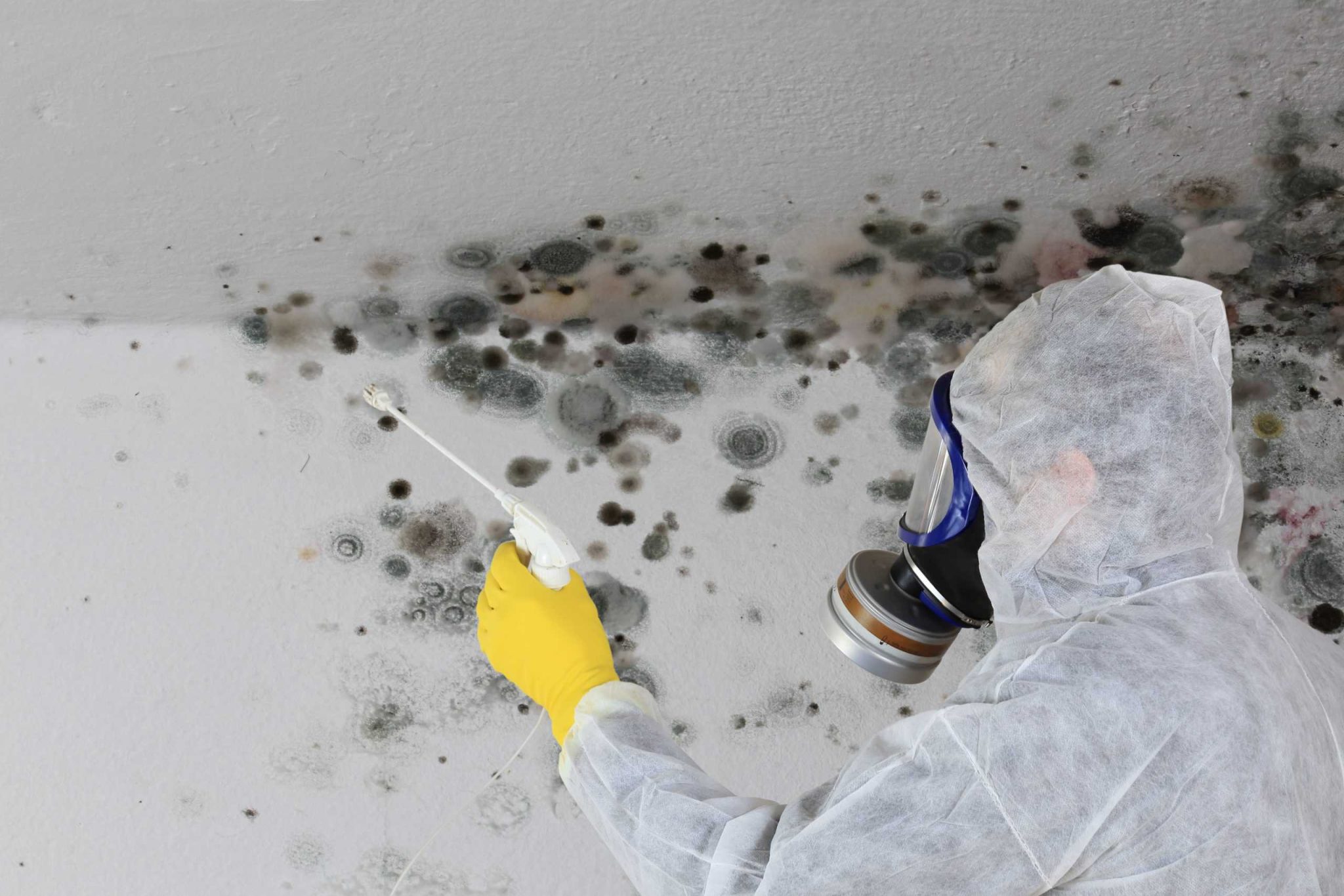
The most common sign is a musty smell that appears or intensifies when your HVAC system kicks on especially the first time you run the heat in the fall or the AC in early summer. In Sellersville’s older homes, that smell often gets blamed on the basement or the walls, but the ductwork is frequently the actual source because the system has been drawing humid air from a damp basement environment for months or years.
Other signs include visible discoloration around supply registers, worsening allergy or respiratory symptoms when you’re inside the house compared to outside, or a history of basement water intrusion even minor seepage, not just a full flood. If your Sellersville home is one of the pre-war attached houses near Market Street or East Sellersville, and you’ve never had the ducts inspected, the honest answer is that you probably don’t know what’s in there. A free inspection with us is the only way to find out with certainty, because mold in ductwork grows in sections you can’t see from the register.
This is one of the most important questions to ask before you hire anyone. A standard duct cleaning company uses vacuum equipment to remove dust and debris but if mold is present in the ductwork, vacuuming without proper containment can actually spread spores throughout the house rather than remove them. The negative pressure and airflow involved in duct cleaning will disturb mold colonies and push spores into rooms that weren’t previously affected.
We approach the job differently. Containment is established before cleaning begins. The affected sections are isolated so that the cleaning process doesn’t become a distribution mechanism. After the work is done, post-cleaning testing confirms that mold levels are back to normal rather than just relocated. In Sellersville, where a significant portion of the housing stock has the kind of persistent basement moisture that feeds ongoing mold growth in ductwork, hiring a general duct cleaner to address a mold problem is a bit like treating a symptom without identifying the cause. We handle both.
Industry guidance typically suggests every three to five years for a standard home, but that timeline assumes relatively stable indoor conditions. In Sellersville’s older housing stock particularly the pre-1940s homes with stone foundations and converted heating systems the conditions are rarely stable. Stone foundations wick groundwater continuously, not just after a storm. If your home has a history of basement dampness or you’ve had any water intrusion events near the East Branch of the Perkiomen Creek, waiting five years between inspections is probably too long.
A more useful approach is to have the system inspected after any significant moisture event a basement flood, a plumbing leak, or even a period of sustained high humidity rather than following a fixed calendar. We can assess the current state of your ductwork during a free inspection and give you a realistic sense of whether cleaning is warranted now or whether monitoring makes more sense. The goal is to clean when there’s a genuine reason to, not on a schedule that was designed for homes with none of Sellersville’s specific moisture challenges.
They’re two separate steps that serve different purposes. Air duct cleaning is the mechanical process using specialized equipment to physically remove dust, debris, and biological growth from inside the ductwork. It addresses what’s physically present in the system. Air duct sanitizing is what happens after the mechanical cleaning: an antimicrobial treatment is applied to the interior surfaces of the ducts to eliminate any remaining biological contamination that the cleaning process couldn’t fully remove.
When mold is involved, sanitizing is often the step that makes the difference between a thorough job and an incomplete one. Mechanical cleaning removes the visible and accessible mold, but in older ductwork the kind common in Sellersville homes that have been through multiple heating system conversions there are surfaces and seams where mold can persist even after a good cleaning. The antimicrobial treatment addresses those areas. We’ll tell you during the inspection whether sanitizing is warranted based on what’s actually found, rather than automatically adding it to every job regardless of conditions.
Yes, and sooner rather than later. When a basement floods or takes on significant groundwater which is a documented risk for properties near the East Branch of the Perkiomen Creek the moisture doesn’t just affect the floor and walls. If your furnace or air handler is in that basement, it has been operating in an elevated-humidity environment for however long it took to fully dry out. In many Sellersville basements with stone foundations, “fully dry” is a relative term the foundation continues to allow moisture vapor through the wall even after standing water is gone.
Mold can begin growing inside ductwork within 24 to 48 hours of sustained elevated humidity. By the time summer arrives and you’re running the AC daily, a mold colony that established itself in the ductwork after a spring flood event has had months to grow. The fact that you don’t smell it immediately doesn’t mean it isn’t there mold in interior duct sections often isn’t detectable until the system is running at full capacity and pushing air through contaminated areas. A post-flood inspection with us is the only way to know for certain what happened to your system after that water event.
It’s a legitimate fire safety concern, not a service add-on designed to inflate a bill. The National Fire Protection Association reports roughly 15,970 dryer-related house fires per year in the United States, and failure to clean the dryer vent is the leading cause. Lint accumulates in the vent over time, restricts airflow, and creates a heat buildup that can ignite.
In Sellersville’s pre-war housing stock, dryer vent cleaning is arguably more important than in newer construction. These homes were not designed with dryers in mind. When laundry areas were retrofitted into basement corners or utility rooms in older row homes and twins, the vent routing was often improvised longer runs, more bends, and older flexible duct materials that accumulate lint faster than modern rigid installations. In a closely built neighborhood where homes share walls and sit on 25-foot lots, a dryer fire is not a contained problem. If your home is one of the older attached properties in Sellersville and you’ve never had the dryer vent cleaned, or you can’t remember the last time it was done, it’s worth having us take a look when we’re already on-site for a duct cleaning or mold inspection.
Other Services we provide in Sellersville