
Hear from Our Customers
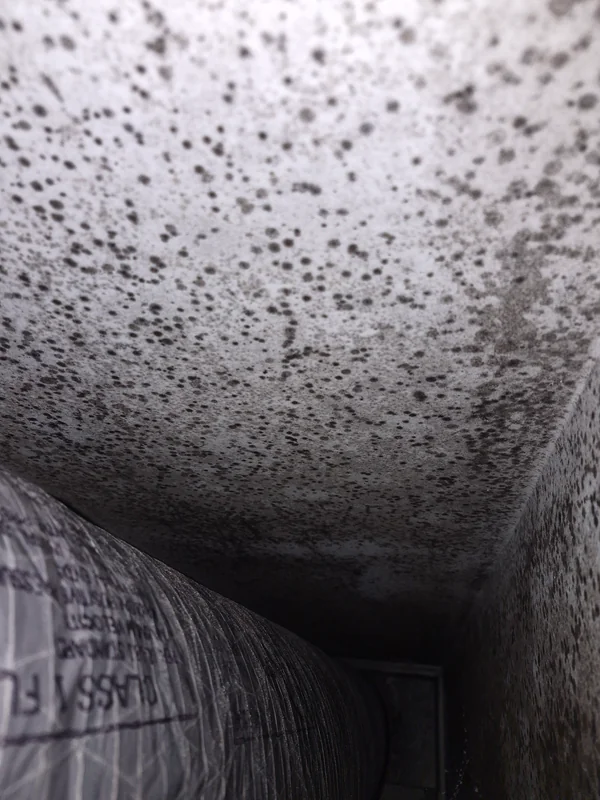
Most Rittenhouse Square residents don’t think about their ductwork until they notice a musty smell every time the AC kicks on or until allergy symptoms that started after a move-in never quite go away. By the time you’re noticing those signs, the problem inside the system is usually well established.
Here’s what makes this neighborhood different: the majority of residential buildings along Walnut Street, Locust Street, Spruce Street, and the streets surrounding the square were built before 1939. Forced-air HVAC didn’t exist when those buildings went up. The ductwork was retrofitted later, running through wall cavities and structural voids that had been accumulating dust, debris, and biological material for decades before a single duct was ever installed. Cleaning those systems isn’t the same job as cleaning a duct run in a 2005 suburban build and it shouldn’t be treated that way.
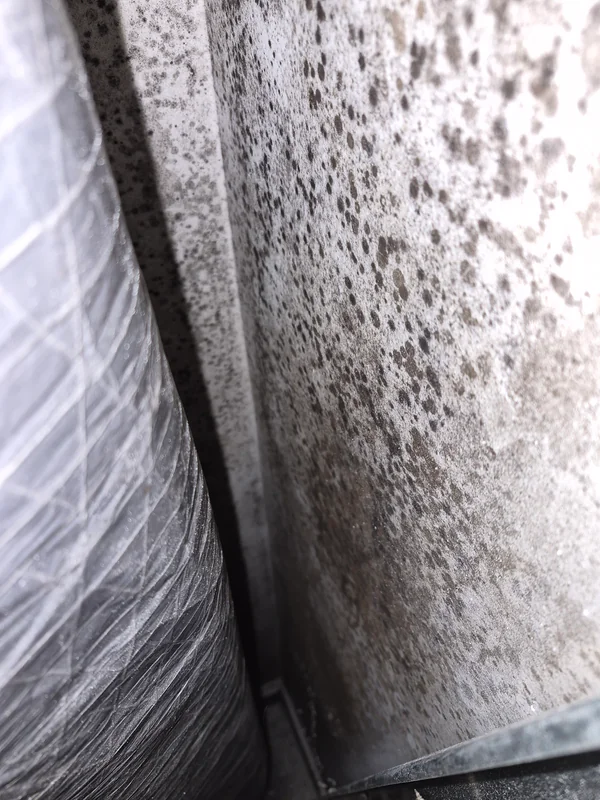
Then there’s the heat. Rittenhouse Square sits in one of Philadelphia’s most intense urban heat island zones, where documented temperatures run more than 12 degrees above non-urban areas. That means your AC runs longer, harder, and through more condensation cycles than it would anywhere else in the region. Every one of those cycles introduces moisture into your ductwork. Moisture plus darkness plus organic debris is exactly how mold gets established and spreads and once it’s in the system, every heating and cooling cycle distributes it to every room simultaneously.
We’ve been serving Philadelphia County and the surrounding region for over 15 years. Based in Bensalem, PA close enough to know this region’s humidity patterns, building conditions, and seasonal rhythms we operate as a specialist rather than a general city cleaning company. Philadelphia County is an explicitly named part of our service area, so a Rittenhouse Square call isn’t an exception. It’s exactly what we’re built for.
What actually separates us from the general duct cleaners showing up in your search results is our mold remediation background. Certified inspectors handle every job. Mold samples go to a lab when needed. And after the work is done, affected areas get tested again to confirm the results not just assumed clean because the equipment ran. That post-verification step matters in a neighborhood like Rittenhouse Square, where buildings have histories that go back well over a century and where the ductwork has often never been touched since it was first installed.

It starts with a free inspection. Before any equipment comes out, a certified technician walks the property, assesses the ductwork configuration, and identifies what’s actually present dust buildup, mold growth, biological contamination, or some combination. In a pre-1939 Rittenhouse Square building, that initial assessment matters more than it would in newer construction, because older duct systems can present conditions that change how the job needs to be approached. If anything unusual is found including materials that require special handling under EPA guidelines you’ll know before work begins, not after.
Once the scope is clear, the cleaning itself uses professional-grade equipment designed to create negative air pressure inside the duct system, pulling contaminants out rather than pushing them through your living space. Supply and return ducts are both addressed cleaning only one side is an industry shortcut that reputable companies don’t take. If mold is present, we use containment protocols to prevent spores from spreading during the process. This is where having a certified mold remediation team rather than a general duct cleaner makes a concrete difference.
After cleaning, if mold was identified, air duct sanitizing an antimicrobial treatment applied after mechanical cleaning can be added to address any remaining biological material. The job closes with post-cleaning verification, confirming the results rather than just assuming them. You get upfront pricing before anything starts, and the price quoted is the price you pay.
Ready to get started?
Air duct cleaning is the core service, but what’s included in that work depends on what the inspection finds. For a Rittenhouse Square property whether it’s a brownstone unit on Delancey Street, a high-rise condo in a building like the 1900 Rittenhouse Square Apartments, or a converted multi-family on Spruce Street the starting point is always an honest assessment of the system’s condition, not a predetermined package sold over the phone.
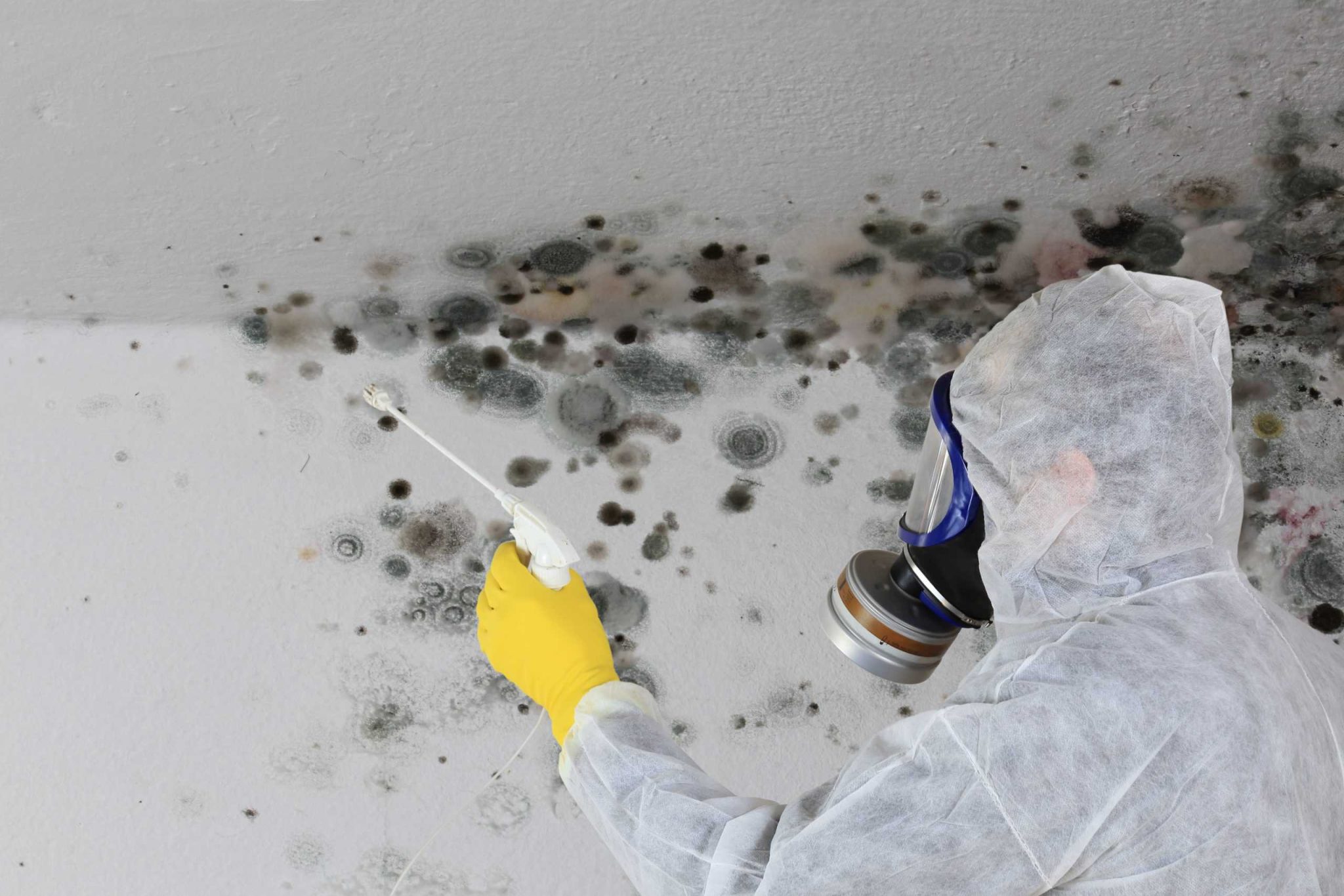
If mold is confirmed in the ductwork, the job includes proper containment, removal, and air duct sanitizing to eliminate biological residue after the mechanical cleaning is complete. We also handle dryer vent cleaning and in a dense urban building, that service carries stakes that go beyond routine maintenance. The NFPA reports nearly 16,000 dryer-related house fires per year, with failure to clean vents as the leading cause. In a multi-unit Rittenhouse Square building, a dryer fire doesn’t threaten one home it threatens an entire building of residents and neighbors.
For properties where mold remediation has already been done elsewhere in the building a basement, a bathroom, a wall cavity HVAC duct cleaning is often the follow-up step that gets skipped. The duct system is frequently the last place checked, and it can recontaminate a remediated space if left unaddressed. We work directly with insurance companies when claims are involved, which is particularly relevant for high-value Center City properties where mold damage documentation matters.
It does, and it’s one of the most important questions to ask before hiring anyone for this job. Most of the residential building stock in Rittenhouse Square was constructed before 1939 well before modern forced-air HVAC systems existed. That means the ductwork in your building was retrofitted into wall cavities, floor assemblies, and structural voids that were never designed to house it. Those spaces had often been accumulating dust, debris, and biological material for decades before the first duct was ever installed.
Beyond the accumulated history, there’s a documented concern with ductwork in buildings constructed before 1980: some older duct insulation materials contain asbestos. If a general duct cleaner disturbs that material without knowing what they’re dealing with, they’ve created a hazardous situation rather than solved one. Certified mold remediation specialists the kind trained to assess what they’re encountering before they disturb it are the appropriate choice for older building stock. That’s a meaningful distinction in Rittenhouse Square, where pre-war construction is the norm, not the exception.
The most common sign is a musty or stale smell that appears specifically when your HVAC system turns on and disappears when it’s off. That pattern points directly to the duct system as the source. Other indicators include worsening allergy or respiratory symptoms that don’t have an obvious explanation, visible discoloration around vent registers, or a history of water damage or mold elsewhere in the property.
The challenge is that most of the contamination in a duct system is in sections you can’t see the interior runs, the air handling unit, the evaporator coil housing. Looking at a register with a flashlight doesn’t tell you much about what’s happening 10 feet into the duct. A proper inspection uses equipment that can actually access and evaluate those interior sections. We offer free inspections in Rittenhouse Square, so there’s no cost to finding out what’s actually in your system before deciding whether cleaning is warranted. For residents who’ve been running their AC heavily through Philadelphia’s humid summers, a post-season inspection is a reasonable step.
Yes, and this is a risk that’s specific to the kind of dense, multi-unit buildings that dominate Rittenhouse Square. Many high-rises and converted brownstones in this neighborhood share central air handling units and duct runs across multiple units. When mold establishes itself in a shared section of that system, every heating and cooling cycle distributes spores to every unit connected to it not just the one where the visible problem originated.
This is fundamentally different from a detached suburban home, where the ductwork is entirely self-contained. In a shared system, addressing mold in one unit without evaluating the shared infrastructure leaves the problem partially in place. We have the mold remediation background to assess contamination at the system level, not just clean one register and move on. If you’re a property manager or building owner responsible for multiple units in Rittenhouse Square, this is worth understanding before a tenant complaint becomes a building-wide remediation project.
It’s a reasonable thing to do, and the reasoning is straightforward: in a neighborhood where tenant turnover is frequent, you have no visibility into what happened in that HVAC system before you arrived. The previous tenant may have lived with a moisture problem, a pet, a renovation, or simply never thought about the ducts in years of occupancy. You’re inheriting whatever they left behind.
The move-in period is also when you’re most likely to notice a problem the first time you turn on the heat in October, or the first time the AC runs in May, is when a musty smell or unexpected allergy response tends to surface. At that point you’ve already been breathing whatever’s in the system since you moved in. A free inspection before or shortly after move-in lets you find out what you’re working with before it becomes a problem you’re reacting to. For anyone moving into a pre-war building in Rittenhouse Square the brownstones on Spruce Street, the older high-rises near the square it’s a step worth taking.
They’re two different steps that address two different things, and both matter when mold is involved. Air duct cleaning is the mechanical process using professional equipment to physically remove accumulated dust, debris, and biological material from inside the duct system. It’s the foundation of the job. But mechanical cleaning alone doesn’t eliminate every trace of biological contamination. Mold spores and bacteria can remain on duct surfaces even after the visible debris is removed.
Air duct sanitizing is the follow-up step: applying an antimicrobial treatment to the interior duct surfaces after mechanical cleaning is complete. It targets the biological residue that cleaning alone doesn’t fully address. In a context where mold has been confirmed in the system which is the situation we most commonly encounter sanitizing isn’t an optional add-on. It’s the step that completes the job. For a Rittenhouse Square property where Philadelphia’s summer humidity has been cycling through the system for months, and where the ductwork may be running through building cavities that haven’t been accessed in decades, doing the mechanical cleaning without sanitizing leaves the job half-finished.
Routine air duct cleaning meaning the cleaning of existing ductwork without any modification, installation, or relocation does not require a permit from the City of Philadelphia. You can schedule a cleaning without any interaction with the Department of Licenses and Inspections. That applies whether you’re in a Rittenhouse Square condo, a brownstone unit, or a high-rise apartment.
Where permits do come into play is if the inspection reveals that duct repairs, modifications, or new duct sections are needed. Philadelphia requires mechanical permits for ductwork installation and relocation work, with fees starting at $189 for new ductwork in residential properties. If we find during inspection that your system needs more than cleaning damaged duct sections, compromised connections, or ductwork that needs to be rerouted that follow-up work would fall under the city’s mechanical permit requirements, and you’d want a licensed contractor handling it. The inspection step is where this gets sorted out, which is another reason starting with a free assessment before committing to any scope of work makes sense in an older Philadelphia building.
Other Services we provide in Rittenhouse Square