

Hear from Our Customers
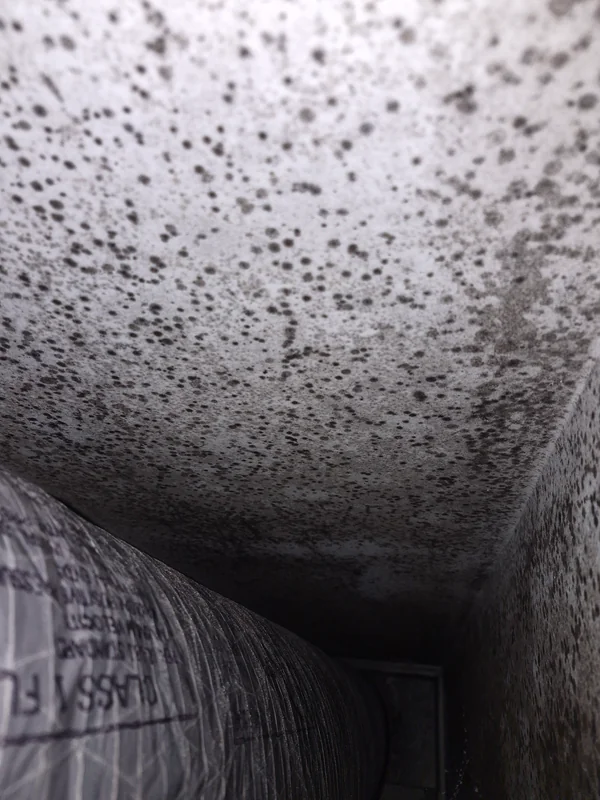
Philadelphia’s summers are genuinely humid. Outdoor relative humidity regularly climbs above 70%, and dew points push past 65°F on peak days. The EPA flags sustained indoor humidity above 60% as the primary condition for mold growth and Philadelphia’s climate hits that threshold every single season. If your HVAC system isn’t properly dehumidifying, which is common in the aging rowhome stock throughout South Philly, Germantown, and Northeast Philadelphia, your cooling coils and ductwork are sitting in exactly the environment mold needs to spread.
What makes this worse in Philadelphia specifically is the housing itself. Most rowhomes in this city were built before forced-air HVAC systems even existed. When central air was retrofit-installed into 19th and early 20th-century brick construction, the ductwork had to go wherever it could fit uninsulated basement crawl spaces, interior wall chases, floor cavities. These are the dampest areas of any Philadelphia home. That means decades of ductwork running through moisture-prone environments, and mold doesn’t need much more than that to take hold.
After a proper air duct cleaning by a certified mold remediation specialist, you’re not just getting cleaner air on paper. You’re stopping the HVAC system from redistributing whatever has built up in those ducts to every room in your home every time the system runs. For families with young kids, anyone with asthma, or anyone who’s noticed symptoms that seem to get worse indoors, that difference is real and immediate.
We’re based in Bensalem, PA directly across the Philadelphia County line, minutes from Northeast Philadelphia via I-95. This isn’t a company making a long haul into the city. We’re a neighboring-community business that has been working in Philadelphia’s regional climate and housing conditions for over 15 years.
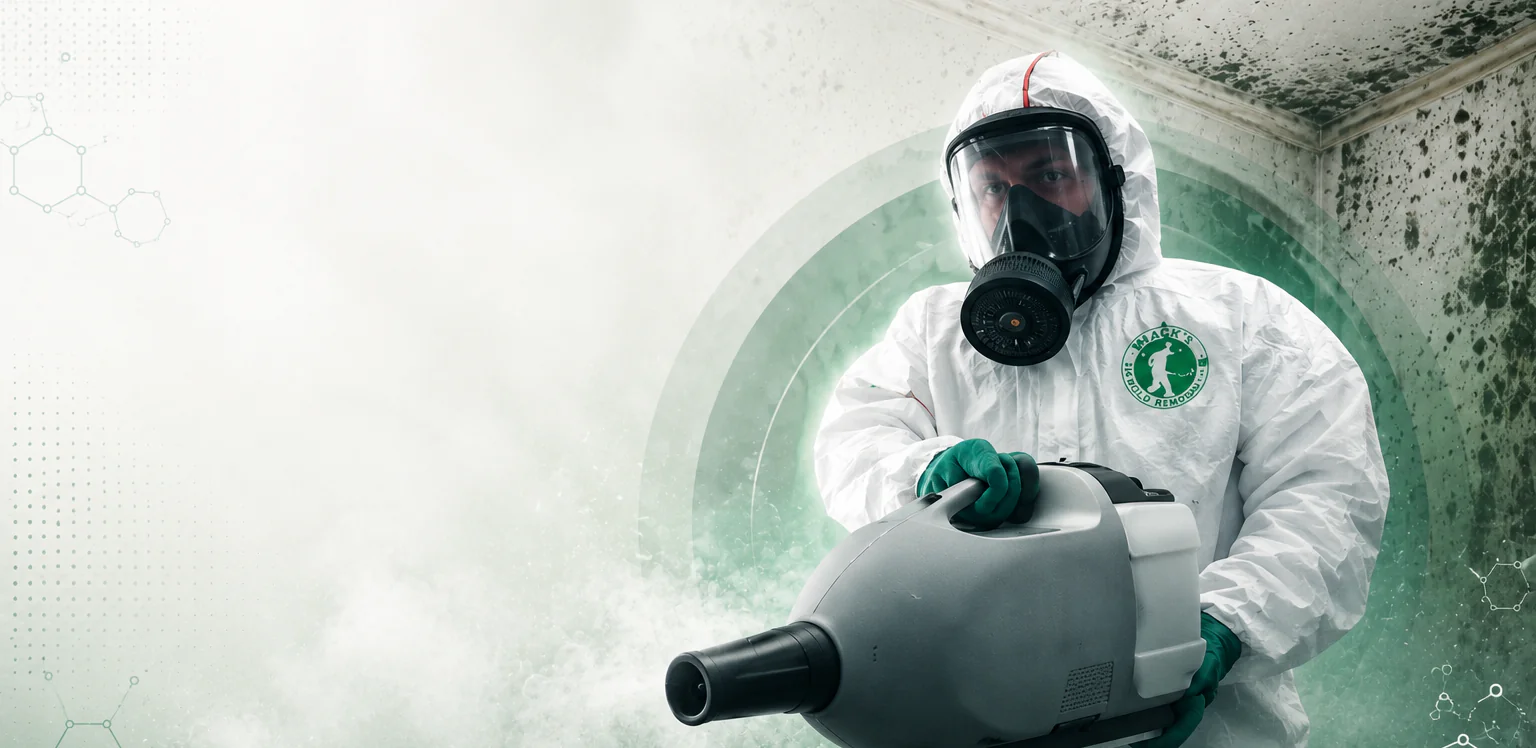
The difference between Mack’s Mold Removal and a standard duct cleaning company comes down to one thing: mold training. When a general duct cleaner disturbs mold inside aging ductwork without proper containment, they can spread spores throughout the home on the next heating or cooling cycle. Our certified mold remediation specialists bring the same containment protocols used in full mold remediation jobs to every duct cleaning because in a Philadelphia rowhome with 80-year-old ductwork, cutting corners on that step creates a bigger problem than the one you started with.
From Old City’s colonial-era structures to the brick twins of Mayfair and the rowhomes of Point Breeze, we’ve seen what Philadelphia’s building stock does to HVAC systems over time. That experience isn’t something you can replicate from a training manual.
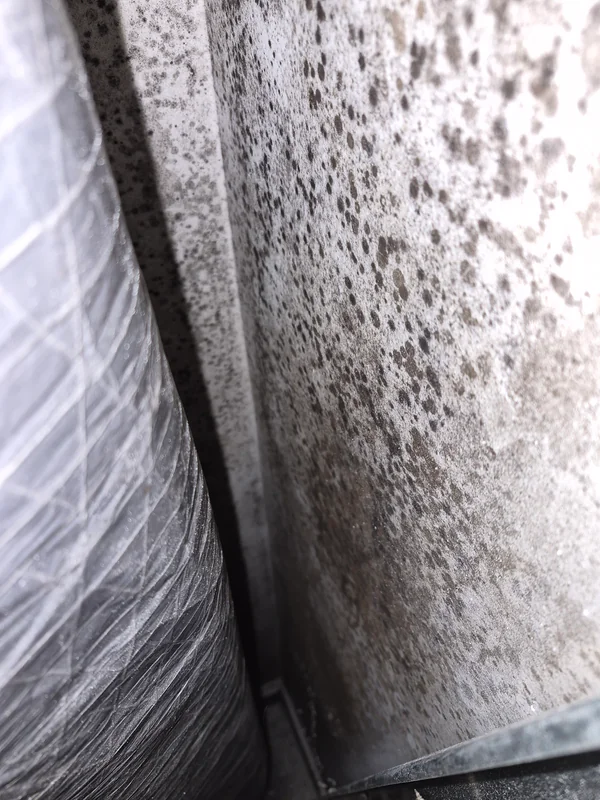
It starts with a free inspection. Before any cleaning begins, we take a real look at your system not a quick visual check at the register, but an actual assessment of what’s happening inside the ductwork. In Philadelphia’s older housing stock, that inspection often turns up conditions that wouldn’t exist in a newer suburban home: condensation damage in uninsulated basement duct runs, mold growth in interior wall chases, or debris buildup in long duct runs that were never designed for modern airflow demands.
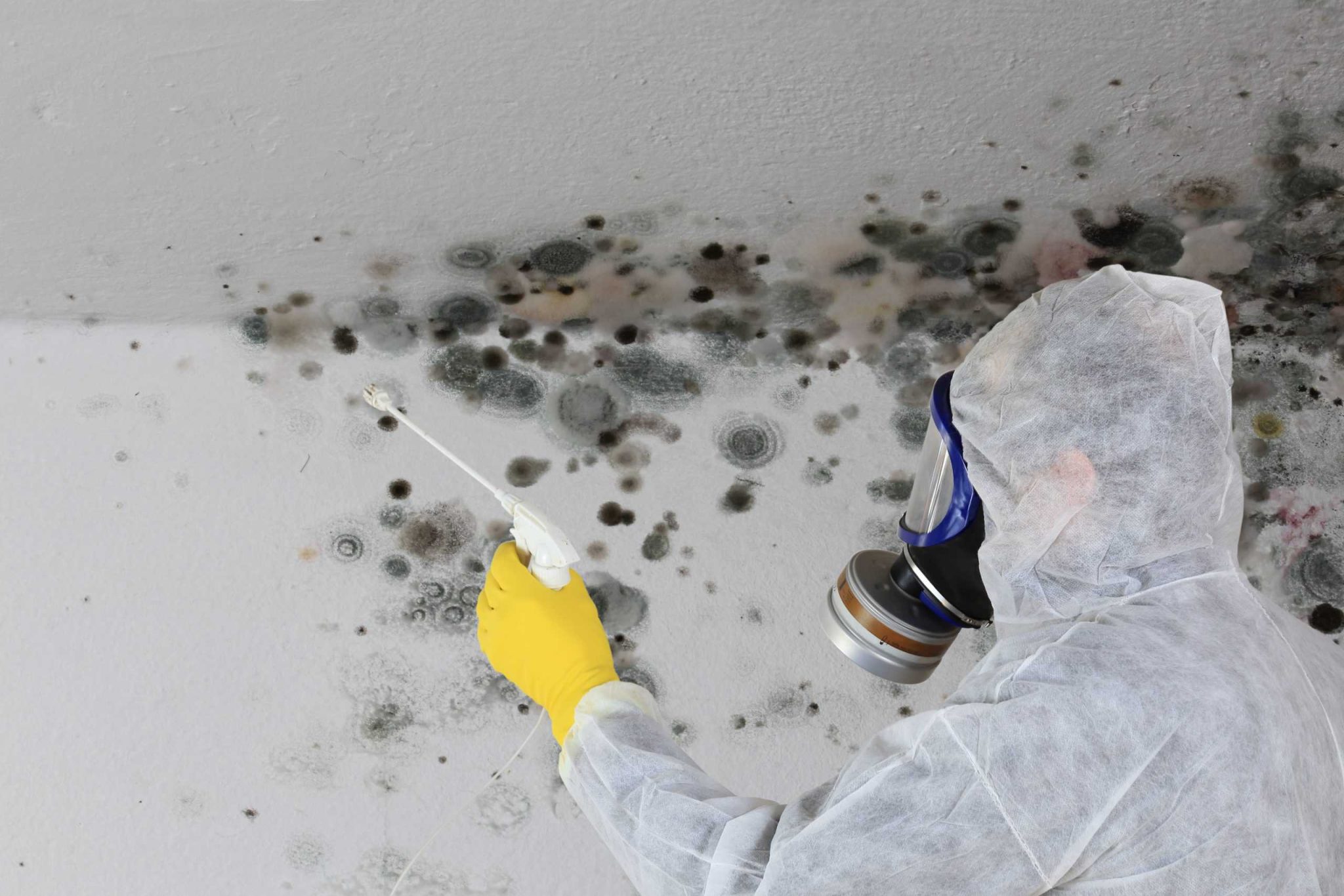
From there, containment comes first. If mold is present, the affected sections of the system are isolated before any mechanical cleaning starts. This is the step most general duct cleaners skip and it’s the step that determines whether the job actually solves the problem or just moves it around. We use the same containment discipline here that we apply to full mold remediation work.
The cleaning itself covers both supply and return ducts. Cleaning only one side is a red flag in this industry, and we don’t do it. Once the mechanical cleaning is complete, if mold was found and treated, we test the affected areas after the job to confirm the mold is gone not just cleaned around. You get documentation, not just a handshake. Philadelphia’s Property Maintenance Code creates real mold liability for property owners, and that post-cleaning verification matters whether you’re a homeowner or a landlord managing units in Fishtown or Brewerytown.
Ready to get started?
Air duct cleaning is the mechanical removal of debris, biological matter, and mold from inside your ductwork. Air duct sanitizing is a separate step applying antimicrobial treatment to the cleaned surfaces to address any remaining biological contamination. When mold is involved, both steps are typically needed. Cleaning removes what’s visible and accessible; sanitizing addresses what the cleaning alone can’t fully eliminate. We offer both, and we’ll tell you upfront which your system actually needs rather than recommending both by default.
Dryer vent cleaning is another service that gets treated as optional maintenance when it’s really a safety issue. The NFPA reports nearly 16,000 dryer-related home fires per year nationally, with failure to clean the vent as the leading cause. In Philadelphia’s rowhome neighborhoods where attached structures share walls along entire city blocks a dryer fire doesn’t stay contained to one unit the way it might in a detached suburban home. If you’re in South Philly, Kensington, or anywhere else in the city where your home shares a wall with your neighbor’s, that’s not a hypothetical risk.
We also work directly with insurance companies when mold-related claims are involved. For Philadelphia landlords navigating the city’s Property Maintenance Code or homeowners dealing with the aftermath of a basement flood a recurring reality in low-lying neighborhoods near the Delaware and Schuylkill Rivers having a contractor who handles the insurance side directly removes one of the most frustrating parts of the process. Financing is available for those who need it, and the inspection is free.
That musty smell when the AC starts up is one of the most common signs that mold has colonized somewhere inside your HVAC system typically the cooling coils, the drain pan, or the ductwork itself. In Philadelphia, PA rowhomes, this happens more often than in newer suburban construction because the ductwork frequently runs through uninsulated basement spaces and interior wall chases where moisture exposure is chronic. When the system sits idle through the winter and then fires up for the first cooling cycle of the year, you’re essentially blowing air through whatever has been growing in those ducts all season.
The smell isn’t just unpleasant it’s a signal that your system is actively distributing mold spores to every room in the home each time it runs. Philadelphia’s summer humidity regularly pushes conditions past the EPA’s 60% relative humidity threshold for mold growth, which means the problem tends to worsen each season if it isn’t addressed. A proper inspection will tell you exactly what’s in there and where it’s coming from, so you’re not guessing.
Dust and mold can produce similar symptoms sneezing, congestion, irritated eyes but mold has a few telltale signs that dust doesn’t. The most reliable one is a persistent musty or earthy odor that gets stronger when the HVAC system is running. If the smell disappears when the system is off and returns when it kicks on, that’s a strong indicator that the source is inside the ductwork rather than somewhere else in the home. Visible discoloration around vent registers dark spots or fuzzy growth is another sign, though by the time you can see it at the register, the problem inside the duct is usually more significant.
The only way to know for certain is a proper inspection with lab testing of samples from inside the system. We use lab analysis to identify what’s actually present, which determines the right removal strategy. Guessing at it and applying a generic cleaning without knowing what you’re dealing with is how mold problems get spread rather than solved particularly in Philadelphia’s older building stock where duct runs pass through areas with high moisture exposure.
The honest answer is that it depends on what’s in your ducts. The EPA’s position is nuanced: routine cleaning in the absence of a specific problem has unclear benefits. But the EPA explicitly recommends cleaning when mold is confirmed in the system, when there’s pest or rodent activity, or when substantial debris is blocking airflow. Those aren’t edge cases in Philadelphia they’re common findings in the city’s aging housing stock, particularly in homes that haven’t had the ductwork inspected in years or ever.
Where duct cleaning becomes a genuine upsell is when a company pushes it on a system that doesn’t actually need it. That’s why the inspection step matters. We’ll tell you what we find and what it means before any cleaning starts, and the inspection is free. If your system is clean, we’ll tell you that too. For Philadelphia homeowners who’ve had mold remediated elsewhere in the home a basement, a bathroom wall checking the ducts isn’t optional. Mold that’s been disturbed elsewhere can enter the HVAC system and recontaminate a remediated space if the ducts aren’t addressed.
For most homes, a proper air duct cleaning takes between four and six hours. That’s the industry standard for a thorough job that covers both supply and return ducts not a one-sided cleaning that misses half the system. In Philadelphia, PA rowhomes, the timeline can vary depending on the age and layout of the ductwork. Homes with long duct runs through basement crawl spaces, ductwork that passes through multiple floors in a narrow three-story rowhome, or systems that haven’t been serviced in many years may take longer because the conditions inside are more complex.
Be cautious of any company that quotes you a one-hour job at a price that sounds too good to be true. The $99 air duct cleaning offer is a well-documented bait-and-switch in this industry the low number gets the technician in the door, and then the upselling begins once they’re inside. A legitimate cleaning that covers the full system, uses proper equipment, and addresses any mold present takes real time. We provide upfront pricing before the work starts, and the price you’re quoted is the price you pay.
Yes. We serve Philadelphia County as part of our regular service area. From Northeast Philadelphia neighborhoods like Mayfair and Rhawnhurst to South Philly rowhome blocks, Germantown, Fishtown, West Philadelphia, and Center City our service area covers the full city. We’re based in Bensalem, directly adjacent to Northeast Philadelphia, which means response times across Philadelphia are realistic. The I-95 corridor connects Bensalem to Philadelphia’s neighborhoods quickly, and our 24/7 availability means emergency situations don’t have to wait until Monday morning.
For Philadelphia landlords and property managers handling multiple units across different neighborhoods, our experience working directly with insurance companies is particularly relevant. Whether you’re managing a multi-unit building in Kensington or a single rowhome in Point Breeze, the process is the same: free inspection, upfront pricing, and post-cleaning verification to confirm the work is done.
Air duct cleaning is the mechanical process using professional equipment to physically remove debris, dust, and biological matter from inside the ductwork. Air duct sanitizing is a separate step that applies an antimicrobial treatment to the cleaned surfaces, targeting any remaining biological contamination that the physical cleaning alone doesn’t fully eliminate. They’re related but not the same thing, and whether you need both depends on what’s actually in your system.
In Philadelphia homes particularly older rowhomes where ductwork runs through damp basement spaces and the city’s summer humidity creates recurring mold-favorable conditions sanitizing is often a necessary follow-up to cleaning when mold is involved. Cleaning removes the visible and accessible contamination; sanitizing addresses the residual biological material on duct surfaces that you can’t see or reach mechanically. If your inspection reveals mold growth inside the system, doing the cleaning without the sanitizing step is like wiping a surface without disinfecting it. We’ll assess what your system actually needs and explain the reasoning before recommending either service not as a default upsell, but based on what the inspection finds.
Other Services we provide in Philadelphia