
Hear from Our Customers

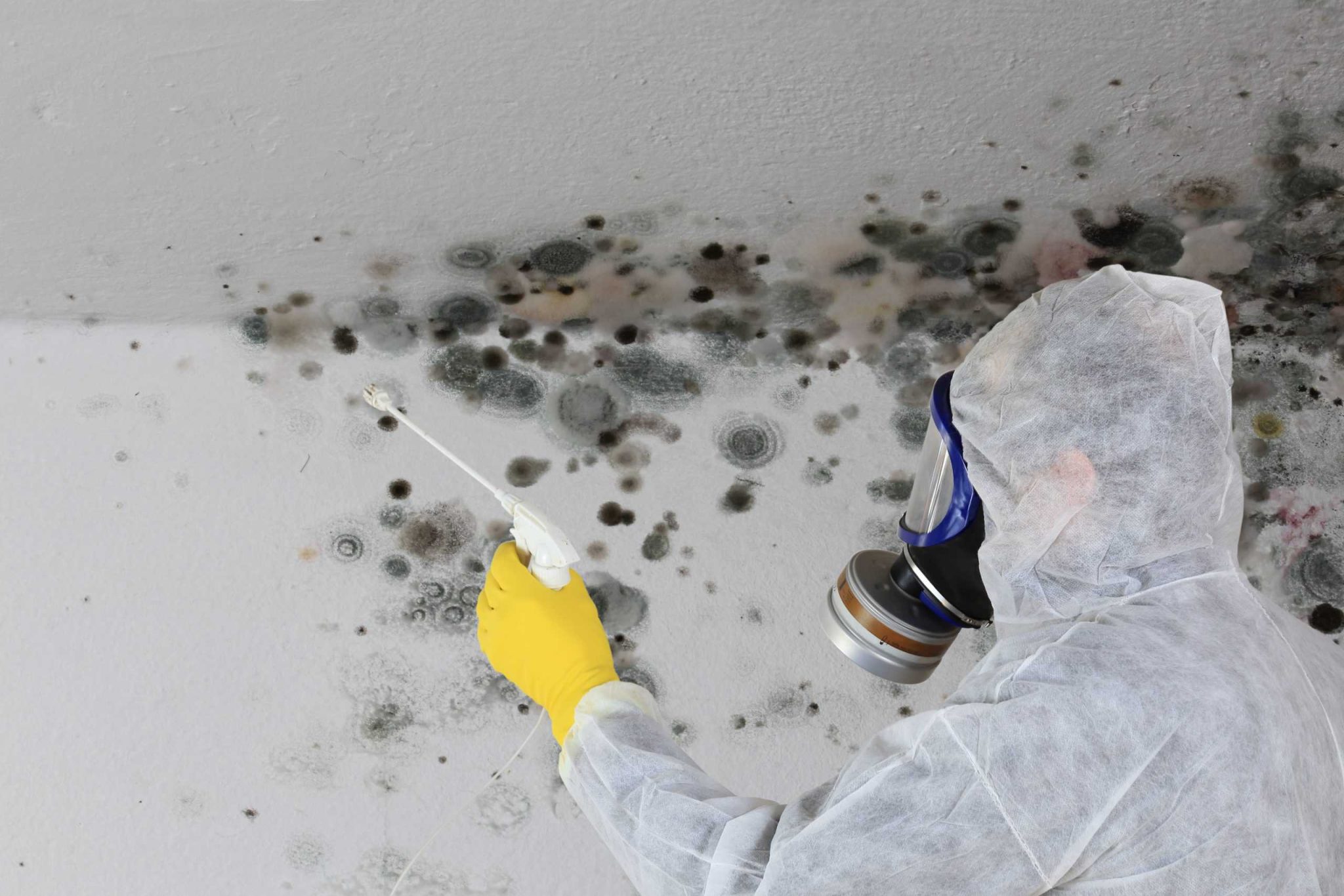
You know the moment. It’s late May in Doylestown, you flip the AC on for the first time, and within minutes there’s that musty smell drifting through every room. That’s not just an old house being an old house. That’s mold that spent the fall and winter colonizing the inside of your ductwork, and now every cooling cycle is spreading it through your home.
Doylestown gets 44 to 51 inches of rain per year well above the national average. Combine that with humid summers in the mid-80s and the kind of older housing stock that makes up a significant portion of the borough, and your HVAC system is working in conditions that a newer home in a drier climate simply doesn’t face. More than a quarter of homes in Doylestown were built before 1940. These properties were retrofitted with ductwork that runs through damp crawl spaces and original stone basements areas that have never had modern moisture control.
After a proper cleaning and sanitizing from a certified mold specialist, you get more than better-smelling air. You get documented confirmation that the mold is gone, not just disturbed. You get a system that isn’t redistributing biological contamination every time it kicks on. If you have kids in the Central Bucks School District or anyone in the house with allergies or asthma, that’s not a small thing that’s the whole point.
We’re based in Bensalem about 20 miles south of Doylestown on Route 611 and have been serving Bucks County homeowners for over 15 years. We already have active mold inspection and testing operations in Doylestown, with documented understanding of what makes these homes different: Victorian and Federal-era construction, layered HVAC modifications over decades, and basements that were never designed to stay dry.
This isn’t a national franchise routing calls through a dispatch center. When you reach out to us, you’re reaching a mold-certified team that has worked inside the kind of pre-war homes that line the streets near the Doylestown Historic District homes where the ductwork tells a story of three or four different HVAC systems installed over a hundred years.
The difference between us and a general duct cleaner comes down to what happens when mold is involved. A vacuum truck can move dust. It takes containment protocols, certified remediation knowledge, and post-cleaning verification to actually eliminate a mold problem in your HVAC system without making it worse.
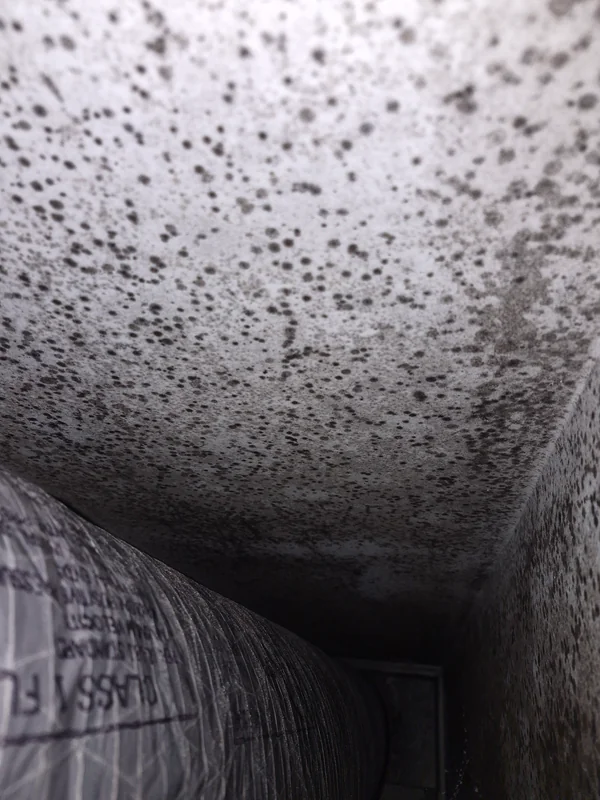
It starts with a free inspection. Before any cleaning begins, we assess your system what type of ductwork you have, where it runs, what conditions it’s been exposed to, and whether mold is present. In Doylestown’s older homes, this step matters more than it does in newer construction. Ductwork that runs through a damp stone basement or beneath original floor joists in a pre-1940 home has a different risk profile than a system installed in a 2005 colonial in the township.
The inspection tells you what you’re actually dealing with. If mold is confirmed or suspected, our cleaning process includes containment isolating the affected sections of your system so that disturbing the mold doesn’t spread spores into your living space. This is the step that most general duct cleaners skip entirely, and it’s the step that matters most in a home where the ductwork connects every room.
Mechanical cleaning removes the physical debris and buildup. Air duct sanitizing follows applying antimicrobial treatment to eliminate biological contamination that mechanical removal alone can’t fully address. The final step is verification. We test the affected areas after the job to confirm the mold is gone. You receive documented results, not just a handshake and an invoice.
For homeowners in Doylestown who’ve invested significantly in maintaining older properties, that documentation is the difference between peace of mind and wondering whether the job actually worked. We provide upfront pricing before the work starts the number you’re quoted is the number you pay.
Ready to get started?
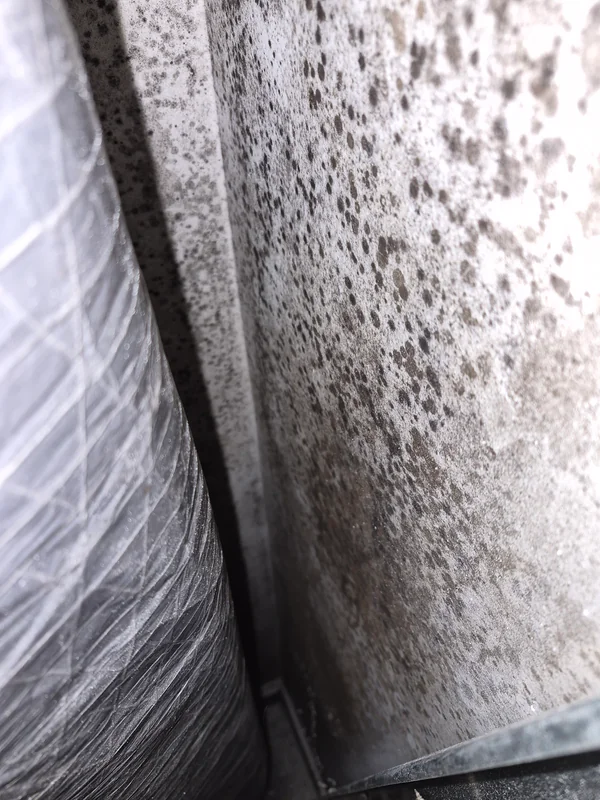
Air duct cleaning is our core service, but it doesn’t exist in isolation. We provide HVAC duct cleaning that addresses the full system supply ducts, return ducts, and the air handler itself. In Doylestown’s older homes, where HVAC systems have often been modified multiple times over the decades, it’s common to find dead zones in the ductwork where debris and moisture have accumulated for years without anyone knowing. Those are the areas that harbor mold and feed it back into your living space every time the system runs.
We also offer dryer vent cleaning, a service that carries more weight in older Doylestown properties than most homeowners realize. In homes where dryer vent runs are longer and more obstructed routed through finished walls and around original structural elements lint buildup happens faster and creates a genuine fire risk. The NFPA reports nearly 16,000 dryer-related house fires per year nationally, with failure to clean vents as the leading cause.
In a borough where a large share of the housing stock predates modern construction standards, the vent configuration is often part of the original structure which means it may not have been cleaned in years, or ever. Air duct sanitizing rounds out our service for homes where mold has been confirmed in or near the HVAC system. Cleaning removes the physical material; sanitizing eliminates what’s left behind.
If your home has had mold remediated in the basement, crawl space, or walls and the ducts weren’t inspected as part of that job the system may still be pulling in contaminated air and distributing it throughout the house. We close that gap.

The most common sign is a musty smell that appears when your HVAC system runs and fades when it’s off. If the odor follows the airflow, the source is almost certainly inside the system. Other signs include visible discoloration near vent registers, worsening allergy or asthma symptoms that seem to improve when you’re out of the house, and a history of moisture problems in the basement or crawl space.
In Doylestown specifically, the combination of older housing stock and a humid climate creates conditions where mold in ductwork is more common than most homeowners expect. If your home was built before 1980 and the HVAC system runs through a basement or crawl space with any history of moisture, that’s enough reason to have the system inspected. We offer free inspections, so there’s no financial risk in getting a definitive answer rather than guessing.
Yes, and this is exactly what makes mold in an HVAC system different from mold in a single room. Every time your system runs, it pulls air through the return ducts and pushes conditioned air out through the supply ducts. If mold is present anywhere in that path, spores travel with the airflow into every room the system serves. It doesn’t stay contained to the basement or wherever the original moisture problem was.
This is especially relevant in Doylestown’s older homes, where air handlers are frequently located in basements that have experienced moisture issues. If the air handler is drawing from a damp space and the ductwork connects to every room in the house, a mold problem in the mechanical room becomes a whole-home air quality problem. Treating the visible mold in one location without addressing the HVAC system is one of the most common reasons homeowners end up dealing with recurring mold after a remediation job.
The honest answer is that it depends entirely on what’s going on in your system. The EPA’s position is nuanced routine cleaning in the absence of a specific problem has unclear benefits. But when mold is confirmed, when there’s been pest activity, or when significant debris is blocking airflow, the EPA explicitly recommends cleaning.
The “is it a scam” concern comes from the well-documented practice of low-ball offers the $99 special that turns into a $1,500 bill once the truck is in your driveway. The way to protect yourself is to work with a company that provides a free inspection first and gives you written upfront pricing before any work begins. That’s how we operate. You know what you’re paying before anyone touches your system.
For Doylestown homeowners with older homes and documented moisture history, the question usually isn’t whether cleaning is worth it it’s whether the company doing it actually understands mold, or is just running a vacuum through the registers.
In many cases, yes and this is one of the most common gaps left after a mold remediation job. If your air handler or any section of your ductwork is located in or near the space that was remediated, the system has very likely been drawing in mold-laden air for the duration of the problem. Remediating the visible mold without inspecting the HVAC system leaves a pathway for recontamination every time the system runs.
This scenario comes up frequently in Doylestown’s older homes, where mechanical systems were retrofitted into basements and crawl spaces that were never designed to stay dry. The remediation contractor treats what they can see. The ductwork running through the same space is often left uninspected. We specifically look for this gap if you’ve had remediation work done and the ducts weren’t part of the scope, that’s exactly the kind of situation a post-remediation inspection is designed to address.
For most homes, the general industry guidance is every three to five years. But that baseline assumes a newer home with standard ductwork in a dry climate and Doylestown doesn’t fit that profile. If your home was built before 1960, if the ductwork runs through a basement or crawl space with any moisture history, or if you’ve had mold issues anywhere in the property, more frequent inspection makes sense.
Doylestown’s climate adds to the equation. With annual precipitation between 44 and 51 inches and humid summers that create condensation inside ductwork during AC season, the conditions that feed mold growth in HVAC systems are present year-round. The practical trigger for most Doylestown homeowners is either the first AC startup of the season when a musty smell signals something has been growing all winter or a recent mold discovery somewhere else in the home. Either of those situations warrants an inspection before you set a cleaning schedule.
Yes. We provide dryer vent cleaning alongside air duct and HVAC cleaning. In Doylestown’s older housing stock, dryer vent runs are often longer and more complex than in newer construction routed through finished walls, around original structural framing, and sometimes venting in directions that made sense when the home was built but create significant lint accumulation over time.
The fire risk is real and well-documented. The NFPA tracks roughly 16,000 dryer-related house fires per year nationally, with failure to clean the vent as the leading cause. In a borough where a large share of homes predate modern building standards, the vent configuration is often part of the original structure which means it may not have been cleaned in years, or ever. If your dryer is taking longer than usual to dry a load, or if the exterior vent flap doesn’t open fully when the dryer runs, those are signs the vent needs attention. A clogged dryer vent is a fire hazard, not a maintenance inconvenience.