
Hear from Our Customers
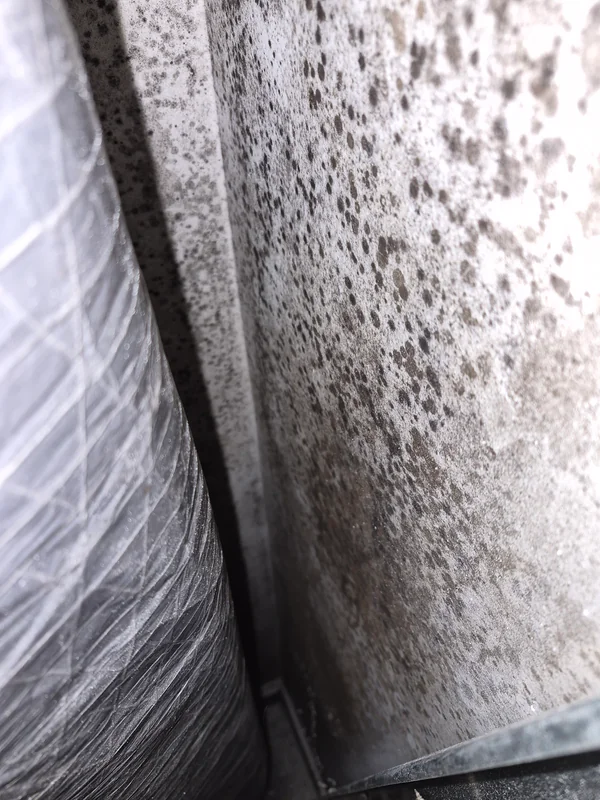
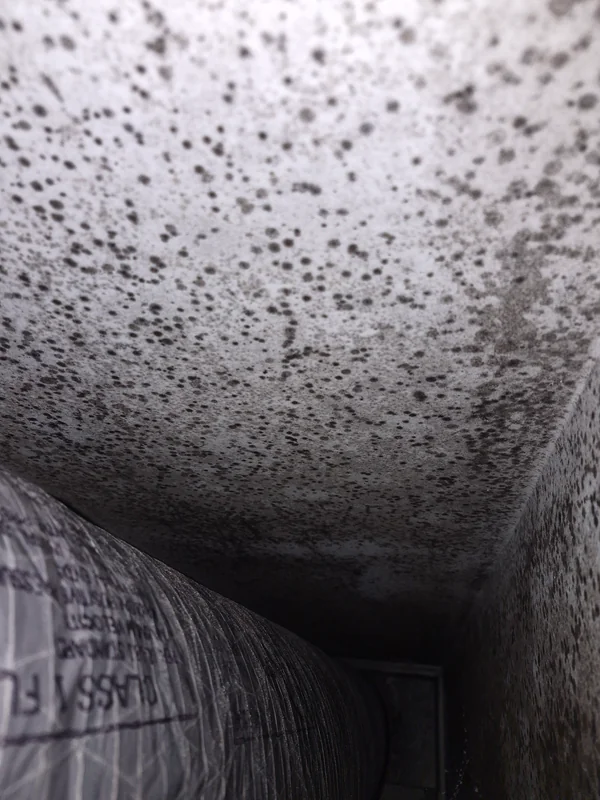
Most homeowners in Dolington dealt with the visible damage after the Houghs Creek flood the flooring, the drywall, the personal property. What didn’t get the same attention was the HVAC system. Mold starts colonizing within 24 to 48 hours of water exposure, and forced-air systems draw in whatever moisture is in the surrounding air. If your ducts were never inspected after that storm, they’ve had nearly two years to develop a problem you can’t see from any register.
Beyond the flood, Dolington’s housing stock creates its own ongoing risk. The historic stone farmhouses and Federal-style homes throughout Upper Makefield Township are beautiful but stone construction wicks moisture, and ductwork that was retrofitted through century-old walls runs through spaces that have been damp far longer than any HVAC system has existed. A standard duct cleaning crew isn’t equipped to identify what’s actually growing in those conditions. We are.
When the work is done right, you stop recirculating whatever has built up in your system and start breathing air that isn’t carrying mold spores, dust, and allergens to every room every time the heat or AC kicks on. For families in the Council Rock School District area, for older residents managing respiratory health, and for anyone who simply wants to know their home is safe that outcome is worth taking seriously.
We’re based in Bensalem, right here in Bucks County, and have been working in Upper Makefield Township and Dolington long enough to know exactly what these homes tend to hide. The 18th and 19th century stone construction along Washington Crossing Road, the crawl spaces in the older farmhouses off Dolington Road, the basements in the newer developments on Jericho Mountain each one comes with its own moisture profile, and each one gets treated accordingly.
We use certified mold remediation specialists, not general HVAC technicians. That distinction matters when your ducts run through a home that was built before forced air even existed. After every job, we test the affected areas to confirm the mold is actually gone not just cleaned around. You get documented results, not a contractor’s word.
We also work directly with insurance companies on claims, which is worth knowing if your home sustained any water damage during the 2023 flooding and you haven’t fully closed that chapter yet.

It starts with a free inspection. One of our certified inspectors comes to your home, looks at the ductwork, and tells you honestly what’s there. In Upper Makefield homes particularly older properties with stone construction or ductwork that runs through unfinished crawl spaces that inspection often reveals conditions that a visual check at the register would never catch. If mold is present, you’ll know before any work begins, and you’ll have a clear picture of what needs to happen.
From there, our cleaning process uses professional-grade equipment that creates negative air pressure inside the duct system, pulling debris and contaminants out rather than pushing them further in. This isn’t a shop vac and a brush it’s the kind of containment protocol that keeps mold spores from spreading to the rest of your home during the cleaning itself. In a historic property where rooms are connected through old wall cavities and original framing, that containment step is not optional.
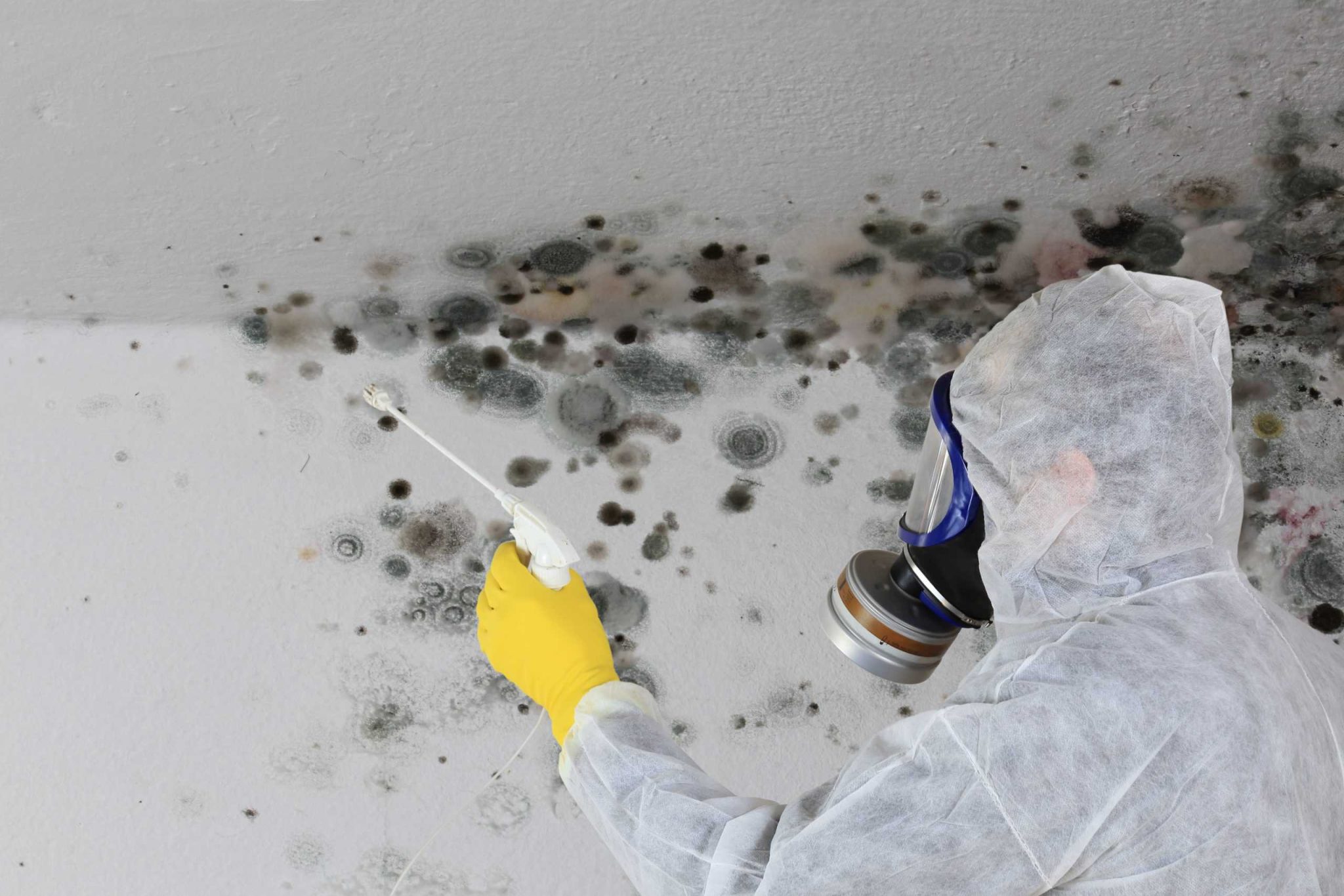
If mold is confirmed, air duct sanitizing follows the mechanical cleaning. That means applying an EPA-approved antimicrobial treatment to the interior of the duct system because vacuuming removes the debris, but it doesn’t kill biological contamination. After the job is complete, we test the area again to verify the results. You get the documentation. No assumptions, no “it should be fine.”
Ready to get started?
Air duct cleaning covers the full system supply ducts, return ducts, and the components that connect them. In the larger estate properties and historic farmhouses throughout Upper Makefield Township and Dolington, duct runs tend to be longer and more complex than in newer suburban construction, which means more surface area for debris and mold to accumulate over time. We clean both sides of the system, not just the registers you can see.
Air duct sanitizing is a separate step and a necessary one when moisture or mold has been involved. Bucks County receives roughly 49 inches of rain per year well above the national average and Upper Makefield’s clay-heavy soil holds that moisture near foundations long after the rain stops. Homes near Houghs Creek and Jericho Creek face this cycle repeatedly, not just after a major event like the 2023 flood. Sanitizing treats what mechanical cleaning leaves behind.
Dryer vent cleaning is also available, and it’s more than routine maintenance. The NFPA reports nearly 16,000 dryer-related house fires per year in the U.S., with failure to clean vents as the leading cause. In larger Dolington homes with long dryer duct runs common in the estate-style properties along Washington Crossing Road and in the Jericho Mountain area lint buildup is a genuine fire risk that most homeowners don’t think about until something goes wrong. We handle all three services, and the free inspection is always the starting point.

Yes, and it’s more common than most homeowners realize. When Houghs Creek overflowed on July 15, 2023, and floodwaters moved through Upper Makefield Township and Dolington along Route 532, the moisture didn’t just affect what was visible. HVAC systems pull air from the surrounding environment, and in the days following a flood event, that air is saturated with moisture and airborne mold spores. If your system was running during or after the storm, those spores had a direct path into your ductwork.
Mold colonizes within 24 to 48 hours of water exposure in humid conditions and Upper Makefield’s climate doesn’t dry out quickly. With nearly two years having passed since that flood, any mold that established itself in your ducts has had significant time to grow. The fact that you haven’t noticed a musty smell doesn’t mean the ducts are clean; mold in interior duct sections often isn’t detectable at the register until the problem is well established. A professional inspection is the only way to know for certain.
The honest answer is that you usually can’t tell from the outside. Dust accumulates near registers and is sometimes visible, but mold tends to grow in the darker, damper interior sections of the duct system places you can’t see without professional equipment. The most common symptom homeowners notice is a musty or earthy smell that appears when the heat or AC turns on and fades once the system has been running for a while. Worsening allergy or respiratory symptoms indoors, particularly during heating season, are another signal worth taking seriously.
In Dolington and the surrounding Upper Makefield area, the combination of older housing stock and recurring moisture exposure from Houghs Creek and Jericho Creek flooding means the conditions for mold growth in ductwork are present in a lot of homes not just those that experienced obvious water damage. A certified inspection looks at the actual interior of the system, takes samples where needed, and sends them to a lab for analysis. That’s the only way to distinguish mold from ordinary dust and know exactly what you’re dealing with.
The skepticism is fair the industry has a documented bait-and-switch problem. Companies advertise $99 cleaning specials, get into your home, and then pressure you into hundreds or thousands of dollars in add-ons. But the answer to a bad industry practice isn’t to skip a service your home might genuinely need it’s to choose a company that operates differently.
The EPA’s position on air duct cleaning is nuanced: routine cleaning in the absence of a specific problem has unclear benefits. But the EPA explicitly recommends cleaning when mold is confirmed in the duct system, when there’s been pest or rodent activity, or when significant debris is blocking airflow. For homes in Upper Makefield Township particularly those that experienced moisture intrusion during the 2023 flooding, or those with older ductwork running through damp crawl spaces those conditions are not hypothetical. We start with a free inspection and provide upfront pricing before any work begins. The price you’re quoted is the price you pay.
They’re two separate steps that do two different things. Air duct cleaning is the mechanical process using professional equipment to physically remove dust, debris, and biological material from inside the duct system. It’s effective at clearing out what has accumulated, but it doesn’t kill anything. Mold spores that aren’t fully removed during the cleaning process can remain viable on duct surfaces and begin growing again, especially in an environment that continues to supply moisture.
Air duct sanitizing applies an EPA-approved antimicrobial treatment to the interior of the duct system after the mechanical cleaning is complete. This step kills the biological contamination that vacuuming leaves behind. In Upper Makefield homes where moisture exposure is recurring whether from the area’s above-average annual rainfall, from Houghs Creek and Jericho Creek flooding cycles, or from the chronic groundwater seepage common in older stone construction sanitizing is the step that keeps the problem from coming back after the cleaning is done. If mold was the reason you called in the first place, sanitizing isn’t optional.
For most homes, the industry standard recommendation is every three to five years under normal conditions. But “normal conditions” doesn’t describe most of the housing stock in and around Dolington. Historic stone farmhouses and Federal-style properties throughout Upper Makefield Township have ductwork that often runs through unfinished crawl spaces, original wall cavities, and basement areas that see regular moisture. In those conditions, waiting five years between cleanings is a longer interval than the environment supports.
If your home experienced any water intrusion whether during the July 2023 flooding along Route 532, during a typical wet spring when Houghs Creek runs high, or from the chronic basement seepage that’s common in older stone construction that event resets the clock regardless of when your last cleaning was. The same applies if you’ve noticed a musty smell from the vents, if allergy symptoms have worsened, or if you’ve had mold remediated anywhere else in the home. In any of those situations, waiting for a scheduled interval isn’t the right approach.
Yes, and that’s what makes the HVAC system a particularly serious place for mold to grow. Every time your heating or air conditioning runs, air moves through the entire duct network and is distributed to every room in the house. If mold is present in one section of the ductwork, the system actively carries spores to every other room with every cycle. It’s the difference between a contained mold problem in a basement corner and a whole-home air quality issue that reaches bedrooms, living areas, and anywhere else your vents deliver air.
This is especially relevant for Dolington homes where mold remediation has already been done elsewhere on the property. It’s common for homeowners to address mold in a basement or crawl space and then have that same space re-contaminated months later because the duct system was never inspected or cleaned. If mold spores are circulating through the HVAC system, they’ll find their way back to any surface that offers the right moisture conditions. Treating the ducts is the step that closes the loop on a remediation job and keeps the problem from cycling back.
Other Services we provide in Dolington